 Vietnamnet.vn

 Podcast


In Da Nang's highland villages, culture lives not only in traditional clothing and everyday objects but also in the rhythmic clatter of looms, the resonant sounds of gongs, traditional dances and moments when elders share their knowledge with younger generations.
Keeping cultural traditions alive
In Village 49B, Dac Pring Commune, artisan Kring Thi Viet, 64, has spent much of her life at a loom, weaving traditional brocade textiles of the Ve ethnic minority.
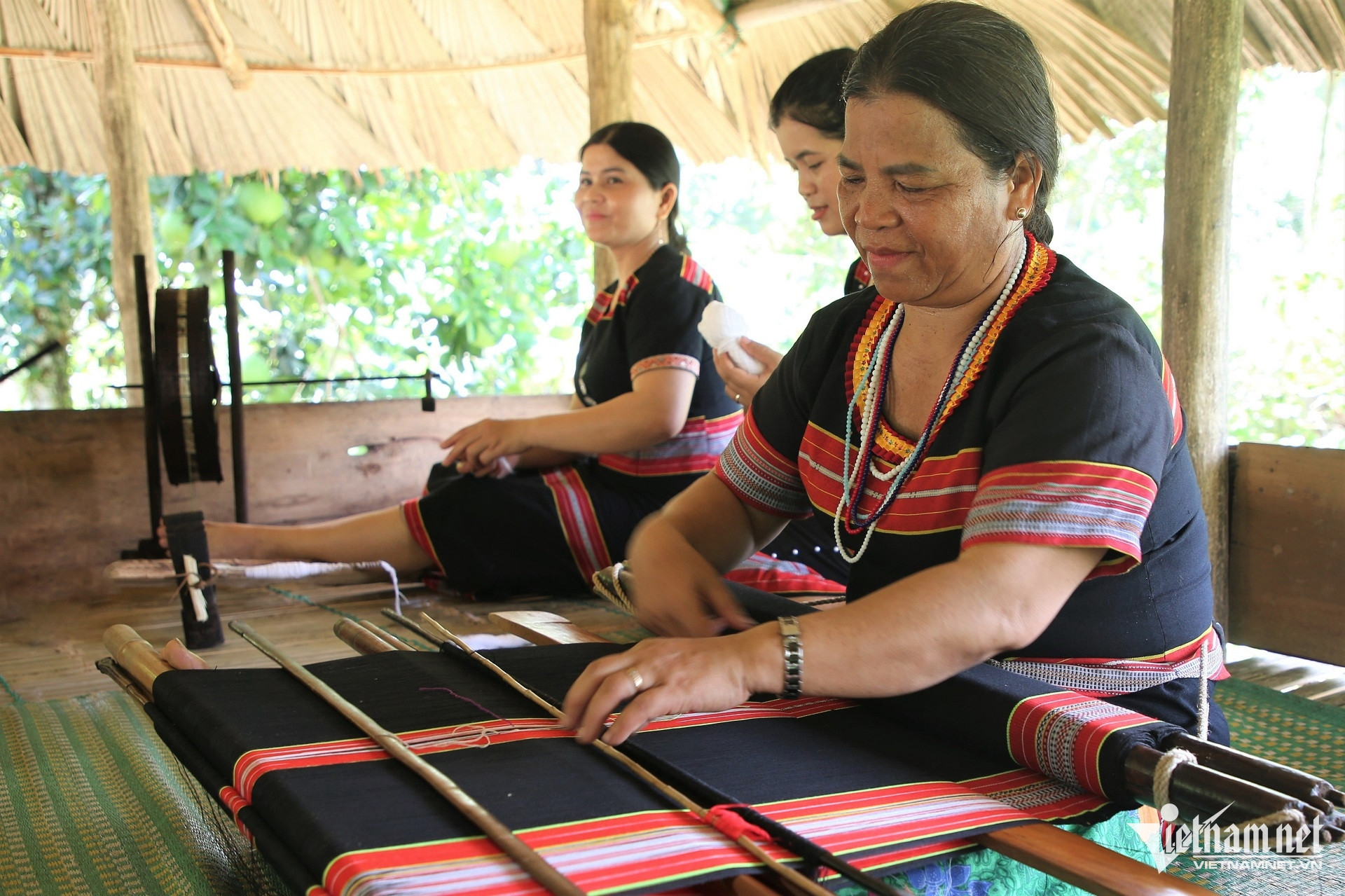
Born into a family with a mother skilled in weaving, Viet began learning the craft at 13. Whenever she was not working in the fields, she would visit the Oong, the Ve people's communal house, where she sat alongside older women learning how to thread yarn, combine colors and create intricate patterns.
By the age of 18, she had mastered many of the techniques involved in weaving traditional garments.
"Every Ve girl must know how to weave brocade," Viet recalled being told by her elders, words that have stayed with her throughout her decades at the loom.
What troubles her now is that fewer young women know how to weave. Besides offering free lessons to anyone interested, she patiently teaches her children and grandchildren every step of the process, from setting up the threads and threading yarn to combining colors and creating patterns.
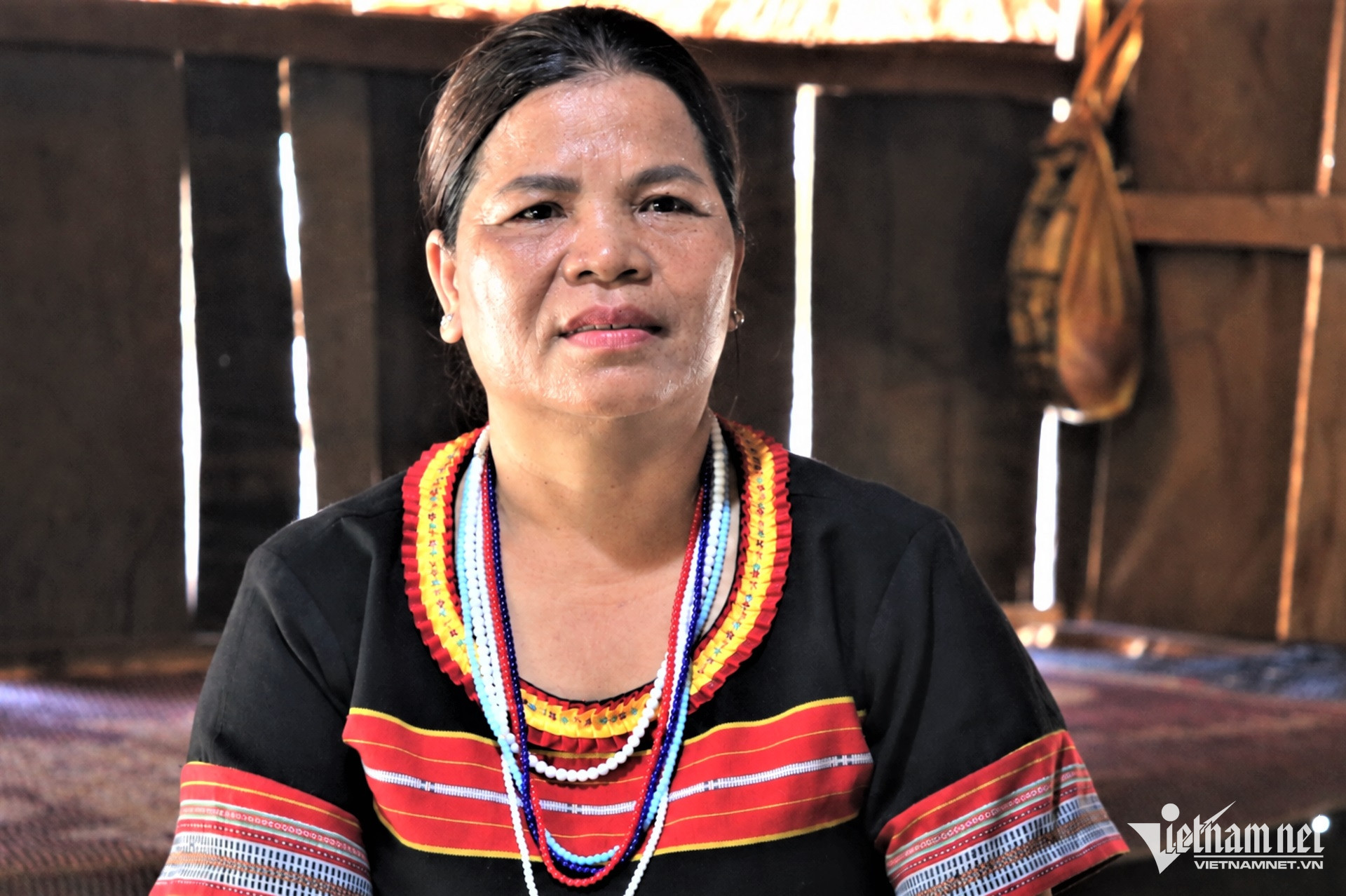
Whenever they have spare time, different generations of her family gather around the loom. The knowledge Viet has accumulated over decades continues to pass from one generation to the next.
She also takes an active part in local cultural performances, teaching young people traditional songs and dances and sharing what she knows about Ve culture.
In Tra Son Village, Phuoc Tra Commune, Ho Thi Ha, 67, has devoted much of her life to preserving the traditions of the Ca Dong ethnic minority.
As a child, she was fascinated by dances performed to the sound of gongs and the colorful traditional garments worn in her village. She sought out older women to learn how to make clothing, beadwork and jewelry, while carefully watching experienced dancers and memorizing their steps and movements.
Beyond dancing and playing gongs, Ha can sew traditional Ca Dong garments, make bracelets, weave carrying baskets and craft various household items. She also makes costumes for members of the village's dance and gong performance groups.
"We can introduce new ideas, but we must never lose the identity of the Ca Dong people," she said.
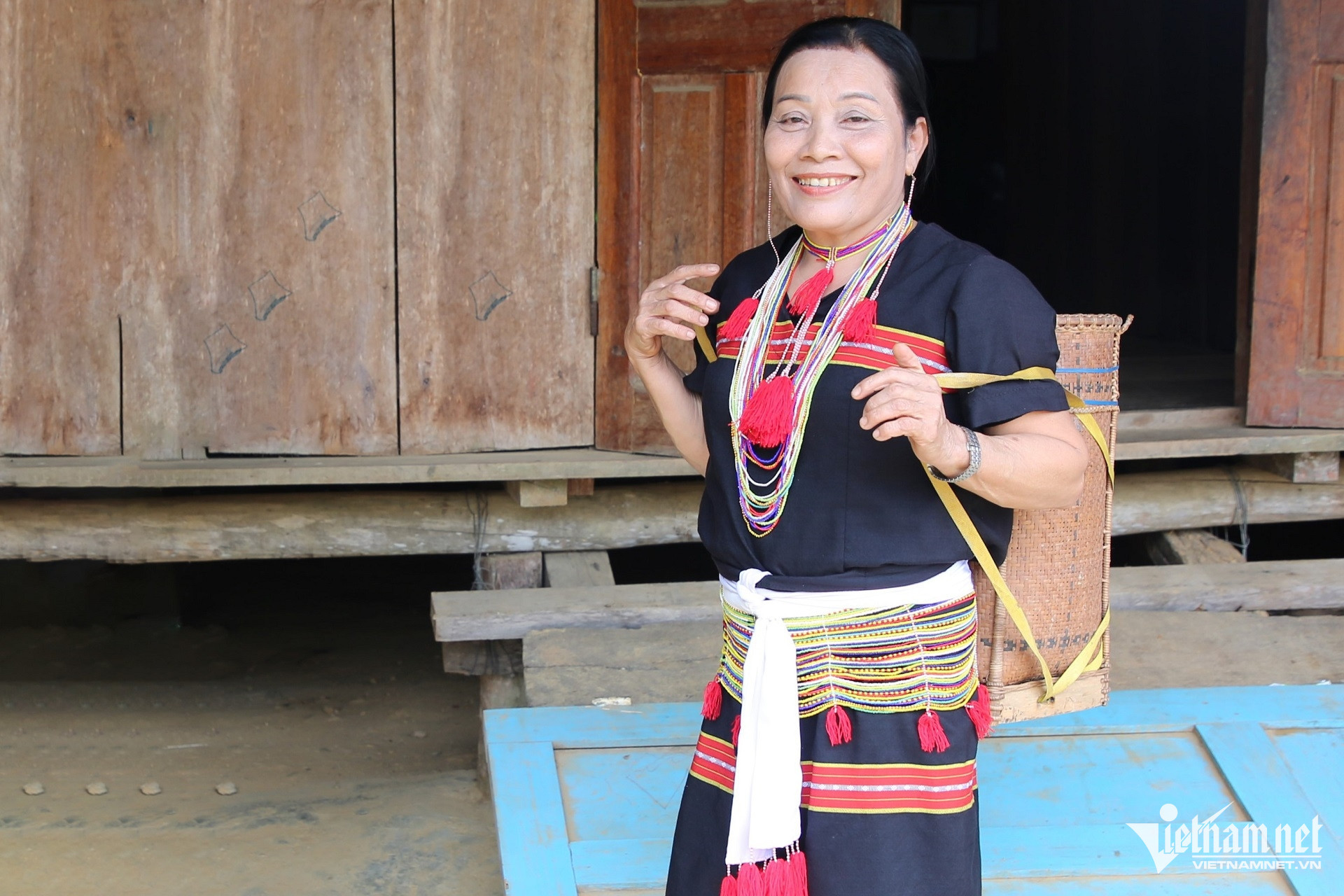
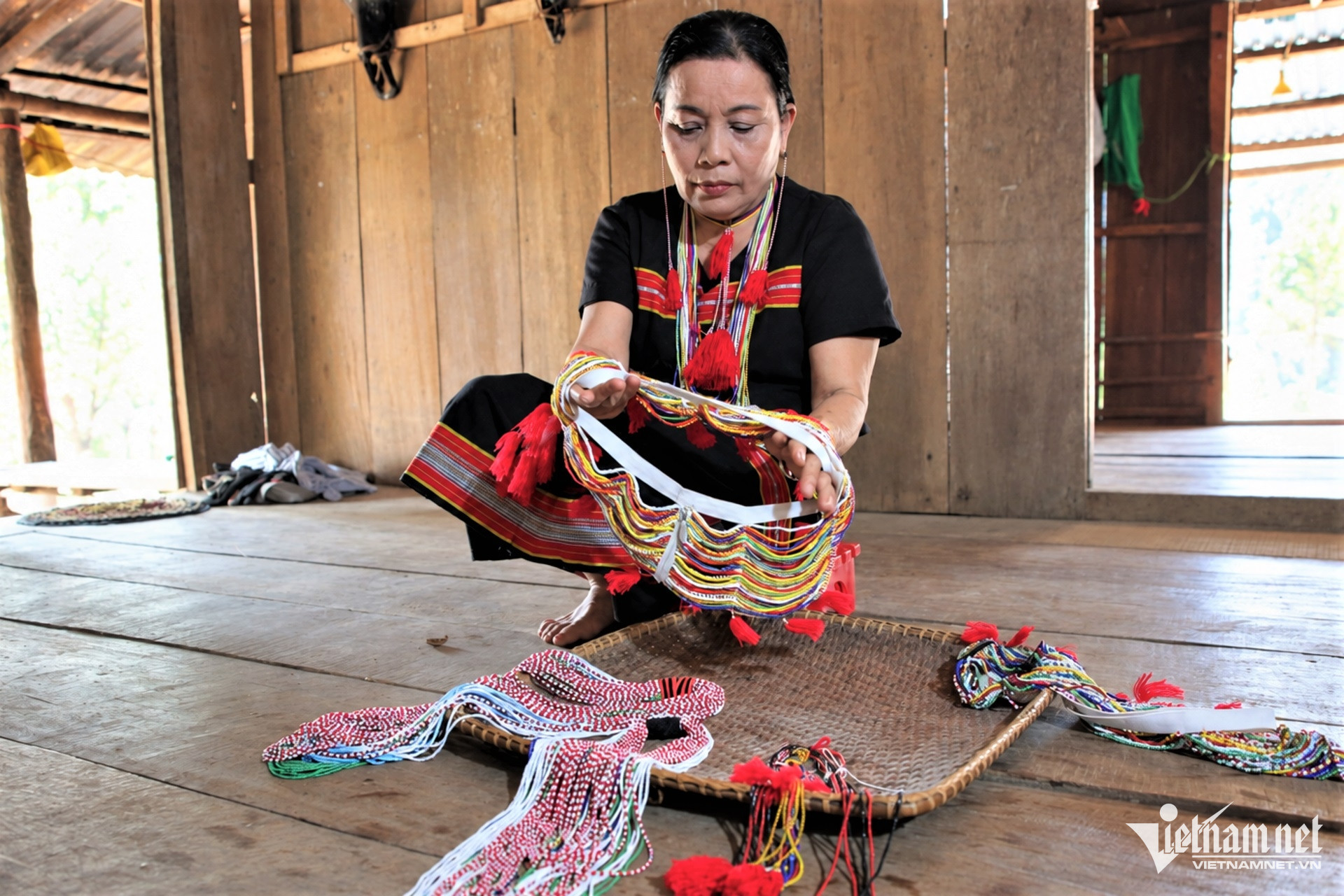
As fewer villagers learned traditional dances and gong playing, Ha became increasingly determined to pass these skills on.
In 1999, she helped establish the Tra Va Gong Ensemble, joining other dedicated villagers in teaching traditional dances, songs and gong performances to younger generations.
She also shows younger women how to make beadwork, jewelry and traditional clothing. During festivals, she teaches her children and grandchildren to prepare bamboo-tube rice, traditional snail-shaped cakes, grilled meat and rice wine served from communal jars.
Her knowledge is passed on through shared activities and patient, hands-on instruction.
As a respected figure in her community, Ha also encourages villagers to move away from outdated customs, improve their livelihoods, send their children to school and maintain solidarity within the village.
Bringing mountain communities together
In Phuoc Cong 1 Village, Phuoc Chanh Commune, Le Thi Hong Nhien, 58, has spent years preserving the cultural heritage of the Gie Trieng ethnic minority while helping bring her community closer together.
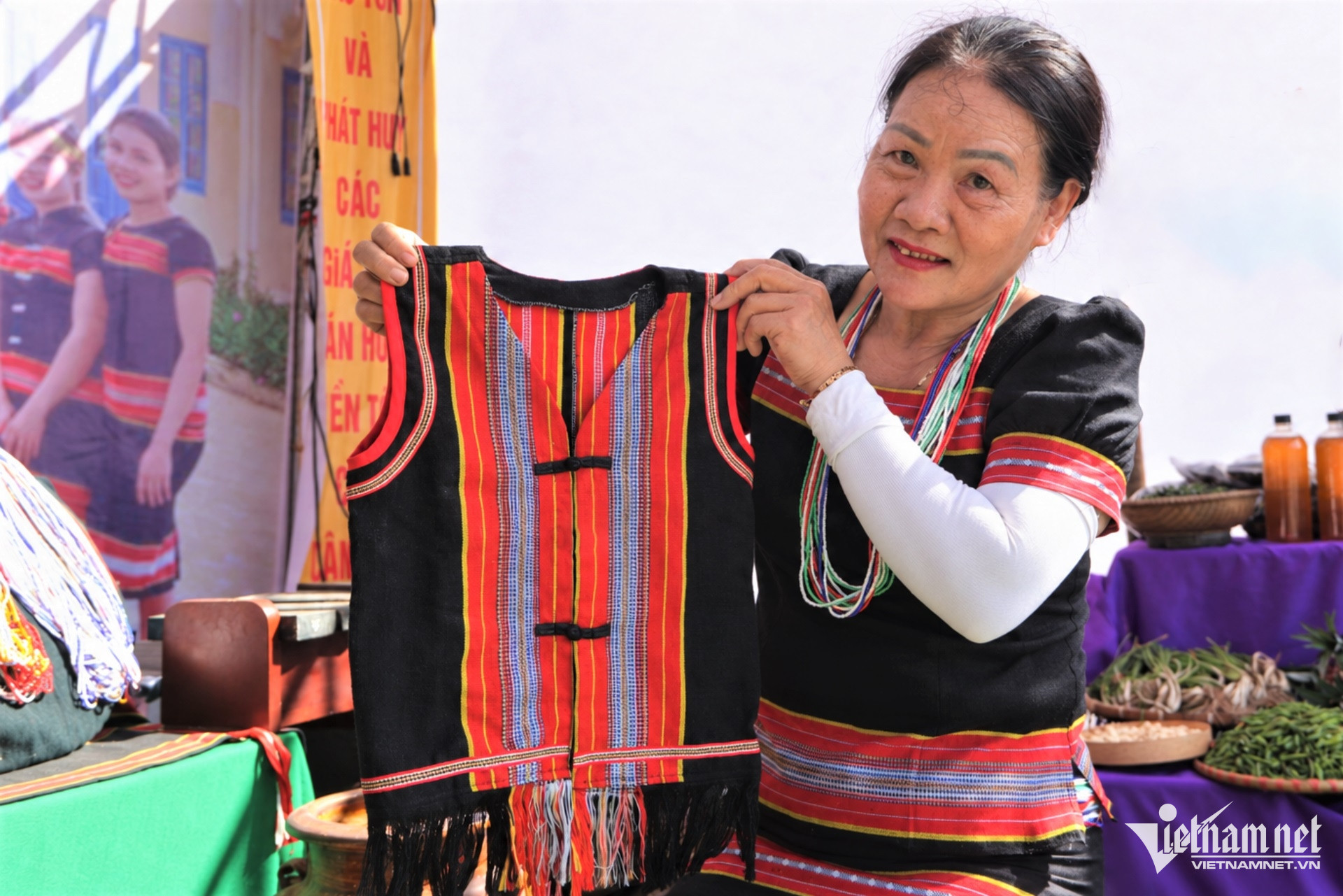
During village festivals, she can be seen playing gongs or performing traditional xoang dances. At other moments, she stands beside young women, patiently correcting their movements, or works with villagers to prepare traditional products, household items and local dishes for visitors.
Over the years, Nhien has encouraged local families to improve agricultural production and build more stable livelihoods while continuing to preserve Gie Trieng festivals, folk songs and traditional handicrafts.
In 2019, as a respected community representative, she helped initiate the establishment of a Gie Trieng Folk Performance Group and Gong Ensemble. She also contributed to developing and staging performances for cultural competitions and festivals.
Alongside xoang dancing and gong playing, she has learned to play traditional stone instruments and weave brocade textiles, while encouraging young villagers to acquire traditional cultural skills.
In April 2026, Nhien was among three outstanding representatives from Da Nang selected to attend a national conference in Hanoi honoring village elders, community leaders, artisans and respected local figures.
At the event, she met and received a gift from To Lam, General Secretary of the Communist Party of Vietnam and President of Vietnam.
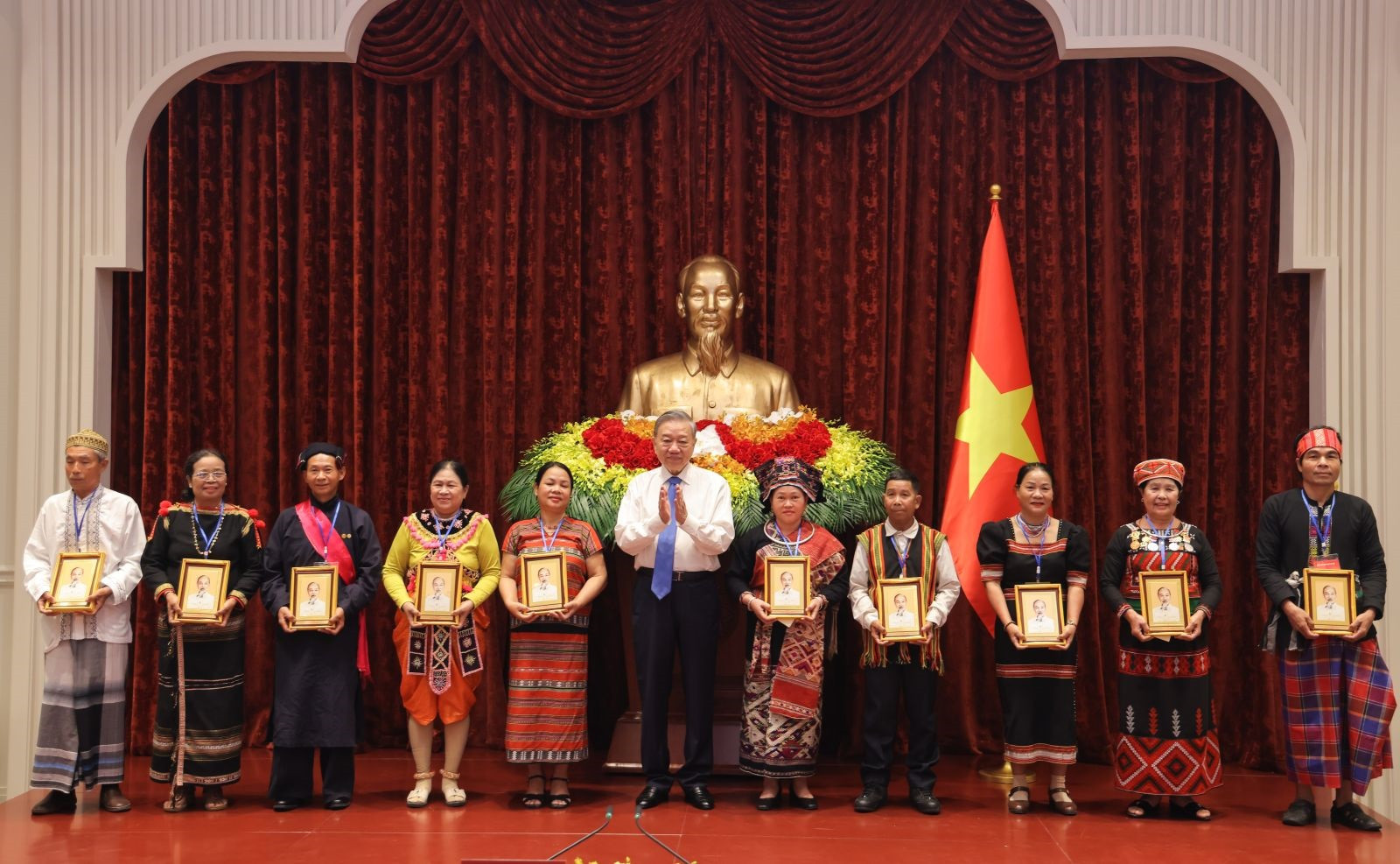
After returning to Phuoc Chanh, Nhien resumed her community work, accompanying village elders on visits to local households to discuss common concerns and encourage participation in village activities.
She also helps mediate disputes and urges younger generations to preserve their cultural heritage while pursuing opportunities to improve their economic prospects.
"When people place their trust in you, you have to take the lead in village and commune activities," Nhien said.
As life in the highlands continues to change, the sound of gongs still echoes through the villages, while weaving skills and traditional dances continue to be passed from one generation to another.
In the mountains of western Da Nang, women like Viet, Ha and Nhien are quietly ensuring that the cultural traditions of their communities remain alive.
Ha Nam

