 Vietnamnet.vn

 Podcast



Selling the family home to invest in bamboo rats and civets
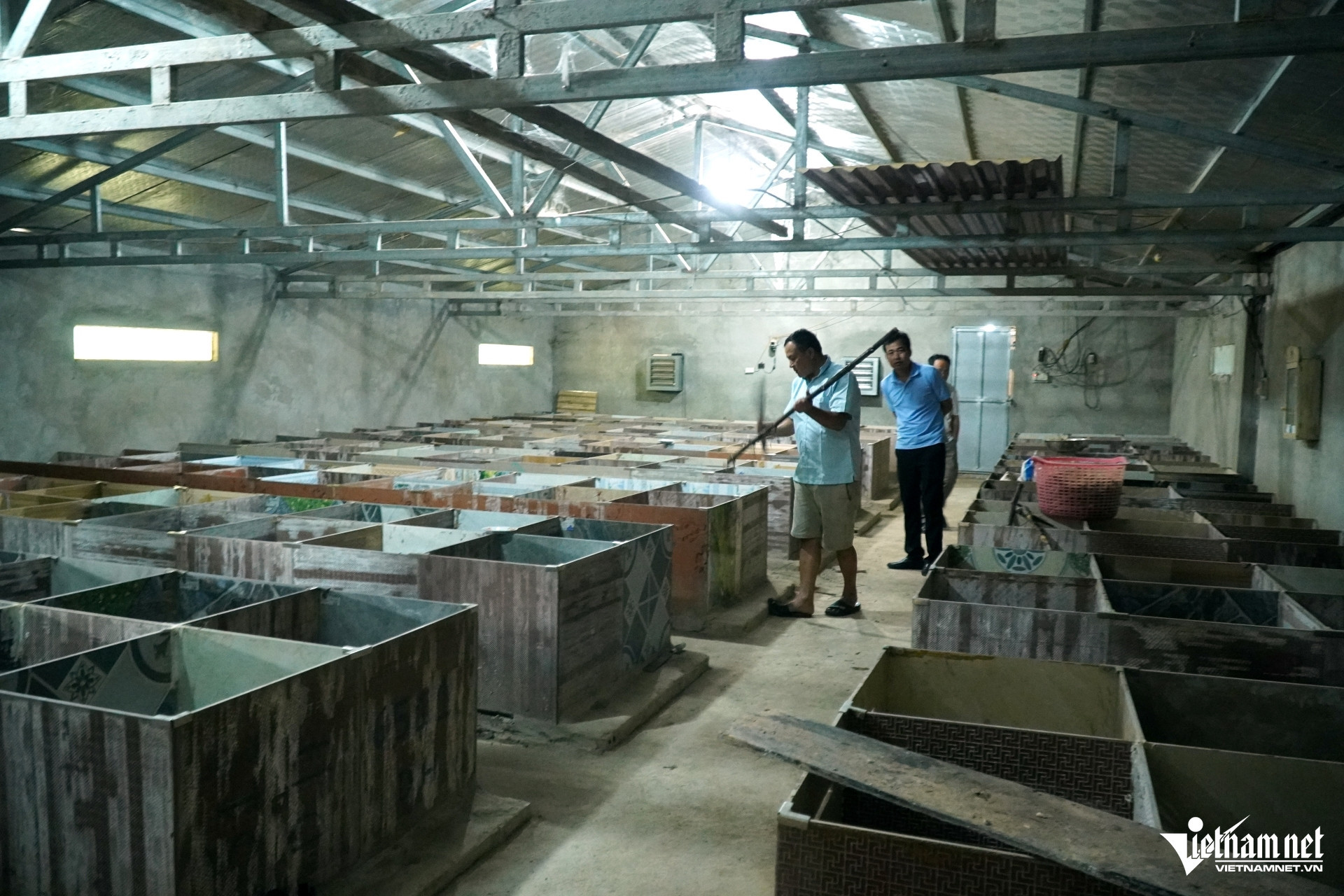
On a plot of nearly 500 square meters in Xang Hang village, Yen Khuong Commune, rows of animal enclosures stand neatly divided into numbered compartments, making it easier for Ngan Van Yeu, born in 1980, to monitor his growing population of bamboo rats and civets.
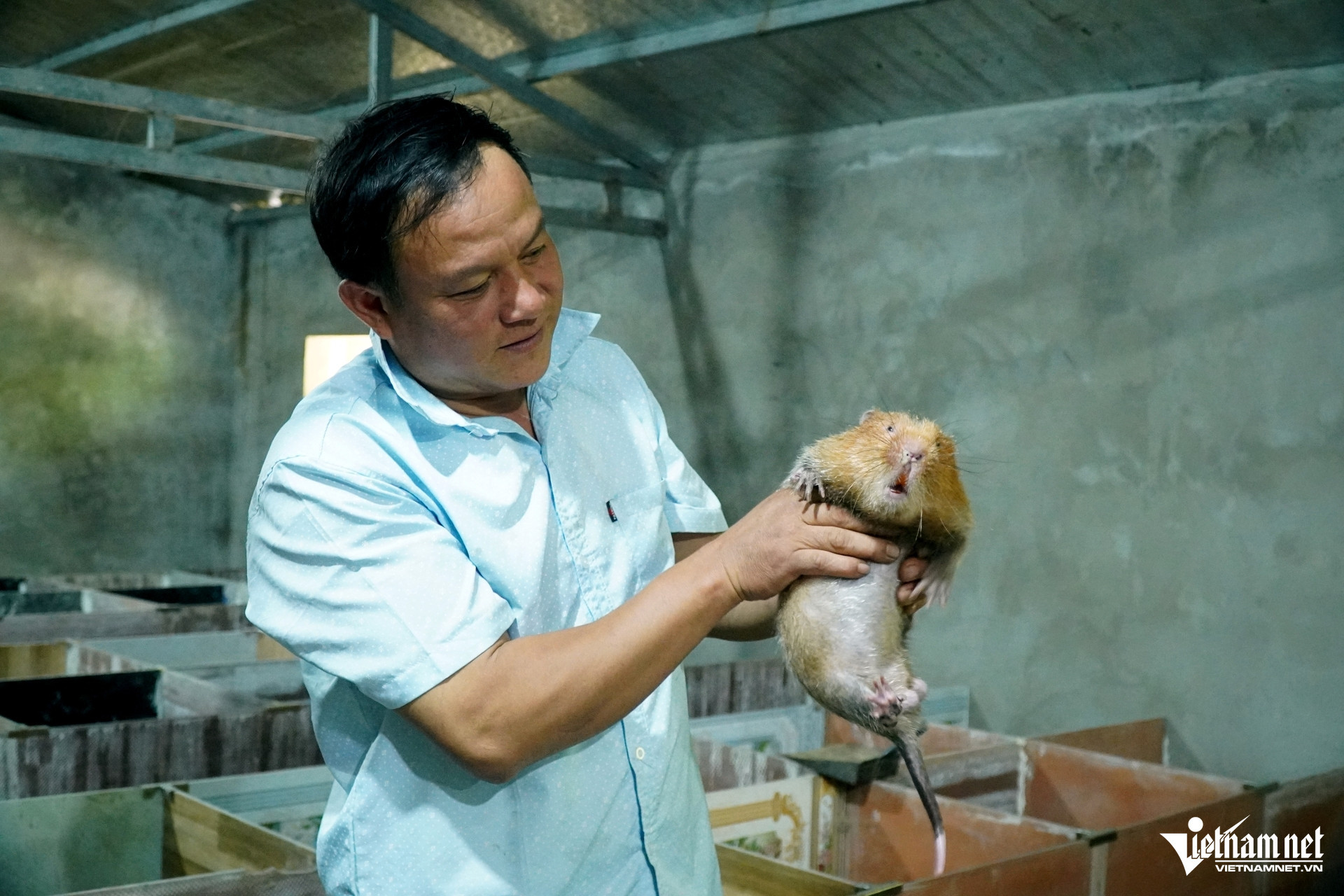
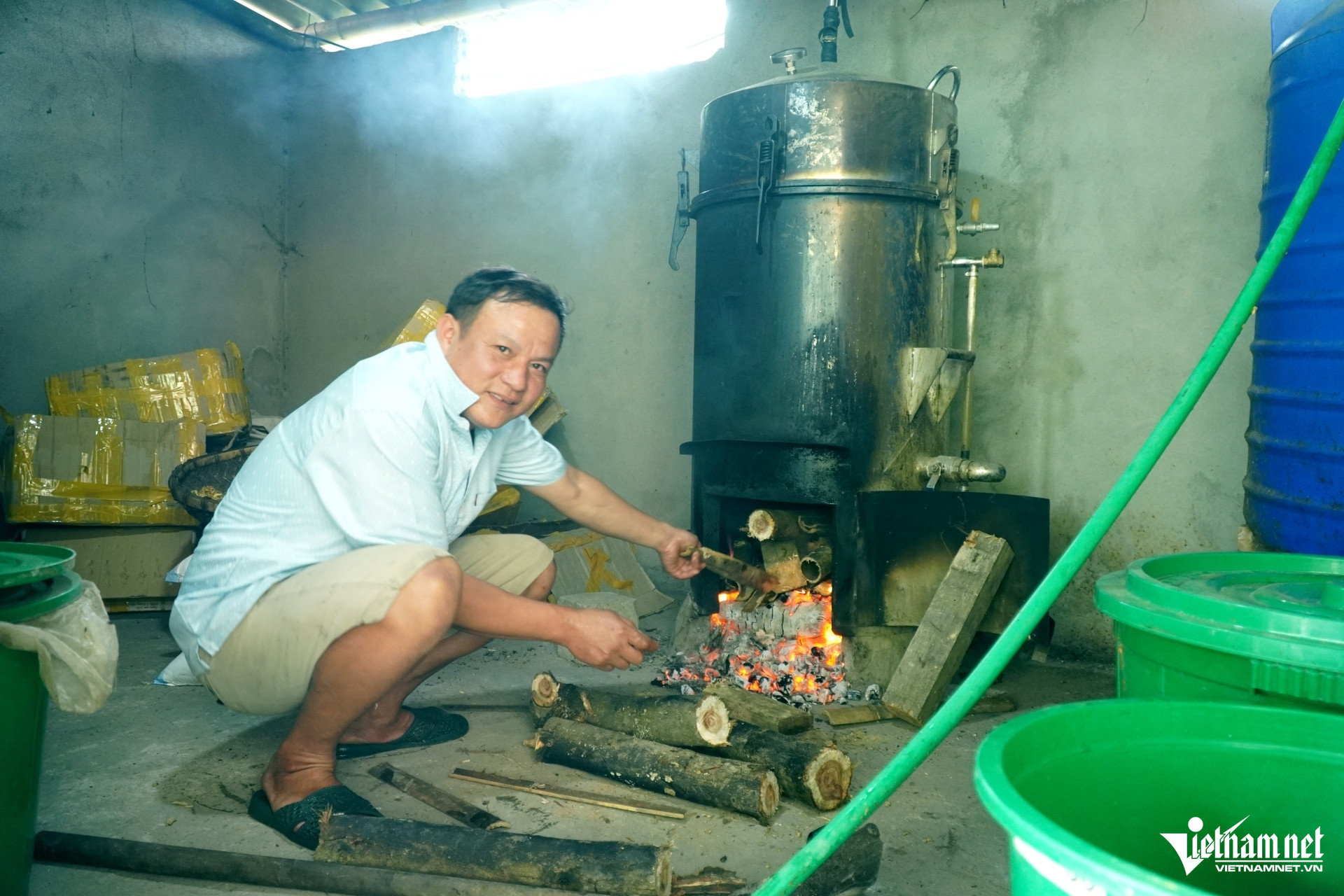
At the far end of the property are a pigsty and an area used for distilling traditional rice liquor. Yeu and his wife handle everything themselves, from feeding the animals and cleaning the enclosures to monitoring their health.
Few visitors would imagine that building this livestock operation required the family to make a difficult decision: selling the traditional stilt house they had been living in.
Yeu said his family's income previously came mainly from collecting bamboo shoots in the forest and raising a small number of farm animals. They rarely had much money left over.
In late 2023, after researching farming models online, he realized that bamboo rats and civets might be suitable for the local climate and available food sources. He decided to give the idea a try.
"At first, I was simply interested and wanted to do it. But after thinking it through, I realized the breeding animals were expensive, building the enclosures would cost a lot, and we didn't have the money," Yeu recalled.
"I took a gamble and suggested to my wife that we sell our stilt house to finance the investment. She was against it at first because she feared that if the farm failed, the whole family could end up starving."
Seeing her husband's determination, his wife eventually agreed.
The family sold their stilt house for more than $27,000. With the money in hand, Yeu decided to build a relatively large-scale farming facility for bamboo rats and civets.
"Initially, I bought 15 breeding pairs of bamboo rats at around $27 per pair and five breeding pairs of civets at approximately $1,040 per pair. Including the animal housing, infrastructure, cages and other facilities, the total investment exceeded $19,000," he said.
Without previous experience raising these animals, Yeu struggled during his first breeding cycle.
Some bamboo rats failed to adapt to their new environment, became ill and died, costing the family three breeding pairs.
Rather than giving up, he visited other farms to learn from experienced breeders.
In the evenings, he watched online videos, read farming guides and experimented with ways to improve the enclosures and care for the animals.
"Most of what I learned came from researching things online. Every farm has its own methods, so I looked at different approaches and adopted whatever seemed most suitable for our local conditions," he said.
After nearly three years, the family's livestock population has grown to more than 70 bamboo rats and nearly 30 civets.
They also continue to raise around 40 pigs, along with chickens and ducks, to generate additional income.
A new livelihood option for a community with limited farmland
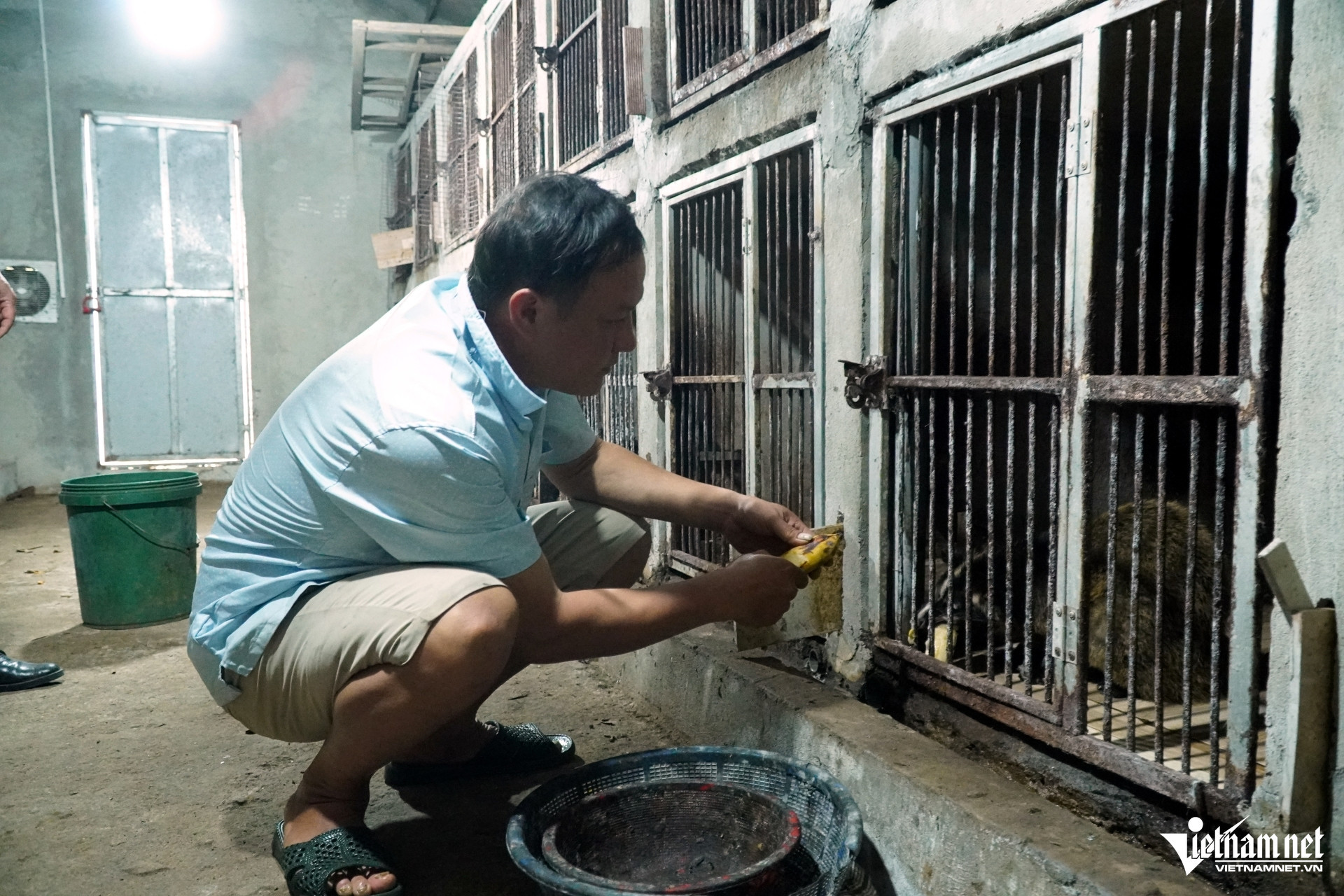
According to Yeu, civets are not particularly difficult to raise, but their enclosures must be kept clean and well ventilated.
To reduce risks, he has installed a backup battery system to keep ventilation fans operating during power outages.
Much of the feed for the animals comes from locally available sources, allowing the family to control some of its operating costs.
The household also combines pig farming with traditional liquor production, using the leftover distilling grains as animal feed.
Together, pig farming and liquor production generate approximately $3,850 in annual revenue for the family.
Meanwhile, bamboo rats and civets have begun providing additional income through the sale of breeding stock and animals raised for commercial purposes.
Demand for breeding animals has been encouraging, with buyers coming forward as new litters become available.
"Some households initially buy just one breeding pair to see how it goes. Once they find that the animals are suitable for their conditions, they return to buy more and expand their herds," Yeu said. "Although I haven't recovered all the money I invested, I believe this approach still has considerable potential."
Yeu acknowledged that it was too early to describe the venture as a complete success. Nevertheless, he is willing to share what he has learned with others interested in raising bamboo rats and civets.
Having started as one of the first local farmers to pursue the model, he has since inspired three other households in Yen Khuong to visit his farm, learn the techniques and begin building their own breeding operations.
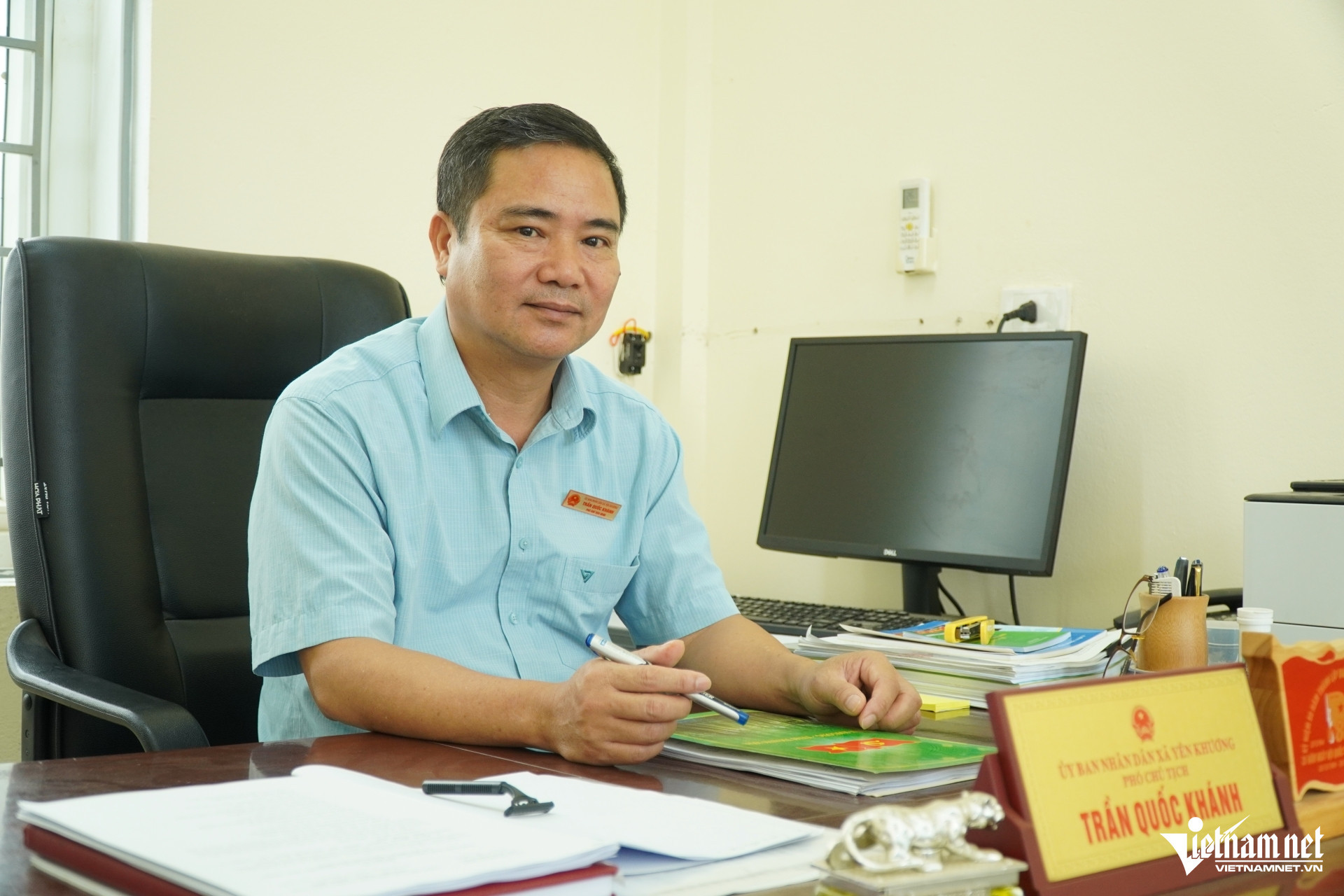
Tran Quoc Khanh, Vice Chairman of the Yen Khuong Commune People's Committee, said the locality has limited land available for agricultural production, with most of its territory classified as forestry land.
This is one reason residents face difficulties expanding crop cultivation compared with farmers in many other areas.
"Finding livelihood models that suit local conditions is therefore an important priority," Khanh said.
According to the official, Yeu's farming operation has shown encouraging initial results and could offer another livelihood option for people living in the border area.
However, local authorities do not encourage residents to rush into similar ventures simply because the model appears promising.
"The commune People's Committee is working with forest rangers to guide residents on complying with regulations governing wildlife farming," Khanh said. "We are also raising awareness so that people choose appropriate species, ensure their breeding animals come from legitimate sources and follow proper farming procedures."
He emphasized that any expansion of the model should be gradual, prioritizing households with suitable animal housing, reliable feed supplies and sufficient financial resources to invest.
Le Duong
.svg)
