 Vietnamnet.vn

 Podcast



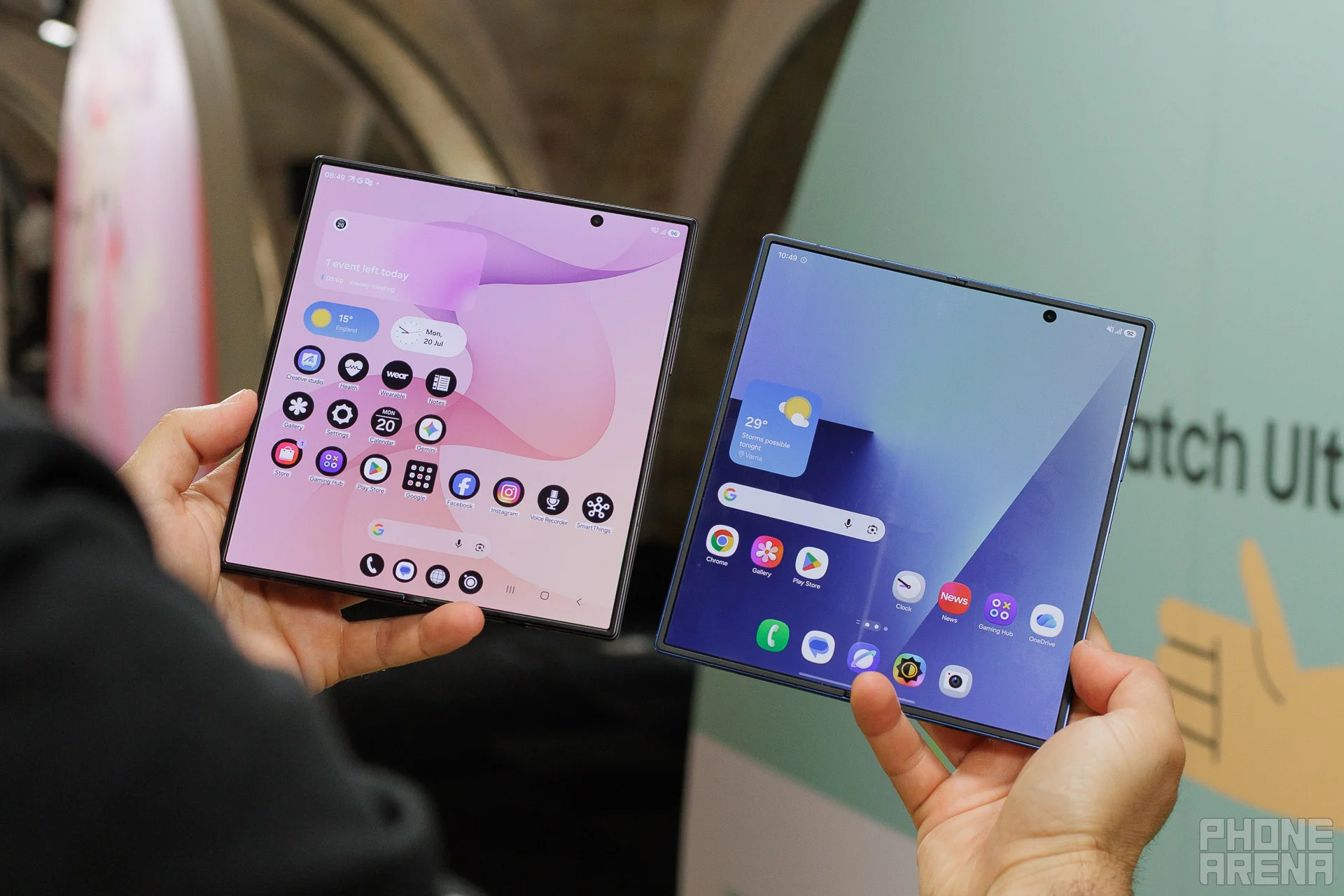
After seven years of steadily pursuing foldable phones, Samsung now has its most complete lineup yet. The newly launched Galaxy Z Flip 8, Galaxy Z Fold 8 and, in particular, the Galaxy Z Fold 8 Ultra have received widespread praise from international tech reviewers. Thinner and lighter designs, better displays, improved battery life and a host of practical refinements have brought these devices remarkably close to the experience of using a conventional smartphone.
Despite these major technological advances, however, foldable phones have yet to become truly mainstream. According to a number of tech experts and content creators, the biggest obstacle is no longer durability or the user experience. It is simply the price.
Samsung delivers its best foldable generation yet
At a product launch event in London, Samsung introduced three new foldable models: the Galaxy Z Flip 8, the Galaxy Z Fold 8 with a wider cover display, and the Galaxy Z Fold 8 Ultra, its most premium model and the thinnest device in the history of the Galaxy Fold series.
After getting hands-on experience with the devices, a number of technology experts reached a similar conclusion: Samsung appears to have listened to nearly all the feedback users have offered over the years and turned it into meaningful improvements in its latest generation.
Miles Franklin, who runs the Miles Above Tech YouTube channel, believes Samsung has addressed most of the issues that left users dissatisfied with the previous seven generations of its foldable phones.
According to Franklin, the company has significantly improved battery life, increased charging speeds and display brightness, added a more effective anti-reflective coating and, notably, made the crease in the foldable screen far less noticeable.
These changes may seem relatively minor on their own, but they have a direct impact on everyday use, making foldable phones more practical rather than simply devices designed to showcase new technology.
Productivity and entertainment remain major advantages
One of the qualities most highly regarded by experts is the ability of foldable phones to boost productivity.
Michael Fisher, founder of the MrMobile YouTube channel, believes foldables have long held a clear advantage over conventional smartphones for a range of tasks.
Browsing the web, reading PDF documents attached to emails or enjoying e-books all become considerably more convenient thanks to a larger display that can be unfolded whenever needed, he said. These are benefits that conventional slab-style smartphones struggle to match.
The larger screen is not only useful for work. It also makes watching movies, gaming and multitasking more engaging. Users can run multiple apps simultaneously without the cramped feeling often associated with conventional smartphone displays.
Beyond technical specifications, many content creators also highlight another factor that is difficult to quantify but remains important: foldable phones are simply fun to use.
Titiana, a technology content creator from Warsaw, said what she loves about the Galaxy Z Fold and Galaxy Z Flip goes beyond their features. Their appeal also lies in how different they feel.
In her view, foldable phones offer a fresh experience and stand out in a market crowded with smartphones that increasingly look alike. They appeal to consumers who want something distinctive rather than focusing solely on specifications.
That sense of novelty has helped foldable phones maintain their own appeal, particularly among technology enthusiasts eager to experience the latest trends.
Price remains the biggest bottleneck
Despite their high praise for Samsung’s latest foldables, almost all the experts point to the same problem: price.
Paul Jones, who runs Android Authority’s YouTube channel, believes foldable phones are still not accessible enough to reach a mass audience.
Their high prices mean that even customers who are attracted to the devices may hesitate or ultimately choose more affordable conventional smartphones instead, he said.
Michael Fisher shares that view, noting that foldable phone prices have barely fallen over the past six or seven years.
While conventional smartphones have become increasingly diverse across price segments, from mid-range devices to premium flagships, foldables remain concentrated at the most expensive end of the market.
Samsung’s latest foldable phones currently start at around US$1,200, while premium models such as the Galaxy Z Fold 8 Ultra can cost more than US$2,000. That is a significant expense for most consumers, particularly at a time when the global economy continues to face considerable uncertainty.
Apple could give the entire market a major boost
One development many experts expect could reshape the market is Apple’s entry into foldable phones.
According to multiple industry sources, Apple is expected to unveil its first foldable iPhone later this year. If that happens, the foldable phone market could enter an entirely new stage of development.
Michael Fisher believes that whenever Apple enters a new product category, the entire market immediately turns its attention to it.
That could not only increase consumer interest in foldable phones but also intensify competitive pressure on Android manufacturers, encouraging further technological innovation and potentially bringing prices down in the years ahead.
Eric Zeman, an editor at PCMag, even joked that once Apple releases a foldable phone, some people may feel as though the company has just “invented” the category for the first time, despite Samsung having pursued foldable display technology for years.
Hai Phong
.svg)
