 Vietnamnet.vn

 Podcast



In Ja village, Lien Son Lak Commune in Dak Lak Province, artisan Y Bap Nhom still remembers every step involved in making the traditional fermentation starter used for the Mnong people’s ruou can, a communal rice wine drunk through long bamboo straws.
The ingredients used to make the wine itself are relatively familiar, he said, including glutinous rice, ordinary rice and other grains. But the key to its distinctive flavor lies in the fermentation starter.
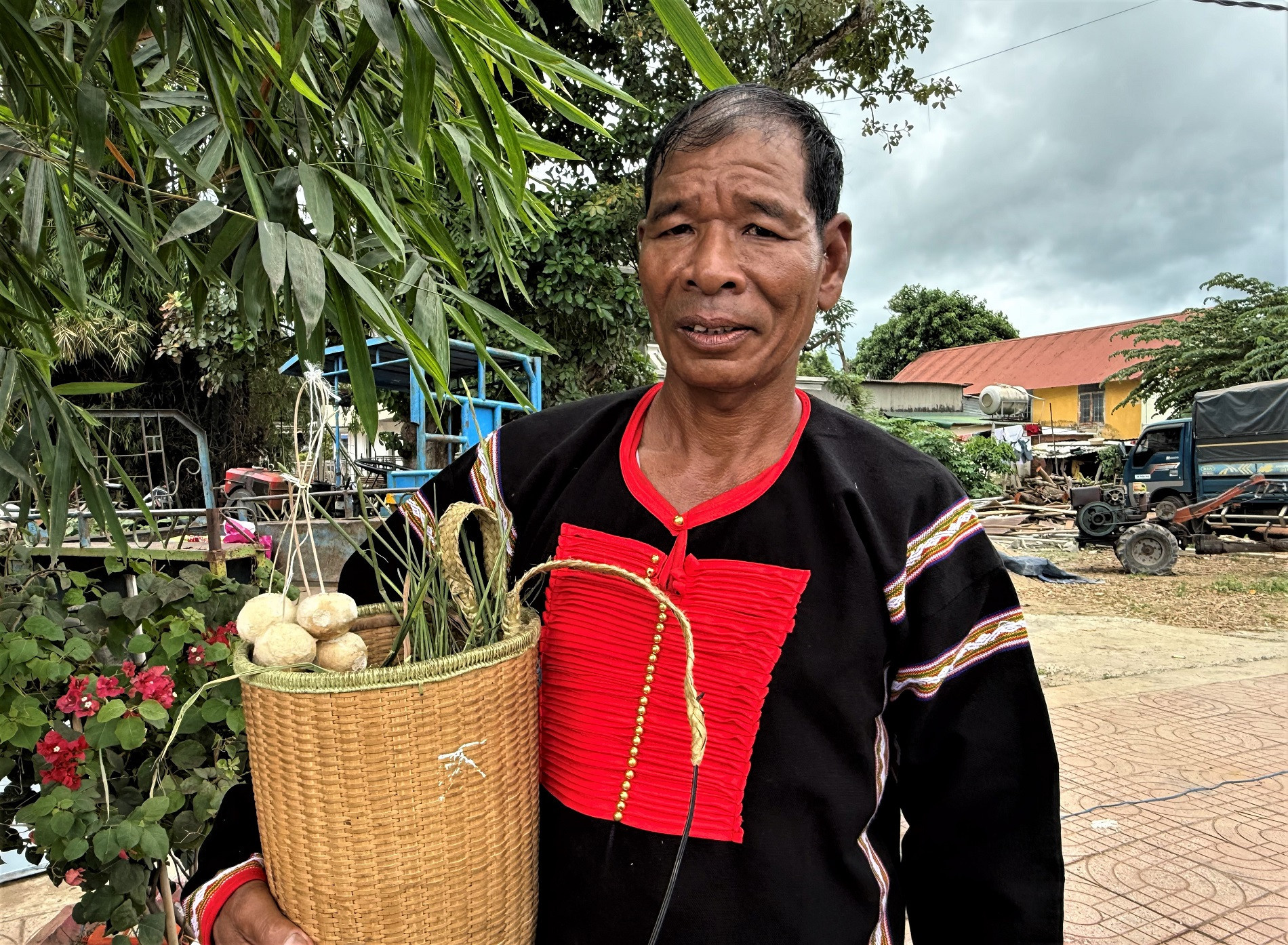
Following knowledge passed down through generations, Mnong people venture into the forest to gather particular leaves and roots. These are combined with dried galangal, pounded into small pieces and mixed with rice flour and rice husks.
The mixture is kneaded into small starter cakes, which are then placed above the household fire to dry.
“A good starter cake must be light and porous. If just one step in making the starter is not done properly, the quality of the entire jar of wine will change,” Y Bap Nhom said.
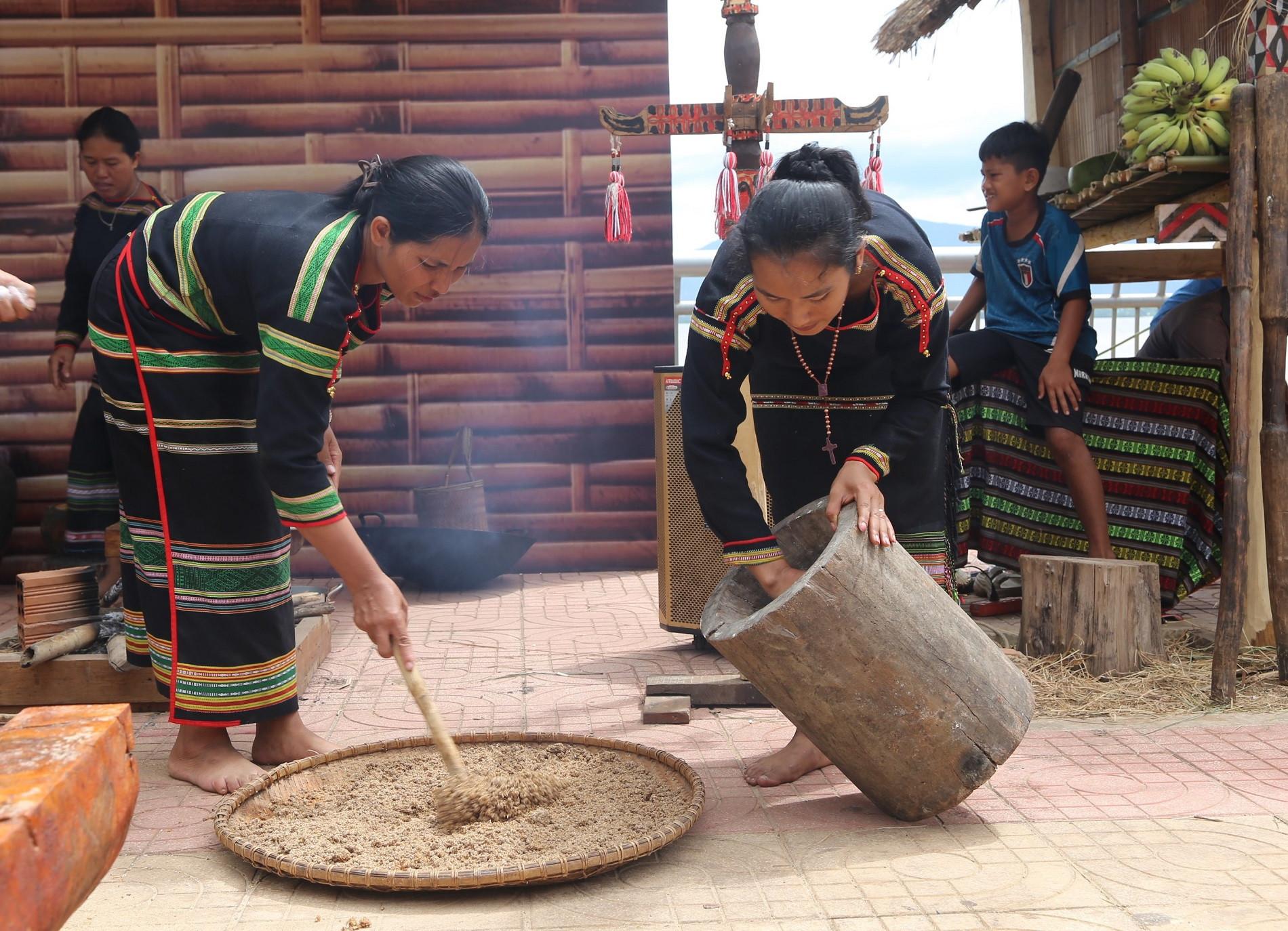
Once the starter is ready, rice is roasted and pounded, then cooked and allowed to cool. The starter is crushed into a fine powder and mixed thoroughly with the cooked rice before the mixture is placed inside an earthenware jar. The mouth is sealed, allowing natural fermentation to begin.
After more than a month, the fermented rice is ready to drink. Mnong experience holds, however, that the longer the wine is left to mature, the more fragrant it becomes, with greater sweetness and intensity.
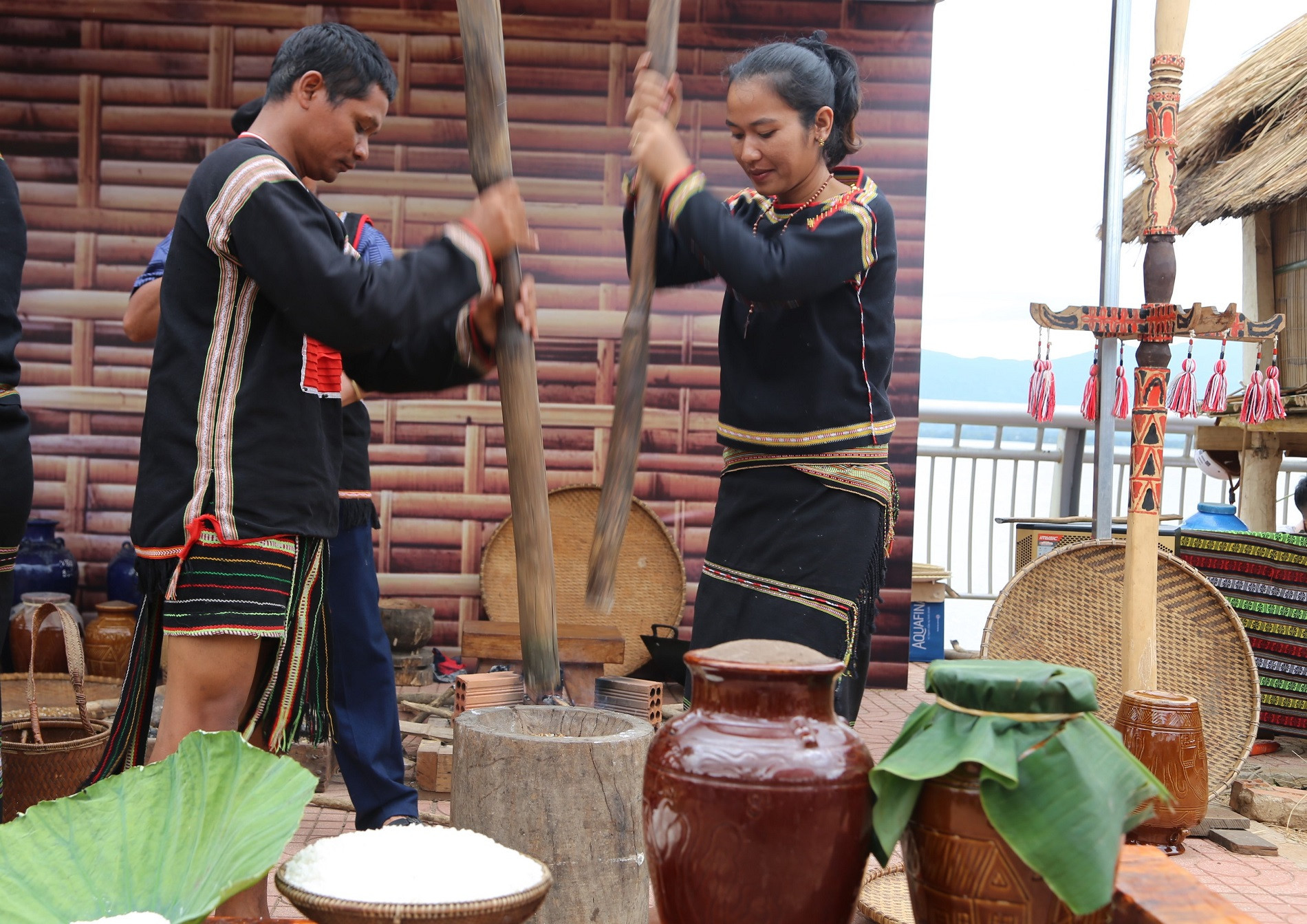
The process relies largely on experience. From choosing forest plants and balancing ingredients to determining fermentation time, each family has its own techniques passed from one generation to the next.
A jar of ruou can, therefore, contains far more than rice and fermentation starter. It embodies knowledge of the natural environment, an intuitive understanding of ingredients and the cultural knowledge of the community.
To drink it, spring water or cooled boiled water is poured into the jar. Long bamboo straws are inserted, and people take turns drinking. The wine initially tastes light and gently sweet, with the aroma and character of its forest-derived starter becoming increasingly noticeable.
A jar that brings the community together
For the Mnong, ruou can is more than a drink. It is a symbol of hospitality, solidarity and communal life.
Artisan H Ler H’mok from Jun village in Lien Son Lak Commune said the wine is regarded as something precious, reflecting both the care taken by the host and the honor of the household. Drinking it therefore follows its own customs.
Traditionally, a village elder or honored guest drinks first, followed by others according to age and customary order. Men and women share the same jar, talking together, sharing moments of celebration and strengthening their bonds.
At weddings, festivals and important family occasions, jars of ruou can are carefully prepared to welcome guests and allow the village to celebrate together. For many families, particularly good jars of wine can also serve as gifts expressing respect.
For generations, the Mnong have drawn on what their surrounding environment provides to create a drink of their own: grains as its base, forest plants for fermentation and earthenware jars in which it matures. Over time, the process has become part of the community’s Indigenous knowledge.
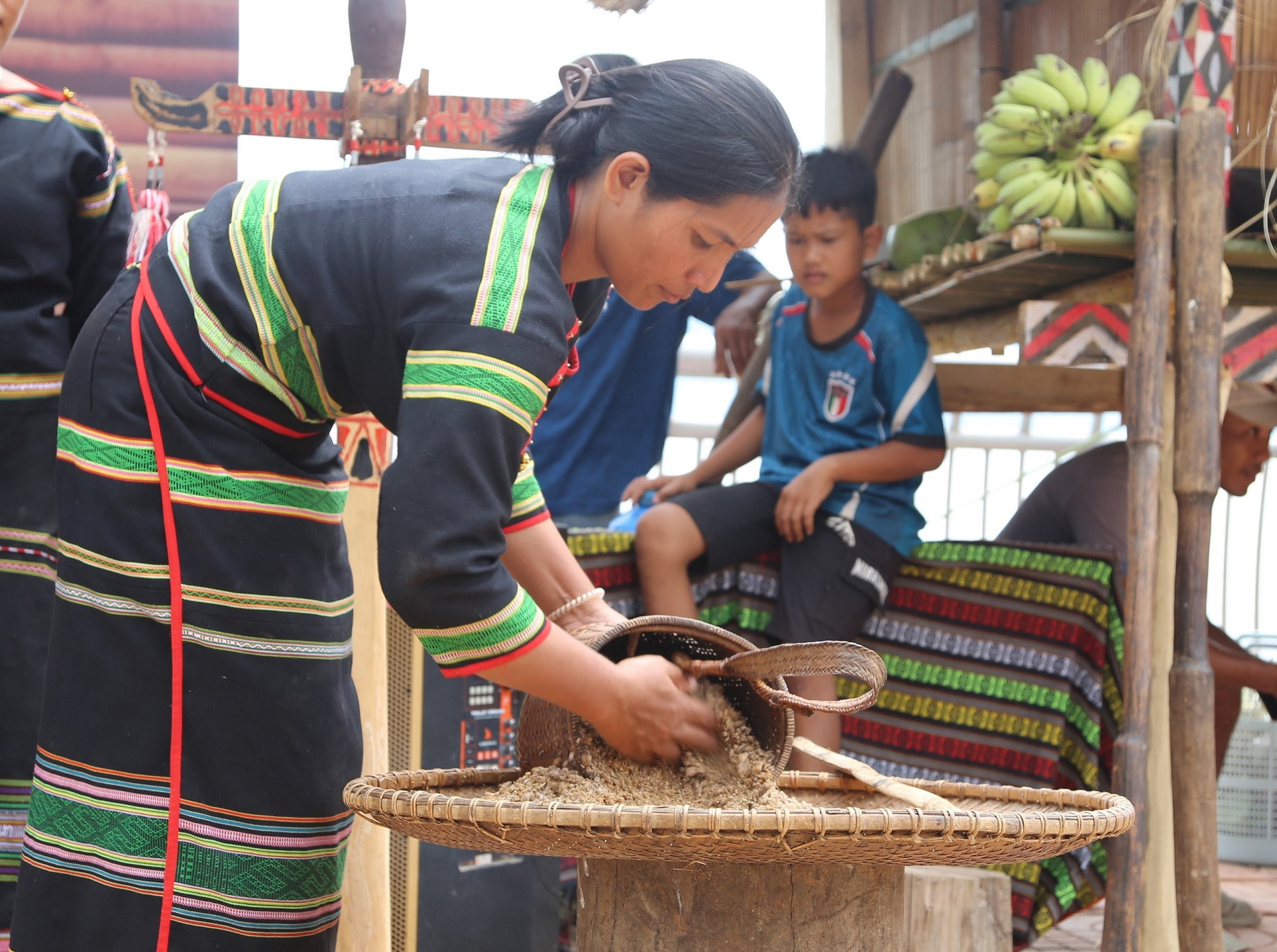
Ruou can also plays an important role in spiritual life. In many traditional ceremonies, the wine is presented as an offering to Yang, reflecting the relationship between people, the natural world and the community’s spiritual beliefs.
Artisans and local residents continue to preserve these traditions and introduce them to others through cultural activities and Mnong rice wine festivals around Lak Lake.
Visitors can not only taste the wine but also learn how the fermentation starter is made, identify its ingredients, hear stories from artisans and experience aspects of local cultural life.
Nguyen Anh Tu, chairman of the Lien Son Lak Commune People’s Committee, said the jars brought by residents to festivals are not simply products put on display. They represent accumulated experience, craftsmanship and techniques handed down through generations.
“It is a way to bring traditional culture closer to visitors, shifting from simply watching culture to actually experiencing it,” Tu said.
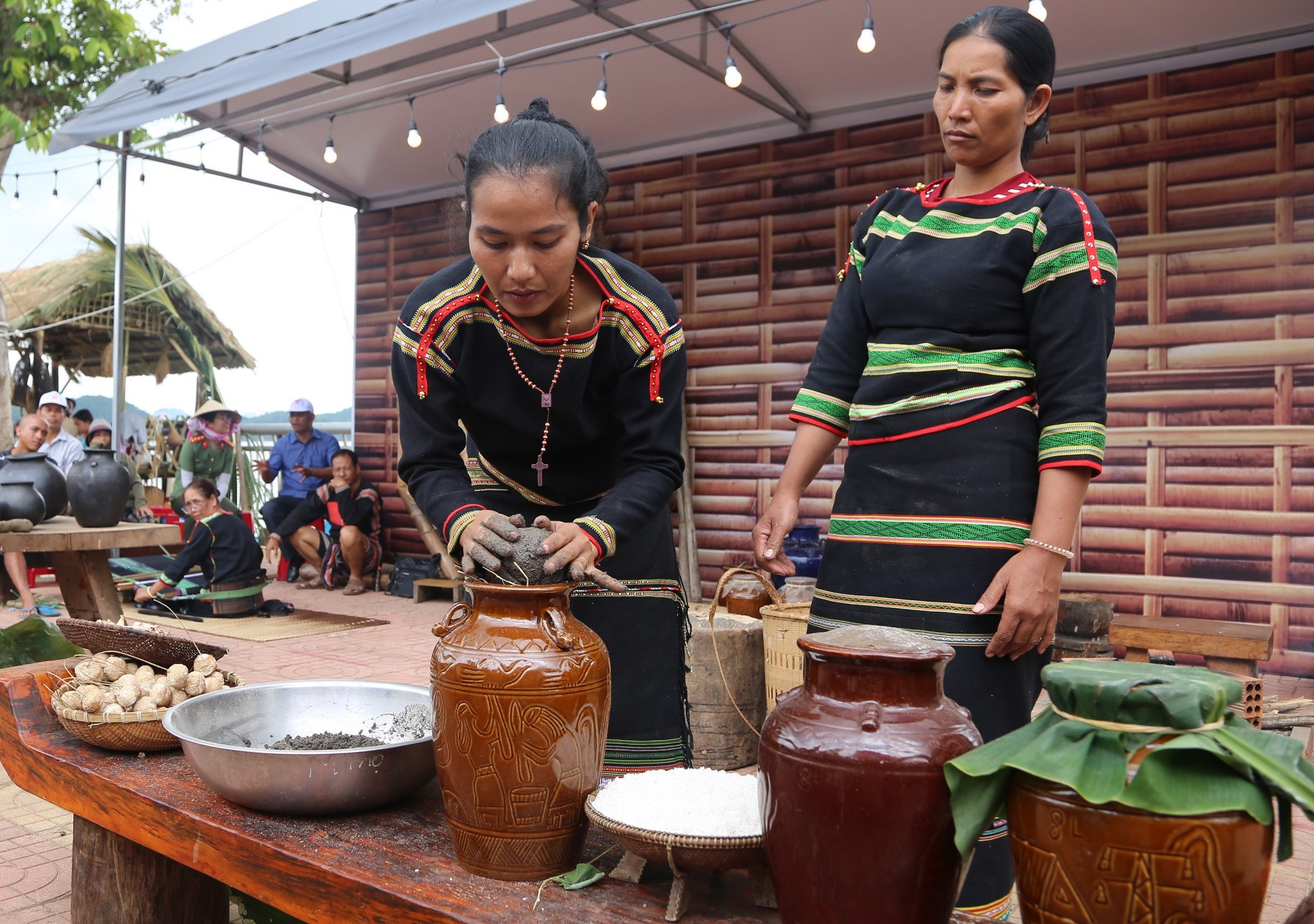
These traditions could also make ruou can part of a broader community-based tourism offering. Visitors would take home not simply a product, but the story of a culture deeply connected to the forests and mountains.
For every jar of Mnong ruou can preserves not only the flavor of the highland forest, but also the memories and identity of a community living beside Lak Lake.
Le Huong
.svg)
