 Vietnamnet.vn

 Podcast



Hoai Thanh
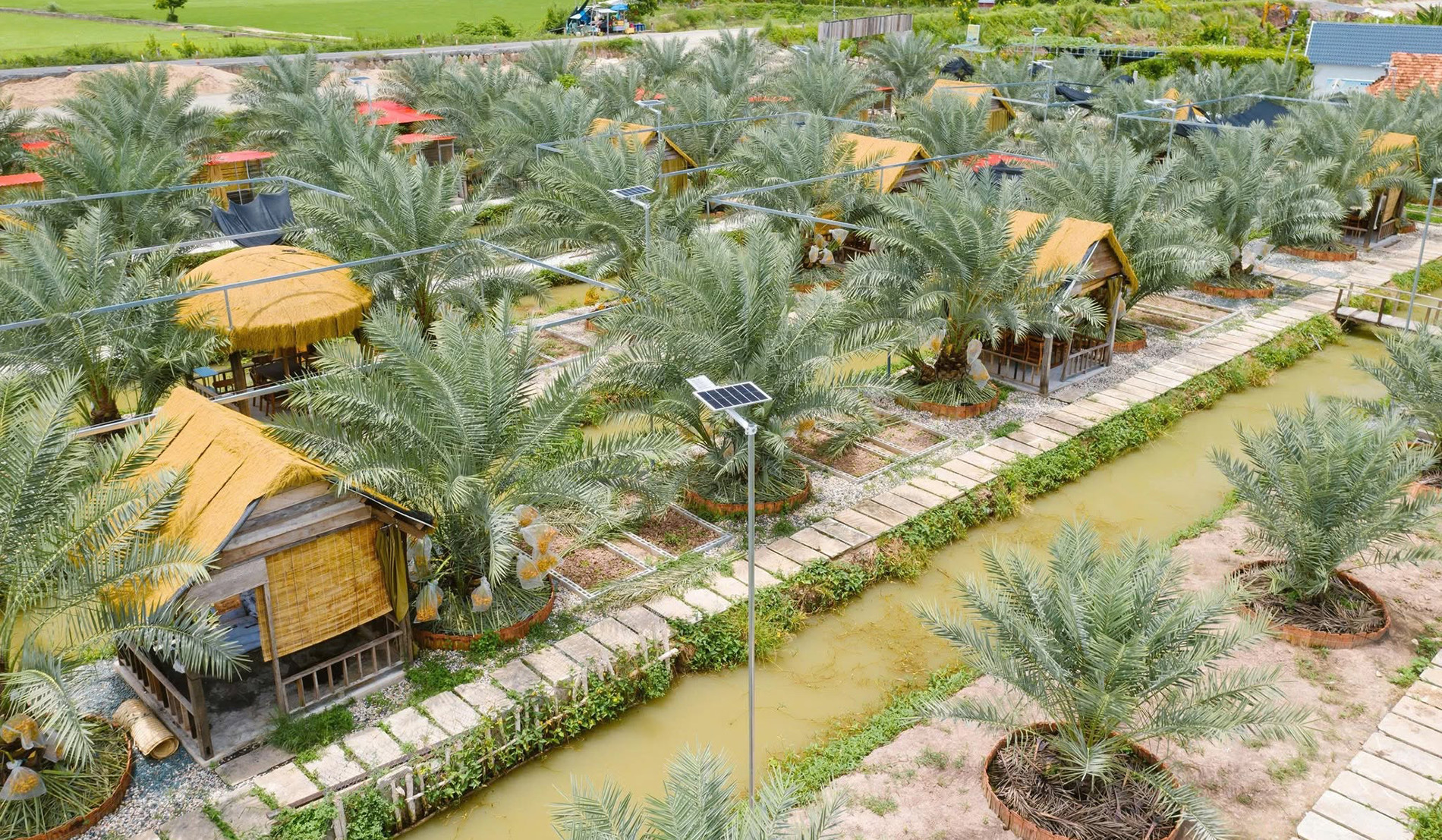
Located in Hong Ngu Ward, Dong Thap Province, near Vietnam's border with Cambodia, the farm combines agriculture with tourism, attracting visitors eager to experience a crop rarely seen in southern Vietnam.
From rice fields to date palms
Farm owner Dinh Nhut Hoa previously worked in the refrigeration industry before deciding to pursue agriculture after concluding that his family's rice fields were no longer generating satisfactory returns.
Three years ago, when date palms were still largely unfamiliar in the Mekong Delta, Hoa invested nearly VND700 million (US$26,700) to redevelop more than 6,800 square meters of farmland, install irrigation systems and purchase 110 tissue-cultured date palm trees.
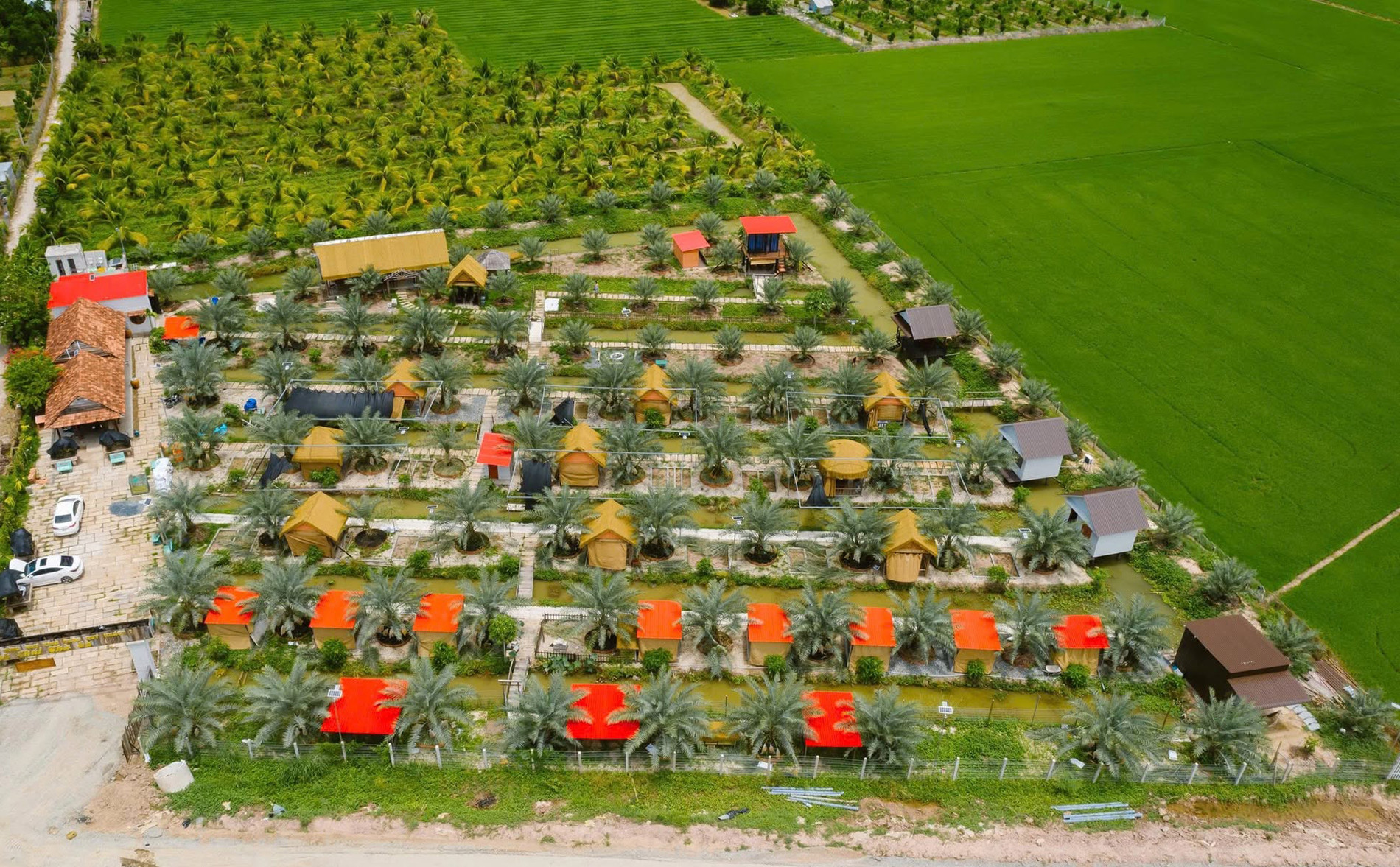
"Growing a completely new crop means accepting risks, but if you never experiment, you'll never know whether it can succeed," Hoa said. "Our land isn't large enough to generate good returns from rice, so I wanted to focus on a crop with higher economic value."
At the time, each sapling cost more than VND5 million (US$191), while technical guidance from suppliers remained limited, forcing him to develop cultivation methods largely through trial and error.
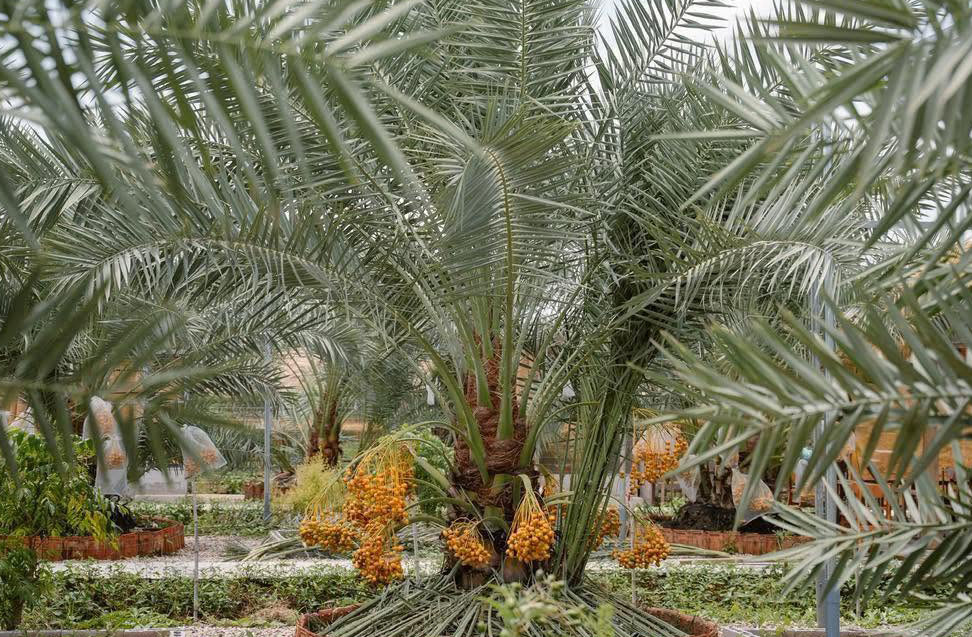
Hoa selected two premium Middle Eastern varieties, Barhi, which produces yellow fruit, and Khenaizy, known for its red fruit. The decision was considered ambitious because date palms thrive in hot, dry climates and had rarely been cultivated commercially in Vietnam's Mekong Delta.
Over time, he adapted cultivation techniques to local soil and climate conditions by optimizing planting density, building drainage canals and installing drip irrigation systems to maintain moisture while preventing waterlogging.
Date palms are dioecious, meaning male and female trees grow separately. To ensure fruit production, Hoa planted more than 100 female trees alongside five male trees and carries out pollination by hand.
After more than three years, the trees have adapted well to the local environment and are now producing an estimated five tonnes of fruit during the current harvest season.
According to Hoa, fruit ripened naturally on the trees and harvested directly from the farm offers a sweeter flavor, crisp texture and less bitterness than imported dates.
Fresh dates are currently sold for several hundred thousand Vietnamese dong per kilogram, depending on the variety.
Turning the farm into an eco-tourism destination
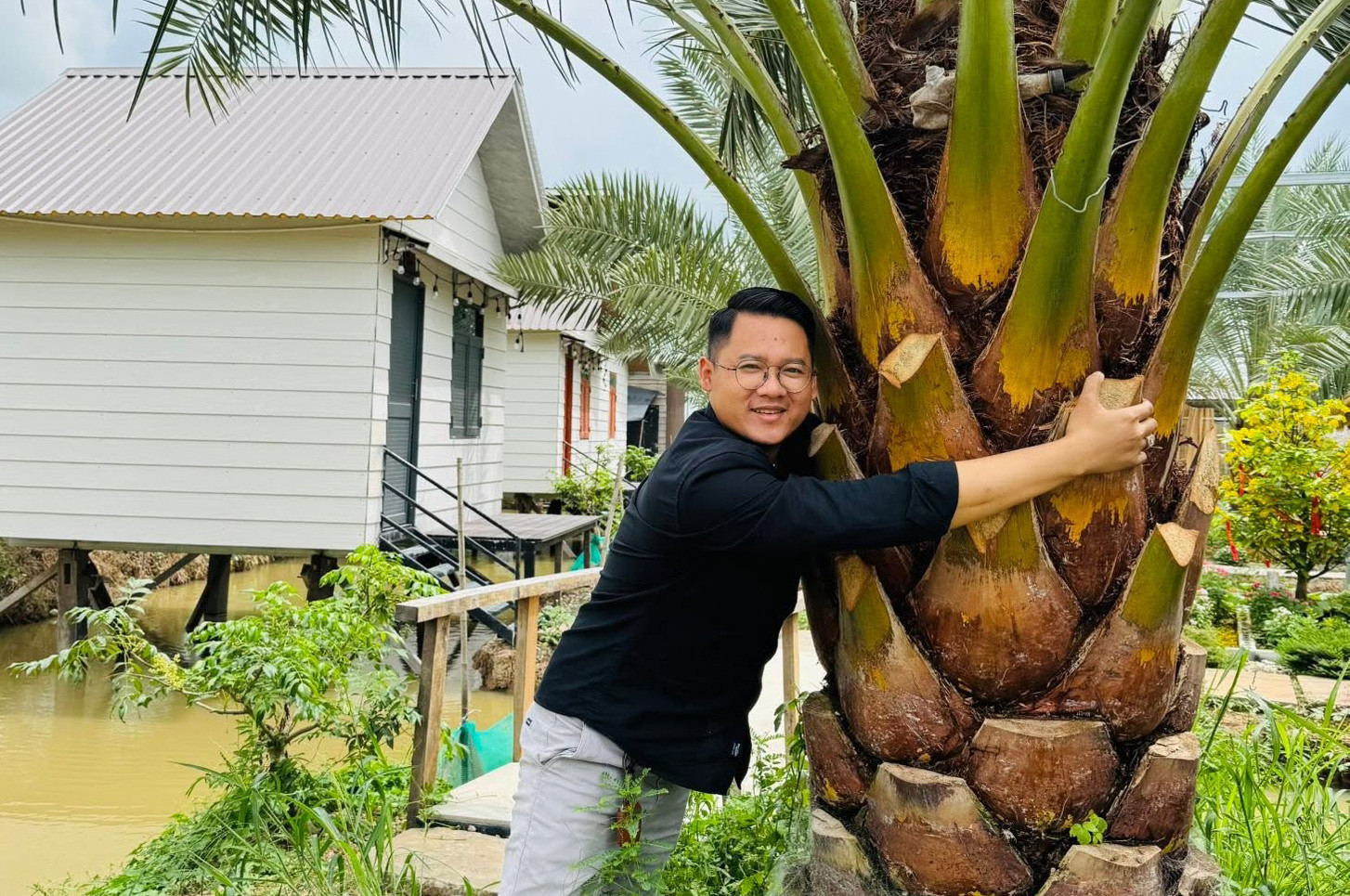
In August 2025, Hoa expanded the business by opening the property as an eco-tourism destination with food and beverage services.
Unlike many tourist attractions, the farm does not charge an entrance fee.
Visitors are free to explore the plantation, take photographs among the rows of date palms, enjoy recreational fishing and harvest ripe fruit themselves. They only pay for food, drinks and any fruit they purchase.
During the harvest season, the farm welcomes large numbers of visitors, particularly on weekends.
"We show visitors which fruit is ready to harvest, and they can cut the bunches themselves while filming or taking photos as souvenirs," Hoa said.
The combination of agriculture and tourism has diversified the farm's income. Hoa said the business currently generates average monthly revenue of VND200 million to VND250 million (US$7,600 to US$9,500).
In addition to fresh fruit sales and tourism services, the farm also supplies tissue-cultured date palm seedlings to customers across Vietnam. Saplings ranging from young plants to 24-month-old trees are priced between VND2 million and VND7.5 million (US$76 to US$286), with buyers receiving technical support until the trees begin bearing fruit.
Looking ahead, Hoa plans to develop value-added products, including date palm wine, as part of a broader strategy to build a distinctive agricultural brand for Dong Thap Province and eventually expand into export markets.
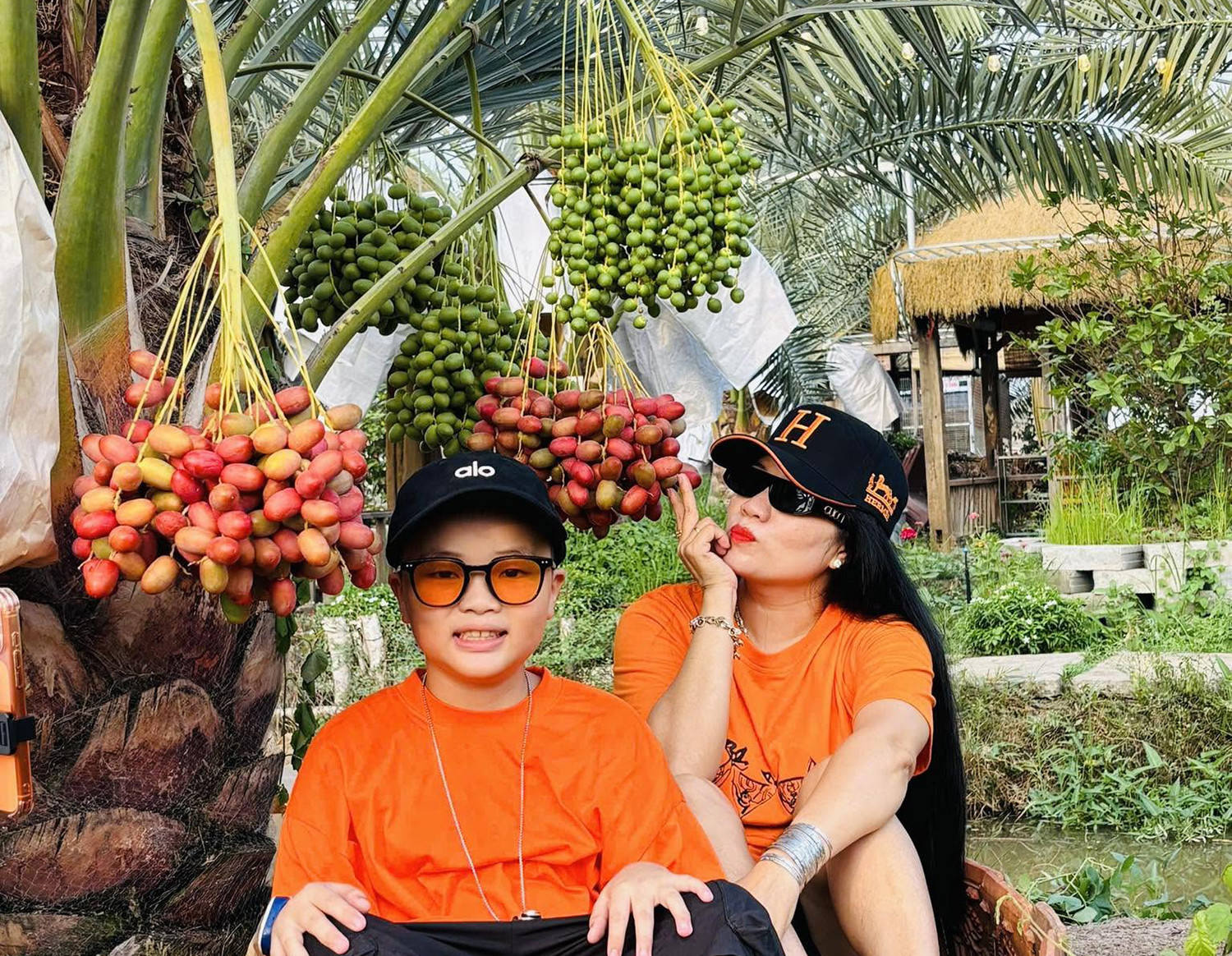
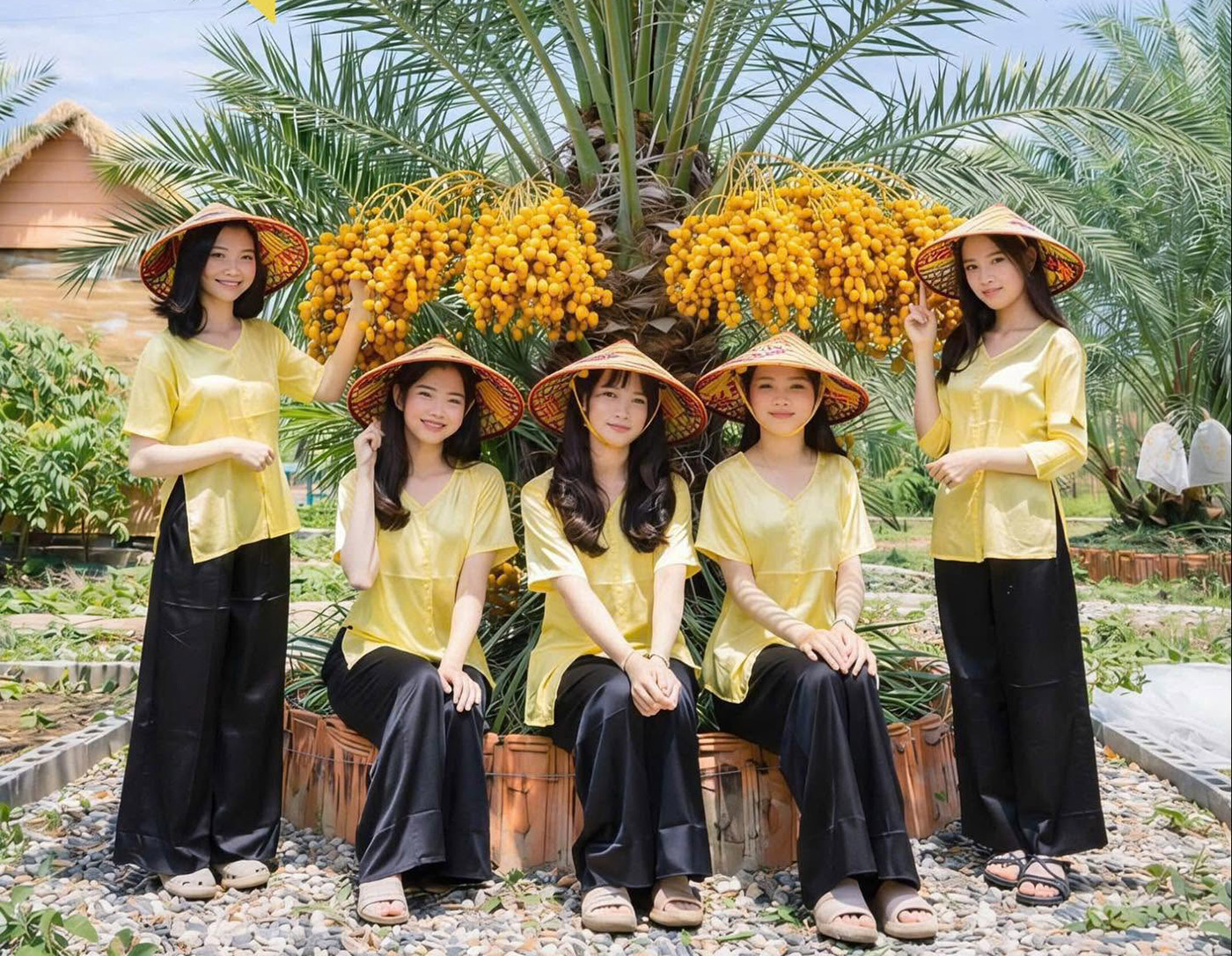
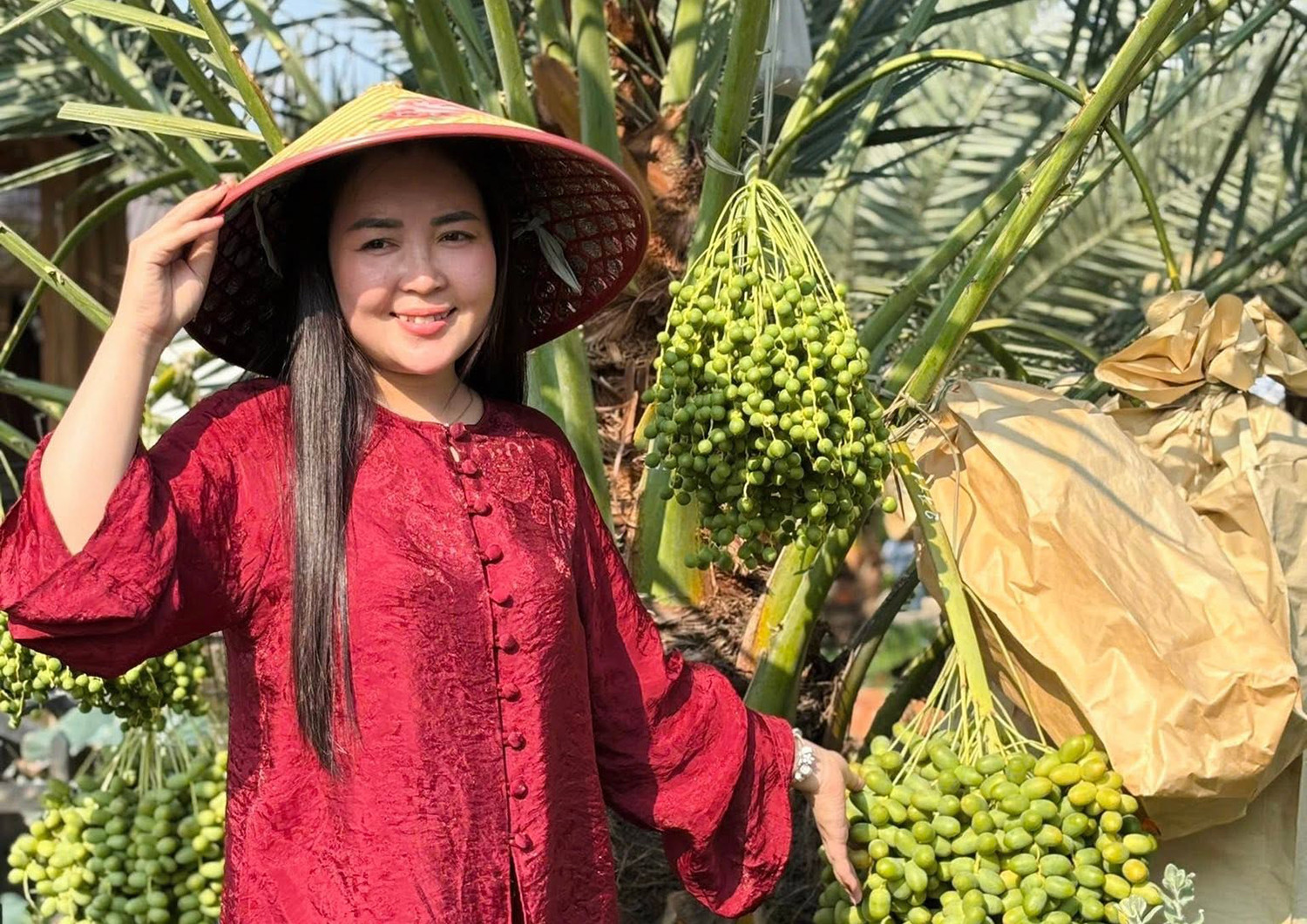
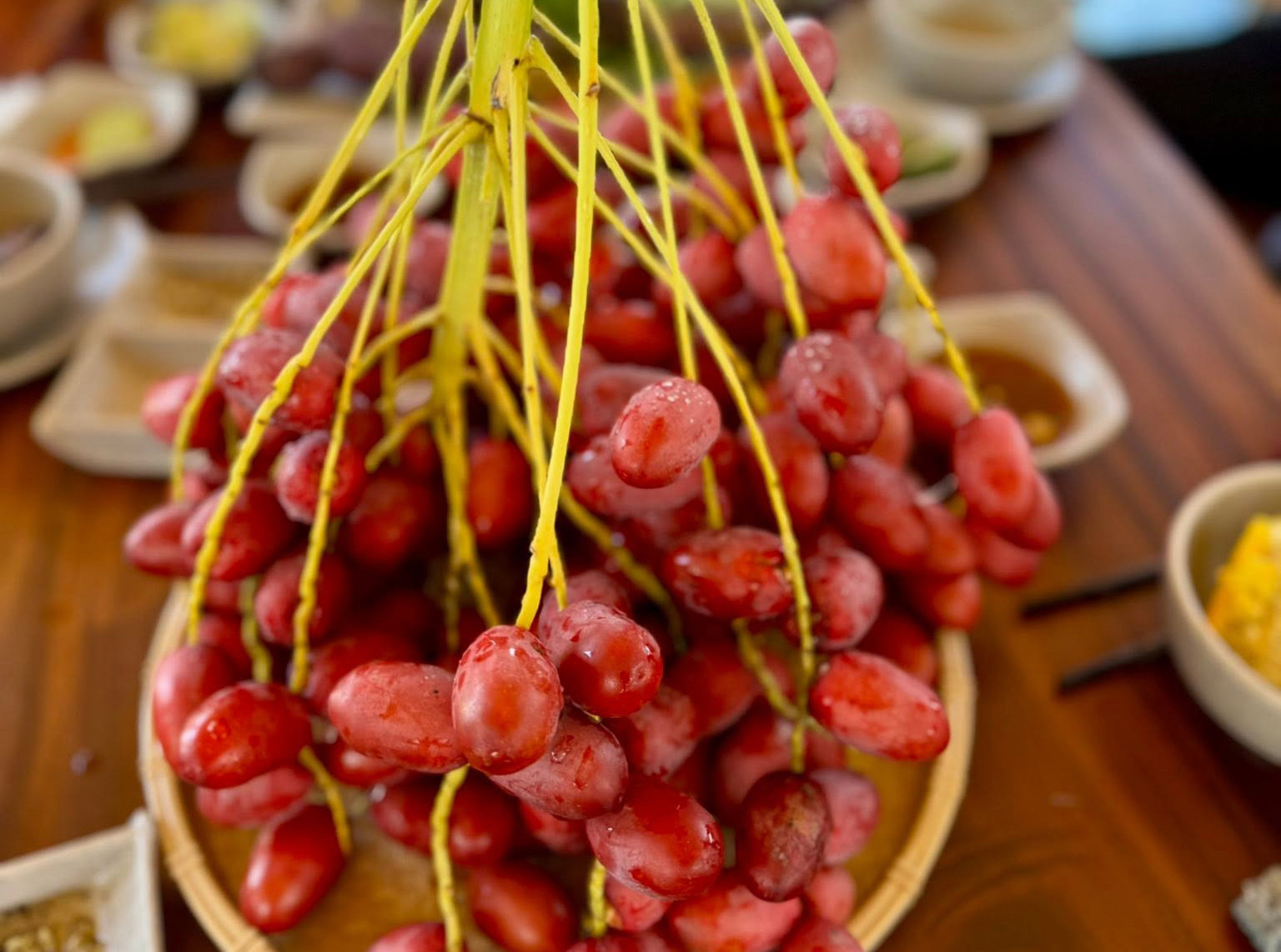
Photo: Courtesy of the farm owner.
.svg)
