 Vietnamnet.vn

 Podcast



Few, if any, could have foreseen on January 1, 2025, the extent of transformation that would unfold across Vietnam’s entire political system. This past year witnessed sweeping changes in both organizational structure and human resources. The reductions in administrative units, personnel, and expenditures are early indicators of the profound impact of these reforms.
The biggest administrative reform in modern history

Simply put, 2025 was a turbulent and dynamic year, marked by a revolutionary downsizing of the administrative apparatus.
Vietnam has seen two major administrative reforms in its history - under King Le Thanh Tong (1442–1497) and King Minh Mang (1791–1841). In terms of scale and scope, the 2025 streamlining revolution is now the third, and arguably the most extensive reform effort ever undertaken in the country.
What makes this reform historic is its reach: it restructured every component of the political system - from Party organizations and the Fatherland Front to socio-political bodies and the State apparatus, including legislative, judicial, and executive branches at both central and local levels. The changes have been staggering.
Vietnam went from 63 provinces and cities down to just 34. The district level was entirely abolished. The number of commune-level administrative units was slashed from over 10,000 to just 3,321.
2025: A year of hope for national progress
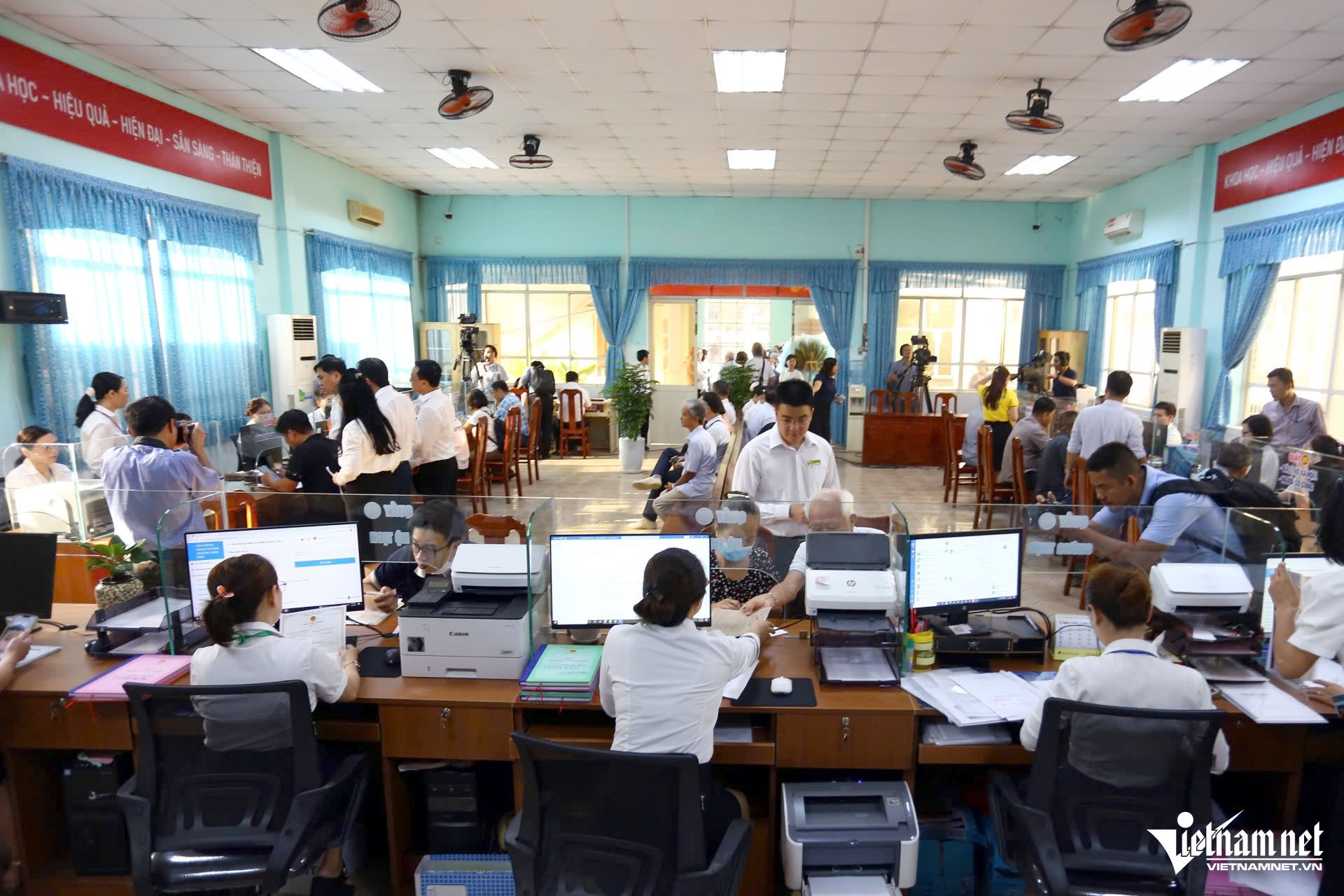
These reforms, while monumental, also raise deep concerns. International comparisons will follow, but one thing is already clear: in the past decade, no country has undertaken reforms on this scale.
Naturally, reducing agencies and merging units disrupts personnel arrangements and stirs personal anxiety. Merging two ministries means one fewer minister, fewer deputy ministers, fewer department heads. The same goes for provincial mergers, affecting party secretaries, chairpersons, and department directors.
Another sensitive issue is the decision to appoint provincial leaders who are not locals. Understandably, officials wonder: What happens to my position if our unit is merged? If I can’t stay, where will I go?
The restructuring has touched almost everyone. District-level officials are moved to the commune level. Those unfit for new roles are removed. Some even volunteered to leave, drawn by generous severance policies - leaving their colleagues behind with a mix of confusion and concern.
And it’s not just officials - ordinary citizens are affected too. Familiar place names, long part of people’s identity, have vanished. They are replaced with newly created names for merged provinces, communes, and wards.
Beneath these surface-level concerns lies a deeper question that many are asking, even if not aloud: “Is this the right thing to do? Will this actually make things better?”
Fortunately, the results of this historic restructuring - alongside the Party’s new policy direction - have helped ease some of these concerns. In many ways, 2025 laid the groundwork for a new chapter in Vietnam’s development.
2025: The launchpad for a breakthrough
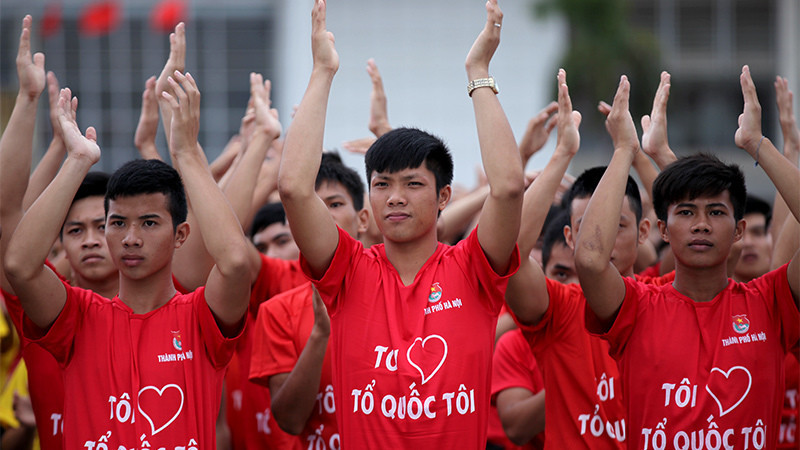
Beyond the structural reforms, 2025 also marked a turning point in national policy-making.
Following Resolution No. 57-NQ/TW (Dec 22, 2024) on science, technology, innovation, and digital transformation, the Politburo introduced a series of major directives in 2025:
Resolution No. 59-NQ/TW on international integration in the new context.
Resolution No. 66-NQ/TW on legal reform to meet the demands of the new era.
Resolution No. 68-NQ/TW on private sector development.
Party General Secretary To Lam emphasized the significance of these four resolutions, calling them the “four pillars” of Vietnam’s strategy for entering a new era.
The sense of optimism grew stronger as the year ended with final preparations for the 14th National Party Congress, set for January 2026.
If governing a nation is like playing chess, then 2025 successfully established a solid board - placing the pieces strategically, interconnecting them masterfully, ready for future breakthroughs. Creating such a setup required both vision and courage.
The question now is: how will we play in 2026 and beyond?
We cannot afford a slow start or incremental gains. The only path forward is to accelerate - seizing opportunities and pushing for transformative progress.
Dr. Dinh Duy Hoa
.svg)
