 Vietnamnet.vn

 Podcast



From misty mountain videos to ancient tea trees, Sung A Tua has built a vision that blends agriculture, tourism, and tradition. His journey from law school in Hanoi to forming a cooperative in the remote village of Phinh Ho (Lao Cai) is transforming both the tea industry and his community.
Born and raised in Phinh Ho - a highland area with no cell signal and limited infrastructure - Sung A Tua now serves as Vice Chairman of the local Fatherland Front Committee. After a brief stint working in Hanoi, he made the life-changing decision to return home with a mission: change the way his community thinks, works, and dreams.
Fueled by a love for his culture, Tua created a TikTok channel called A Tua Phinh Ho, drawing nearly 200,000 followers. His videos - raw and real - show life in the Hmong village, often starting with his signature phrase:
“Hello everyone, it’s your local official here again.”
These authentic moments have earned millions of views, but more importantly, they sparked a movement.
A return home with a purpose
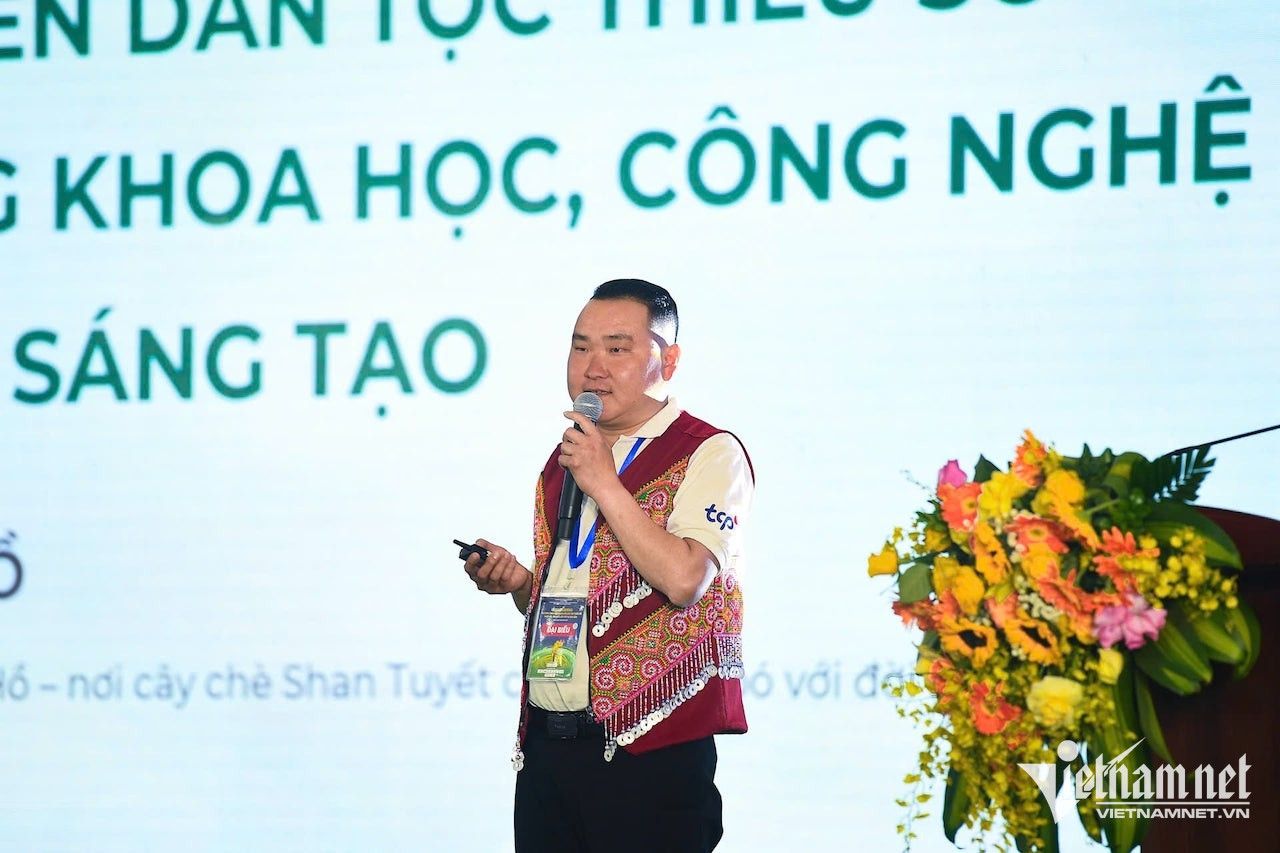
Sung A Tua shares his story at the “Digital stories from the villages” forum in Hanoi on Dec. 26. Photo: Thach Thao
“Five years ago - and even today - some villages here still have no phone signal,” he said. “But I wanted to change that mindset: to show that even from a remote place, you can build something big.”
After graduating from Law University, he worked briefly in Hanoi before returning to the mountains. His people, he says, live by a saying: “No mountain is higher than a Hmong person’s knees.”
Tea, clouds, and a vision
Phinh Ho sits more than 1,000 meters above sea level, cloaked in clouds and tough conditions. Yet this climate is ideal for one special gift of nature: the Shan Tuyet ancient tea trees, some hundreds of years old.
Initially, Tua’s videos focused on cloudscapes and village life. But he soon realized that experience-based tourism must be rooted in cultural value. His lightbulb moment: Shan Tuyet tea could be the heart of Phinh Ho’s development.
He started small - filming ancient tea trees, guiding cloud-hunting tours, and encouraging local youth to join him as drivers and guides. His motto: “Don’t fear mistakes. We’ll fix them as we go.”
He designed travel experiences where visitors could pick tea, roast it with villagers, sip it by the fire, and become “storytellers” who would share Phinh Ho with the world.
But he knew that sustainable growth required more than tourism. Villagers had been selling raw tea leaves to middlemen at unstable prices - just $0.30 to $0.50/kg, leaving them little incentive to stay in the business.
In 2021, Tua launched a cooperative with 7 households. After 5 years, it has grown to 35 families, managing 60 hectares of ancient tea trees under sustainable practices. They follow a shared harvesting system and offer stable prices well above market.
From the mountain to the world
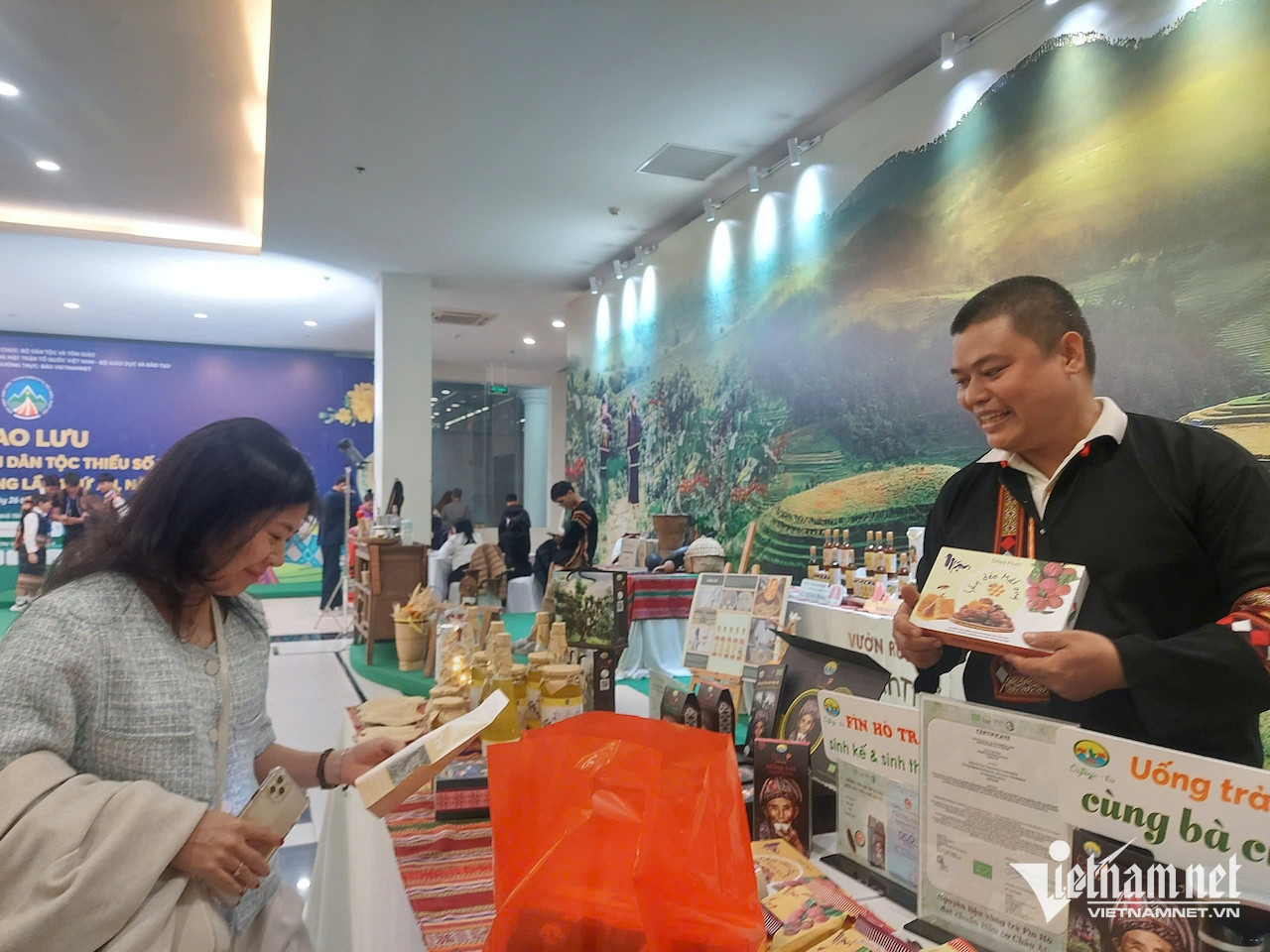
Tua’s dream wasn’t just to sell more tea - it was to bring Shan Tuyet to international markets.
For more than three years, he worked tirelessly to meet global standards. From soil testing to pesticide-free farming to legally certified production, he and his cooperative prepared to meet the demands of buyers in Japan, South Korea, and the US.
In July 2024, his first export shipment - over 100kg to Japan - was dispatched. Today, more than 700kg of Shan Tuyet tea has reached overseas markets. His product is even served during official state receptions in Vietnam.
“Back then, we harvested, roasted, and filmed everything ourselves,” Tua recalled. “Now, we’ve built a brand, taken Shan Tuyet online, and put it on e-commerce platforms.”
A rising tide lifts the village
Believing in the motto: “Go alone to go fast, but go together to go far,” Tua regularly partners with influencers and hosts livestreams to market not just tea, but also other local goods - vegetables, eggs, native chickens, and pork.
Culturally, he champions preservation by organizing activities like Mong cuisine experiences, traditional dance workshops, and engaging students returning from university to teach local children how to play the Hmong bamboo flute.
His cooperative now provides stable employment for over 20 local youth, many of whom faced financial hardship and had no chance to study far from home.
From the misty mountains of Phinh Ho, Sung A Tua’s journey has carved a new path - one of pride, innovation, and shared success - for his people.
N. Huyen
.svg)
