 Vietnamnet.vn

 Podcast



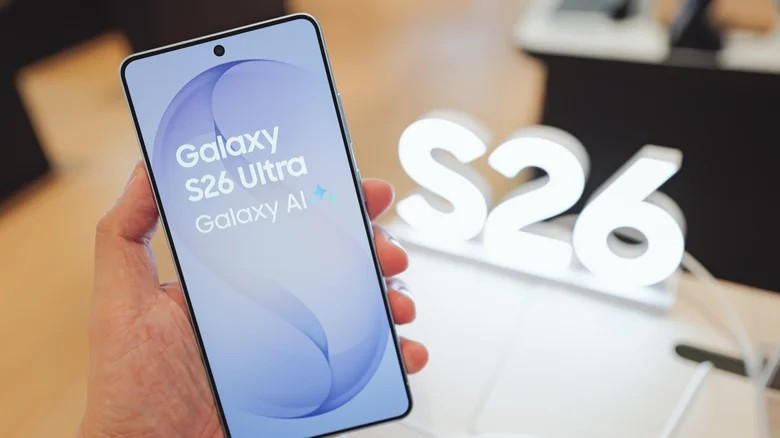
For Android enthusiasts, Samsung remains one of the world's leading smartphone manufacturers thanks to exclusive features such as Secure Folder, Air Actions, and Private Share. The company also benefits from the broader Galaxy smart home ecosystem.
However, consumers looking to buy a Samsung smartphone are often overwhelmed by the variety of product lines, including the A, S, and Z series.
While the Z lineup is easily recognizable through foldable devices such as the Galaxy Z Fold7, many users continue to wonder about the differences between the Galaxy S and Galaxy A families.
According to Samsung, the Galaxy S series is always prioritized for the company's newest technologies and innovations.
Meanwhile, the Galaxy A lineup targets mainstream users who want strong performance without paying flagship prices.
Different price points
On Samsung's official website, six Galaxy A models are currently listed with prices ranging from $200 to $550.
At the other end of the spectrum, the most affordable Galaxy S flagship is the 128GB Galaxy S25 FE, priced at $650. The most expensive model, the 1TB Galaxy S26 Ultra, costs as much as $1,600.
In addition to new devices, Samsung also offers certified refurbished options such as the Galaxy S23 starting at $439 - a price that is even lower than the newly launched Galaxy A57 5G.
Real-world upgrades
Although Galaxy S devices often feature smaller batteries, they generally deliver better power efficiency thanks to their high-end chipsets.
For example, the Galaxy A55 5G is equipped with a 5,000mAh battery and offers around 28 hours of wireless video playback.
Meanwhile, the Galaxy S25, despite carrying a smaller 4,000mAh battery, can still deliver up to 29 hours of video playback.
As flagship devices evolve, many of their innovations eventually trickle down to the Galaxy A series.
In 2016, Samsung introduced IP68 water and dust resistance on the Galaxy S7 for the first time.
Just one year later, the feature appeared on Galaxy A devices, including the A3, A5, and A7. Today, IP68 protection has become a common standard across both product lines.
Fast-charging technology has followed a similar path. Samsung's 45W Super Fast Charging debuted on the Galaxy S20 Ultra in 2020 and is now available on devices such as the Galaxy A56 and Galaxy A57.
In 2026, Samsung launched the Galaxy A57 5G with an impressive camera system and Galaxy AI features that were once exclusive to the Galaxy S lineup.
Although it is no longer as inexpensive as earlier generations, the Galaxy A57 5G offers competitive hardware capable of challenging older Galaxy S devices.
Which series should you choose?
When deciding between the two product lines, consumers should carefully assess their actual needs, lifestyle, and budget.
A more expensive smartphone is not always the better choice.
The Galaxy A series is better suited for users who do not need features such as the S Pen, wireless charging, or ultra-powerful processors.
For everyday tasks including web browsing, social media, and messaging, Galaxy A devices provide a smooth and reliable experience.
The series is also a practical option for older users who do not require top-tier performance.
On the other hand, if you want a flagship smartphone with powerful specifications and an excellent camera but have a limited budget, the Galaxy S24 Ultra remains an attractive choice even two years after launch, while the standard Galaxy S24 has become somewhat less compelling.
Finally, for buyers unconstrained by budget, Samsung's latest Galaxy S models continue to offer the most advanced hardware available at the time of purchase.
They are widely regarded as worthwhile long-term investments, capable of maintaining strong performance for years as applications become increasingly demanding.
Du Lam
.svg)
