 Vietnamnet.vn

 Podcast



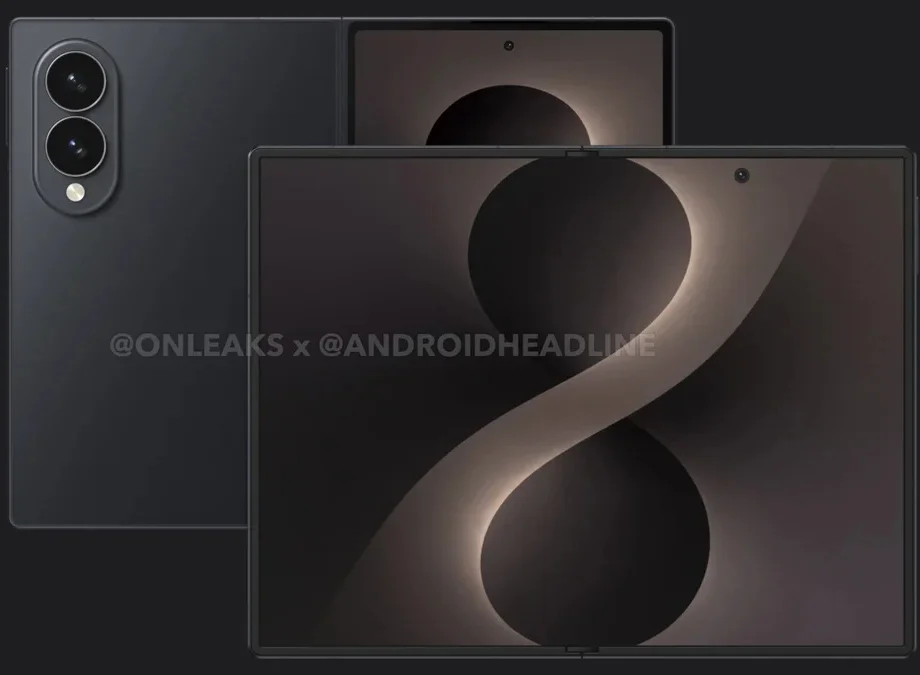
Samsung is reportedly preparing to launch two premium horizontal foldables this year. Photo: Android Headlines
Samsung is reportedly preparing to launch two premium horizontal foldables this year. Photo: Android Headlines
Galaxy Z Fold 8 Ultra could become Samsung’s new hardware powerhouse
Leaks suggest the current Galaxy Z Fold 8 concept is being upgraded into a true “Ultra” model designed to sit at the very top of Samsung’s foldable hierarchy.
One of the most notable rumored upgrades is a 5,000mAh battery - a long-requested improvement from Fold users who have criticized previous generations for lagging behind traditional flagship phones in battery endurance.
The Ultra model is also expected to retain Samsung’s premium triple-camera setup, including a telephoto lens, reinforcing its positioning as a genuine flagship device rather than simply an expensive foldable phone.
In contrast, Samsung’s new wide-screen foldable is rumored to feature more modest hardware.
Reports indicate the device may ship with dual rear cameras and no telephoto lens, alongside a slightly smaller 4,800mAh battery.
Industry observers believe Samsung is intentionally creating a clearer separation between the two products to establish a more defined tiering strategy within the Fold lineup.
Galaxy Z Wide Fold may disappear before launch
Earlier rumors referred to Samsung’s wider foldable by names such as Galaxy Z Wide Fold or Galaxy Z Fold 8 Wide.
However, both names were widely criticized for being overly long and awkward.
New reports now suggest Samsung may simplify the lineup by naming the wide-display model simply Galaxy Z Fold 8, while rebranding the traditional Fold device as Galaxy Z Fold 8 Ultra.
If accurate, the strategy would closely mirror Samsung’s successful naming structure in the Galaxy S lineup, where the standard model serves as the mainstream flagship and “Ultra” identifies the highest-end version.
While the approach could make the portfolio easier to understand long term, analysts say it may initially confuse users who have grown familiar with Samsung’s existing Fold branding over several years.
Samsung testing smaller selfie camera design
Beyond naming changes, Samsung is reportedly experimenting with new front-camera technology on both upcoming foldables.
Leaked renders and supply chain reports indicate the outer display selfie camera could become significantly smaller than previous generations.
The change would allow for a cleaner front design, improved screen immersion and a more seamless viewing experience.
Some analysts believe Samsung may be testing this technology ahead of its planned rollout to the Galaxy S27 lineup next year.
If successful, the upgrade could move Galaxy devices closer to a true full-screen smartphone design.
Apple may follow a similar strategy
Interestingly, Apple is rumored to be pursuing a nearly identical branding direction for its first foldable iPhone.
Recent leaks claim Apple’s foldable device - expected to launch alongside the iPhone 18 Pro lineup - may carry the name iPhone Ultra rather than iPhone Fold.
That would position the device as an ultra-premium category of its own rather than simply another foldable variant.
At the same time, Samsung is reportedly considering “Pro” branding for future Galaxy S devices.
A Galaxy S27 Pro is said to be in development with hardware close to the Galaxy S27 Ultra but in a more compact form factor and potentially without S Pen support.
The simultaneous shift toward “Ultra” and “Pro” branding from both Samsung and Apple suggests the smartphone industry may be entering a new era of standardized premium product naming.
Why Samsung may be changing course
Analysts have proposed several explanations for Samsung’s apparent rebranding strategy.
The first is growing pressure from Apple’s upcoming foldable iPhone.
If ultra-wide foldable designs become the next major trend, Samsung likely wants its wide-display foldable to appear as the default mainstream choice rather than a side experiment under a “Wide Fold” label.
By reserving the “Ultra” branding for the more powerful traditional Fold model, Samsung can simultaneously maintain a halo flagship while broadening the appeal of its wider foldable design.
The second reason may simply be product differentiation.
Since the traditional Fold reportedly carries stronger hardware specifications, more advanced cameras and a larger battery, attaching the “Ultra” label helps clearly communicate its premium status.
After years of maintaining relatively stable foldable branding, Samsung now appears to be preparing for a much broader repositioning strategy - one that could eventually reshape the entire Galaxy smartphone ecosystem.
Hai Phong
.svg)
