 Vietnamnet.vn

 Podcast



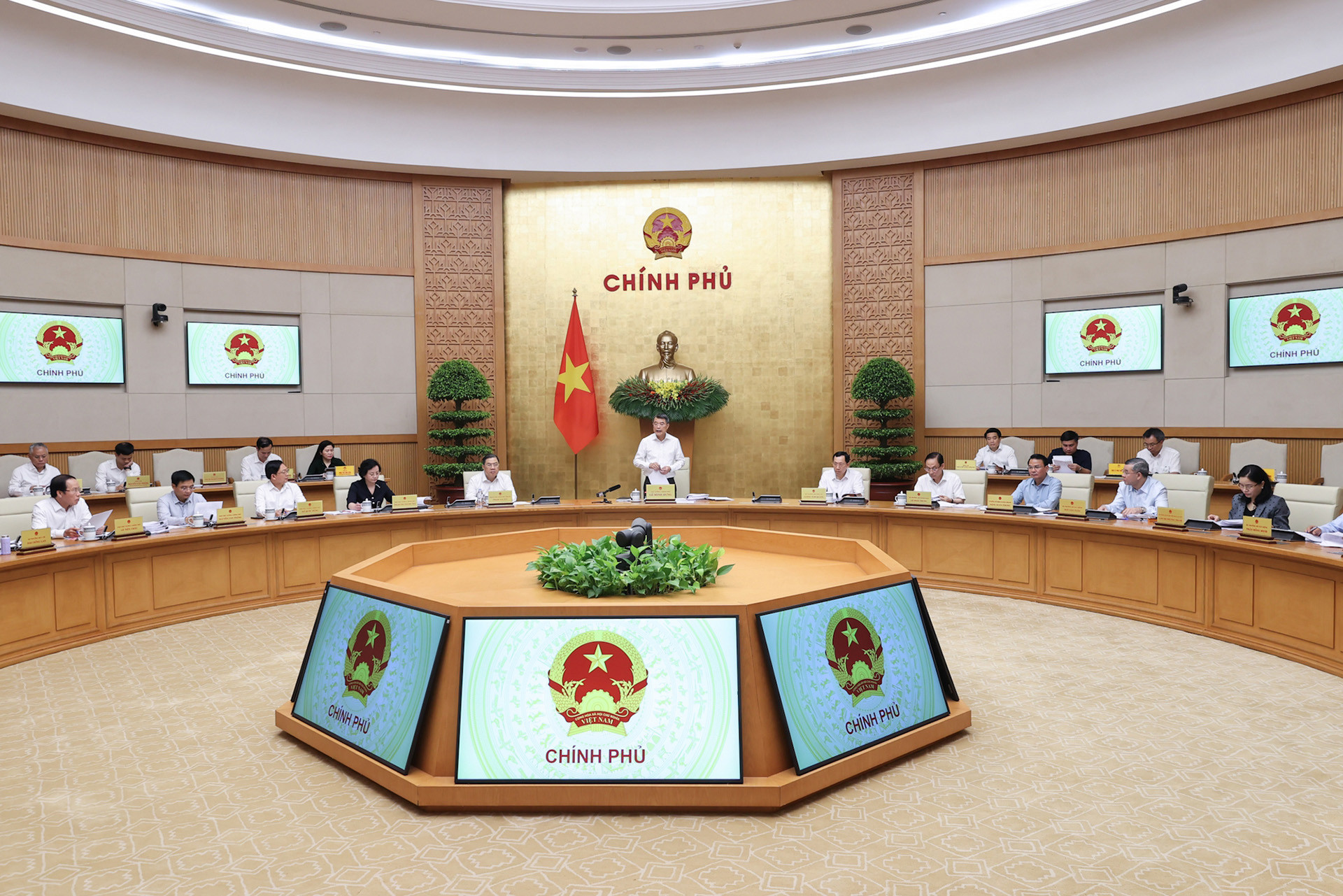
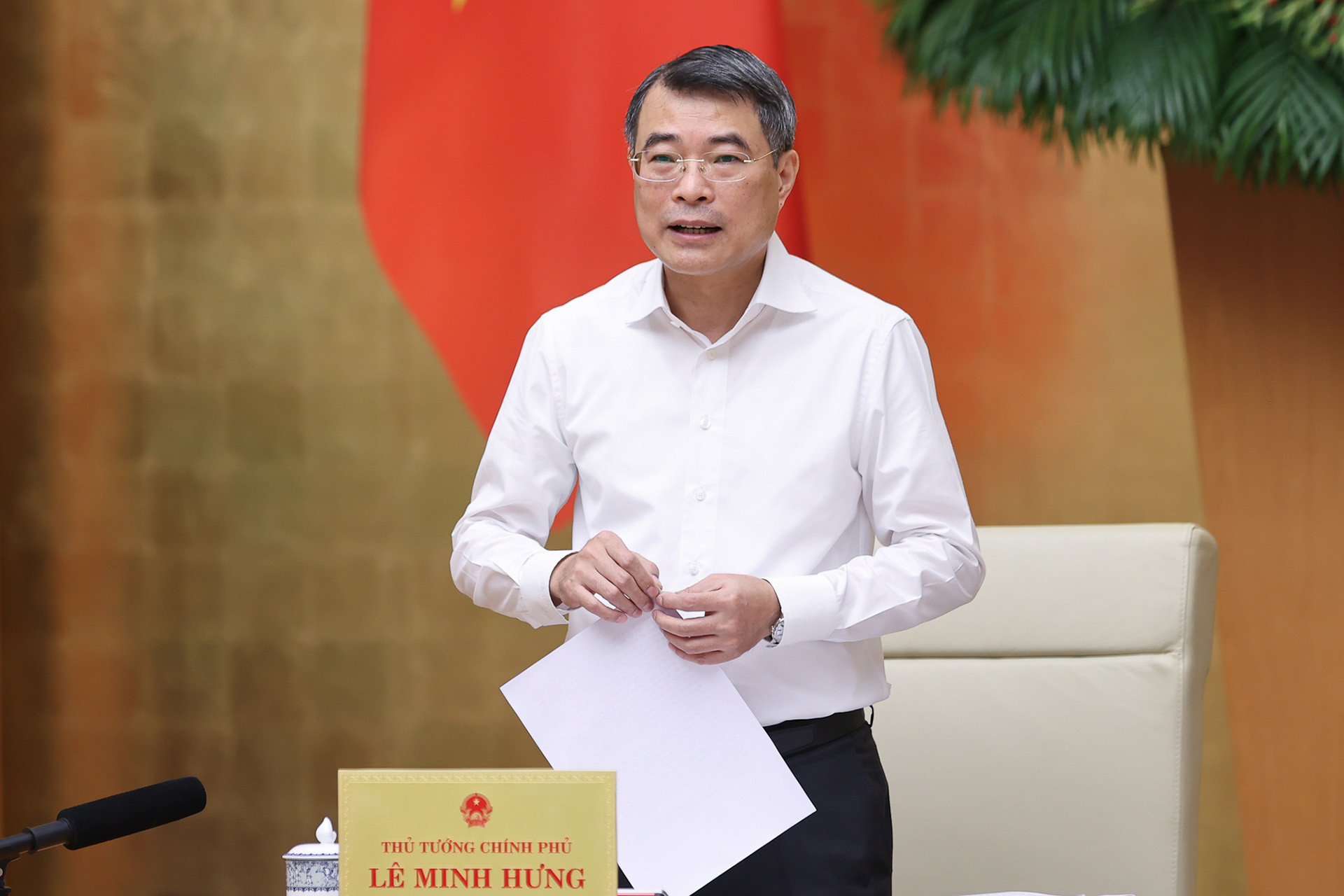
Highlighting several issues for discussion, the Prime Minister noted that during April and May, the Government had focused heavily on institutional reform, leading to significant improvements, including preparations for draft laws submitted to the National Assembly and accelerated handling of overdue legal documents.
However, he stressed that work pressure in the months ahead remains extremely high.
"If we do not continue making efforts at the same pace as we have in recent months, there is a risk of delays that could affect the implementation and institutionalization of Party policies and National Assembly decisions," he said.
Regarding socio-economic performance, the Prime Minister said that results in May and during the first five months of the year had been generally positive, with macroeconomic stability largely maintained.
At the same time, he pointed to areas requiring close attention, particularly inflation control and growth promotion in several sectors that have yet to meet targets.
According to preliminary assessments for the first six months and the full year, the targets ahead are exceptionally demanding and will require strong determination and substantial effort to achieve the goal of double-digit economic growth.
The Government's resolution following the meeting will outline specific tasks, and the Prime Minister urged ministers, heads of sectors and leaders of ministerial-level agencies to pay close attention to implementation within their respective areas.
The Prime Minister and Deputy Prime Ministers will continue working directly with localities, ministries and sectors whose growth performance remains below potential or has fallen short of established targets. The aim is to conduct in-depth assessments and implement more decisive measures in the coming period.
Focus on strategic resolutions and digital transformation
Addressing another major priority, the implementation of strategic resolutions - particularly Resolution 57 of the Politburo - the Prime Minister said government agencies have adopted new working approaches that have produced notable progress and positive results.
Nevertheless, he emphasized that expectations remain extremely high.
Ministers and agency leaders must prioritize the completion of a comprehensive and synchronized institutional framework, develop infrastructure capable of seamless connectivity between the central government, ministries and local authorities, and accelerate the development and implementation of strategic technology products and priority technology portfolios.
Tran Thuong
.svg)
