 Vietnamnet.vn

 Podcast



Some are even shrinking their own indoor spaces in exchange for something they once took for granted - open-air seating.
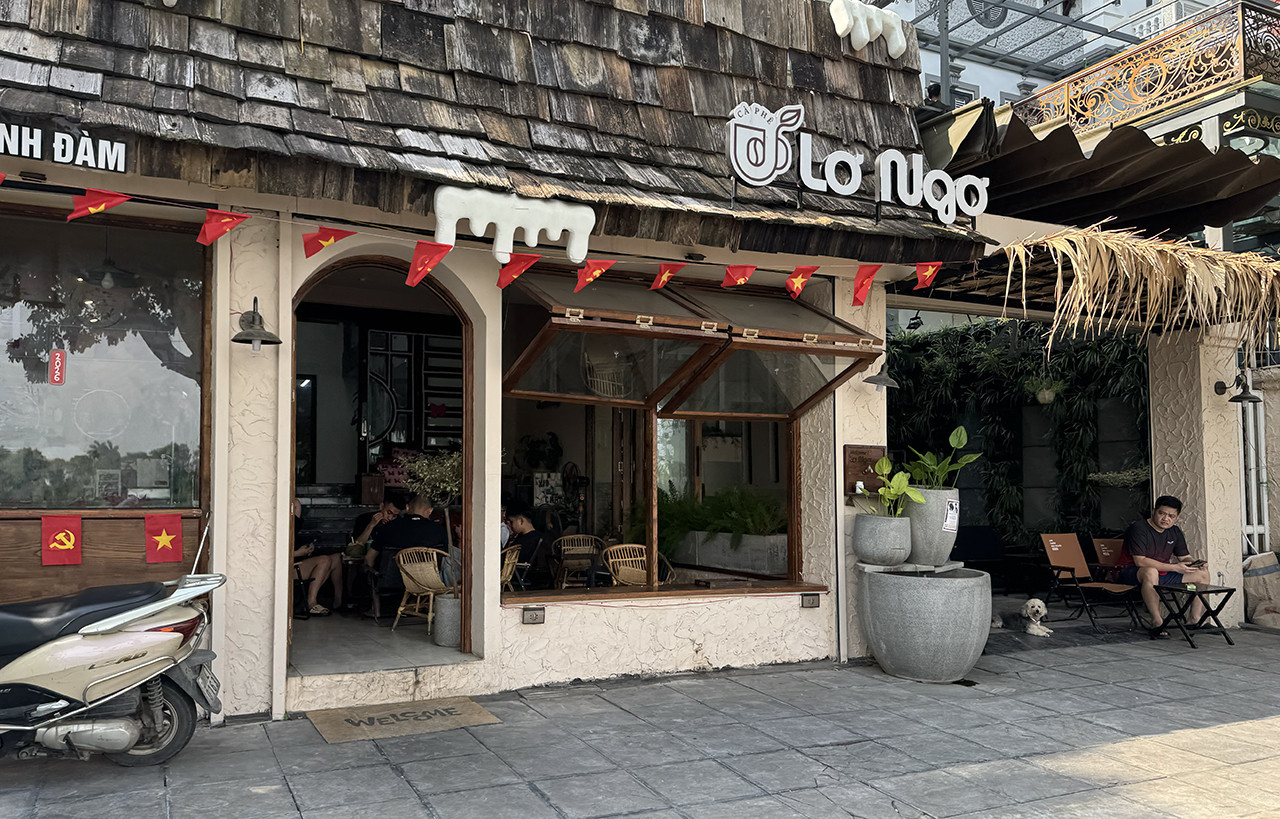
Lofi Lab café in Cau Giay District chose to make a major investment by creating its own “private sidewalk” within the boundaries of its property.
To turn the idea into reality, the café worked with designers to move the front structure two meters deeper into the building compared to the original façade.
“This may reduce the indoor area, but in return we gain an open and airy space where customers can comfortably sit and watch the street without worrying about being asked to leave,” the owner said.
The café also invested heavily in materials to preserve the experience customers associate with sidewalk coffee culture.
Its newly created outdoor zone was paved entirely with Thanh Hoa blue stone, a more expensive material than conventional tiles but one that offers greater durability and a cooler, more comfortable feel.
Brobusta Coffee in Hang Chuoi Street recently spent additional money renovating its façade, expanding the reception area and optimizing customer seating.
The owner redesigned part of the entrance and modified the structure to create a more open atmosphere.
According to the café owner, the changes comply with current regulations while also improving the customer experience.
Although the renovation reduced the usable indoor space, the café made more deliberate investments in outdoor seating areas.
Customers can now enjoy coffee in a more open setting while observing the rhythm of city life more comfortably.
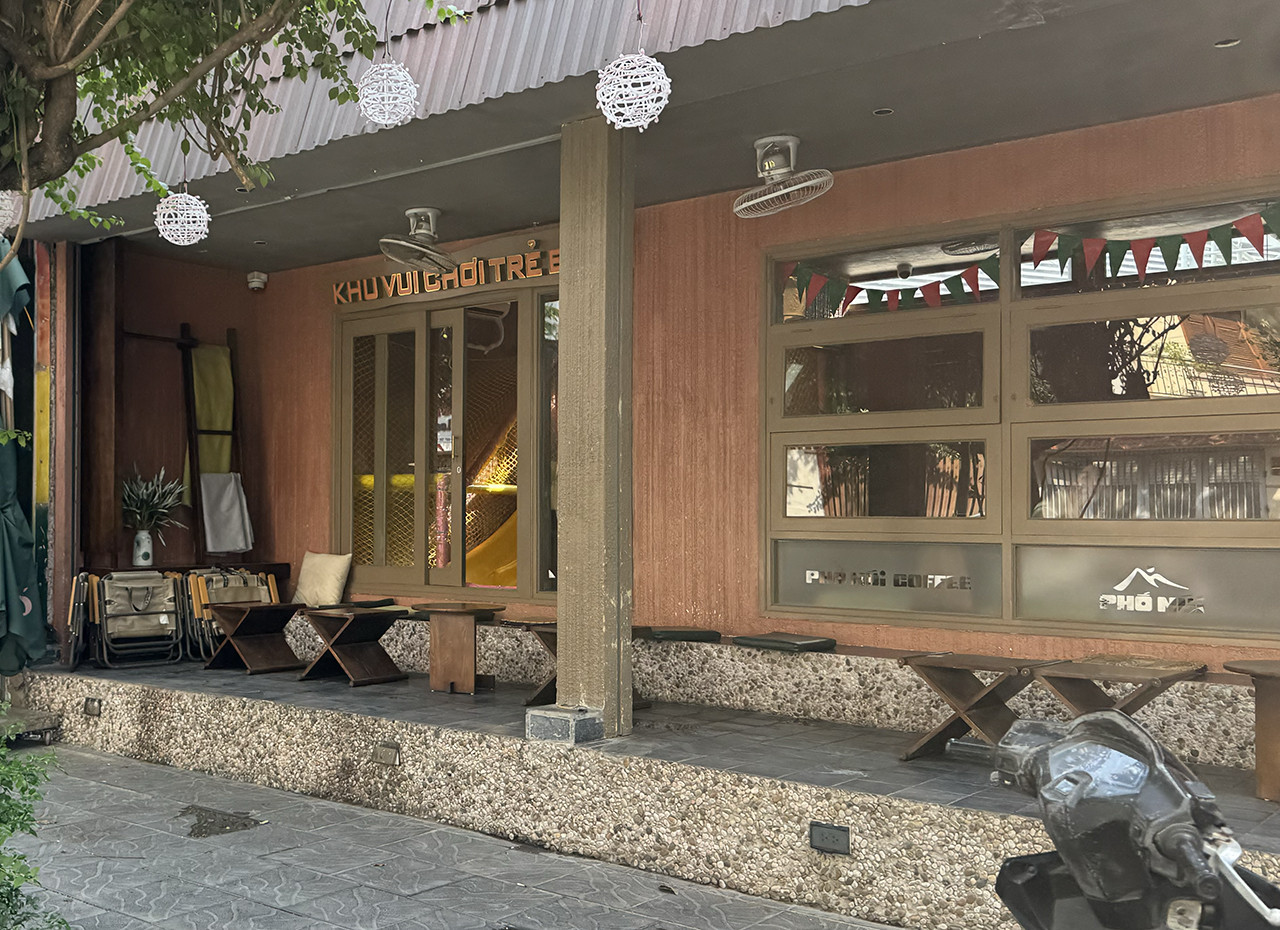
When renovating and upgrading its premises, Pho Nui café in the Tay Nam Linh Dam urban area also proactively arranged an outdoor seating section within its privately owned space.
As regulations on sidewalk use become stricter, this model allows cafés to continue operating without disruption while still meeting demand from customers who prefer open-air environments.
According to a survey, several cafés are also using architectural designs to create “transitional spaces” between indoor and outdoor areas while remaining entirely within their own property boundaries.
Even though they must sacrifice part of their commercial floor space, many owners see the approach as a long-term investment rather than a temporary solution.
Meanwhile, smaller cafés with limited space and little ability to expand or renovate are being forced to adapt in other ways.
Tuan Linh, owner of Giot Cafe in Dong Da District, said sidewalk seating previously attracted large numbers of customers, especially during peak hours.
Now the café has had to adjust its operating model to suit the new environment.
The business has introduced promotions for takeaway orders, expanded online delivery services and partnered with beverage delivery platforms to reach more customers.
Retreating in order to move forward
Tran Khanh Minh Son, an F&B industry expert, said sidewalks were once considered vital open spaces for small cafés, lemon tea shops and street-style coffee businesses.
They attracted customers, created a relaxed atmosphere and increased seating capacity during busy hours.
As sidewalks are gradually being returned to their intended functions for pedestrians and traffic, many cafés are now being forced to restructure their operations.
In the short term, businesses may experience declining revenue due to the loss of outdoor seating advantages and reduced street visibility.
Over the long term, however, compliance with regulations helps café owners minimize legal risks, avoid administrative penalties and maintain more stable operations.
According to Son, café owners should treat the situation as an opportunity to upgrade their business models.
Optimizing indoor layouts, investing in better space design and expanding takeaway, delivery and online services will become increasingly important strategies.
At the same time, improving product quality and indoor customer experience will emerge as the key competitive factor, rather than reliance on sidewalk locations.
Many customers have expressed support for the changes.
Nguyen Minh Hoang, an office worker in Hai Ba Trung District, said outdoor seating areas still allow customers to enjoy coffee while observing the atmosphere of the city.
Although indoor areas may be slightly smaller, he believes the redesigned spaces offer a more comfortable and civilized experience.
He also voiced support for business models that align with urban regulations and the city’s evolving development trends.
Duy Anh
.svg)
