 Vietnamnet.vn

 Podcast



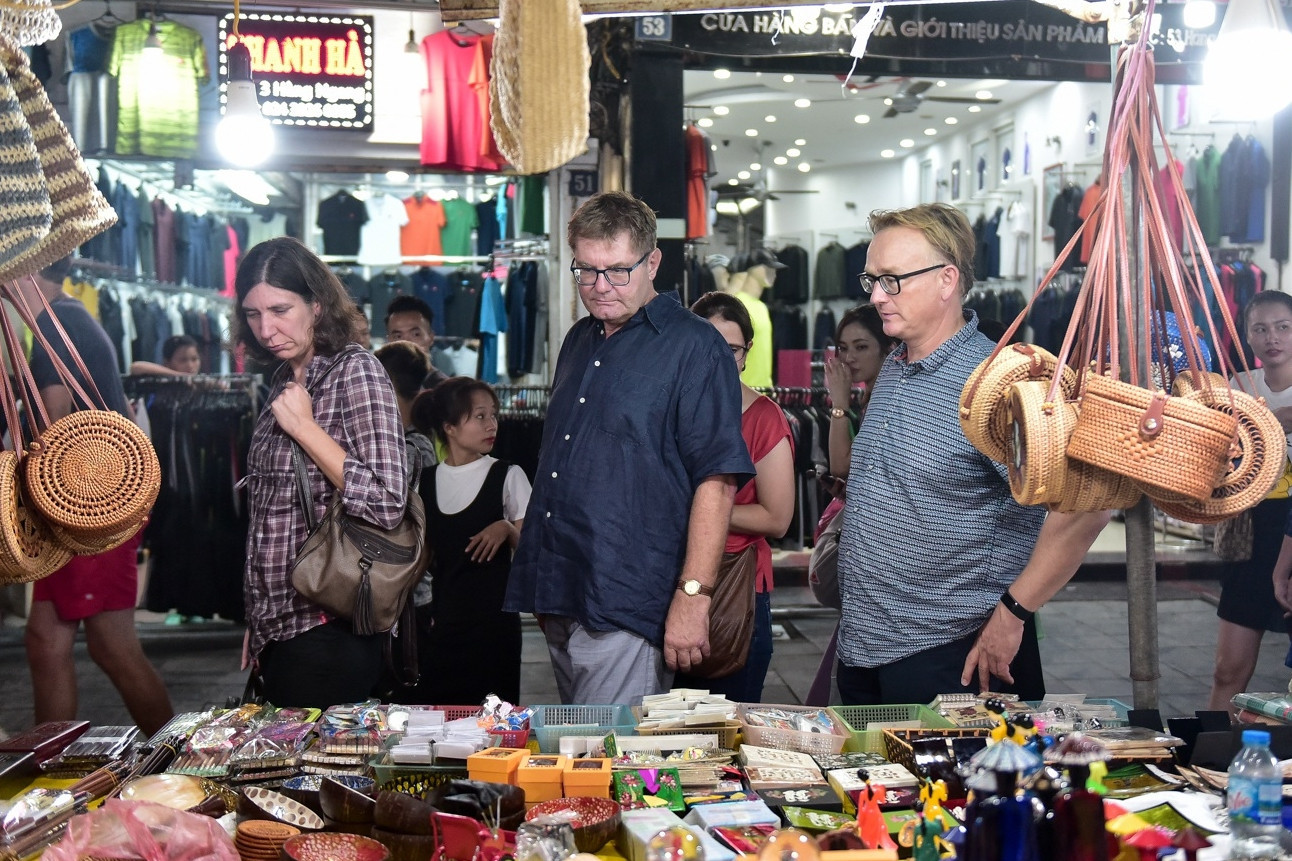
Hanoi plans to open two new pedestrian streets by September 2025 and expand the total to 18 by 2030, doubling the current number. These pedestrian zones aim to enhance the city’s tourism appeal and stimulate the night-time economy.
However, some pedestrian areas remain quiet and underused. This highlights the need for Hanoi to evaluate and improve existing pedestrian streets before launching new ones, and potentially explore alternative models.
While Hanoi’s pedestrian zones initially breathed new life into tourism and night-time commerce, expanding them has also revealed several shortcomings.
Uneven effectiveness
Around 9 p.m. on Saturdays - peak time for pedestrian activity - the pedestrian street at Ngoc Island - Ngu Xa (Ba Dinh Ward) appears largely deserted. Most shops and homes are closed and dark. Even in the central areas of Ngu Xa and Nguyen Khac Hieu, only a few businesses are busy - notably, the Hương Mai and Pho Cuon 31 noodle restaurants. Other cafes and eateries see little foot traffic, and the retro-themed space meant to evoke the subsidized economy era sits largely empty.
Tuấn Minh, owner of Pho Cuon restaurant at 16A Nguyen Khac Hieu Street, shared, “There aren't many activities on this street, so we don’t get many visitors.” Many guests leave immediately after dining.
Once lively, the Ngoc Island - Ngu Xa pedestrian area has quieted down. The pedestrian space around Ngoc Khanh Lake is even less active, despite being open for under a year. Despite promotional efforts highlighting its unique design inspired by “Giang Vo Martial Arts Road,” only a few martial arts-themed decorations and old-style lamp posts break the monotony.
Since its launch, the area has hosted few cultural, artistic, or sporting events. Ngoc Khanh Lake was once known for its vibrant café culture, but foot traffic has fallen further on designated pedestrian nights.
Hanoi introduced its first pedestrian street over 20 years ago in the Old Quarter, from Hang Dao Street to Dong Xuan Market (Hoan Kiem Ward). Today, the city has nine pedestrian streets, but their success varies widely. High-performing areas include Hoan Kiem Lake and the surrounding Old Quarter as well as the Son Tay Ancient Citadel pedestrian zone.
In contrast, the pedestrian street on Tran Nhan Tong Street (Hai Ba Trung Ward) only draws crowds during scheduled cultural or sports events. Otherwise, it mainly serves as a jogging area for nearby residents. Nguyen Van Tuyet pedestrian street quickly fell into decline despite its October 2024 debut. The Trinh Cong Son pedestrian space has already ceased operation and been repurposed as the Tay Ho Creative Cultural Space.
Enhancing pedestrian zone appeal
Expanding pedestrian areas is a sound strategy for tourism and night-time economic growth. Some areas, such as those in Hoan Kiem, have clearly contributed to local development. However, while Hoan Kiem benefits from its location as the "center of the center," the sustained success of the Son Tay Ancient Citadel pedestrian zone demonstrates how creative programming can keep even remote areas vibrant.
Nguyen Dang Thao, Director of the Son Tay Ward Cultural and Sports Center, said the pedestrian zone at the Son Tay Citadel attracts around 10,000 visitors nightly, including tourists from Hanoi and other provinces. In contrast, underperforming pedestrian areas tend to lack unique features and cultural or recreational activities to engage the public.
According to Hanoi’s tourism development plan, the number of pedestrian streets will double within five years to reach 18. This September, Hanoi plans to open a new pedestrian area around Hoang Cau Lake, followed by one on Tran Van Lai Street in Nam Tu Liem District. However, concerns are mounting that Hanoi may be creating an “oversupply” of pedestrian zones, leading to internal competition.
Architect Tran Huy Anh, Standing Member of the Hanoi Architects Association, emphasized that rather than increasing the number of pedestrian streets, the focus should be on improving spatial connectivity and value creation.
Architect Doan Ky Thanh noted that people don’t visit pedestrian zones just to eat or sightsee - they come to connect. Successful pedestrian areas require places for people to stop and interact, such as Ly Thai To Monument and Dong Kinh Nghia Thuc Square near Hoan Kiem Lake, which function as social interaction hubs. He also stressed the importance of commercial engagement, where local residents participate in trade activities.
Dang Huong Giang, Director of Hanoi’s Department of Tourism, said the department will coordinate with other agencies and localities to advise the city on clear criteria for developing new pedestrian zones. These criteria include location, infrastructure, and tourism services; the connectivity between pedestrian areas and tourist attractions; natural and cultural value; and the potential community impact.
In early July 2025, Hanoi’s People’s Council approved a resolution to establish Commercial and Cultural Development Zones and Cultural Industry Centers. The former model is best suited for craft villages, traditional trade streets, or areas with high cultural density. With government support, local communities and businesses will help develop these zones.
Many experts suggest that instead of replicating the pedestrian street model, Hanoi and localities should explore alternative concepts, such as Commercial and Cultural Development Zones, to avoid repeating the limitations seen in current pedestrian areas.
PV
.svg)
