 Vietnamnet.vn

 Podcast



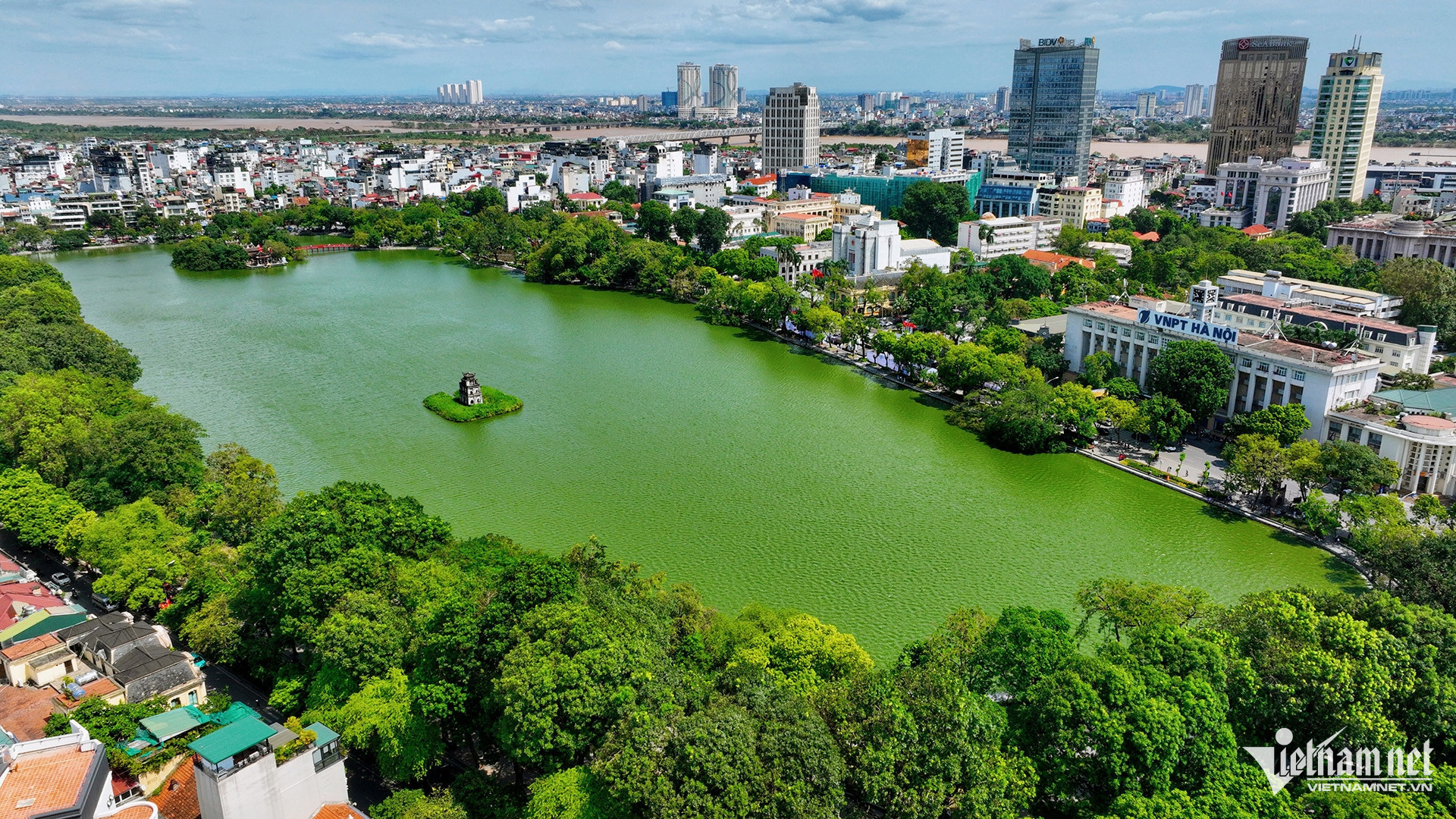
The Hanoi People’s Committee is seeking public feedback on a landscape architecture planning proposal for Hoan Kiem Lake and its surrounding area.
According to renderings, a number of existing structures would be renovated or expanded, while new architectural focal points would be introduced.
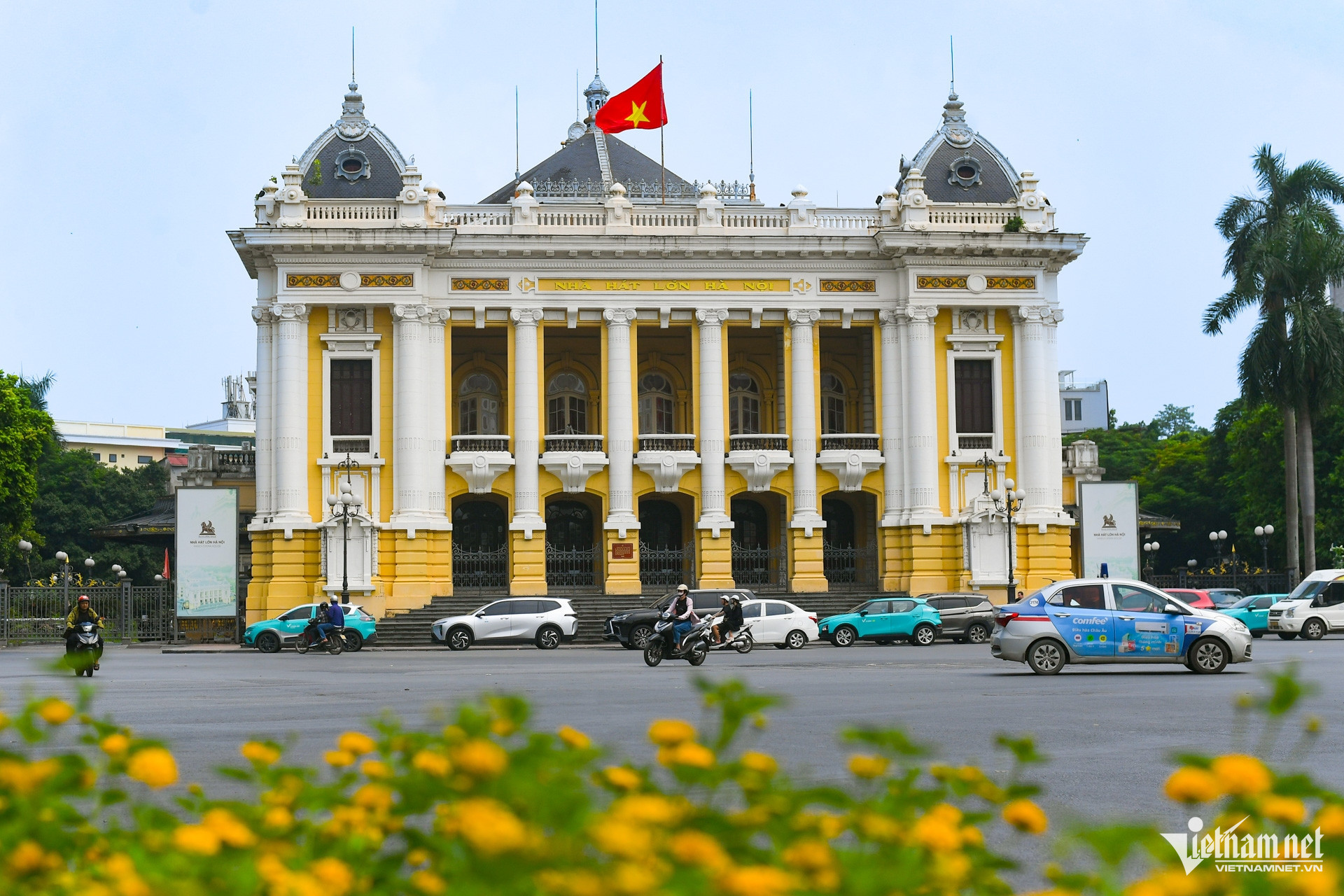
The Hoan Kiem Lake area is envisioned as a large public square and symbolic space for the Vietnamese capital. It would connect with August Revolution Square and the Hanoi Opera House to form a broader historical, cultural and artistic district.
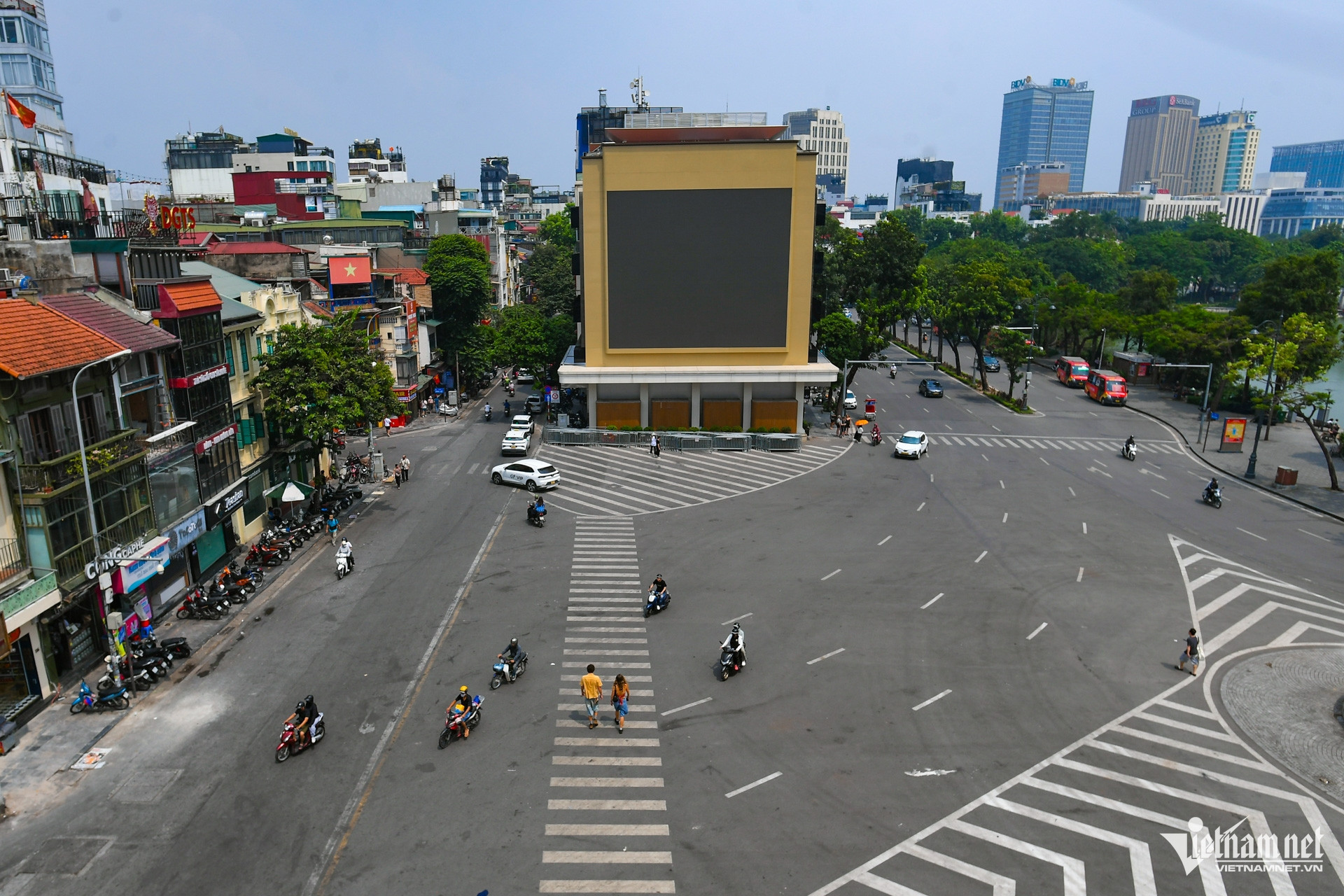
To the north of the lake, the proposal examines an expansion of Dong Kinh Nghia Thuc Square, creating a larger public space with stronger connections to Hoan Kiem Lake and the park and square planned to the east.
Dong Kinh Nghia Thuc Square would be more closely integrated with the lakefront. Cau Go Street is also proposed for expansion as a major traffic route around the lake while forming a north-south spatial axis.
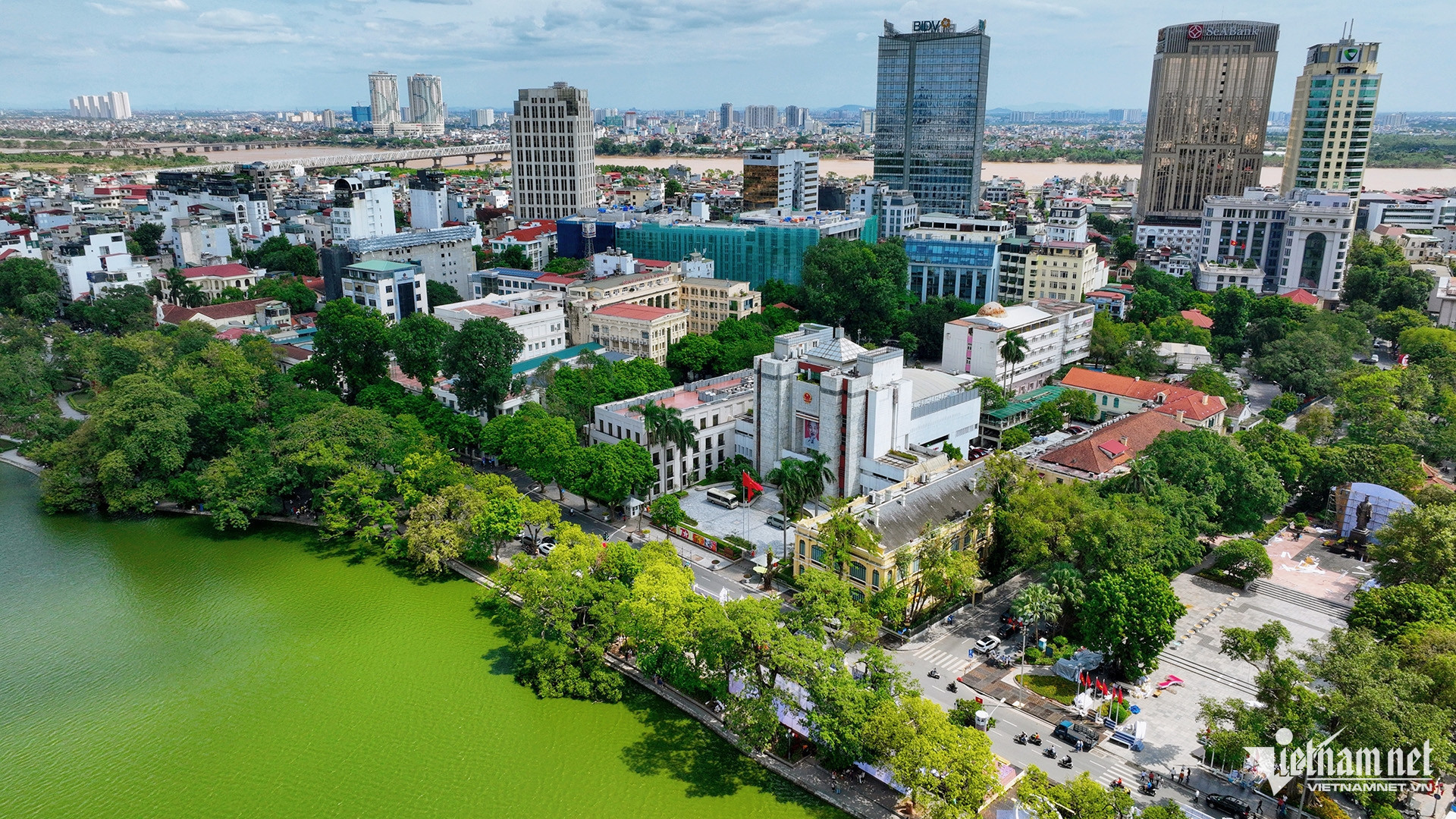
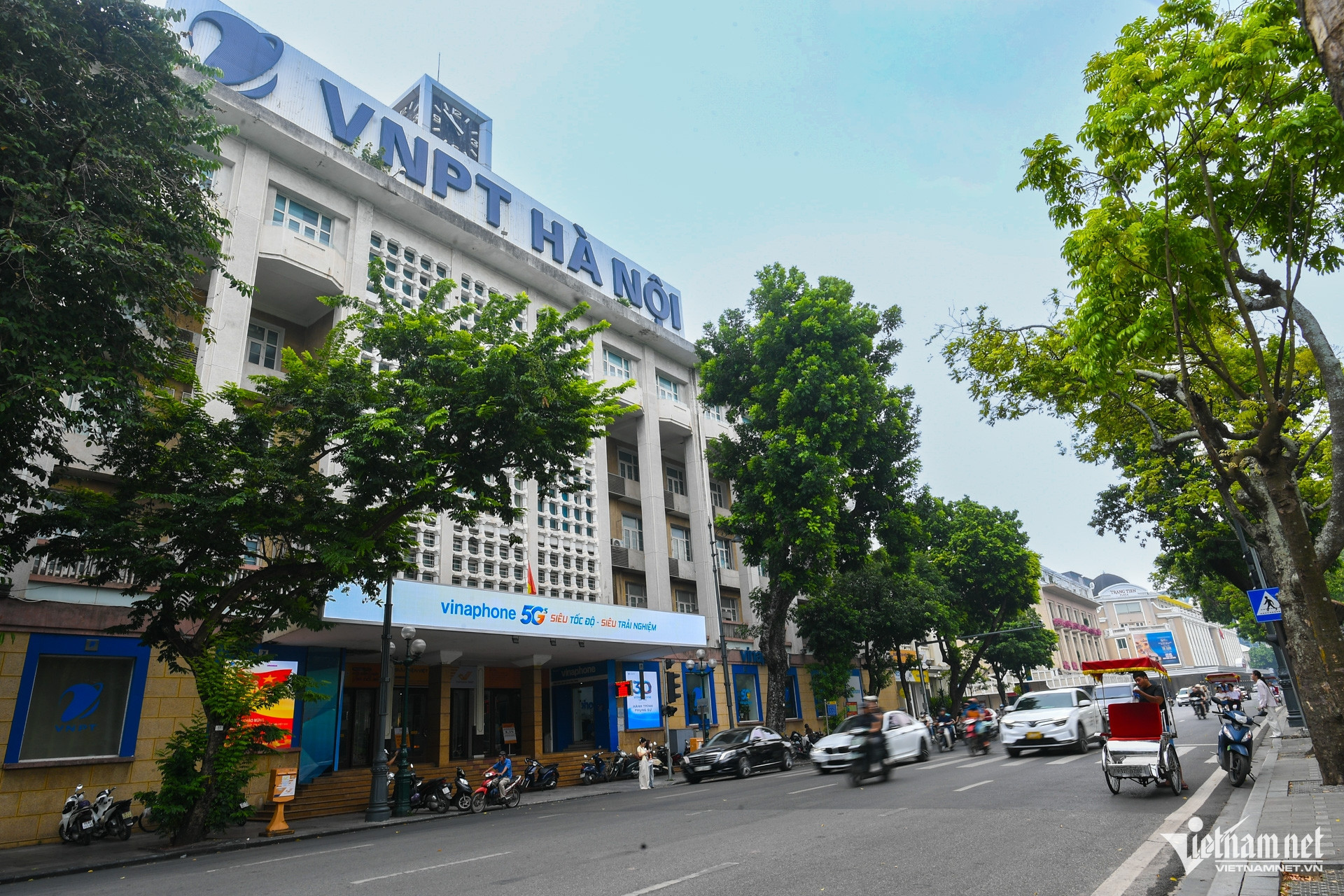
To the east, a network of squares and parks is being considered to connect the Hanoi municipal government headquarters, Ly Thai To Garden, Hanoi Post Office and Hoa Phong Tower.
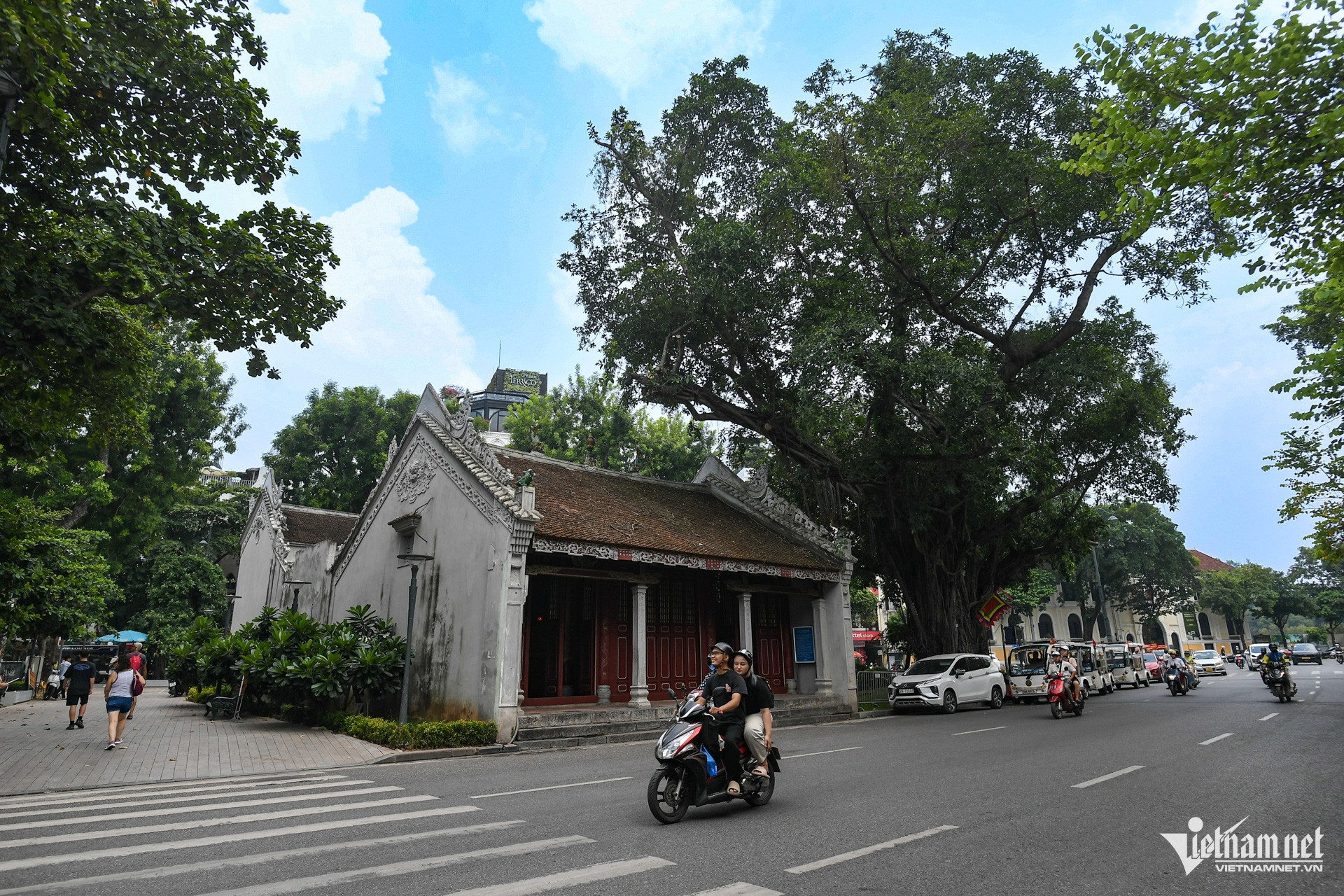
The proposal also calls for reorganising the space around Ba Kieu Temple to improve connections with the Dinh Le-Trang Tien area.
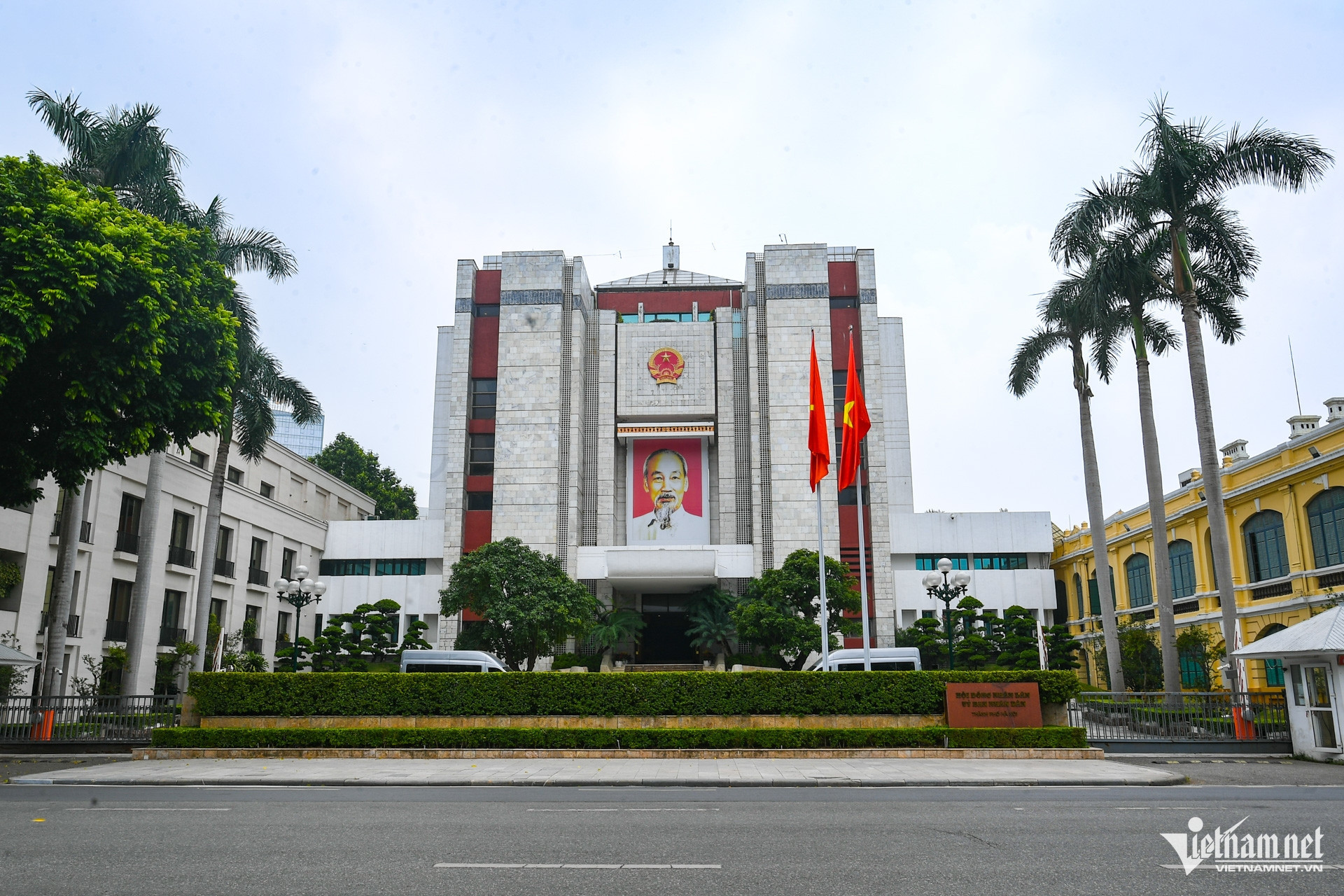
One notable element is a possible restructuring of the headquarters of the Hanoi People’s Council and People’s Committee.
Under the proposal, the site could be reorganised around a new building with nine above-ground floors and four basement levels.
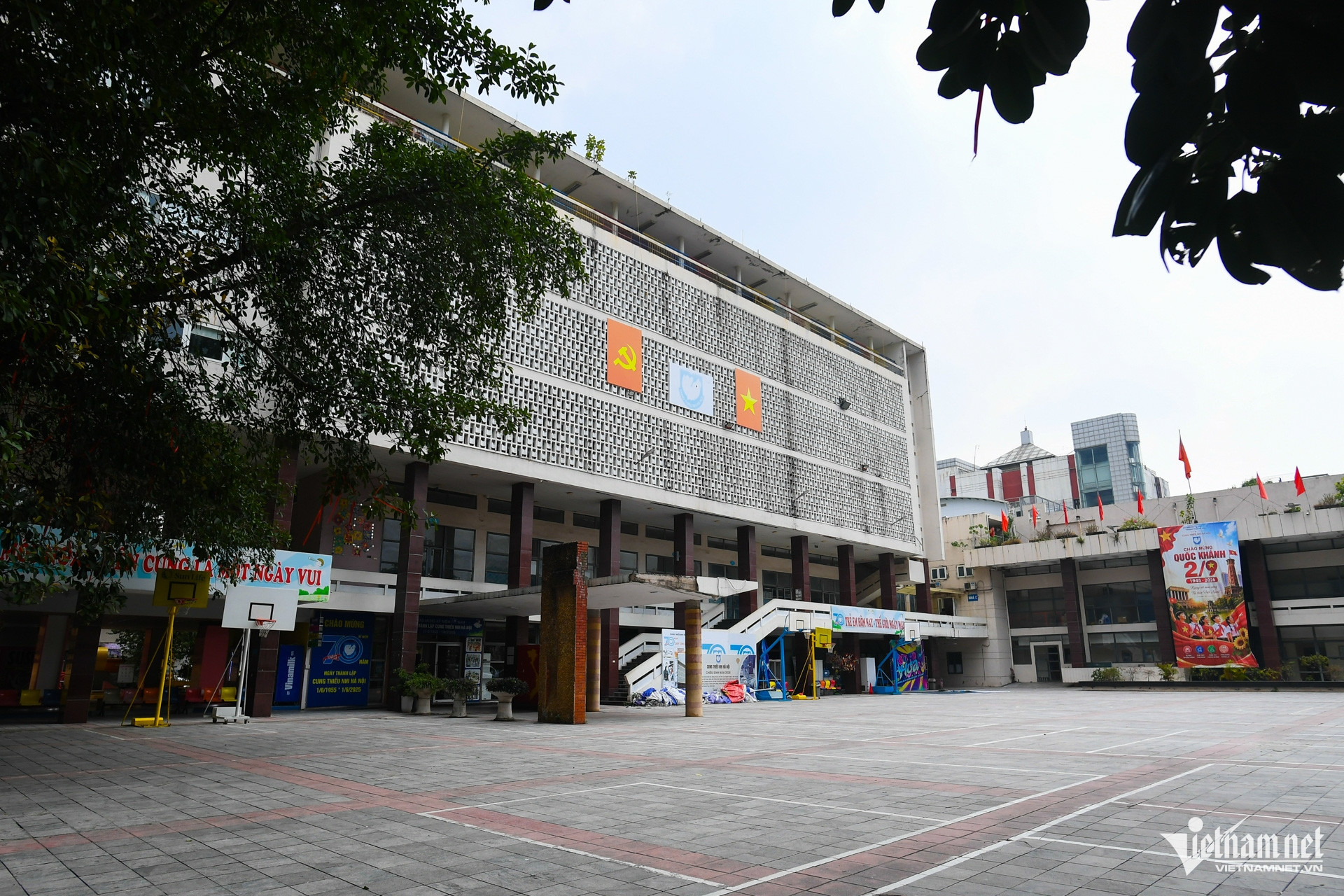
The plan also examines dismantling the existing headquarters of the municipal People’s Council and People’s Committee, the Red Scarf Theatre and a building within the Children’s Palace complex.
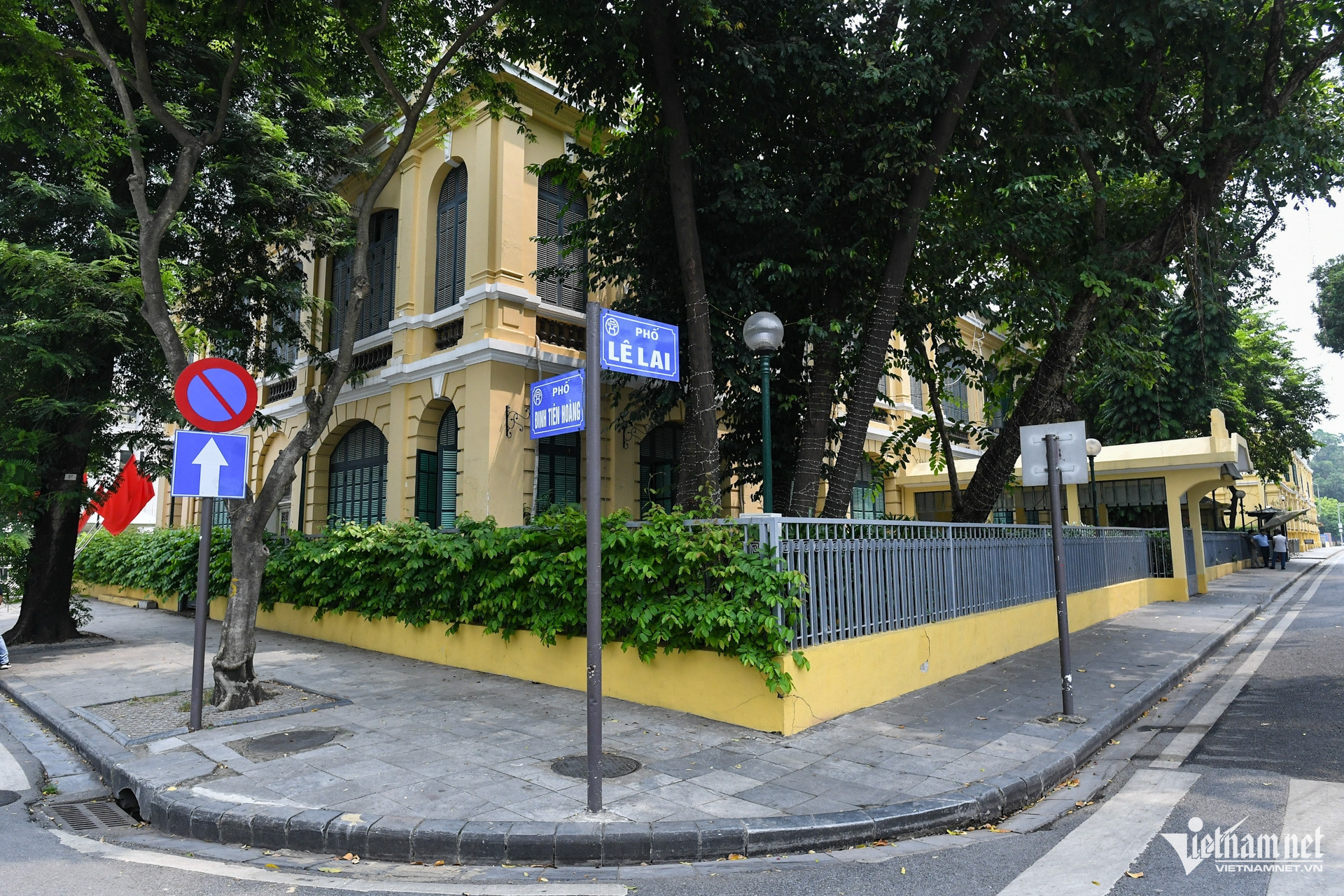
Three French colonial-era buildings - Au Tri Vien, the Indochina Treasury and the former Mayor’s Office - are expected to be preserved.
The redesigned area would follow north-south and east-west axes, connecting with planned parks and squares to the north and east, Ly Thai To Garden and Hoan Kiem Lake.
Around Hanoi Post Office, the proposal also considers dismantling several structures deemed architecturally unsuitable.
It proposes evoking and recreating elements of the former Bao An Pagoda’s distinctive architectural form in the central area of the post office grounds.
Another major element is the development of underground space rather than focusing solely on changes above ground.
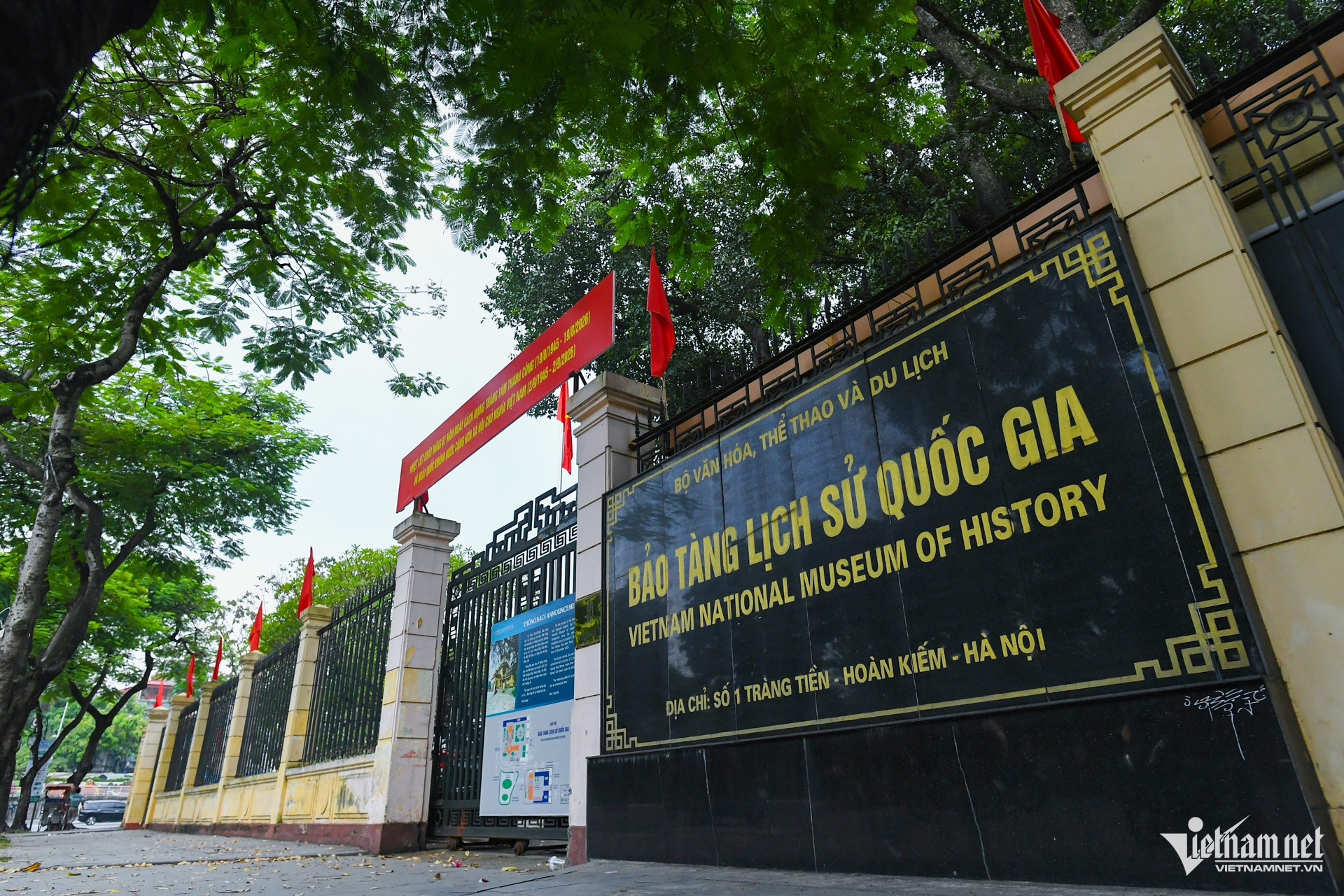
The underground network is envisioned as connecting Hoan Kiem Lake with the Hanoi Opera House, the Vietnam National Museum of History and new development areas, helping reduce pressure on surface-level public space.
Around August Revolution Square, the Hanoi Opera House, the Vietnam National Museum of History and neighbouring areas, the proposal seeks to link squares, gardens, museums and landscaped architectural spaces east of Hoan Kiem Lake.
An open cultural and arts space is being considered behind the Hanoi Opera House, combining an outdoor stage with existing buildings.
The sites of the Vietnam National Museum of History and the former Museum of the Vietnamese Revolution would be developed into an interconnected cultural complex extending both above and below ground.
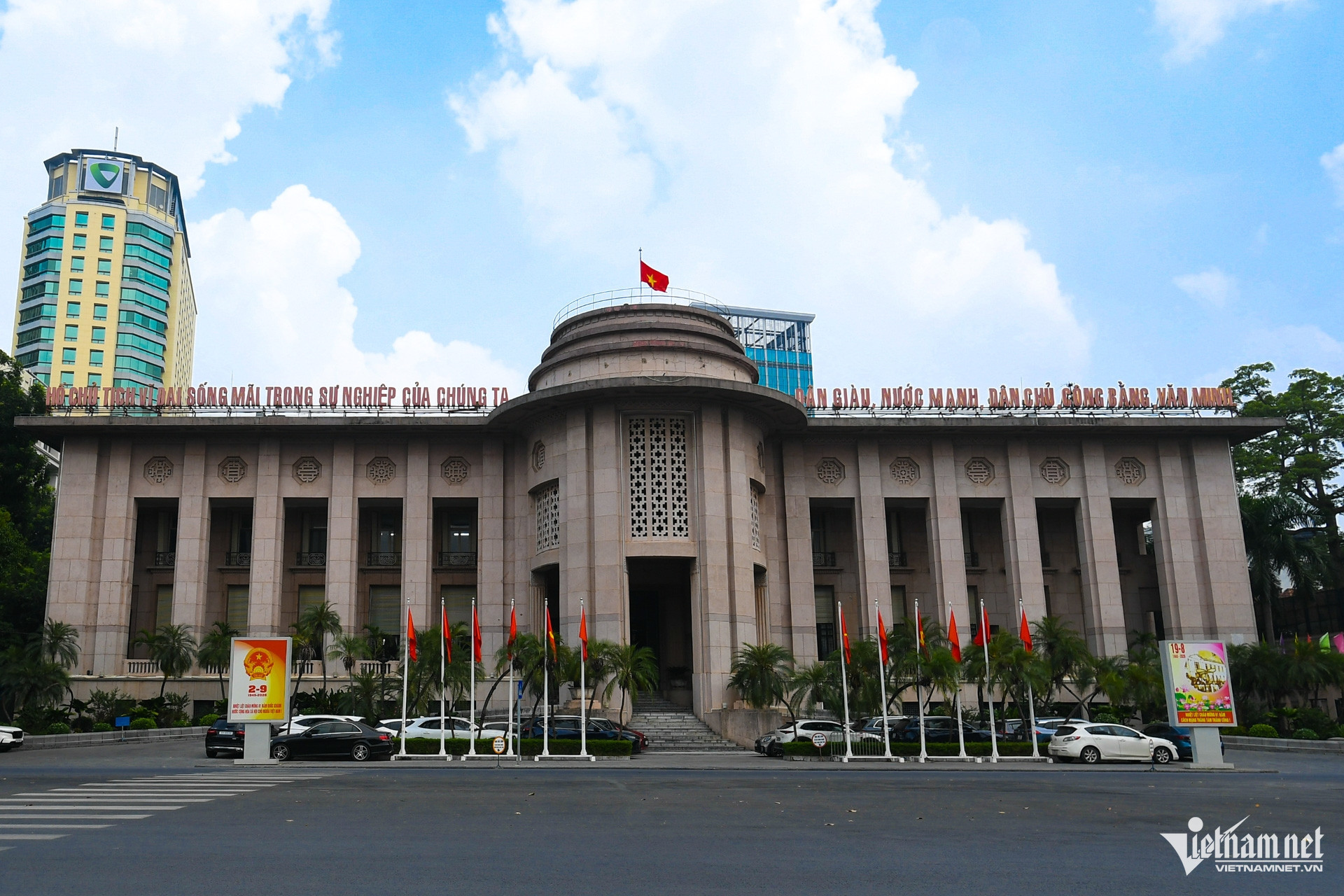
Following their consolidation, the former Museum of the Vietnamese Revolution site is being considered for a new development called the International Financial Tower.
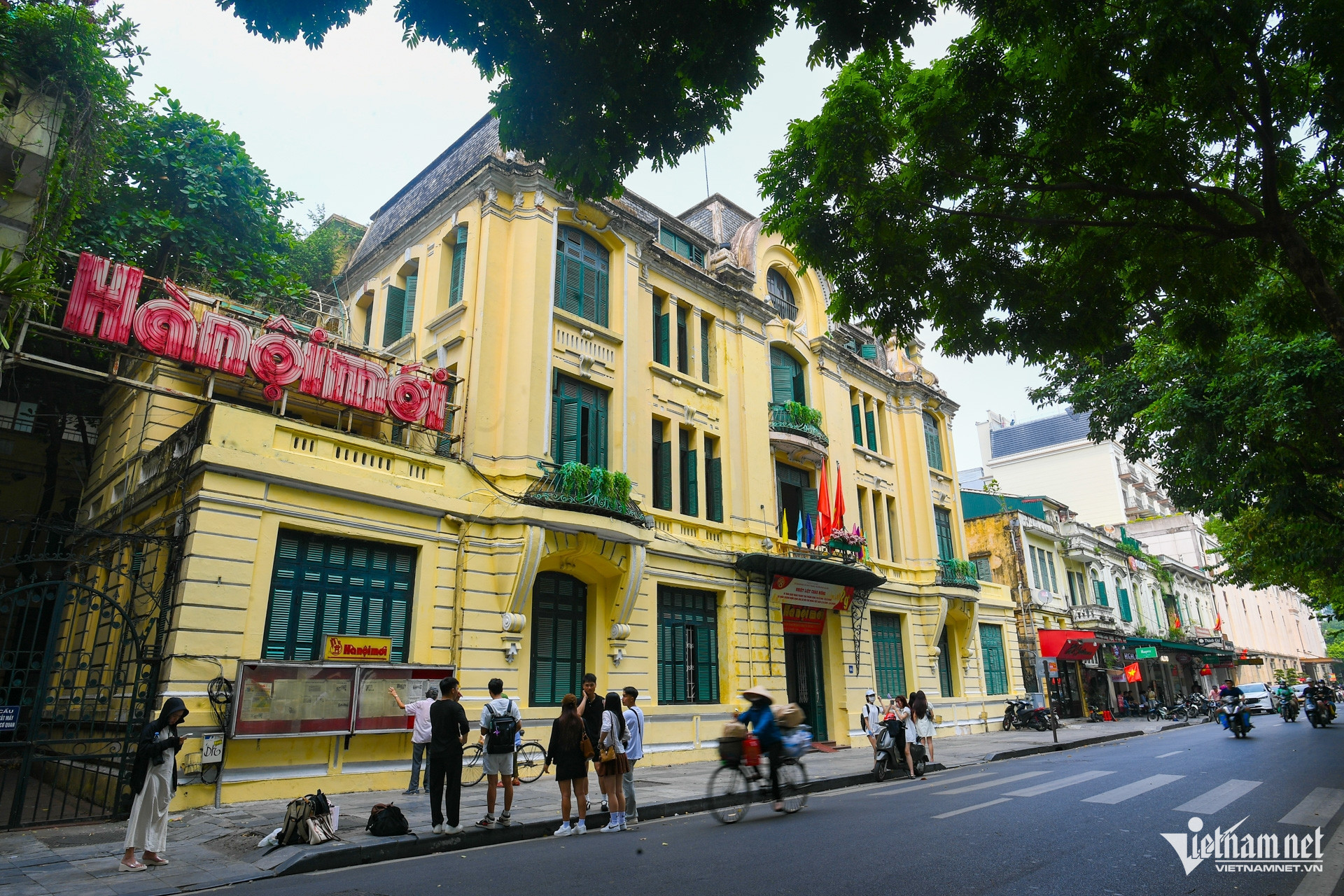
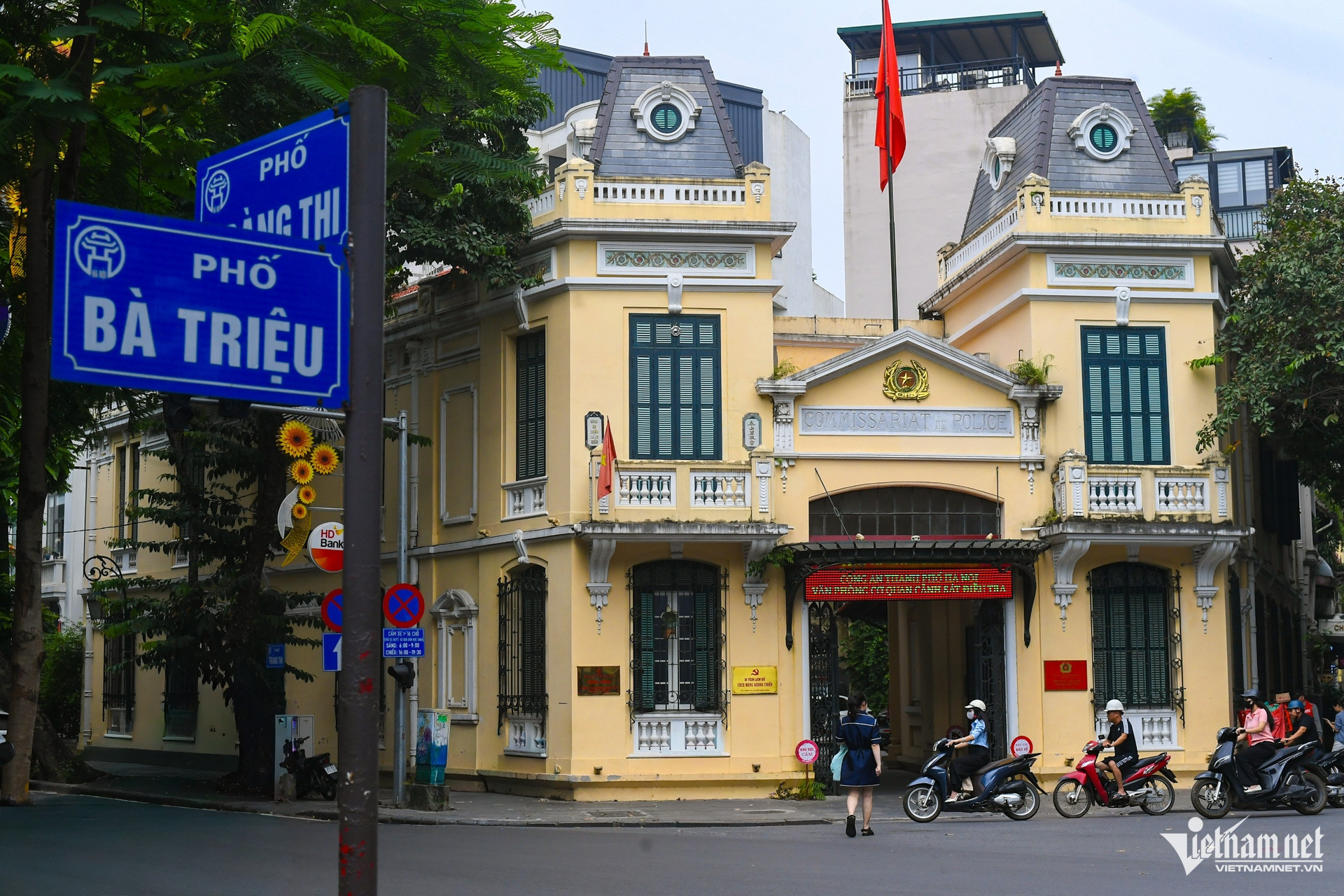
A high-end hotel is also under consideration on land currently occupied by the offices of Ha Noi Moi newspaper and its printing facility, the Hanoi police investigation agency headquarters at 2 Trang Thi Street and surrounding areas.
Beyond major architectural projects, several streets are also included in the planning study.
Southeast of Hoan Kiem Lake, the proposal examines small-scale commercial spaces incorporating cafes and kiosks while strengthening Trang Tien Street as a key axis connecting the lake with the Hanoi Opera House.
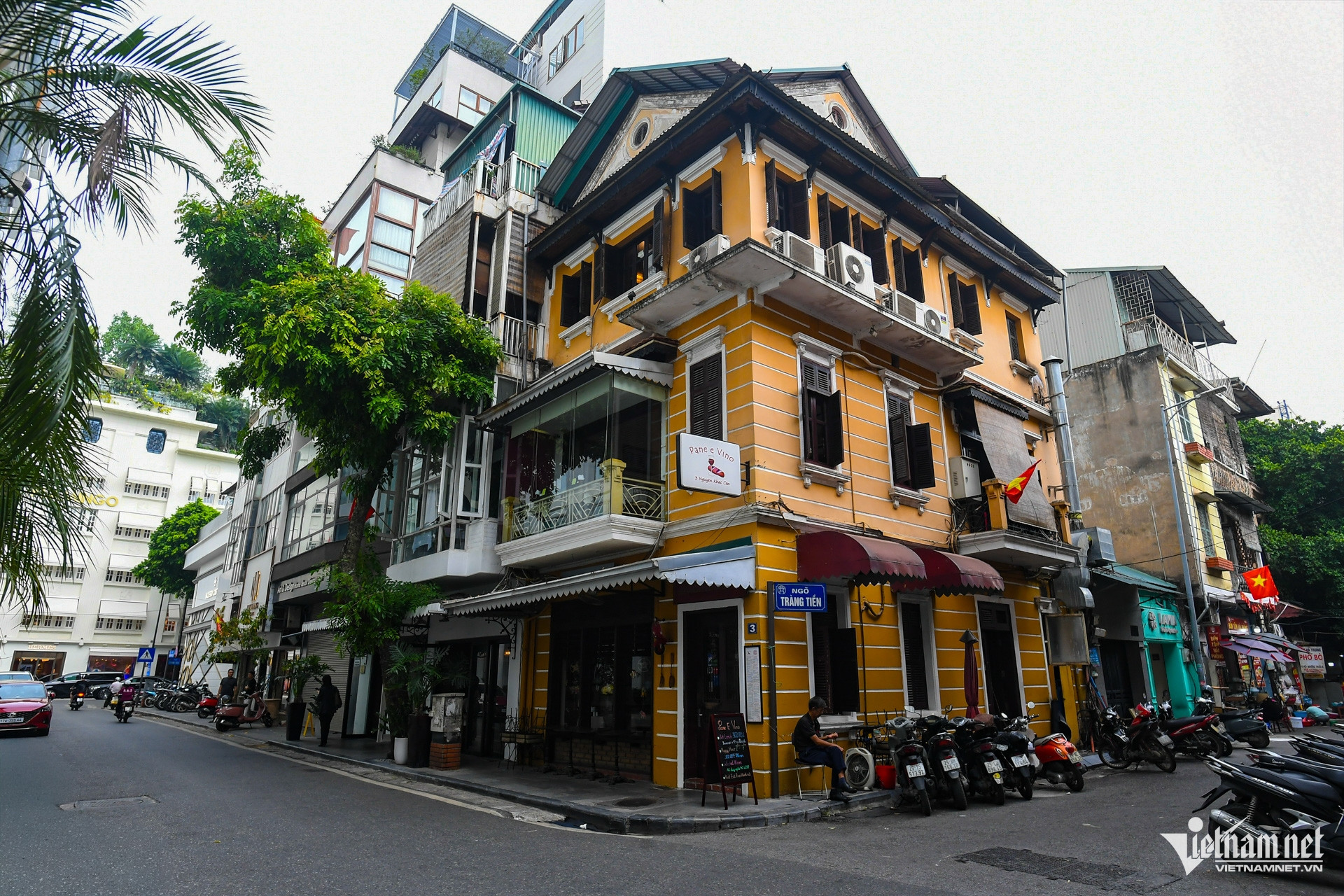
Nguyen Khac Can Street and Trang Tien Alley are proposed as pedestrian spaces.
Access to the Vu Thach communal house-temple-pagoda complex would also be expanded from Hang Khay, Ba Trieu and Hai Ba Trung streets.
To the west, Nha Tho Street would be extended toward Hoan Kiem Lake and connected with Le Thai To Street, creating additional open space and another pedestrian route.
Thach Thao
.svg)
