 Vietnamnet.vn

 Podcast



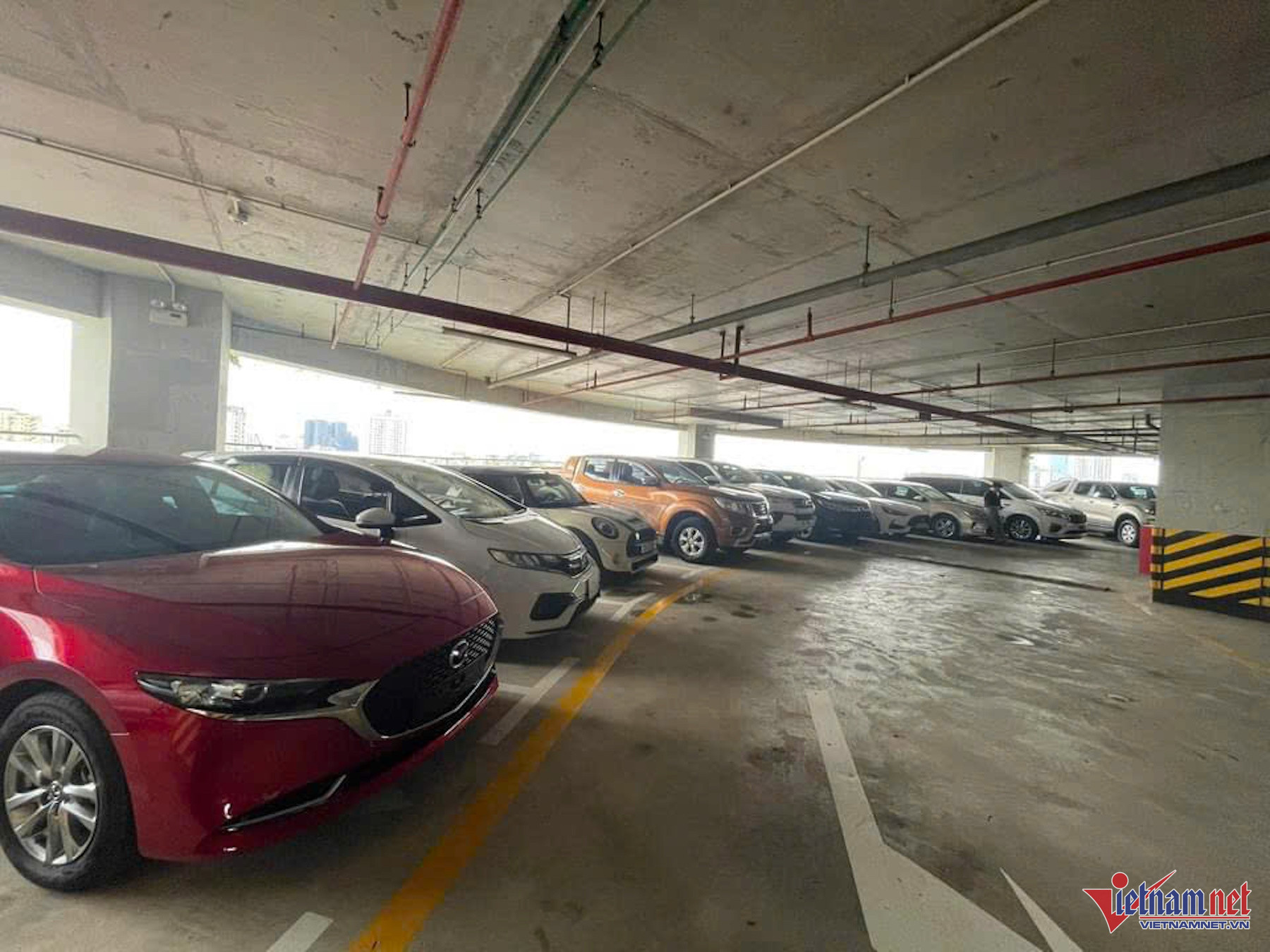
The Hanoi People's Committee is seeking public feedback on a draft decision requiring technology-based management and payment systems at bus terminals, parking lots and temporary parking facilities across the Vietnamese capital.
The proposed regulations would also cover paid parking areas in apartment buildings, shopping malls, office buildings, hospitals and schools.
However, private parking spaces used internally by government agencies, organizations and households that do not operate commercial parking services would be exempt.
Cashless payments proposed for parking facilities
Under the draft regulations, all parking fee transactions would have to be made through cashless payment methods, except in certain circumstances.
For cars, Hanoi proposes requiring all parking facilities to adopt technology enabling non-stop electronic fee collection.
The preferred payment method would be through customers' transport payment accounts. Vehicles without electronic identification tags or with accounts that are not eligible for payment could use other cashless methods.
Motorcycle parking facilities would also be required to use technology for management and operations and connect their data to government management systems.
Motorcyclists could pay automatically, through QR codes or using other cashless payment methods.
The draft would still permit cash payments when automated payment systems or management software experience technical failures, or when customers are unable to make cashless payments for objective reasons at the time of the transaction.
In such cases, parking operators would have to record the transaction in their systems, issue supporting documents and classify it as an exceptional cash payment in the data transmitted to the city.
The amount collected must not exceed the publicly displayed parking fee.
Parking operators would be prohibited from forcing customers to pay in cash or refusing valid cashless payment methods when their systems are functioning normally.
The proposal would also prohibit operators from requiring customers to install additional proprietary identification tags, open separate accounts with parking service providers, or purchase accompanying devices or services as a condition of parking their vehicles.
Parking fees, billing periods and available payment methods must be clearly displayed at entrances and payment locations.
Customers would be entitled to information about their entry and exit times, the amount charged and the payment method used, provided through electronic receipts or other transaction documents.
Operators would also have to provide at least two channels for handling transaction inquiries and complaints, including a telephone number and either an online or written communication channel.
Incorrectly collected fees would have to be reviewed, resolved and refunded within three working days.
Parking facilities required to transmit data to city authorities
Alongside changes to payment methods, the draft would require parking facilities to connect with Hanoi's centralized parking information management system.
Data transmitted to the city would include information about parking operators, facility locations, parking areas, permit validity periods and the number of available spaces.
Operators would also have to provide vehicle registration numbers, vehicle categories, entry and exit times, payment amounts and electronic invoice issuance status.
According to the draft's technical appendix, information about vehicle movements and changes in parking space availability would have to be transmitted immediately after each event, with a maximum delay of 10 seconds.
If a connection is lost, on-site systems must continue recording transactions, retain untransmitted data for at least 72 hours and automatically resend the information once connectivity is restored.
The draft explicitly prohibits unauthorized interference with equipment, software or databases.
It would also ban deliberately disconnecting data transmission systems to conceal revenue, avoid issuing electronic invoices or evade regulatory inspections and supervision.
Images of vehicles, license plate numbers and transaction details must be protected in accordance with personal data protection regulations.
The unlawful collection, use, sharing or sale of personal information, travel histories and payment data would be strictly prohibited.
Parking operators would be free to choose equipment and technologies appropriate to their facility's size and layout, provided their systems remain compatible with Hanoi's centralized management platform.
Equipment installation must not interfere with transport infrastructure or cause congestion at parking entrances, exits or adjoining roads.
Each parking transaction must be accompanied by an invoice or other required documentation.
Operators subject to mandatory electronic invoicing would have to connect their systems and transmit invoice data to tax authorities.
Those not yet required to issue electronic invoices would still have to record all transactions and provide customers with electronic receipts or other valid documents.
Parking facilities currently under construction, as well as newly licensed parking lots and temporary parking sites, would only be allowed to begin operations once they have implemented the required technology.
If an operator is found to be non-compliant, the competent authorities must issue a written notice and allow a corrective period of no more than 30 days.
Should violations remain unresolved after that deadline, temporary parking facilities could face suspension, permit revocation or refusal of license renewal in accordance with the law.
Other parking operators would be subject to penalties under administrative violation regulations and relevant sector-specific legislation.
Thanh Hue
.svg)
