 Vietnamnet.vn

 Podcast



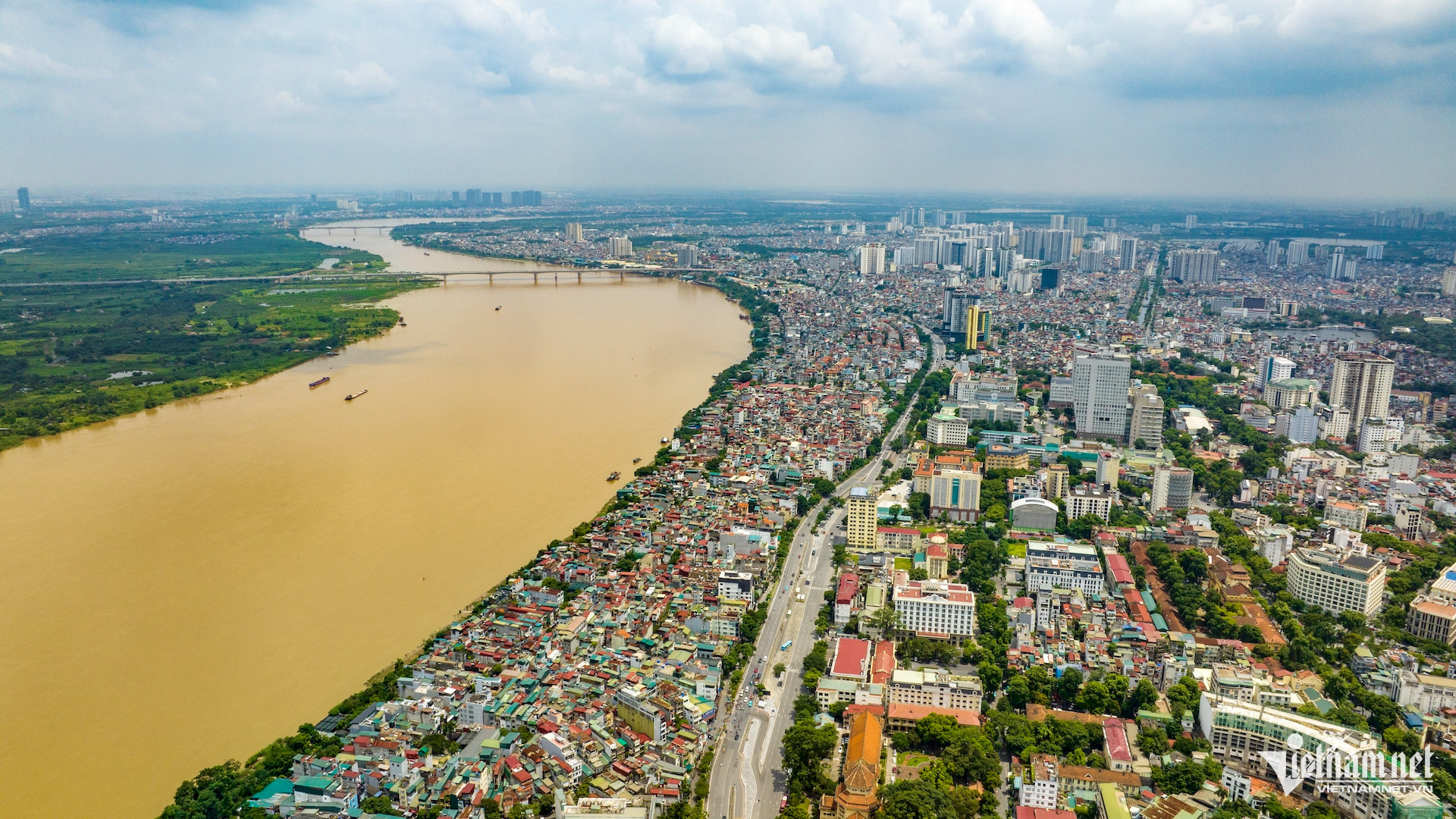
Speaking at a meeting with media agencies on the morning of May 19, Hanoi Vice Chairman Truong Viet Dung stressed that the city’s consistent policy is to safeguard the legitimate rights and interests of affected residents.
At the same time, the city will prioritize resettlement and reconstruction projects aimed at stabilizing residents’ living conditions and livelihoods.
The review of affected areas, land clearance and resettlement arrangements will be carried out in phases based on planning frameworks, technical solutions and the practical conditions of each area.
Authorities said implementation must comply with legal regulations while minimizing disruption to residents’ daily lives and income sources.
Resettlement areas to offer living standards equal to or better than existing homes
Truong Viet Dung said resettlement arrangements for affected households would follow the principle that new housing conditions must be equal to or better than current residences.
The proposed resettlement and reconstruction urban zones are expected to be located in Long Bien, Linh Nam and Bat Trang.
The resettlement urban area in Long Bien Ward will cover about 201 hectares and is expected to provide between 40,000 and 42,000 housing units.
Meanwhile, the resettlement area in Linh Nam Ward will span approximately 98 hectares and provide between 15,000 and 16,000 housing units.
In addition, a multi-purpose urban area in Thu Lam Commune and Dong Anh Commune covering roughly 700 hectares is completing detailed 1:500 planning procedures and is preliminarily expected to accommodate between 16,000 and 18,000 residential land plots.
The total number of resettlement land plots and high-rise apartment units is estimated at between 79,000 and 85,000 units, broadly meeting the housing demand of households affected by the project.
Hanoi authorities described the project as a long-term strategic development initiative for the capital’s urban space, landscape, ecological environment and future growth capacity.
The project is also considered a key step in implementing Hanoi’s long-term master plan and concretizing major policies and orientations set by the Communist Party Central Committee and the Politburo for building a “Cultured - Civilized - Modern - Happy” capital in the country’s new development era.
During the research and implementation process, Hanoi said it would continue coordinating closely with central ministries, scientists, experts, local communities and media agencies to ensure the project complies with legal regulations.
Authorities added that the project must also meet scientific and technical standards, ensure flood prevention and environmental protection requirements and deliver investment efficiency while balancing the interests of the state, residents and businesses.
Thanh Hue
.svg)
