 Vietnamnet.vn

 Podcast



Over the decades, Ho Chi Minh City has been one of the country’s key engines of growth, reform, and global integration - contributions that, he said, are “undeniably real.”
But that very success, Duoc noted, now presents new demands. The city must move beyond its old development patterns, embrace deeper and more strategic self-renewal, and adopt a long-term, sustainable vision.
“The central government has placed special expectations on HCM City - not just to grow fast, but to grow differently. Not just to lead, but to pioneer. And not just to succeed for itself, but to generate momentum for the entire country,” he said.
Strategic vision for transformation
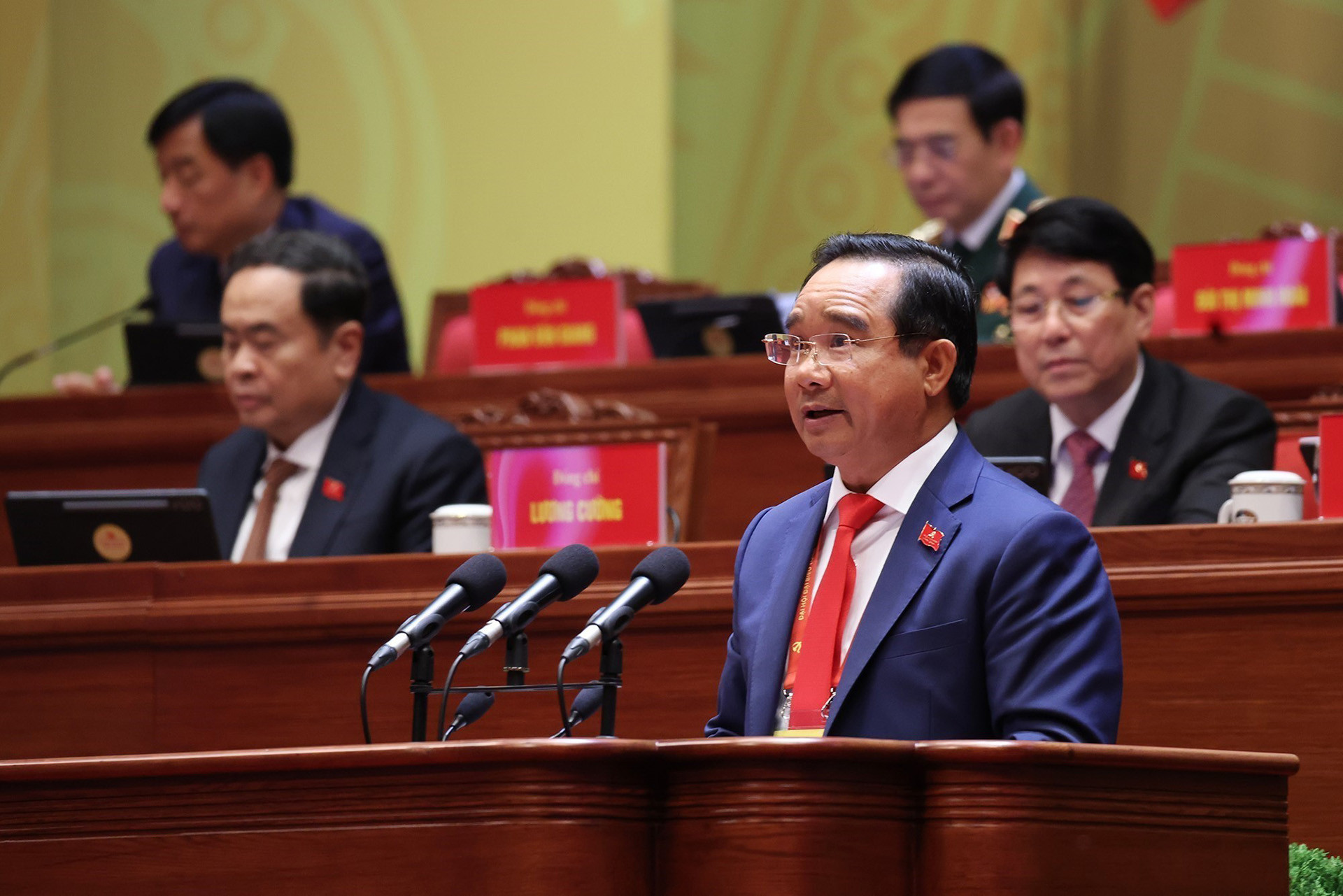
Chairman Nguyen Van Duoc presents HCMC’s strategic vision.
HCMC is expected to become a national testbed for policy innovation, a convergence point for science and technology, and a benchmark in modern urban governance.
According to Chairman Duoc, this is both a national recognition and a strategic commitment - one that requires concrete foundations. The city has identified three main pillars for real, substantive breakthroughs.
The first is institutional reform, which he called “the prerequisite for change.” HCMC must be empowered to design and implement more flexible, context-appropriate mechanisms that reflect its unique scale and contributions.
The second is a shift in growth drivers. Duoc warned that continued reliance on land capital and low-cost labor would soon cap the city’s economic potential. With signs of a slowdown in gross regional domestic product (GRDP) growth over the past decade, he emphasized that “only knowledge, technology, and people can ensure sustainable development.”
He argued for a two-tiered approach: to move fast but also far, and to meet immediate needs while planning for long-term prosperity. HCMC should position itself as the chief architect and coordinator of regional linkages - a hub of finance, technology, and advanced services. It must also integrate high-tech agriculture, logistics, and production in ways that generate shared, inclusive value.
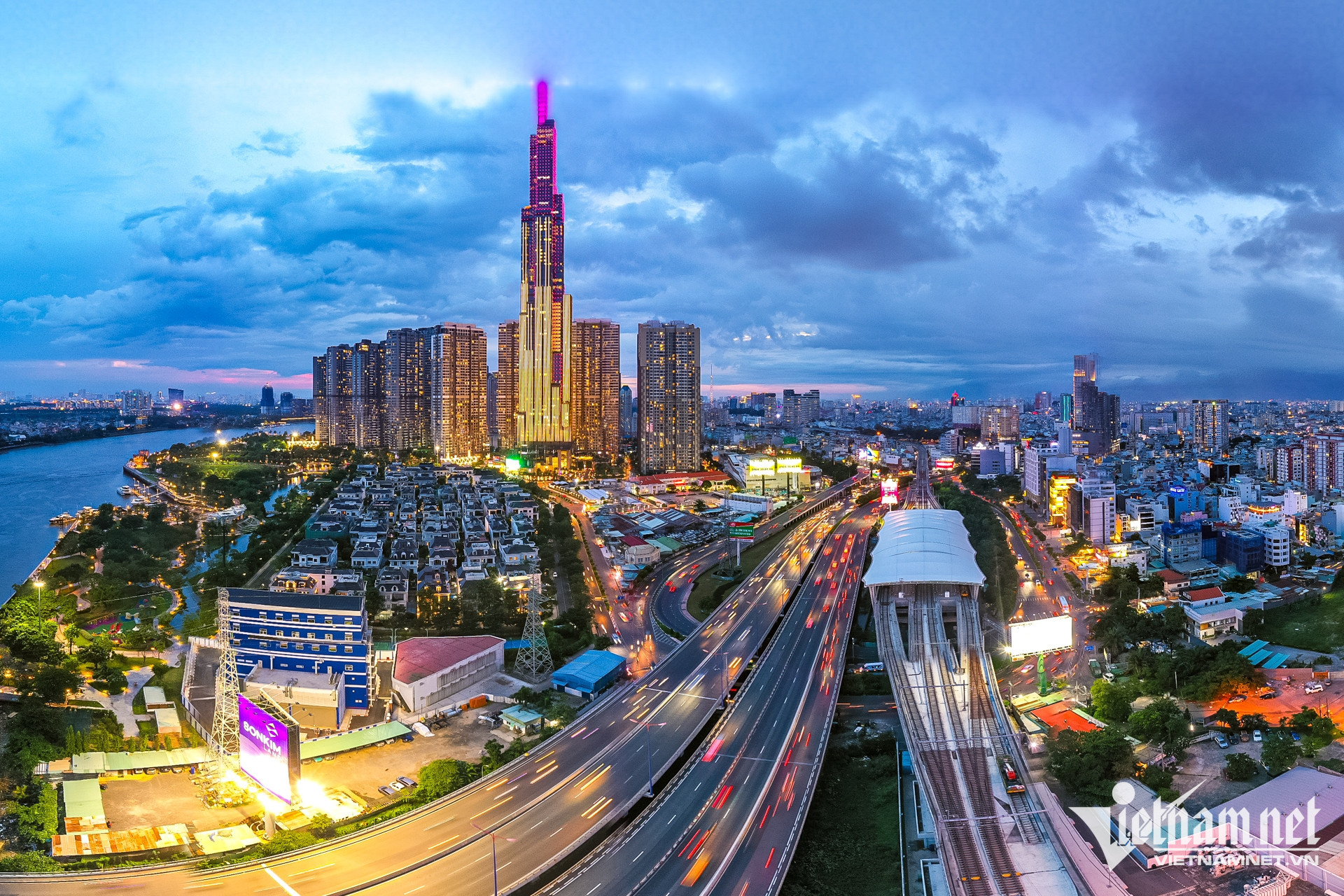
HCMC’s ultimate goal, Duoc said, is to become a globally competitive, livable city - where progress goes hand in hand with equity, and innovation is inclusive, not exclusive.
“A livable city isn’t defined by the size of its economy,” he said. “It’s defined by quality of life, social cohesion, public trust - and whether it can retain talent, foster creativity, and strengthen faith in the social system.”
Hanoi commits to bold reforms and digital leadership
Representing the Hanoi Party Committee, Standing Deputy Secretary Nguyen Van Phong delivered a keynote on reforming leadership practices in the capital.
Phong highlighted that Hanoi’s recent term has seen strong economic recovery, with average annual growth at 6.57% and a peak of 8.16% last year. The city’s economy now stands at approximately USD 63.5 billion - second largest nationwide.
In 2025, Hanoi’s fiscal revenue hit a record USD 29 billion. Average income rose to nearly USD 7,200 per person per year. Social welfare programs expanded significantly, securing Hanoi’s lead in public service delivery and quality-of-life improvements.
Phong said the city had taken aggressive steps to tackle chronic urban problems such as traffic congestion, flooding, pollution, and food safety. It also embraced decentralized governance, digital transformation, and a new growth model focused on achieving double-digit expansion between 2025 and 2030.
Reclaiming Hanoi’s spirit with a global outlook
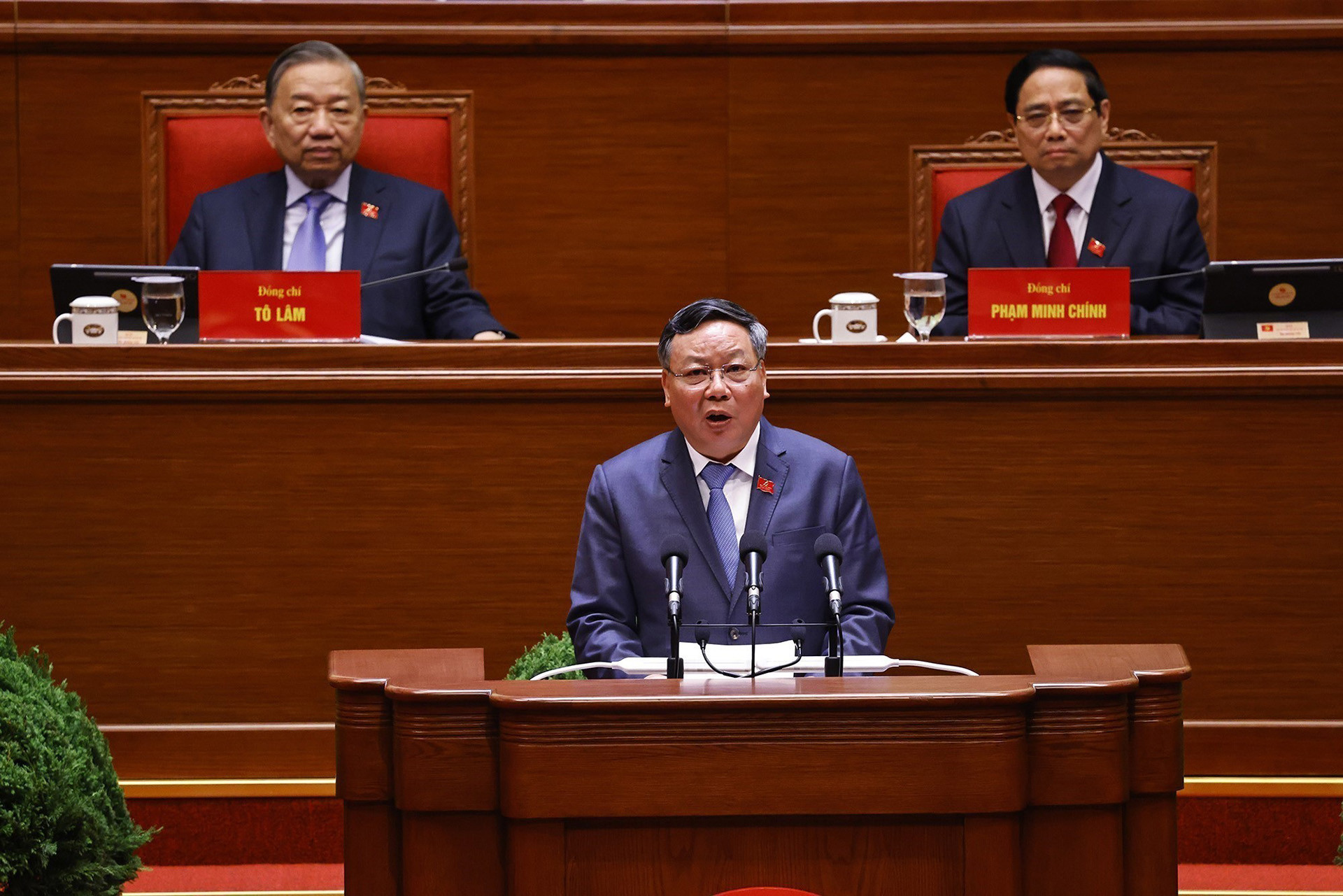
Deputy Secretary Nguyen Van Phong outlines Hanoi’s reform agenda.
The capital’s Party leadership, Phong noted, has drawn critical lessons in recent years - chief among them being the need for unity, decisiveness, and presence on the ground. This includes embracing a spirit of “six dares”: to think, speak, act, be accountable, innovate, and face adversity head-on.
“Hanoi’s path forward must reconcile two goals: to overcome long-standing constraints and to achieve breakthrough development,” he said.
This means answering the strategic question posed by Party General Secretary To Lam: How can Hanoi define a model of growth that both preserves its Thang Long identity and evolves into a creative, green, and globally connected megacity?
A bold, layered, and climate-ready plan
To meet this challenge, Hanoi has adopted a new strategic orientation. Innovation, science, and digital transformation will be the city’s main growth drivers. Urban planning will shift toward a multi-nodal, multi-layered, green, and climate-adaptive model.
The goal is not just functional efficiency, but also symbolic leadership - showing the way in policy experimentation that Central Government can later replicate nationwide.
“The real bottleneck lies not only in resources, but in how we lead and how we implement,” Phong said. “Managing a megacity like Hanoi demands a shift from command-based governance to a modern leadership model: a digital Party organization, an enabling state, pioneering enterprises, and a socially cohesive citizenry.”
Four commitments for a new political era
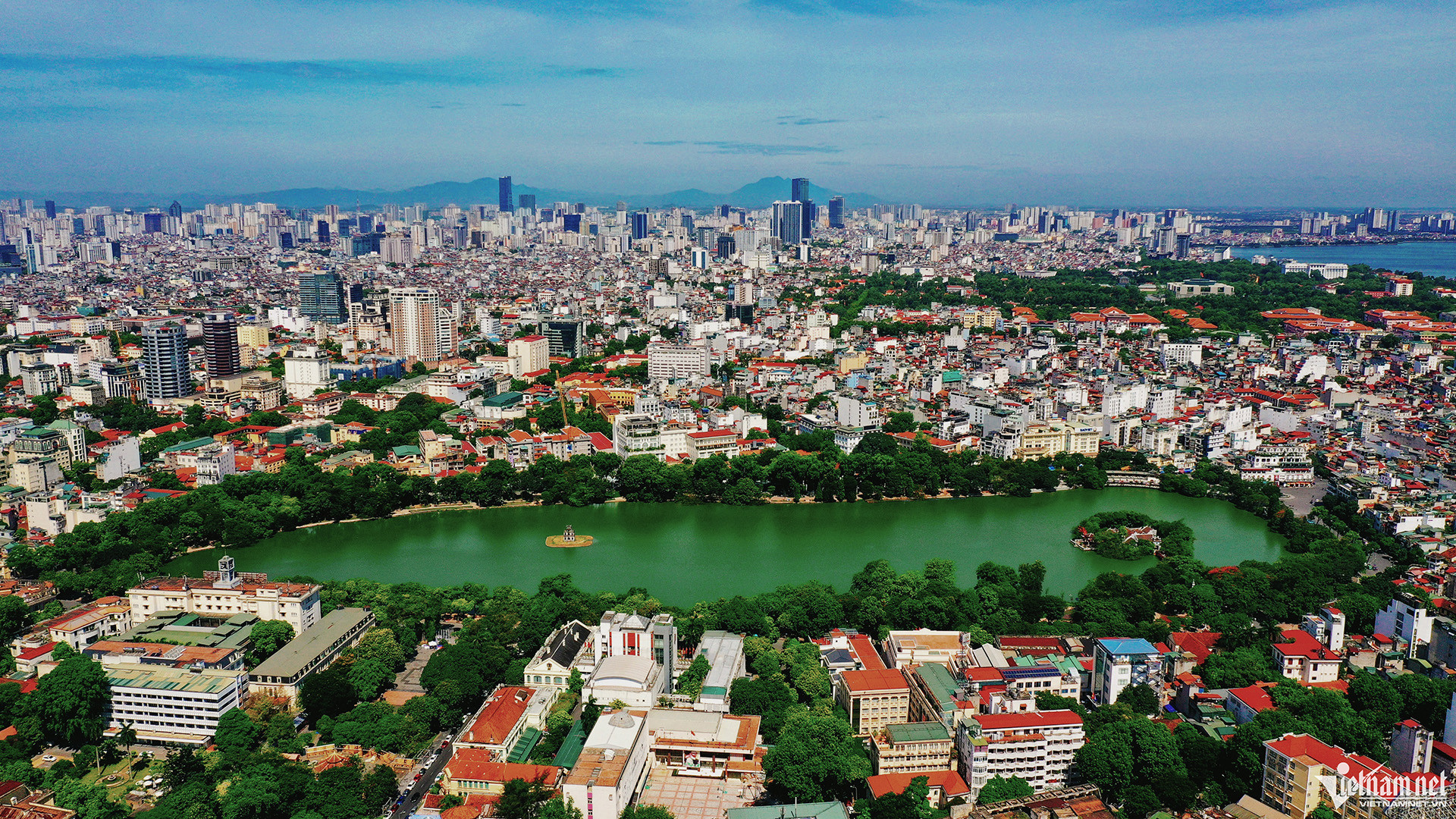
The Hanoi Party Committee made four public pledges.
First, to lead the reform of Party leadership methods in the digital era - and to treat this as a core political duty in all Party activities.
Second, to serve as a controlled pilot ground for new models in governance, institutions, organization, digital transformation, and innovation - to generate evidence-based insights for national policy.
Third, to take full political responsibility before the Party and people for implementation results - and to eliminate any mindset of avoidance, fear of mistakes, or blame-shifting.
And finally, to become a national model of modern, honest, action-oriented, and development-driven governance.
Tran Thuong & Huong Quynh
.svg)
