 Vietnamnet.vn

 Podcast



Binh Minh
Located on Chua Boc Street in Dong Da Ward, Hanoi - once a fierce battlefield during the Tây Sơn rebellion - Boc Pagoda, also known as Sung Phuc Tu or Thien Phuc Tu, remains a quietly sacred presence amid the bustling city.
The outer three-entrance gate sits by the sidewalk. Its arched structure features eight-tile roofs, a sun motif at the top, and an inscription of "Thien Phuc Tu."
According to the pagoda’s historical site management and local elders, as well as Vietnamese historical records, Boc Pagoda was originally built in the 11th century in Khuong Thuong hamlet of Quang Duc district, Phung Thien province.
The temple was constructed on land shaped like a turtle and crane - symbols of longevity and harmony - intended to bring blessings to the local community.
However, time and conflict repeatedly damaged the structure.
In the Year of the Rooster, 1789, the Battle of Dong Da devastated the temple. Emperor Quang Trung later issued a royal decree to rebuild the village pagoda.
Three years later, in 1792, the monk Le Dinh Luong, with support from the local people, restored the temple on its original foundation and renamed it “Thien Phuc Tu.” It was to be a place of prayer for the souls of the war dead - including enemy Qing soldiers.
The name “Boc Pagoda” emerged from this time. “Boc” means “exposed,” referencing the image of Qing soldiers’ corpses strewn across the fields after the Tây Sơn victory.
Since then, the pagoda has served not only as a place of Buddhist worship but also as a powerful historical testament to the country’s enduring spirit of forgiveness and humanity.
A unique statue of a deity with imperial form
What makes Boc Pagoda especially memorable is a mysterious statue that, though worshipped as a “Duc Ong” (guardian spirit), is sculpted in the likeness of an emperor.
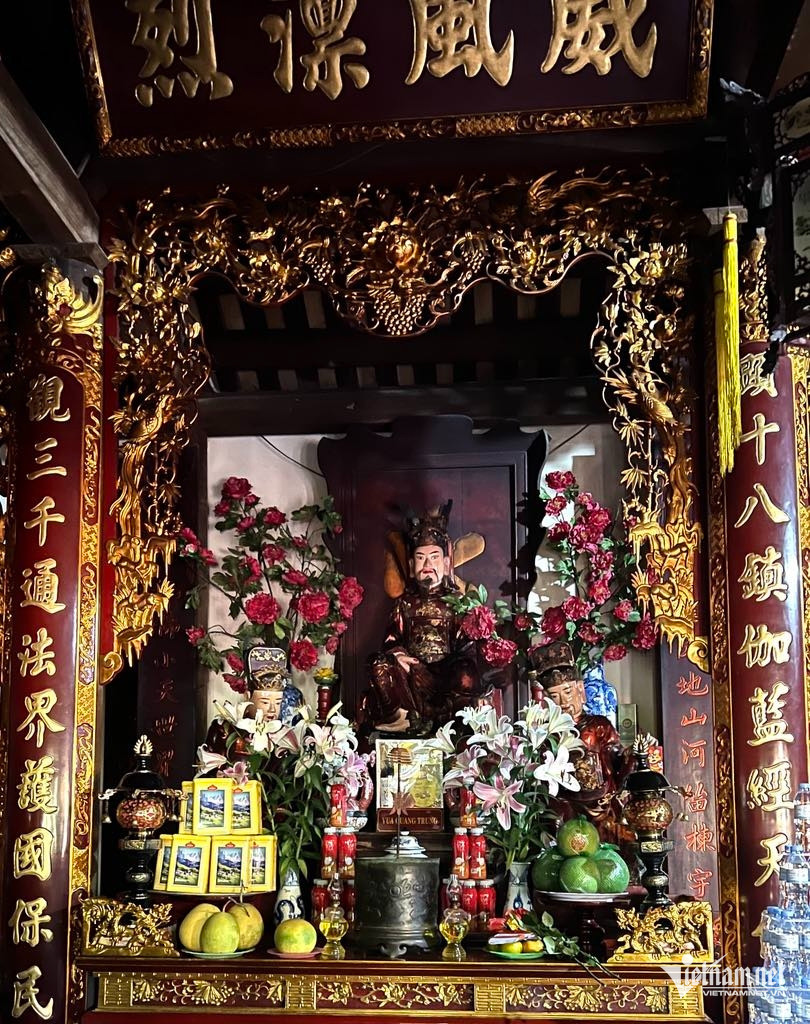
Researcher Tran Huy Ba observed that the figure wears a majestic yellow robe embroidered with dragons, a jeweled belt, and a high imperial headdress with two golden tassels hanging by each ear - a royal headpiece design.
The life-sized statue sits prominently on a lacquered pedestal in a relaxed, natural posture - one leg tucked in a ceremonial shoe, the other resting outside. Flanking it are two smaller statues posed like royal advisors in counsel.
Their arrangement and demeanor differ significantly from typical Buddhist guardian statues.
Above them hangs a gold-gilded plaque reading “Uy phong lam liet” (Majestic and dignified) - a rare inscription for Buddhist temples, usually reserved for shrines honoring national heroes.
In 1962, museum officials and the then-abbot, Venerable Thich Thanh Ton, discovered an inscription behind the statue: “Created in the year Binh Ngo - Statue of Quang Trung.” The year Binh Ngo corresponds to 1846, during the Nguyen dynasty, which had banned the worship of the fallen Tây Sơn regime.
Scholars widely believe the statue is of Emperor Quang Trung, hidden in plain sight. To protect this spiritual legacy from suppression, locals and monks disguised it as a Buddhist guardian.
This explains the statue’s unique blend of imperial authority and warm humanity - a divine figure rooted in the people’s collective memory.
The poetic couplets hung beside the statue reflect this dual symbolism:
“Beneath the heavens, the land, mountains, and rivers bow in reverence.
Quang Trung transforms into Buddha, reshaping the world’s destiny.”
“Enlightened across ten directions, earth and heaven tremble in awe.
Reaching all realms, safeguarding the nation, protecting its people.”
Some interpret “Quang Trung” as the name of a bodhisattva from Indian scripture, thus praising the figure as a spiritual sage. Others see it as coded reverence for the emperor who changed the fate of Vietnam and brought peace to its people.
A sacred historical-cultural treasure in the heart of the city
Beyond the statue, Boc Pagoda is a remarkable architectural and religious complex.
Facing southeast, its layout follows the traditional “Dinh” (T-shaped) plan and includes key structures: the three-entrance gate, “Elephant Bath” pond, front hall, main sanctuary, ancestral hall, Thanh Mieu shrine, and stupa garden.
To the left of the pagoda, about 30 meters from the main sanctuary, stands the Thanh Mieu shrine. Folklore holds that Emperor Quang Trung not only spared the surviving Qing soldiers but also established this shrine to pray for the souls of his fallen enemies.
A folk verse memorializes this tale:
“Dong Da bears its mark here still.
One side Thanh Mieu, the other Boc shrine.”
The pagoda also houses hundreds of finely carved statues, exquisite couplets and horizontal plaques, and a bronze bell cast during the reign of Emperor Canh Thinh.
The preservation of these valuable artifacts is credited to the late abbot Venerable Thich Thanh Ton (real name Nguyen Van A), born in 1893 in Ha Nam Province. He began his spiritual training at the age of eight.
In late 1946, as resistance to colonial forces spread, Venerable Thanh Ton evacuated with locals to Thi Nguyen Pagoda (now in Thanh Oai District). He gave the temple to the military for use and carefully hid sacred objects like altars and bells in the temple well.
After Hanoi’s liberation in 1954, he returned to recover and restore the pagoda’s treasures.
In 1961, Boc Pagoda faced demolition to make way for new construction. The abbot and local villagers actively resisted.
On January 13, 1964, the Ministry of Culture officially designated Boc Pagoda as a national historical and cultural heritage site.
Today, it serves as a sacred destination for those seeking to explore Hanoi’s layered history, architecture, and spiritual legacy.
Each year on the 5th day of the Lunar New Year, a ceremony is held at Boc Pagoda and the nearby Dong Da Mound to commemorate Emperor Quang Trung, honor fallen soldiers from both sides, and pray for peace.
This annual tradition is more than a festival - it is a powerful reminder of Vietnam’s enduring values of compassion, tolerance, and reverence for peace.
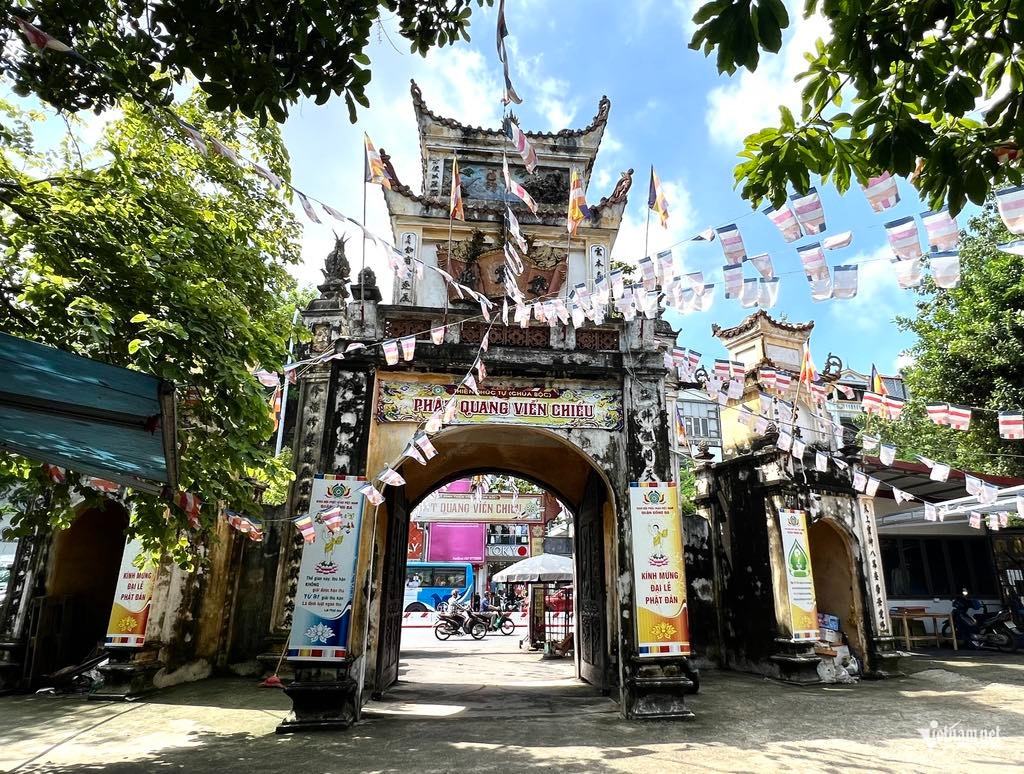


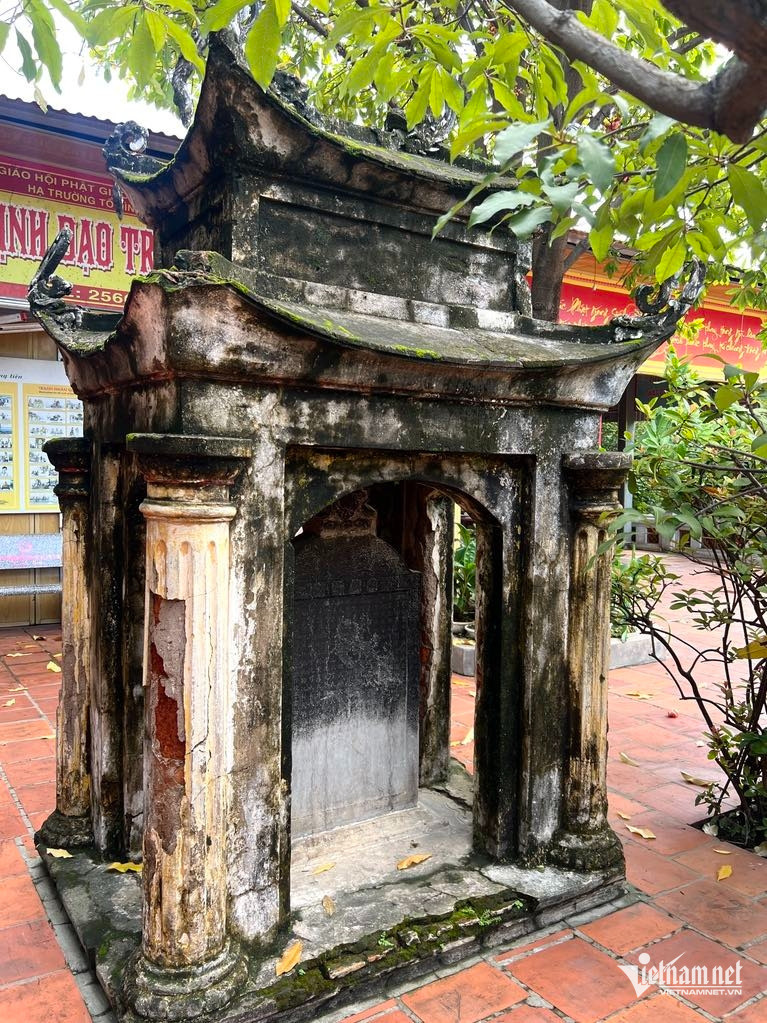
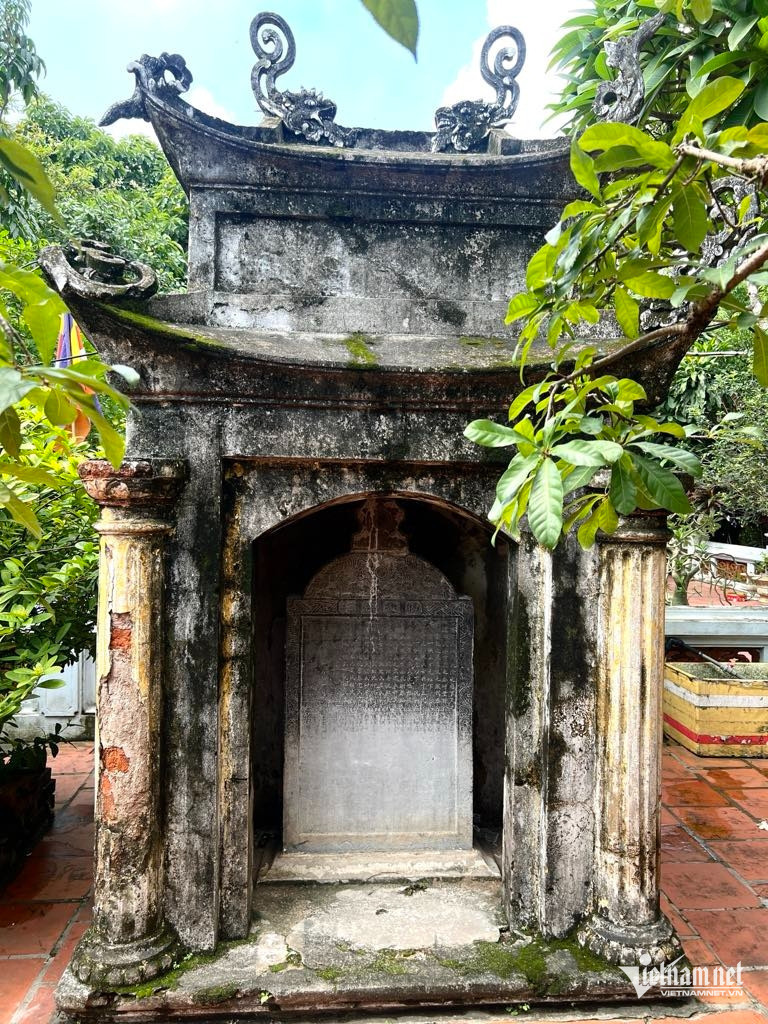

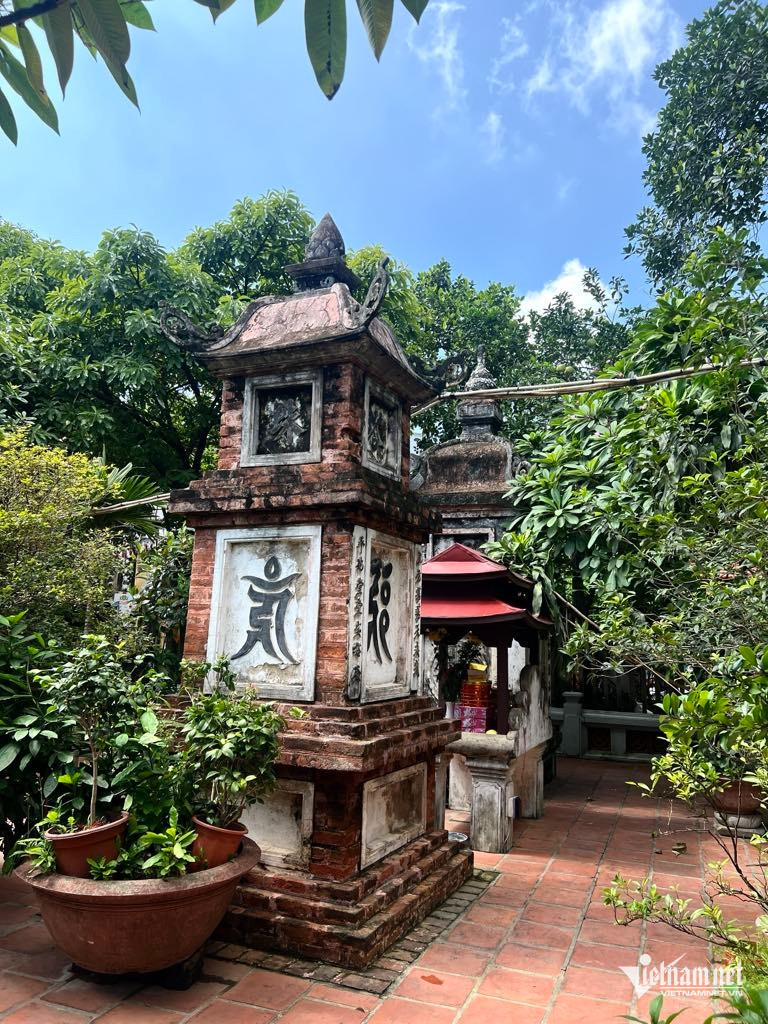
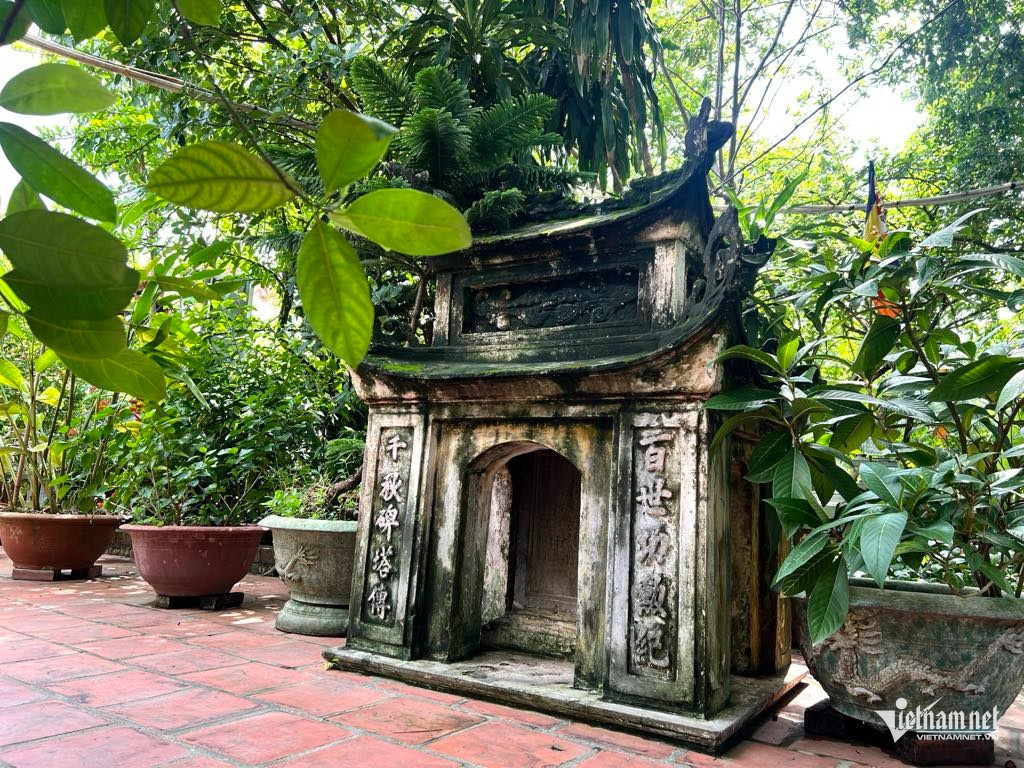
Ancient stupas and shrines within the temple garden.
 |
 |
 |
 |
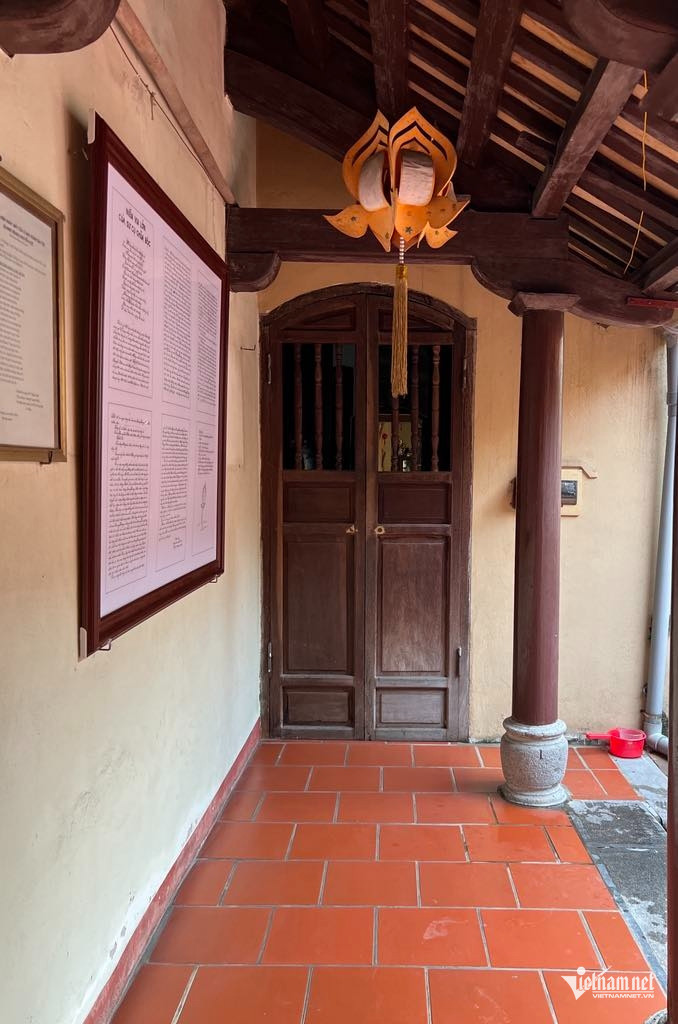 |

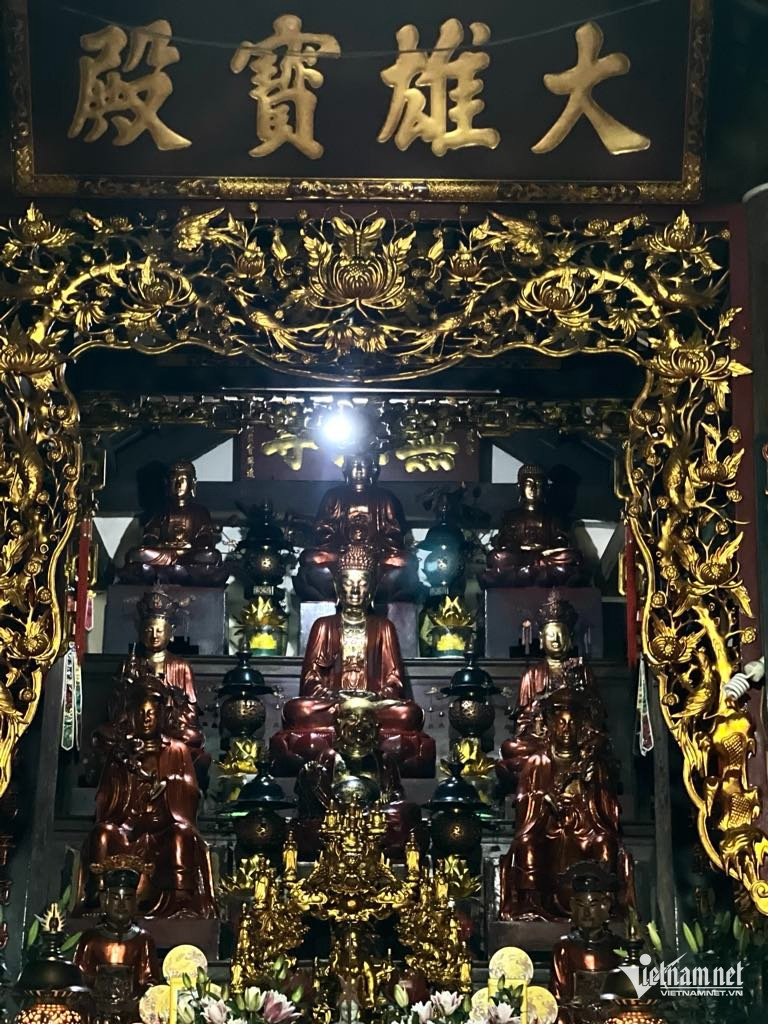
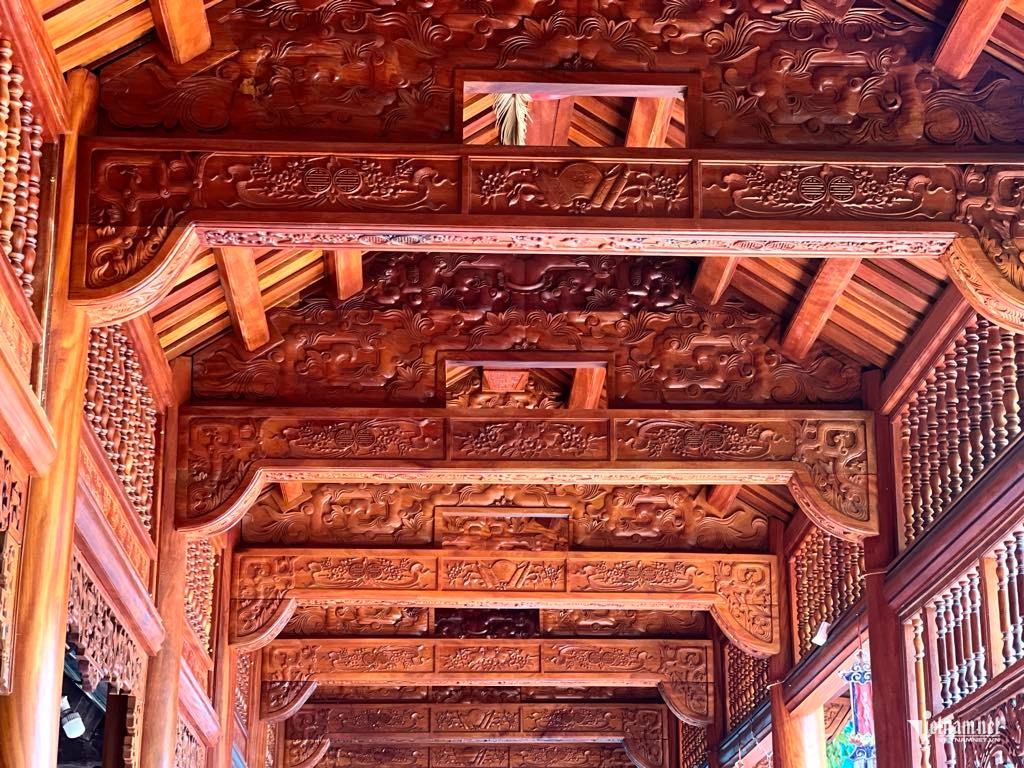


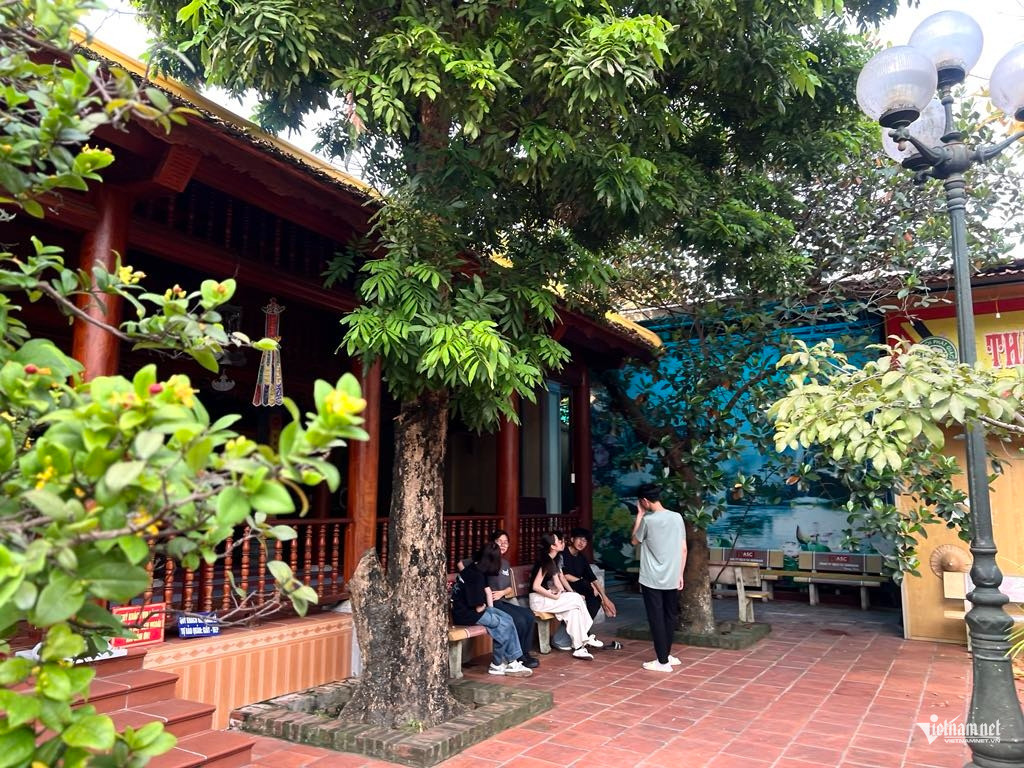
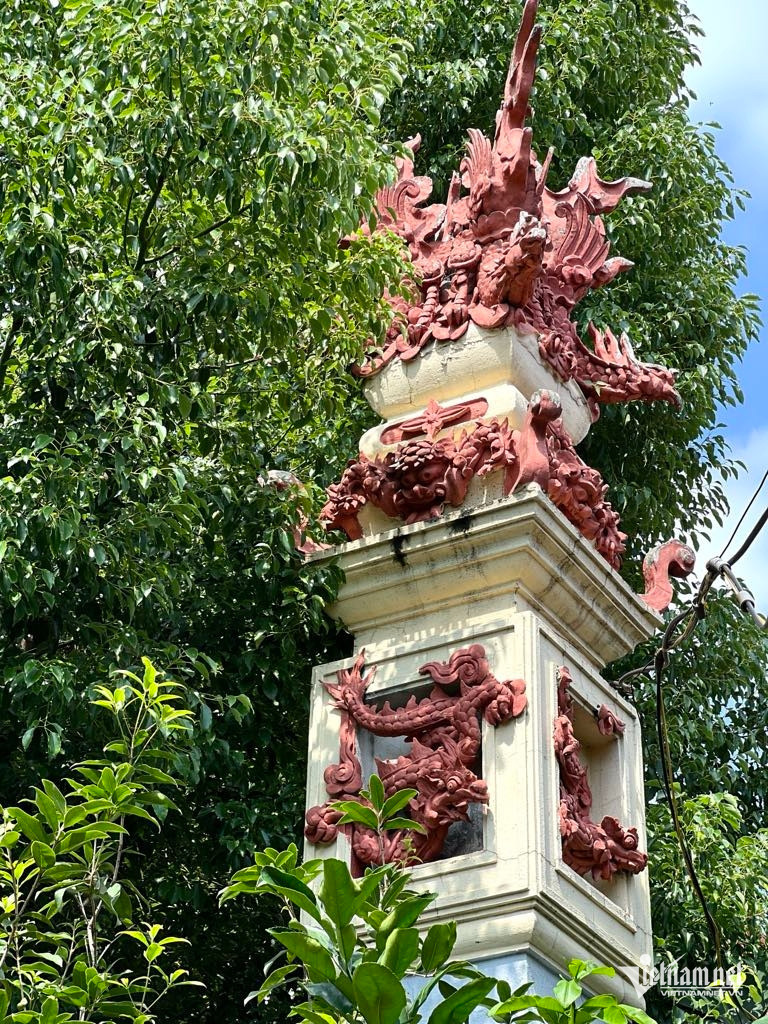
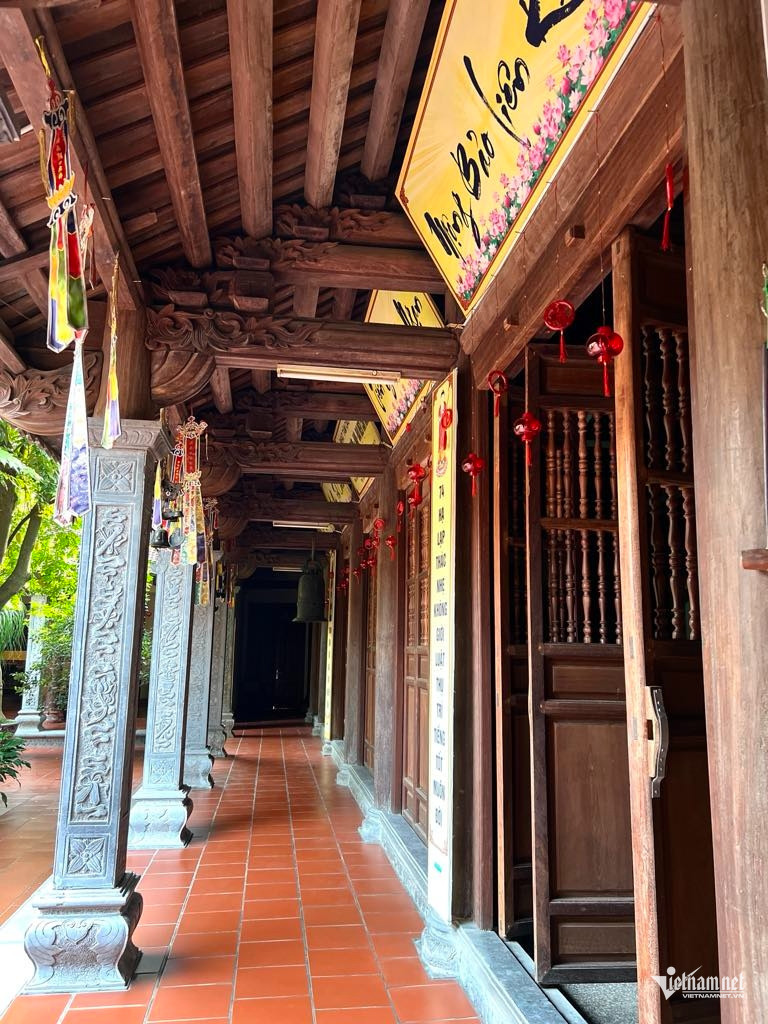
Boc Pagoda continues to attract visitors drawn to its history and sacred atmosphere.
.svg)
