 Vietnamnet.vn

 Podcast



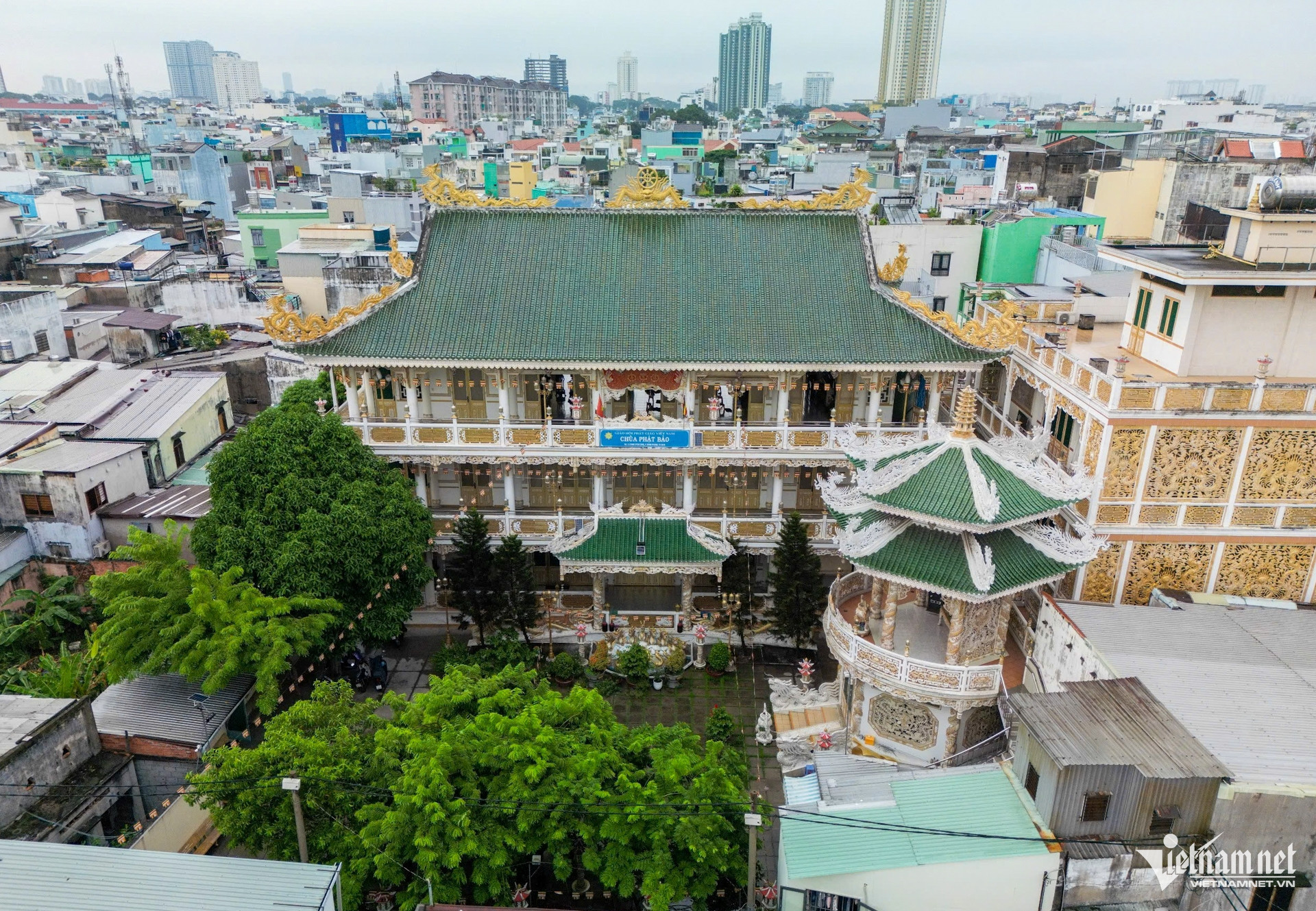
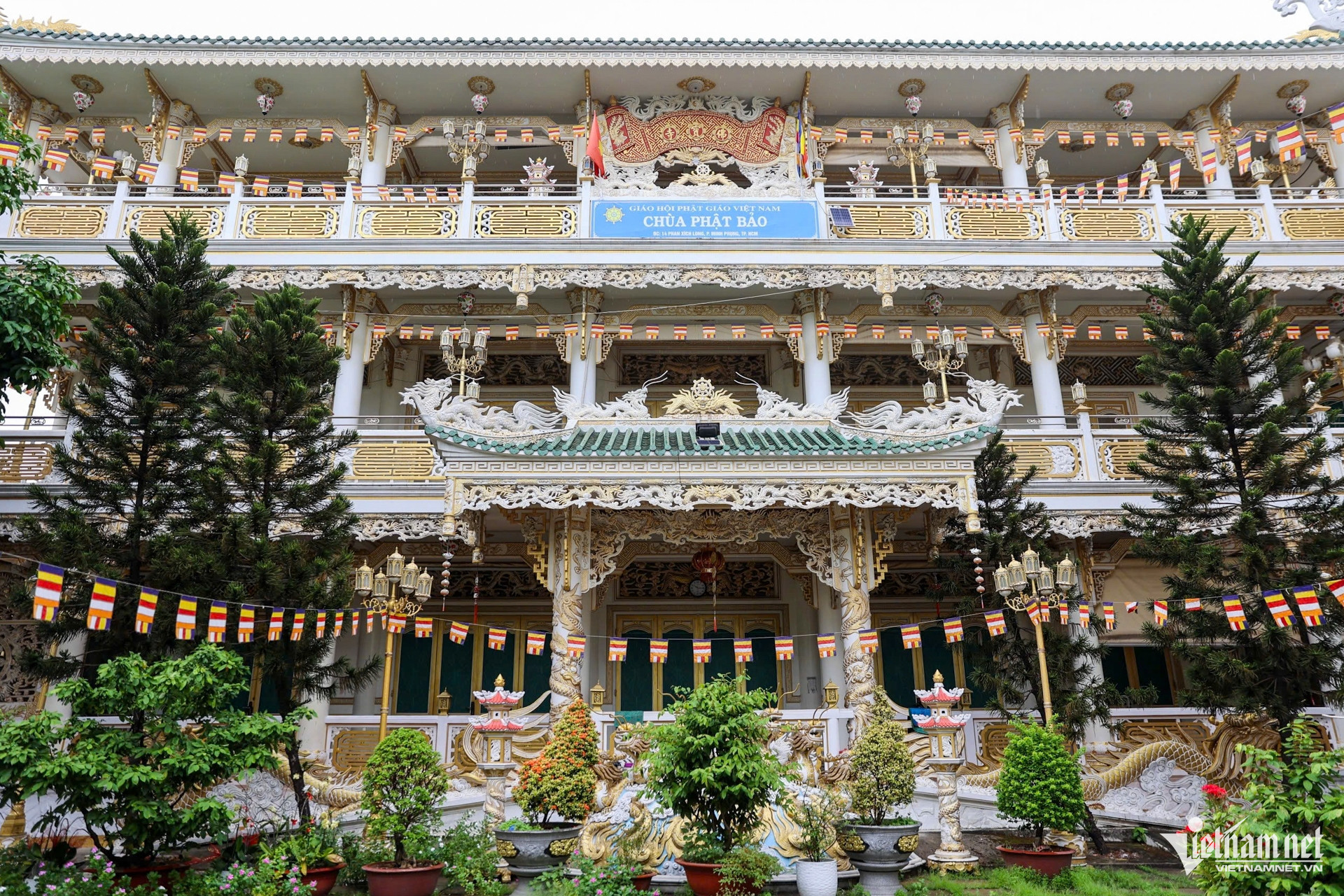
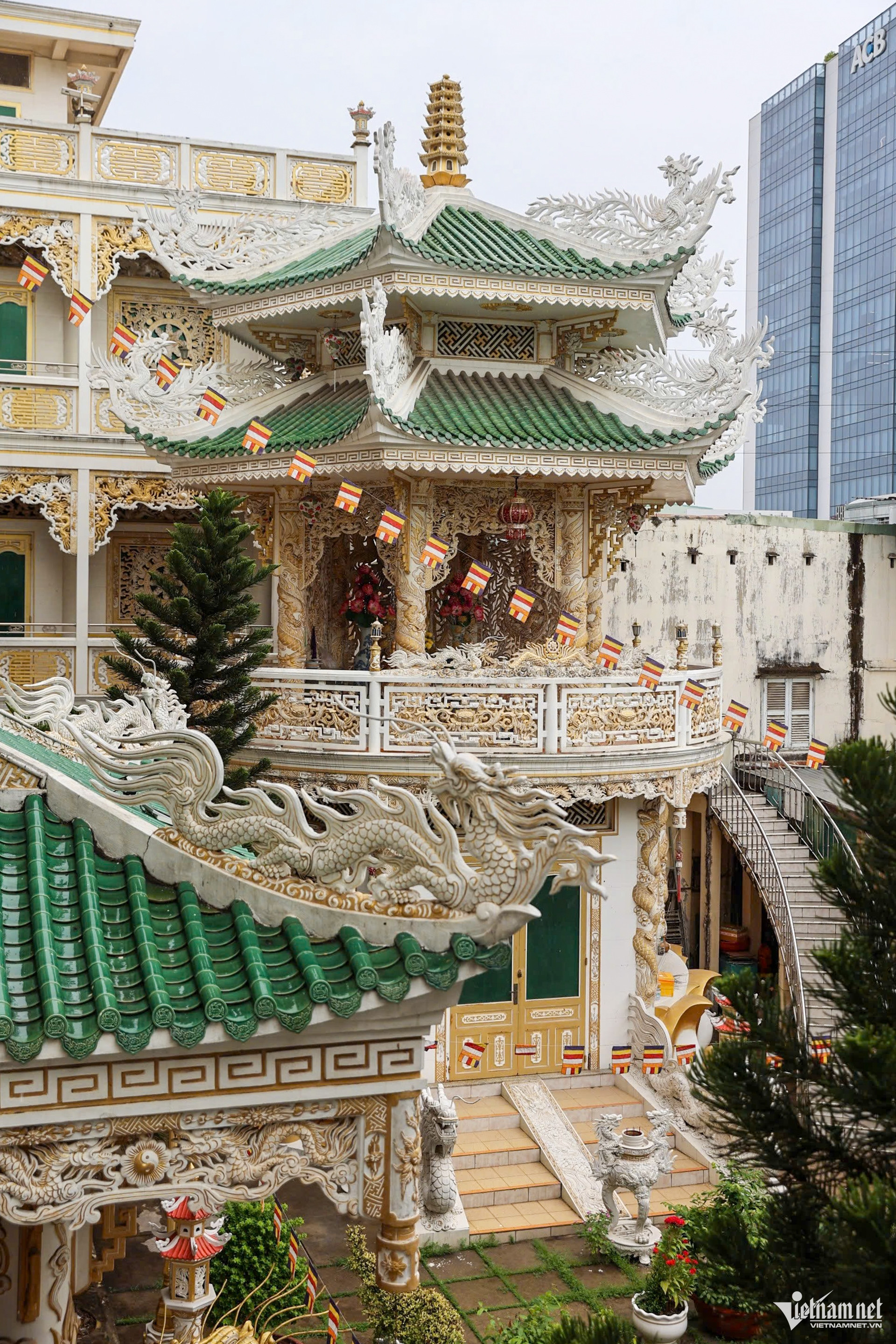
Tucked away in a narrow alley off Phan Xich Long Street in Ho Chi Minh City, Phat Bao Pagoda has become one of the city's most distinctive Buddhist landmarks, with nearly 400 dragon sculptures and reliefs woven throughout its architecture.
The temple stands on the site of Tu Phuoc Pagoda, which was established in 1886. According to monk Minh Thanh, the original temple once occupied more than 10,000 square meters.
A historic temple reborn
After successive abbots passed away without successors, the original temple gradually fell into disrepair and was eventually abandoned. Over time, the buildings deteriorated completely while the property was significantly reduced in size.
In 2008, Venerable Thich Minh Chon took over the site, rebuilding the temple from the ground up and renaming it Phat Bao Pagoda.
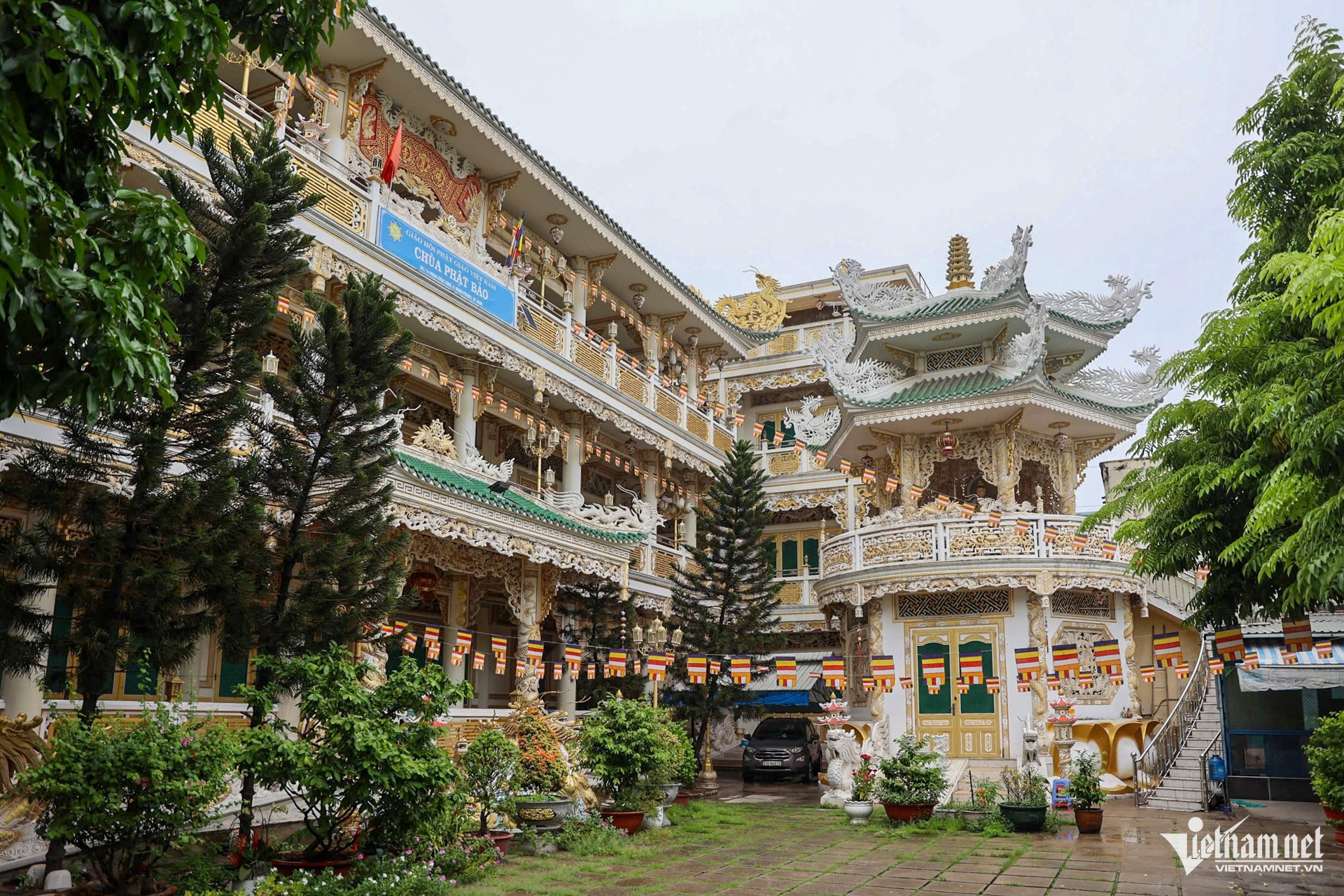
The new complex consists of a ground floor and three upper levels, housing the main prayer hall, lecture hall, monks' quarters, worship areas and a pagoda tower.
Nearly 400 dragon motifs
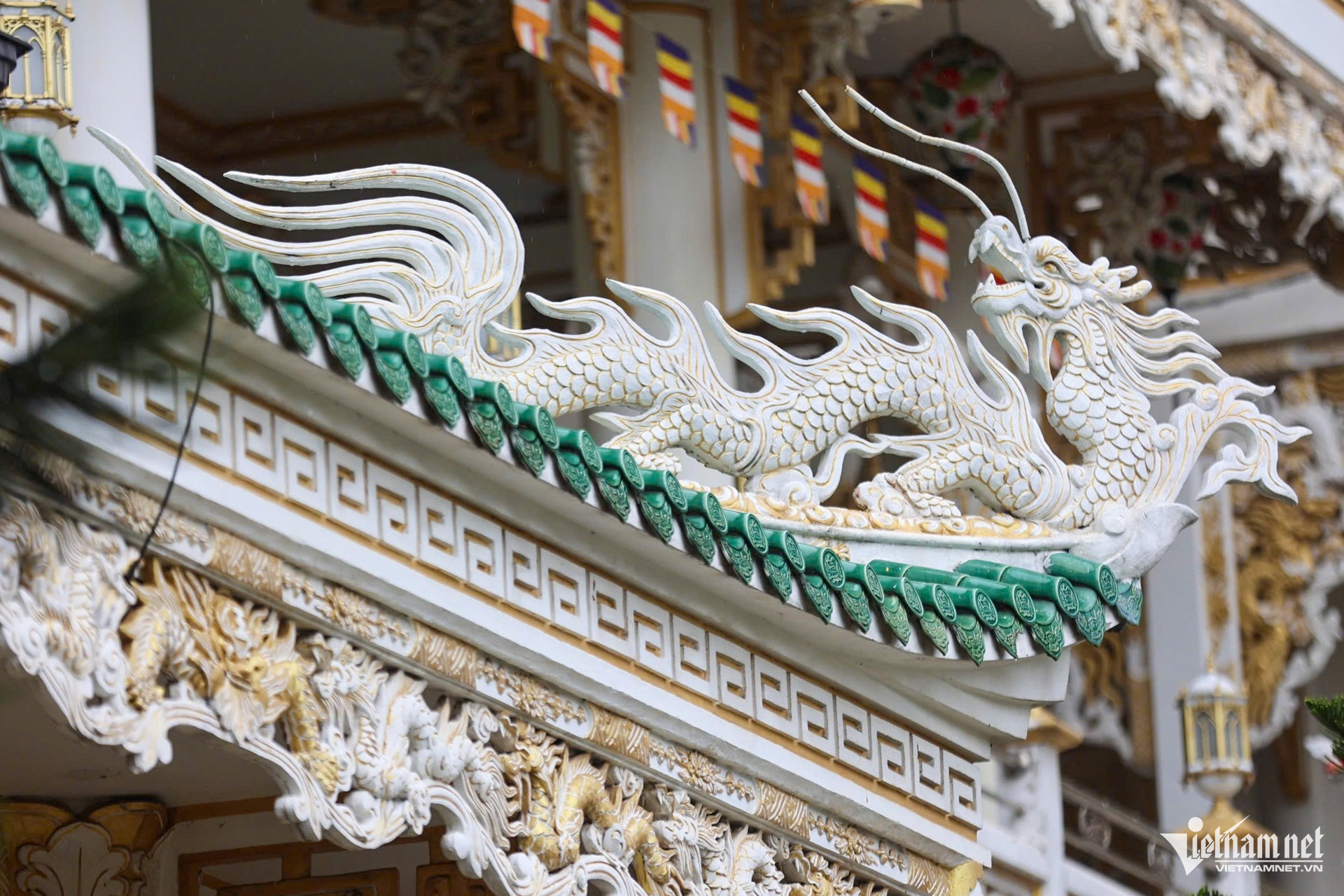
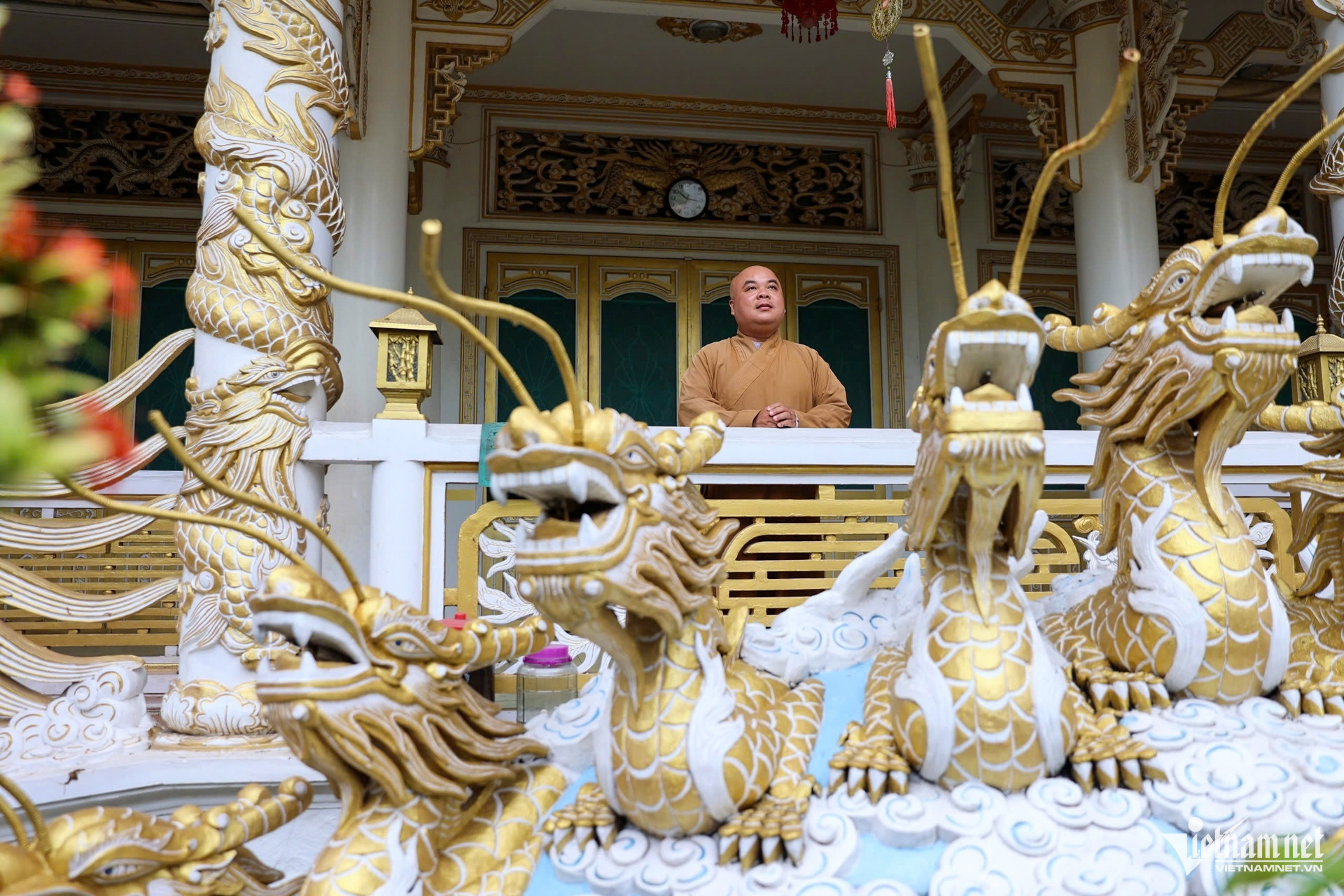
The temple's most striking feature is its extensive use of dragon imagery.
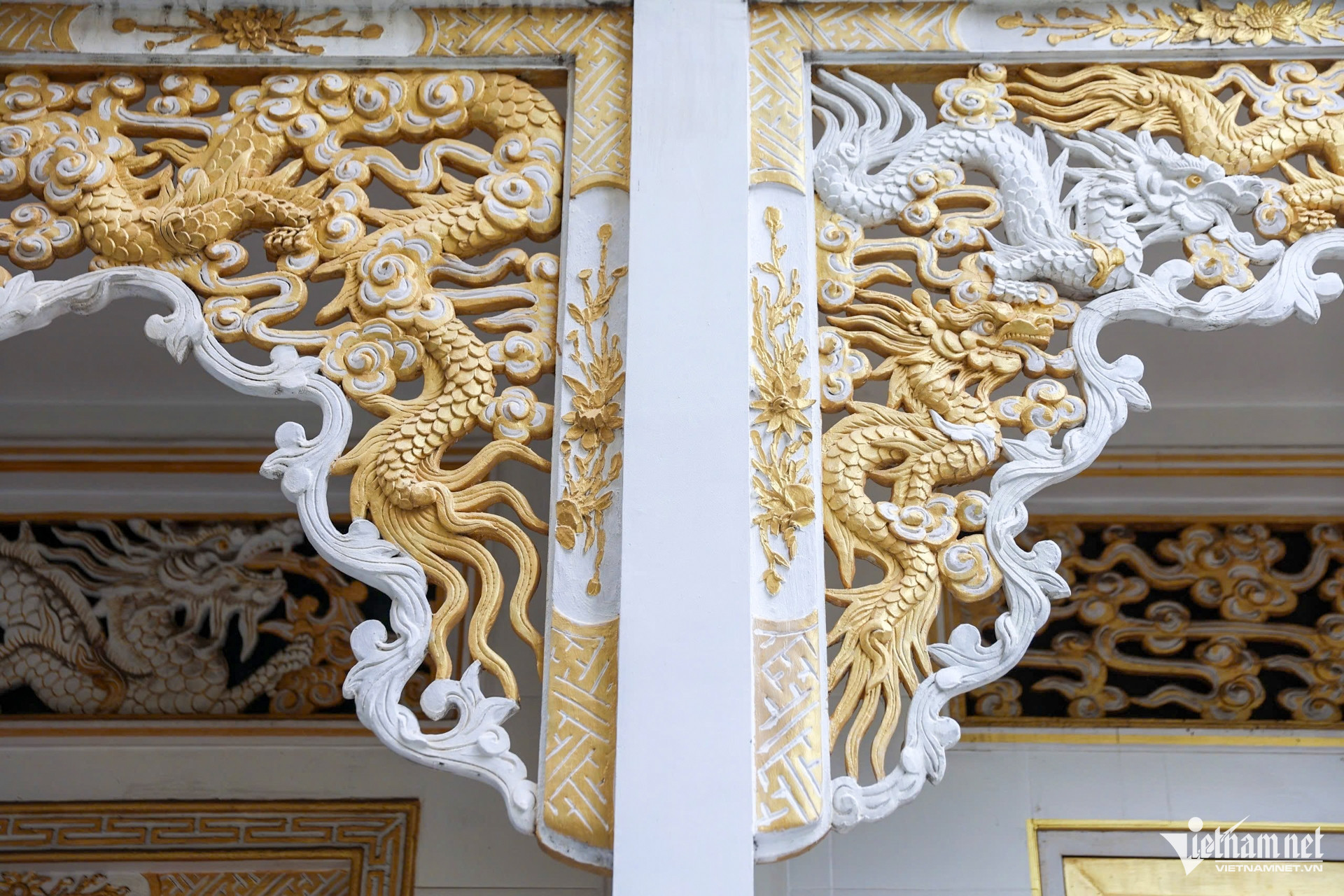
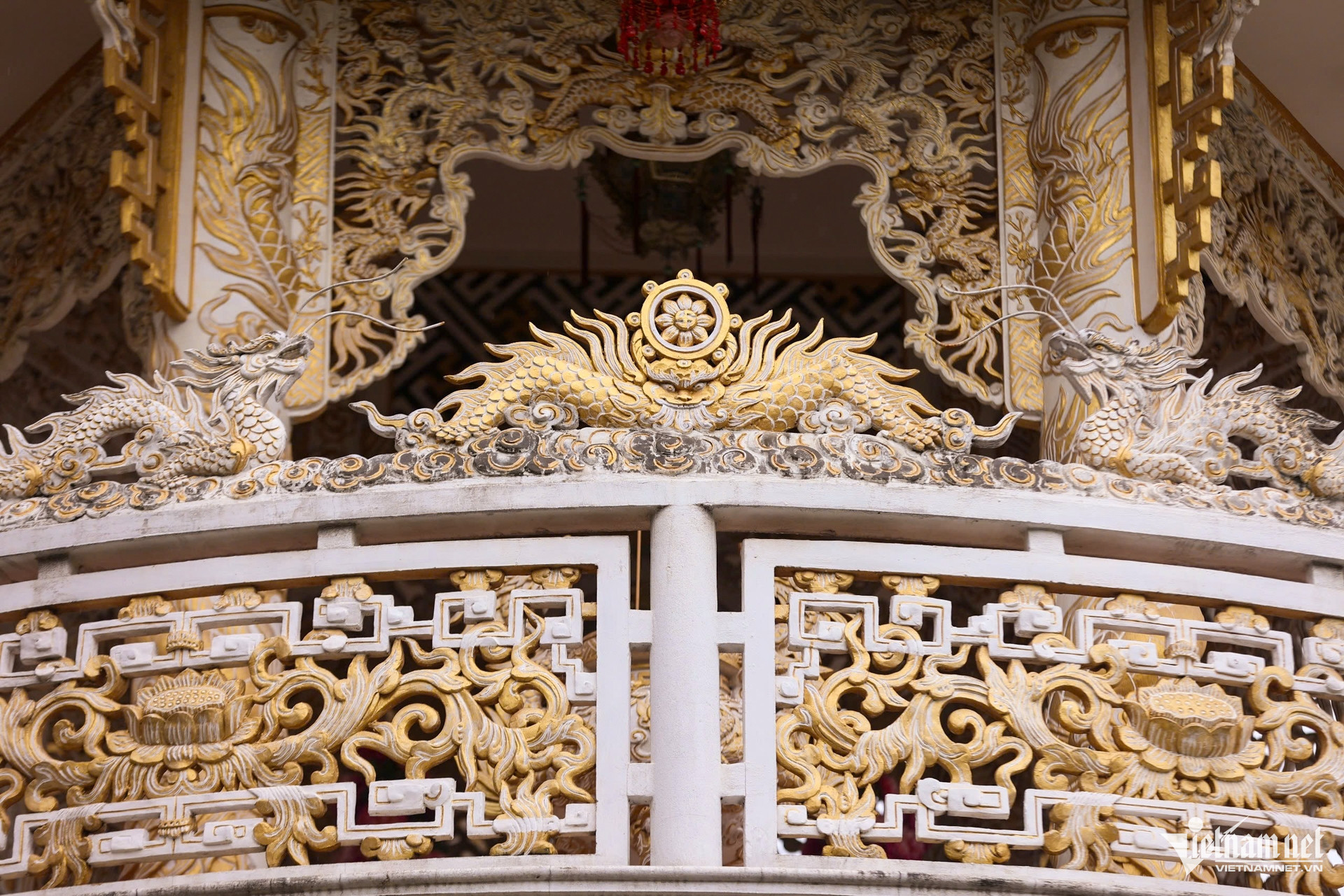
Dragon sculptures and reliefs decorate roof ridges, curved roof corners, staircases, columns, corridors and other architectural elements throughout the complex.
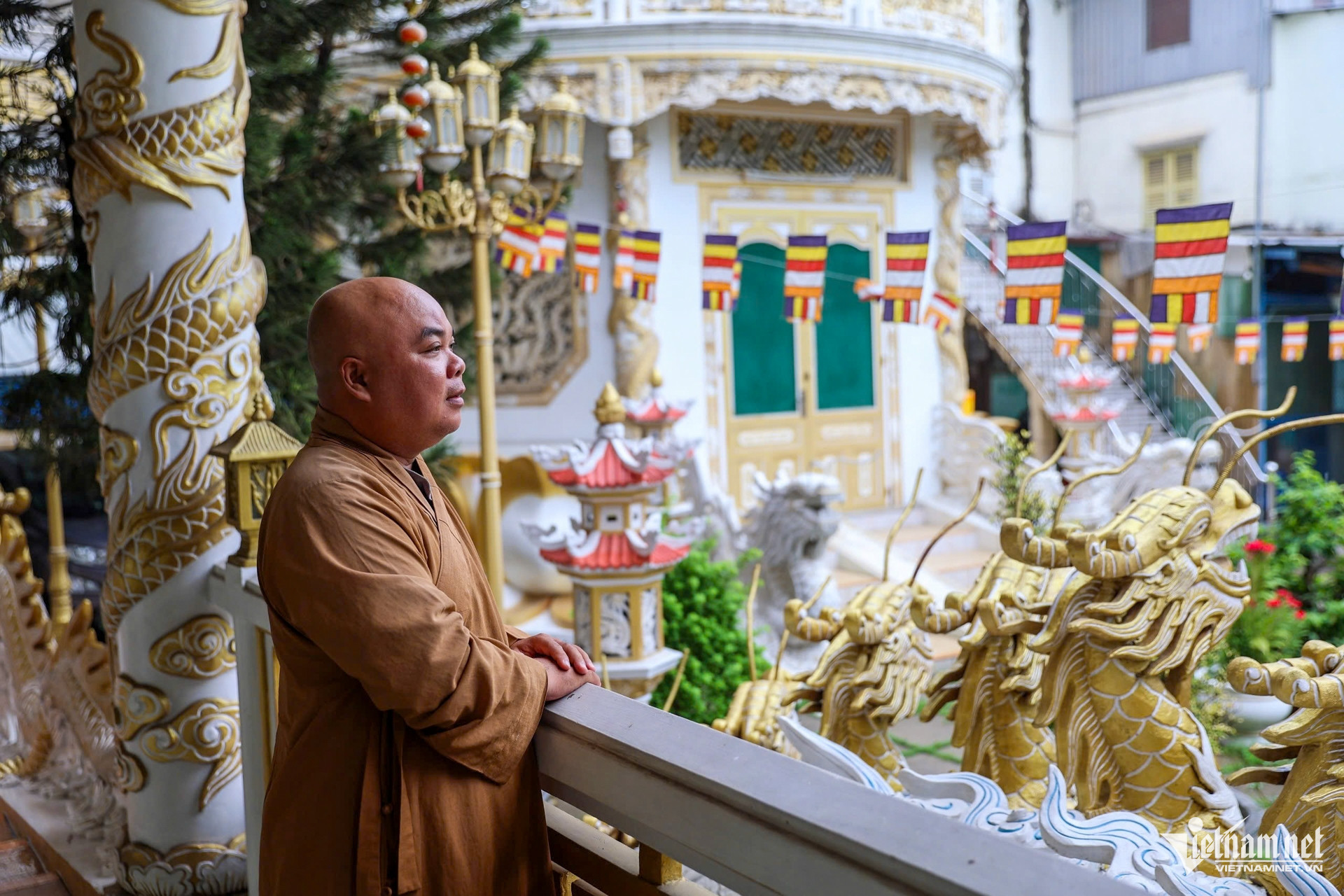
According to monk Minh Thanh, dragons symbolize protective guardians in Buddhist tradition, representing strength, safeguarding the Dharma and offering protection to people. For that reason, the temple's abbot chose dragons as the central design theme during reconstruction.
The dragon motifs continue throughout the temple's interior and exterior. Traditional designs such as paired dragons facing the moon and paired dragons pursuing a pearl appear alongside the Dharmachakra, or Wheel of Dharma, a key Buddhist symbol representing the Buddha's teachings.
The largest dragon sculptures, each about two meters long, flank the staircases leading to the upper floors.
In total, the temple features approximately 400 dragon figures of various sizes.
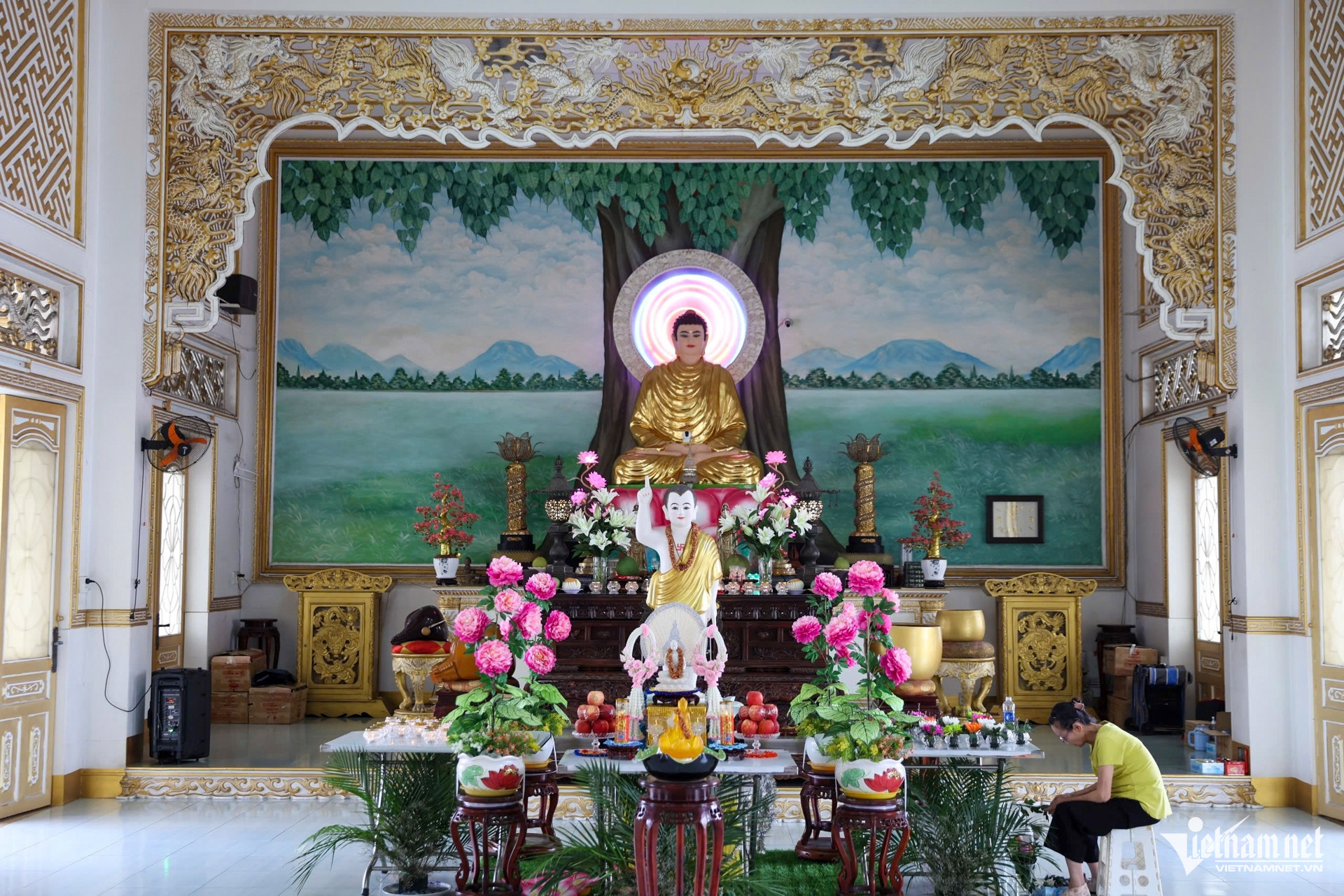
The overall design is dominated by gold and white, colors symbolizing enlightenment, liberation and purity in Buddhist tradition.
A quiet place of worship
Beside the monks' residence stands a two-story pagoda tower dedicated to Avalokiteshvara Bodhisattva (Quan The Am), also decorated with dragon, phoenix and lotus motifs.
Inside the main prayer hall, statues of Shakyamuni Buddha and Bodhidharma face one another in an uncommon arrangement.
Beyond its worship spaces, the pagoda includes a lecture hall capable of accommodating around 300 people as well as residential facilities for visiting Buddhist practitioners.
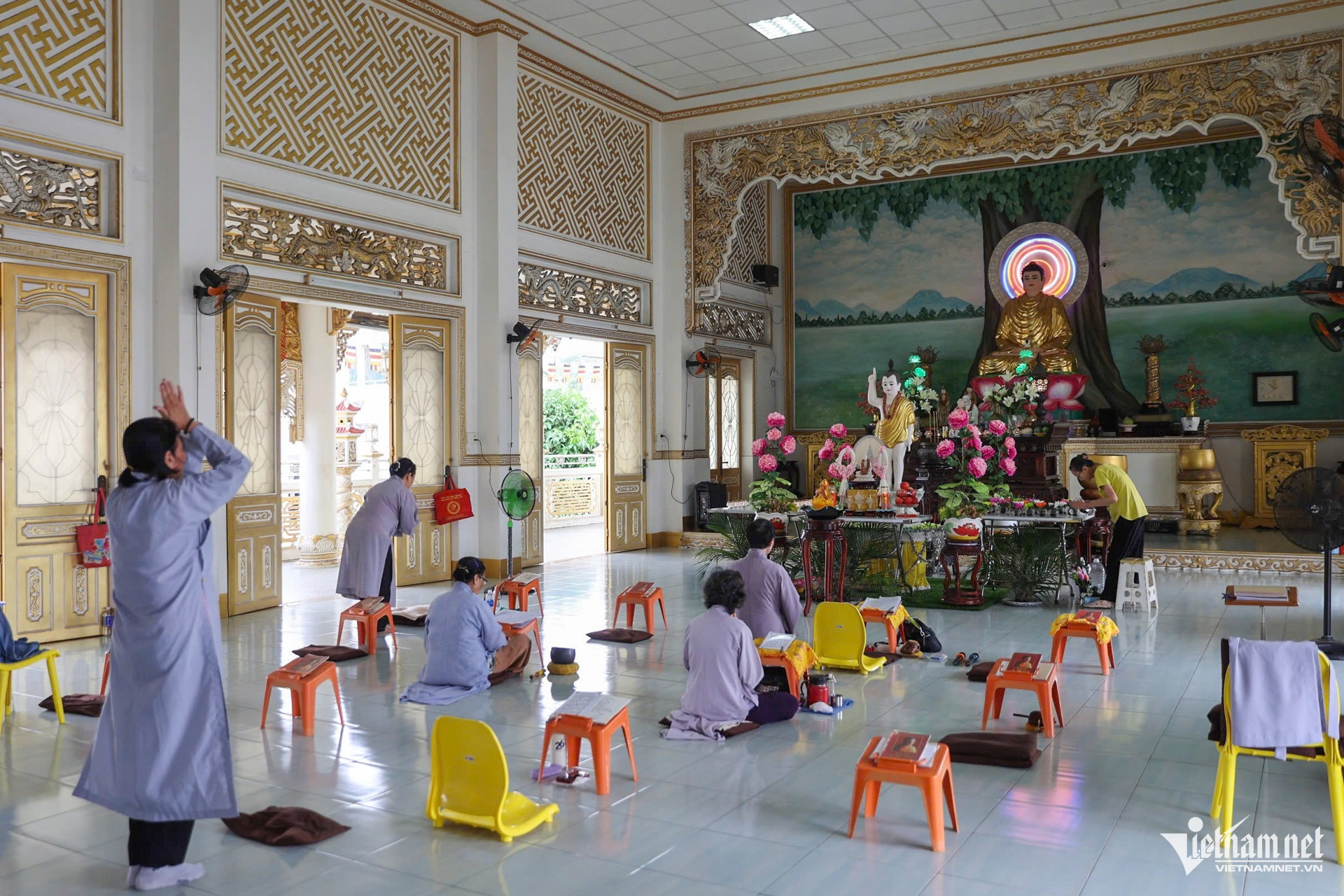
Despite its elaborate architecture, Phat Bao Pagoda remains a tranquil place of worship. Larger crowds typically gather only during the first day of the lunar month or on Vesak, the celebration of the Buddha's birth.
The temple currently has two resident monks - Venerable Thich Minh Chon and monk Minh Thanh - and limits large public activities in order to preserve an atmosphere dedicated to meditation and Buddhist chanting.
Nguyen Hue
.svg)
