 Vietnamnet.vn

 Podcast


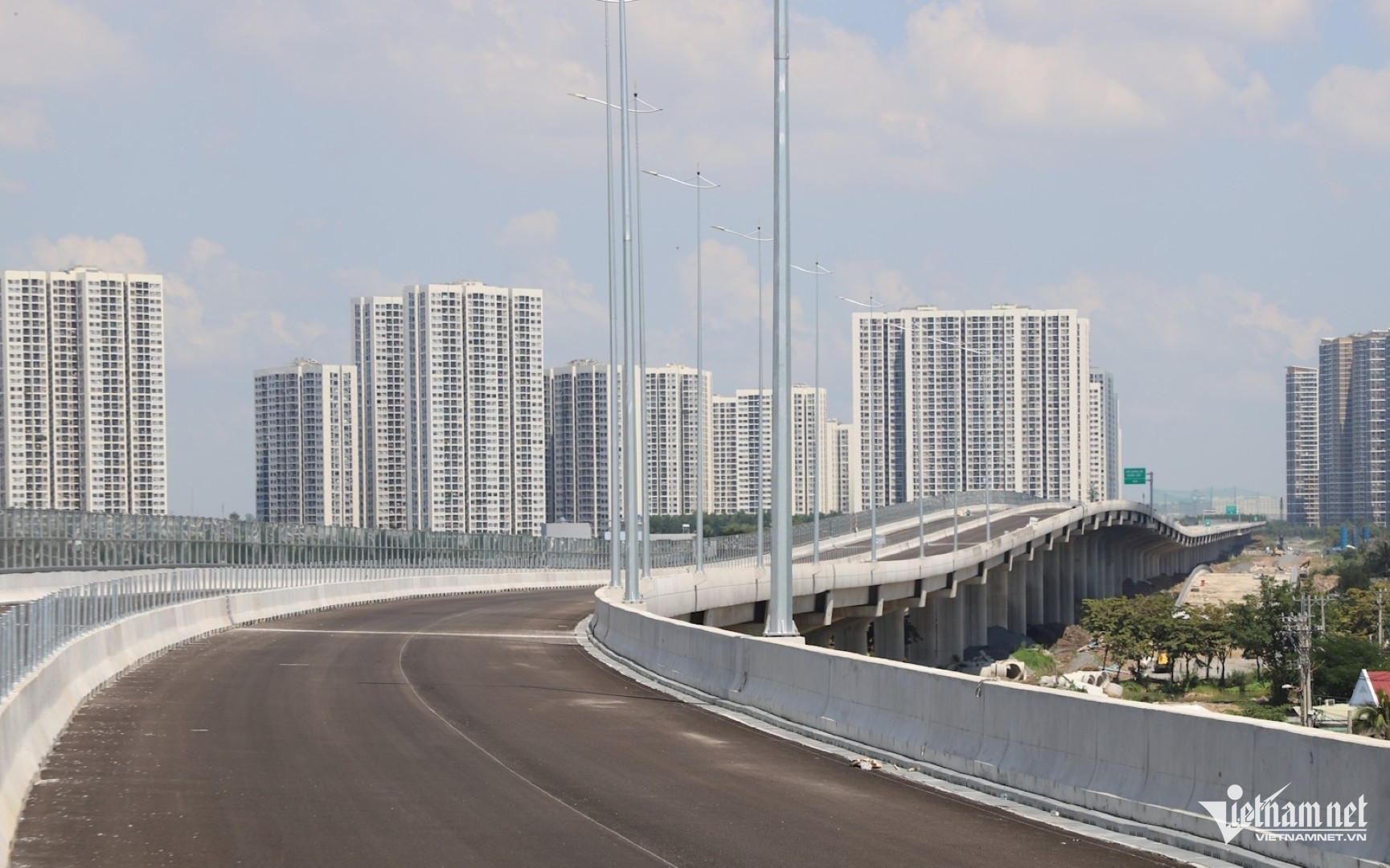
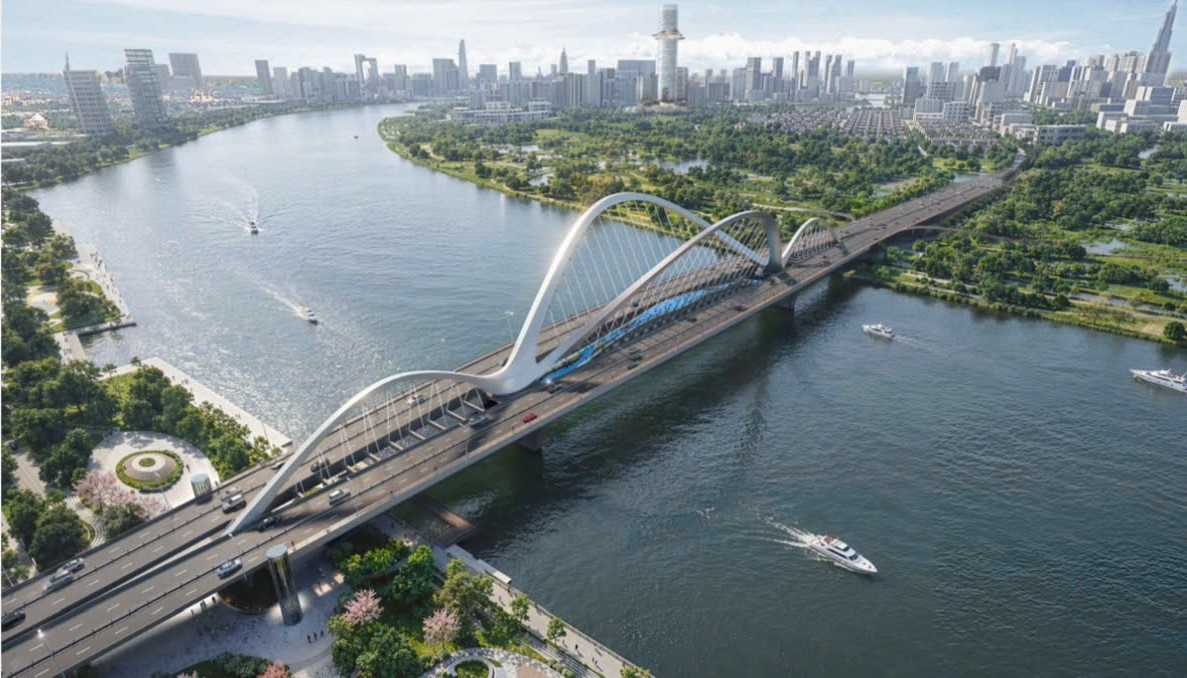
With its administrative area expanding to more than 6,772 square kilometers following the merger, Ho Chi Minh City has identified the flexible application of special policy mechanisms as key to overcoming bottlenecks in funding, administrative procedures and site clearance.
Le Ngoc Hung, deputy director of the Ho Chi Minh City Transportation Works Construction Investment Project Management Authority, said 2025 marked significant progress in compensation and site clearance.
Drawing on experience from the Ring Road 3 project, the authority secured construction sites for several long-delayed projects, including the An Phu and My Thuy interchanges, Ring Road 2 and Luong Dinh Cua Street, enabling contractors to accelerate construction.
In particular, Resolution 260/2025/QH15 introduced six groups of groundbreaking mechanisms for the city’s transport sector, two of which directly affect project timelines and investment resources.
The first allows compensation, financial assistance and resettlement to be implemented as independent projects for Group A and nationally significant infrastructure projects.
This approach enables site clearance to proceed alongside investment preparations, shortening project implementation timelines by six months to one year.
The second permits the use of build-operate-transfer (BOT) contracts to upgrade and expand existing roads.
The city is preparing to implement five gateway infrastructure projects under this model, including National Highways 1, 13 and 22, the North-South arterial road (Nguyen Huu Tho Street), and the Binh Tien bridge and road project.
These projects have a combined investment of nearly VND67 trillion ($2.58 billion), with efforts to balance stakeholder interests and safeguard residents’ freedom to choose alternative routes.
The city is also expanding the use of land assets as payment for transitional build-transfer (BT) projects, allocating public funds to interregional transport infrastructure and promoting transit-oriented development (TOD).
By adjusting urban planning and organizing competitive bidding for land around stations and major transport corridors, the city aims to capture increases in land value and reinvest the proceeds in infrastructure development.
According to the Department of Construction, 2026 is a pivotal year for implementing these special mechanisms.
By the end of the year, the city expects to approve investment proposals and begin construction on eligible BOT gateway projects.
Building a multimodal transport network with a 100-year vision
The projects being advanced also lay the groundwork for a multimodal transport infrastructure network envisioned in Ho Chi Minh City’s comprehensive master plan for 2025-2050, with a 100-year vision.
In addition to completing a multilayered ring road network, with the addition of Ring Roads 2.5, 3.5, 4.5 and 5, the city plans to develop high-speed urban arterial roads combining elevated and underground sections.
It will also explore the feasibility of a sea-crossing bridge or tunnel directly connecting Can Gio and Vung Tau.
To ensure the effective operation of the TOD urban development model, mass public transit will play a central role.
By 2050, Ho Chi Minh City aims to complete 18 mass rapid transit (MRT) lines spanning approximately 960 kilometers, alongside a light rail transit (LRT) and tramway network extending around 450 kilometers.
The city also targets increasing the public transport modal share to 65%.
Dedicated railway lines will directly connect northern industrial areas with the Cai Mep-Thi Vai port complex and the Can Gio international transshipment port.
These infrastructure developments are expected to strengthen regional connectivity and support Ho Chi Minh City’s ambition to become an international economic and financial center in Asia.
Tuan Kiet

