 Vietnamnet.vn

 Podcast



One of the clearest reflections of this connection can be found in the many ancient pagodas nestled within crowded neighborhoods whose names were later adopted for the streets surrounding them.
These streets, tied to temples with histories stretching back centuries, have become enduring symbols of Thang Long - Hanoi’s cultural identity.
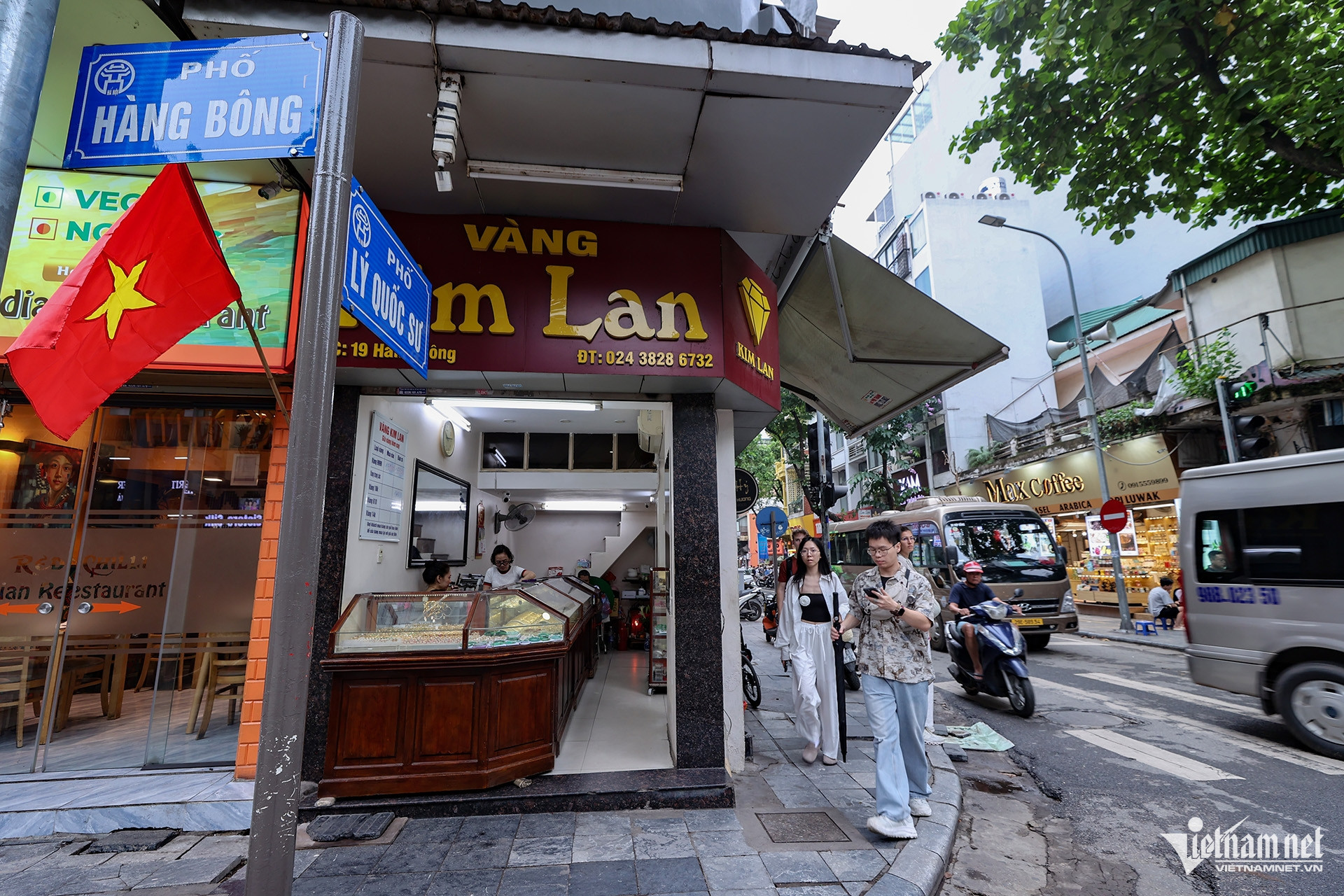
Ly Quoc Su Street officially received its current name in 1949, replacing the former Nha Chung Street.
During the French colonial period, the street had been known as Lamblot since 1919 before changing to Nha Chung in 1945.
The name Ly Quoc Su derives from Ly Trieu Quoc Su Pagoda, which honors Nguyen Chi Thanh (1066-1141), also known as Monk Minh Khong, a revered royal monk of the Ly Dynasty who famously cured King Ly Than Tong of illness.
Afterward, Minh Khong was granted the title “Quoc Su” - National Monk - and bestowed the royal surname Ly.
Ly Quoc Su Street stretches 244 meters from Hang Bong Street to Nha Tho Street.
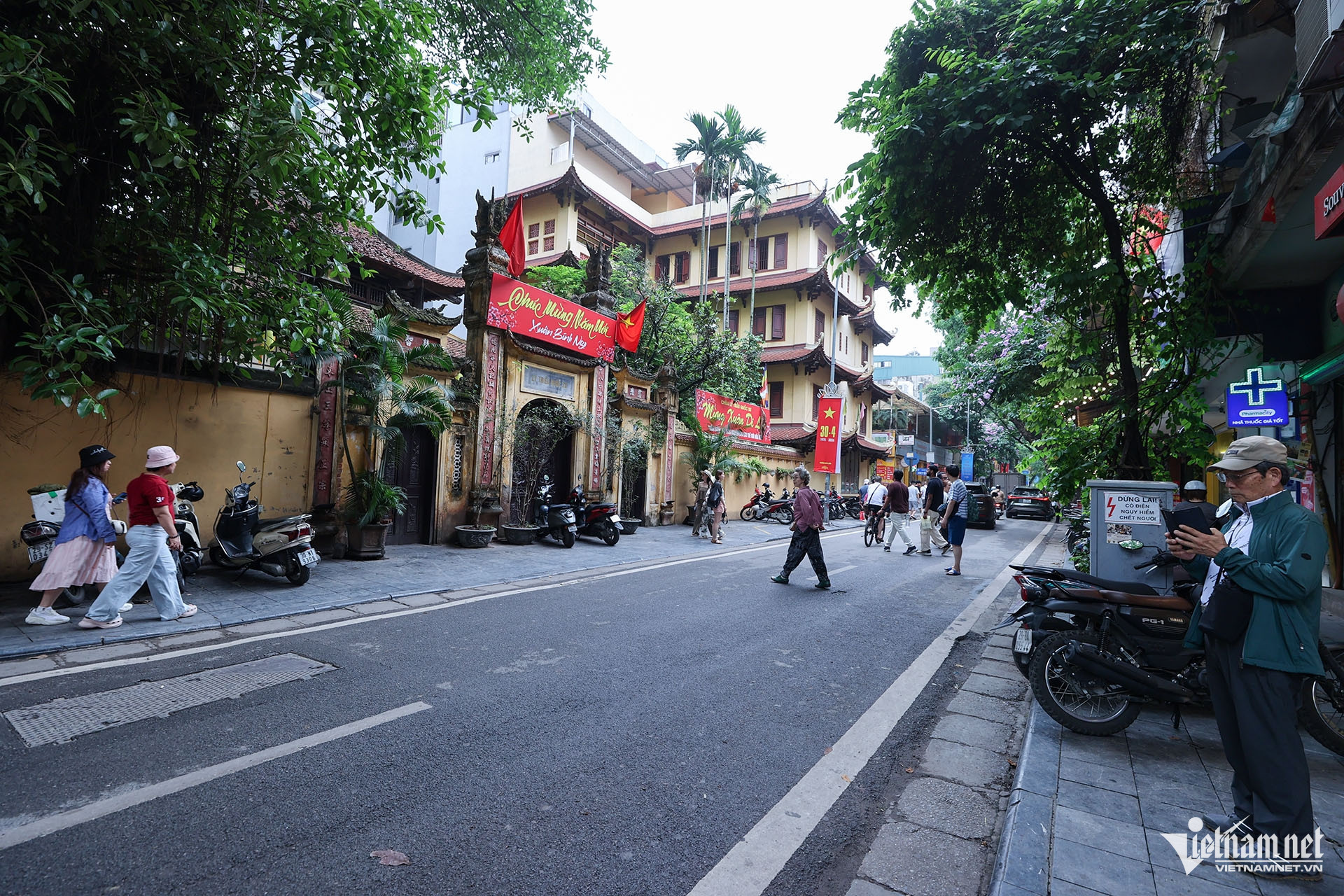
Ly Trieu Quoc Su Pagoda, located at 50 Ly Quoc Su Street, was established in 1131 under the order of King Ly Than Tong.
The pagoda was named after Monk Minh Khong, who successfully treated the king in 1138.
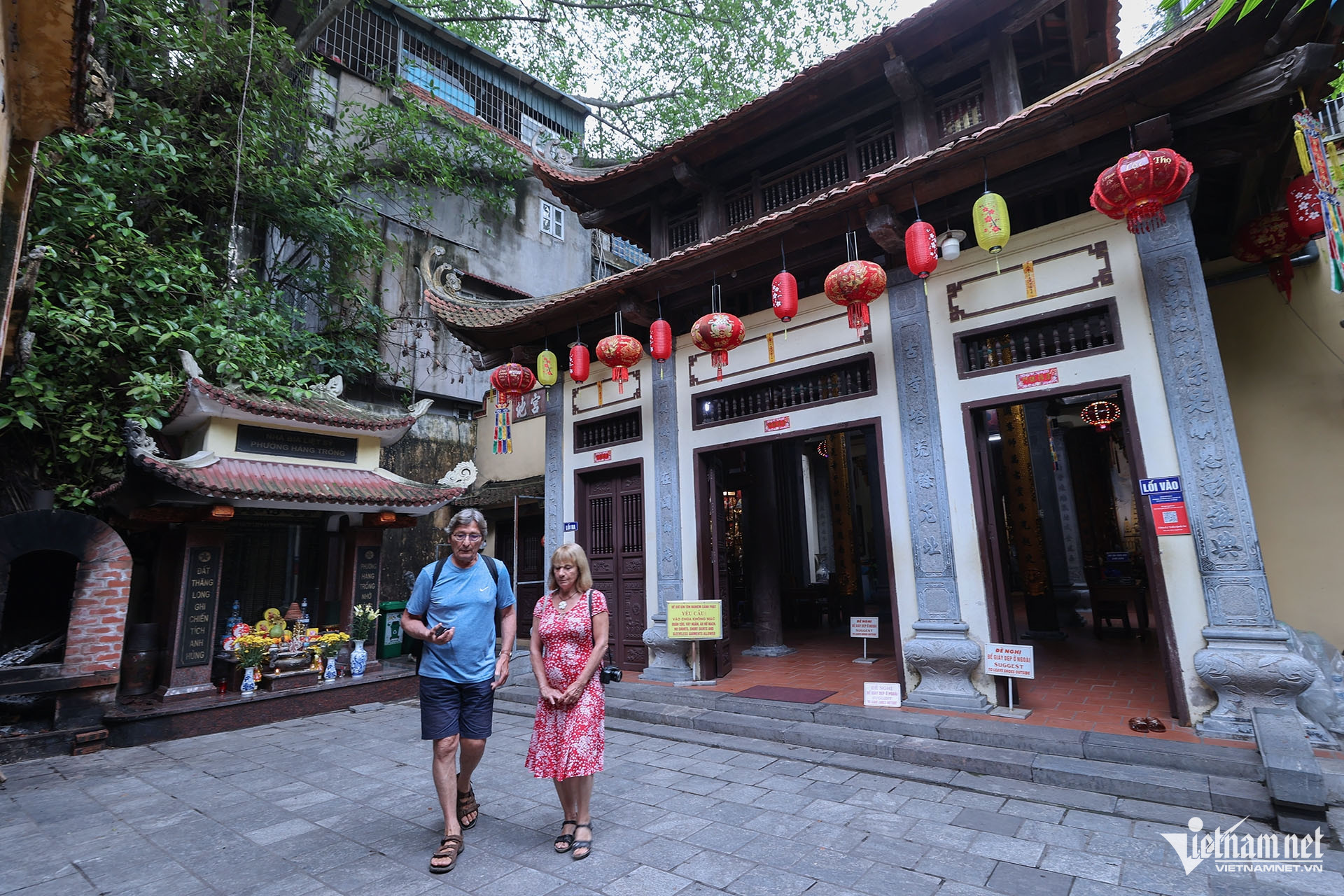
Today, the pagoda is not only a spiritual destination for Buddhists during lunar holidays and Tet celebrations, but also a popular attraction for visitors exploring Hanoi’s Old Quarter.
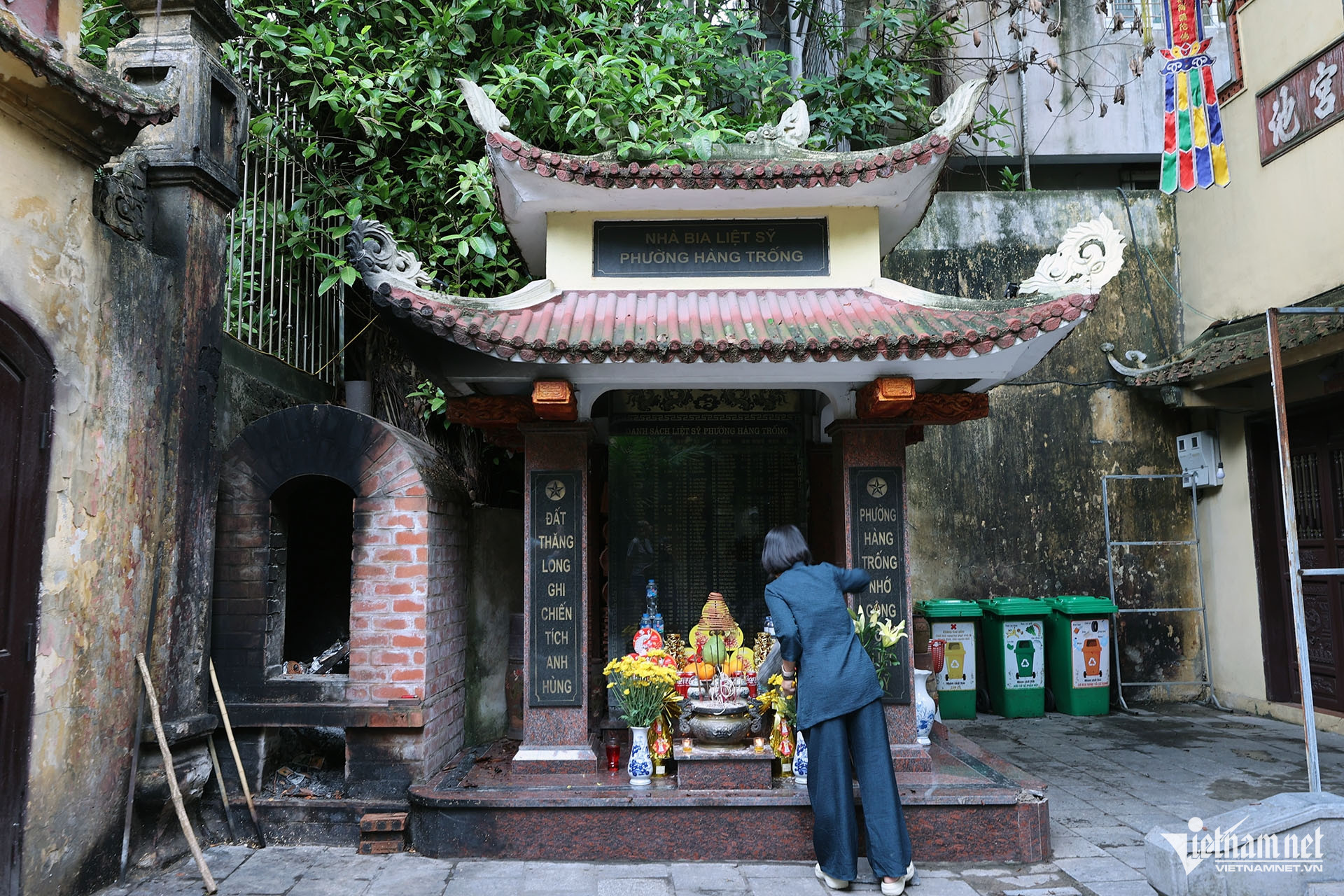
Within the pagoda grounds stands a memorial stele dedicated to fallen soldiers, carefully maintained with incense offerings.
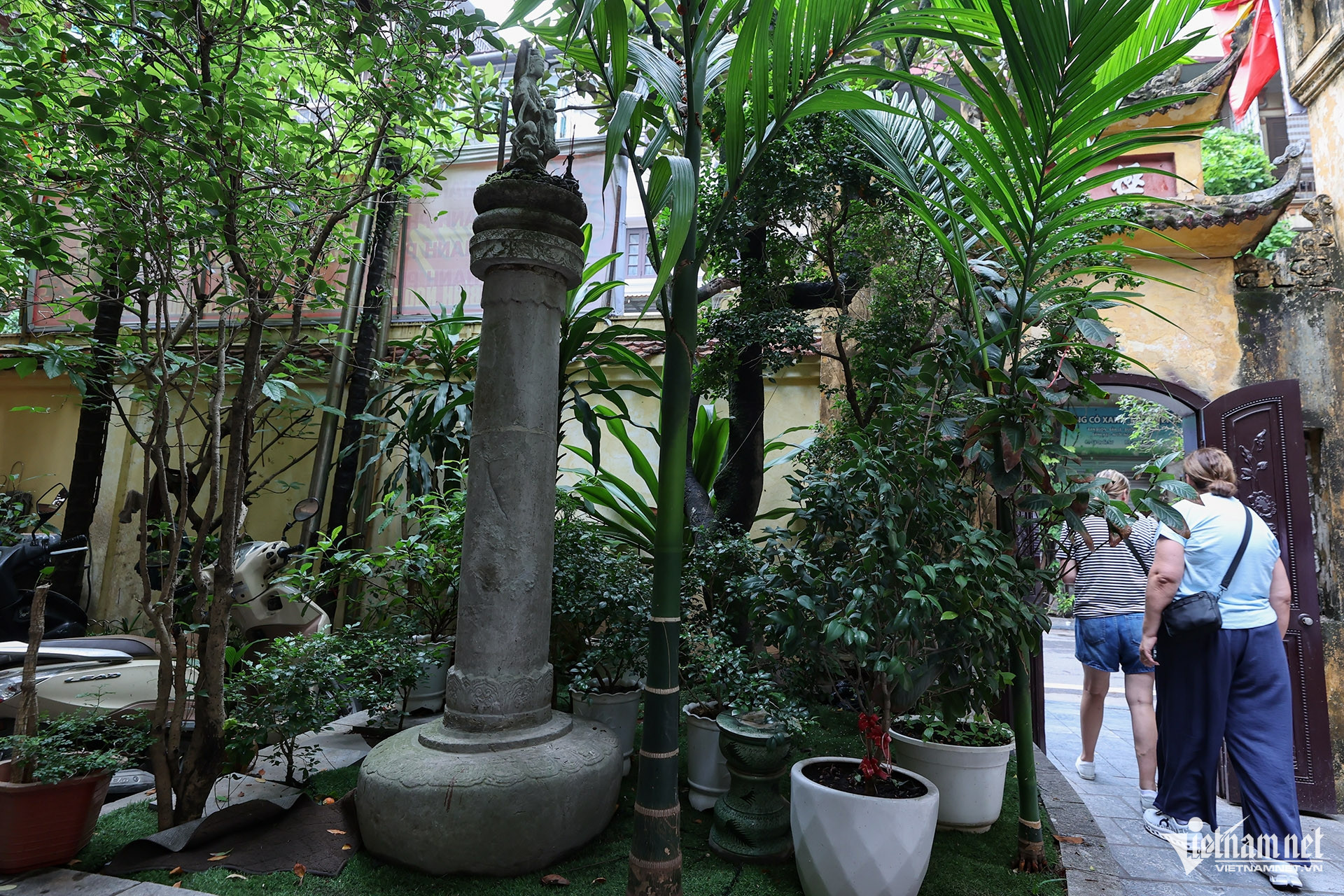
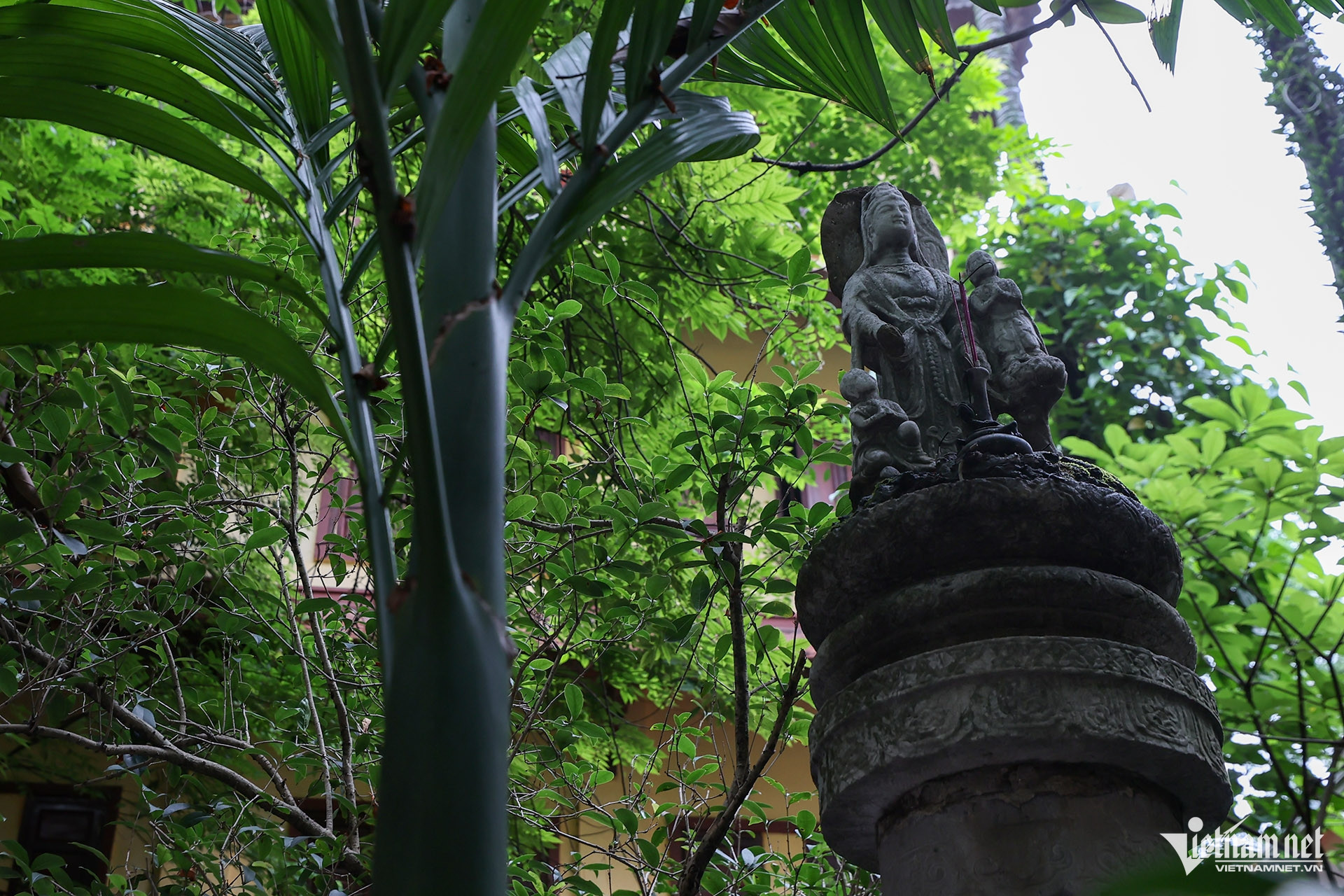
The pagoda still preserves valuable historical and artistic relics, including a 2.4-meter stone pillar in the courtyard topped with a statue of Avalokitesvara Bodhisattva.
The pillar is decorated with lotus and chrysanthemum motifs characteristic of Later Le Dynasty artistry.
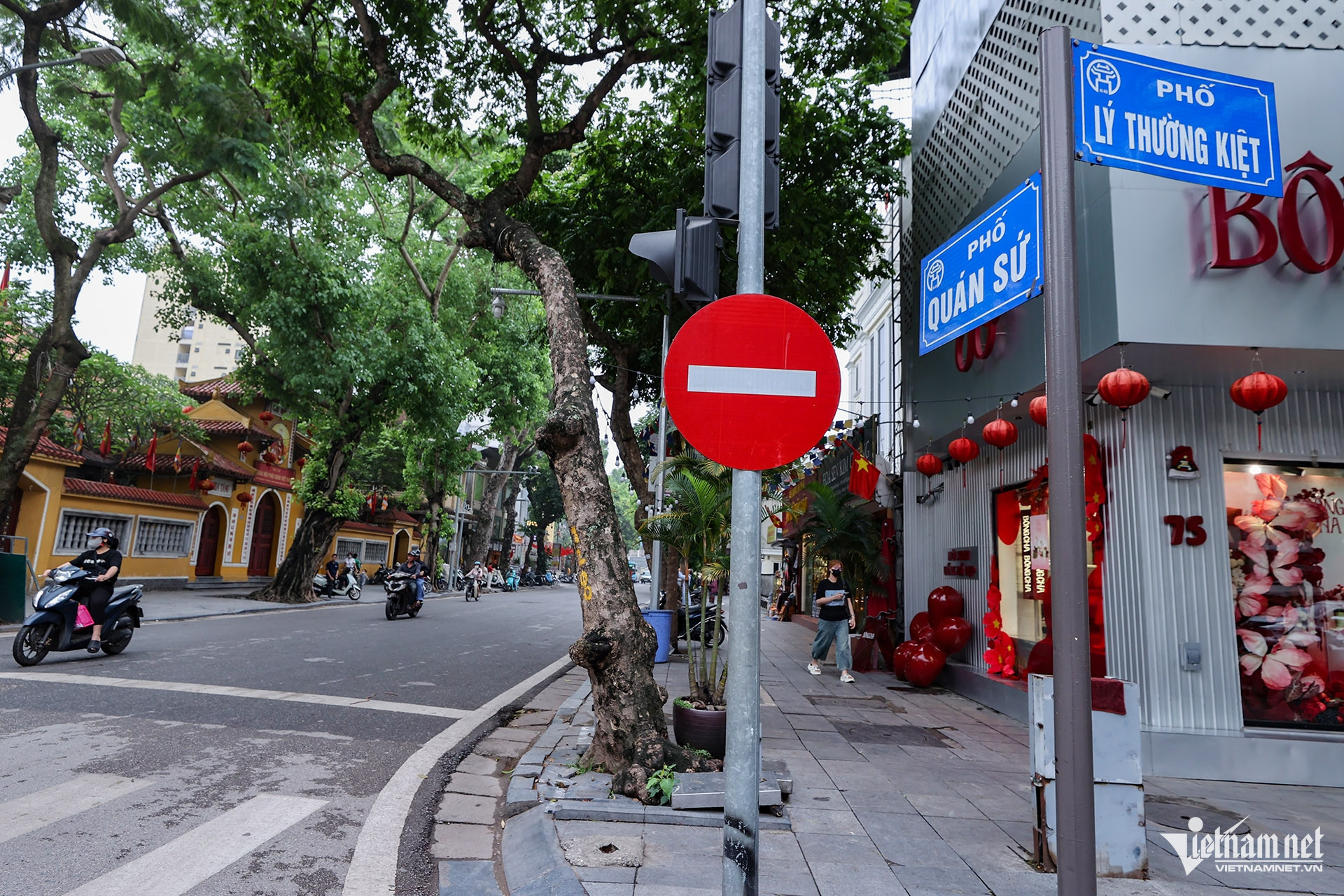
Quan Su Street takes its name from Quan Su Pagoda, a historic temple built around the 15th century during the Le Dynasty.
The street’s modern identity became more clearly defined during the French colonial period and remained unchanged after 1954.
Historically, the area belonged to An Tap Hamlet in Tho Xuong District and served as a residence for foreign envoys from kingdoms such as Champa and Ai Lao who traveled to Vietnam to pay tribute.
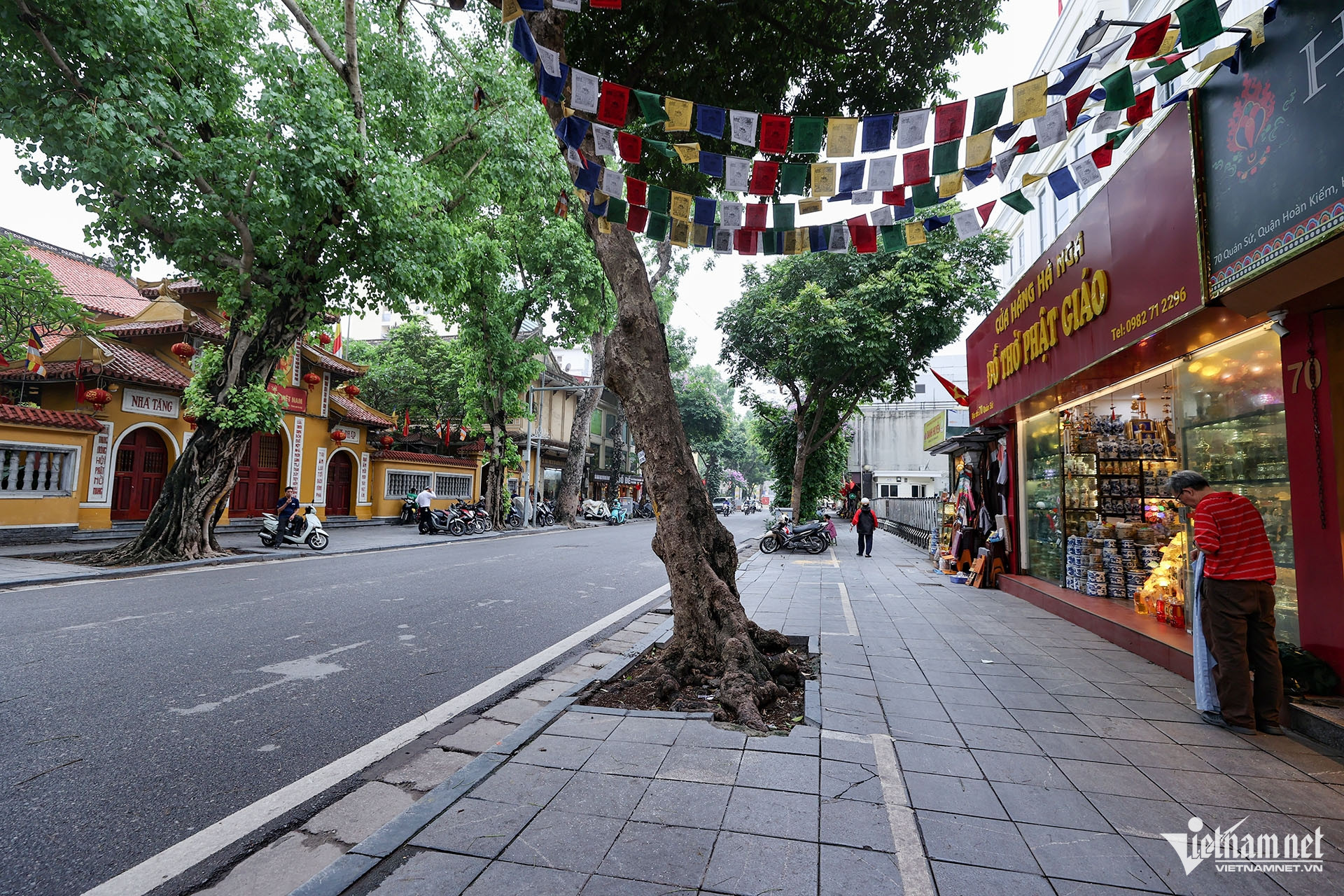
Because many of these envoys practiced Buddhism, the king ordered the construction of a pagoda within the diplomatic compound so they could worship.
Quan Su Street runs 740 meters from Hang Bong Street to Tran Hung Dao Street.
Quan Su Pagoda sits directly on the street, surrounded today by shops selling Buddhist ritual objects and clothing for devotees.
The pagoda is also home to the headquarters of the Vietnam Buddhist Sangha.
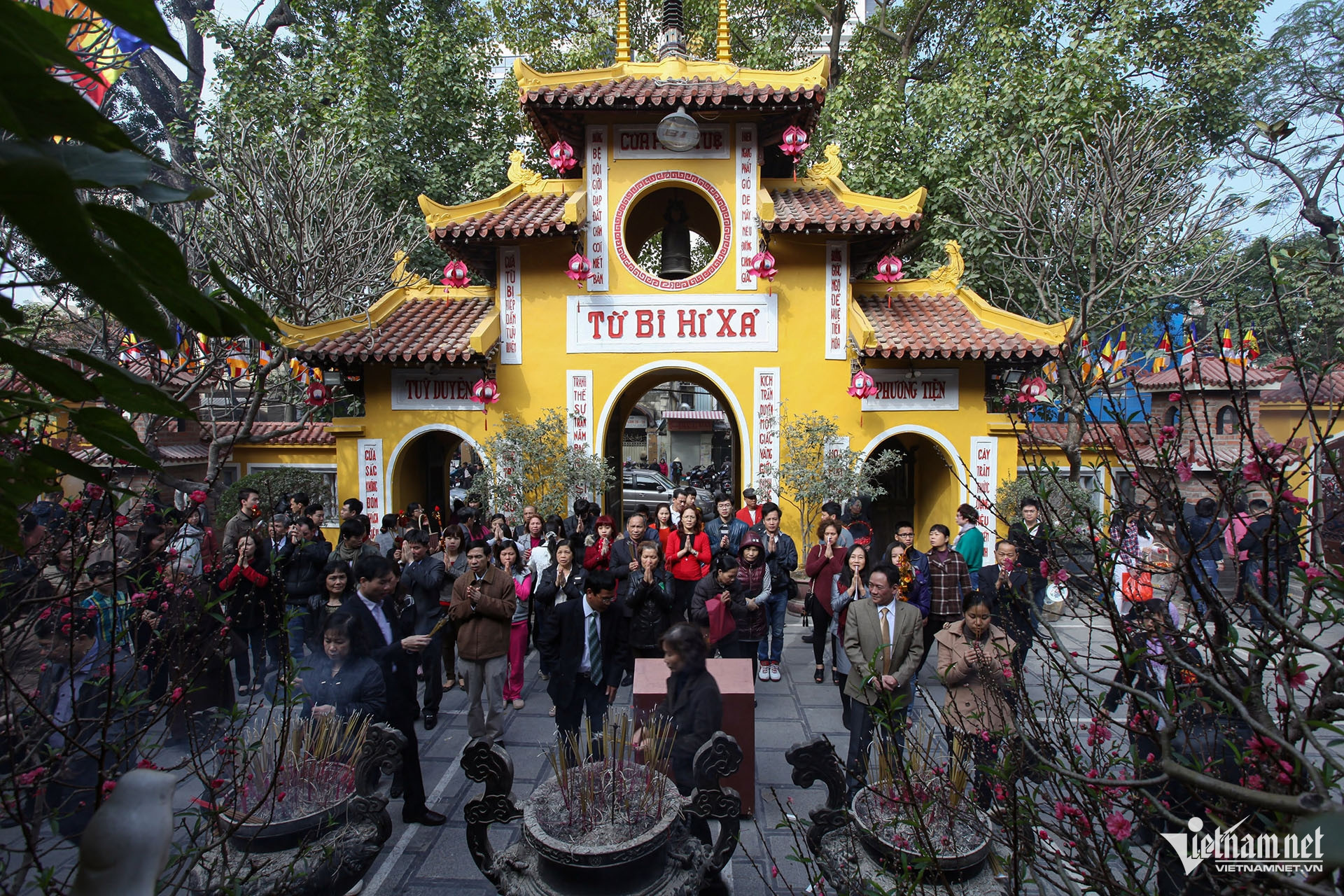
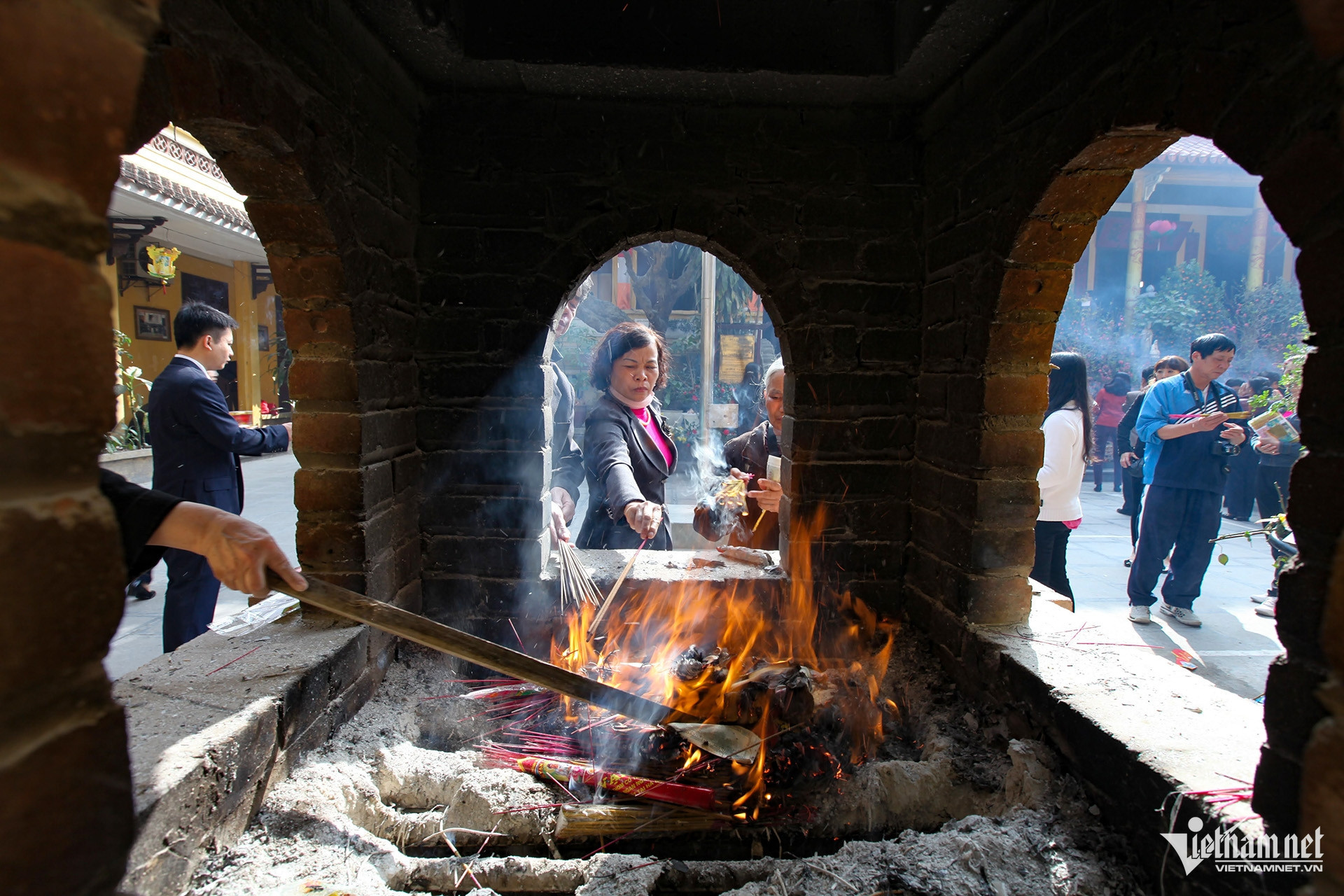
It remains one of Hanoi’s busiest Buddhist worship sites, especially during Tet and on the first and fifteenth days of the lunar month.
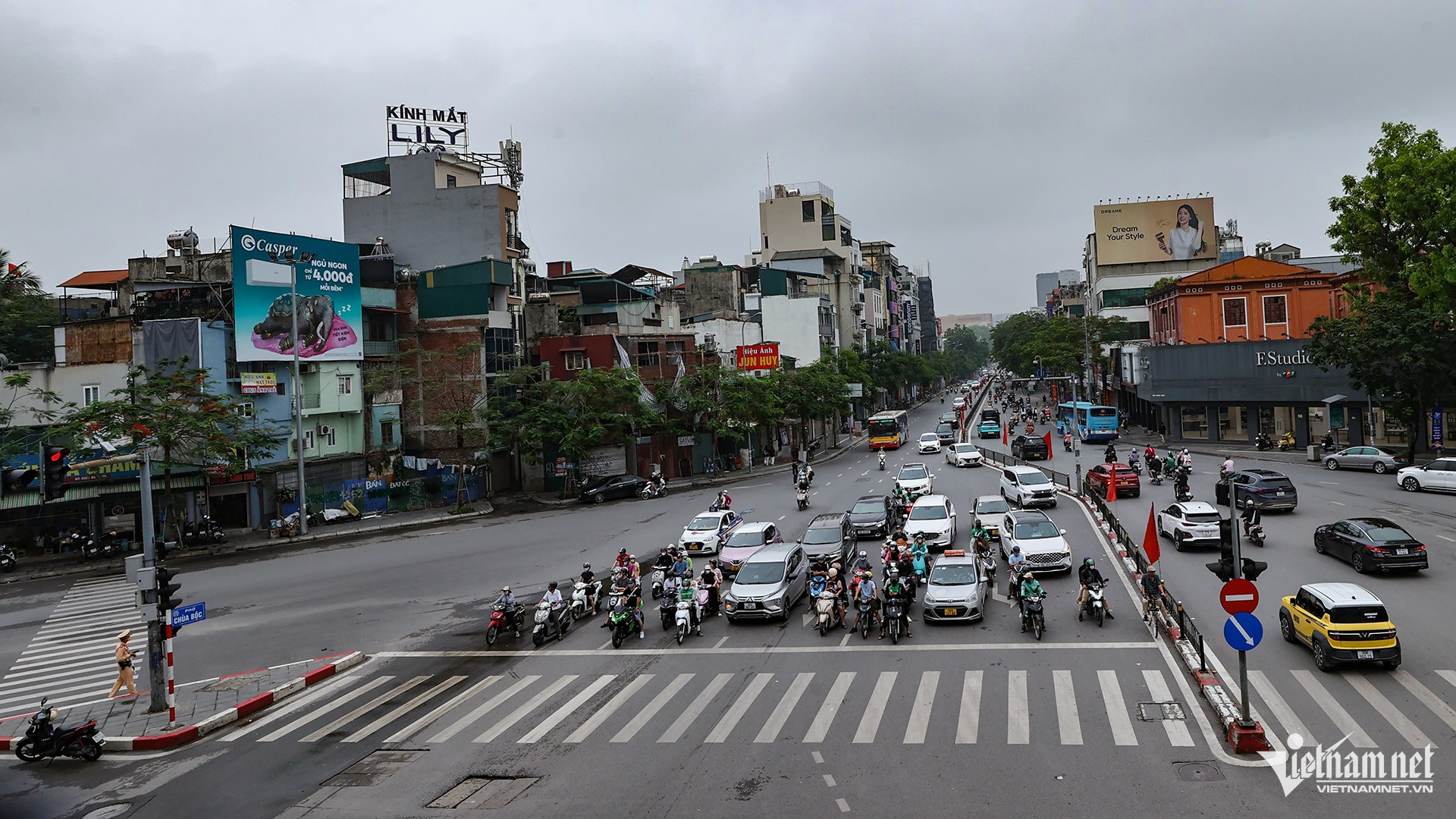
Chua Boc Street officially received its name in 1997, derived from the historic Chua Boc Pagoda.
Today, the street is known as one of Hanoi’s busiest fashion districts, lined with clothing and footwear stores.
The area is also home to Chua Boc Pagoda, formally known as Sung Phuc Tu, where both Buddha and Emperor Quang Trung are worshipped.
Located near major universities such as the Banking Academy, Thuy Loi University and Trade Union University, the street has developed a vibrant and youthful atmosphere.
It stretches from the Ton That Tung - Pham Ngoc Thach intersection to the Tay Son - Thai Ha crossroads.
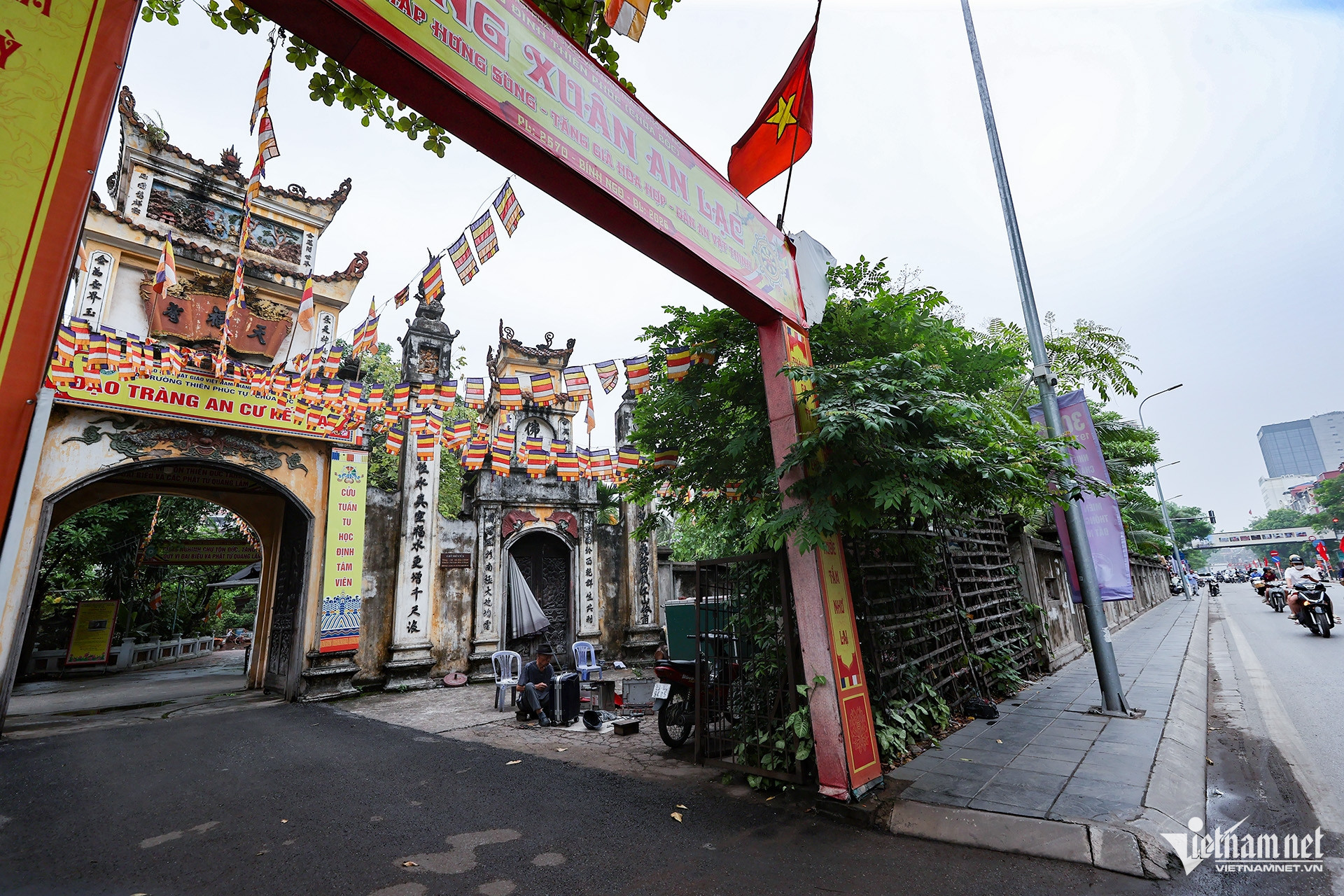
Chua Boc Pagoda was originally the village pagoda of Khuong Thuong Village.
According to historical accounts, the temple stands near the battlefield where Tay Son troops fought Qing invaders during the spring of 1789.
The pagoda suffered severe destruction during the famous Dong Da battle.
Emperor Quang Trung later ordered the local community to rebuild the temple.
Three years later, in 1792, monk Le Dinh Luong and local residents reconstructed the pagoda on its original site and renamed it Thien Phuc Tu.
The rebuilt temple served as a place to pray for the souls of those killed in battle, including Qing soldiers.
The popular name “Chua Boc” emerged from that period.
The word “Boc” means “to expose,” recalling the sight of enemy bodies left across the battlefield after the Tay Son victory.
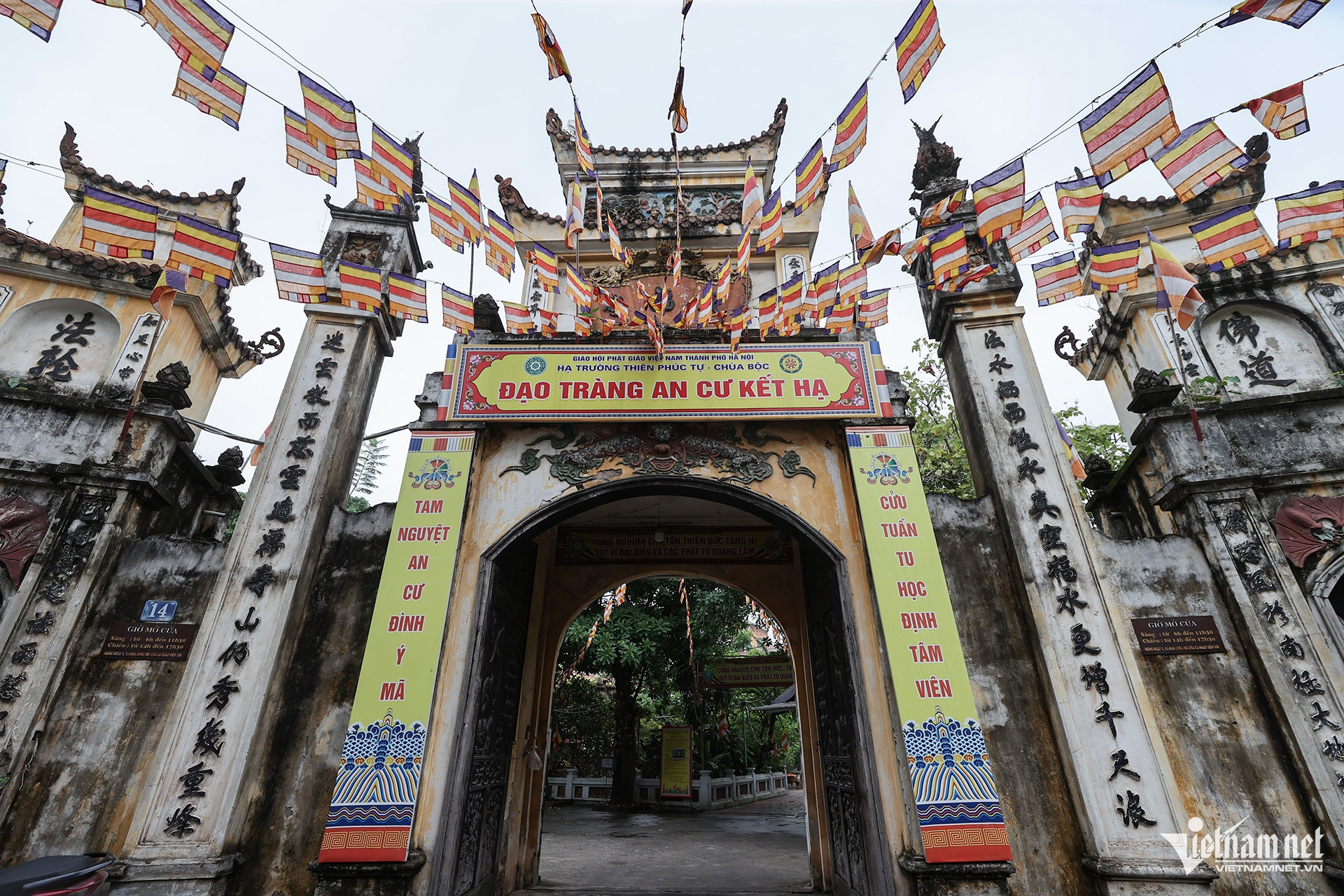
On January 13, 1964, the Ministry of Culture officially recognized Chua Boc Pagoda as a national historical and cultural relic.
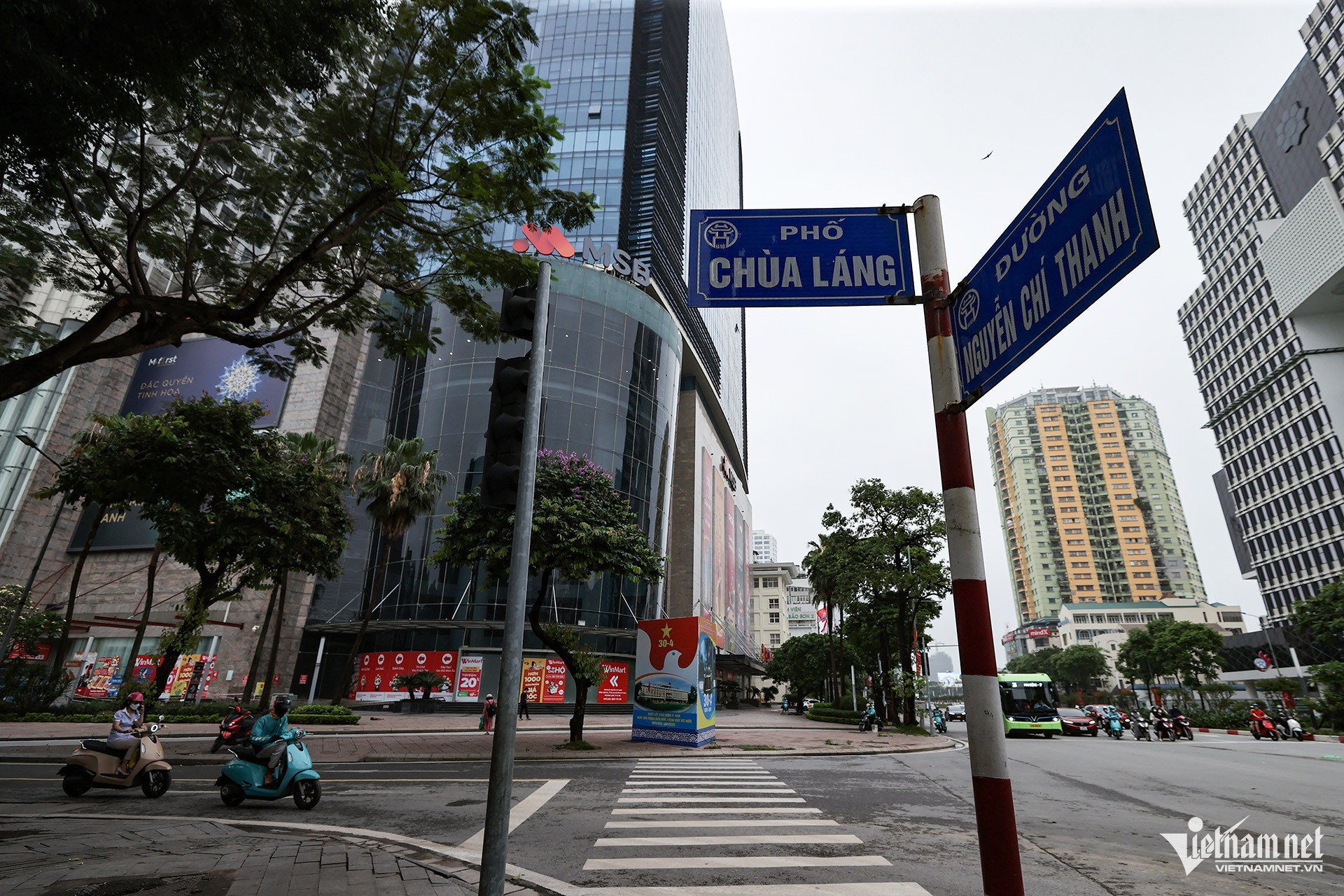
Chua Lang Street stretches roughly one kilometer, linking Nguyen Chi Thanh Road with Lang Road.
The street takes its name from Chieu Thien Tu, commonly known as Chua Lang Pagoda, which was built during the 12th century under King Ly Anh Tong.
However, the modern street name was officially established after Hanoi’s urban expansion and infrastructure planning, particularly during the development of the Lang Thuong area around July 2001.
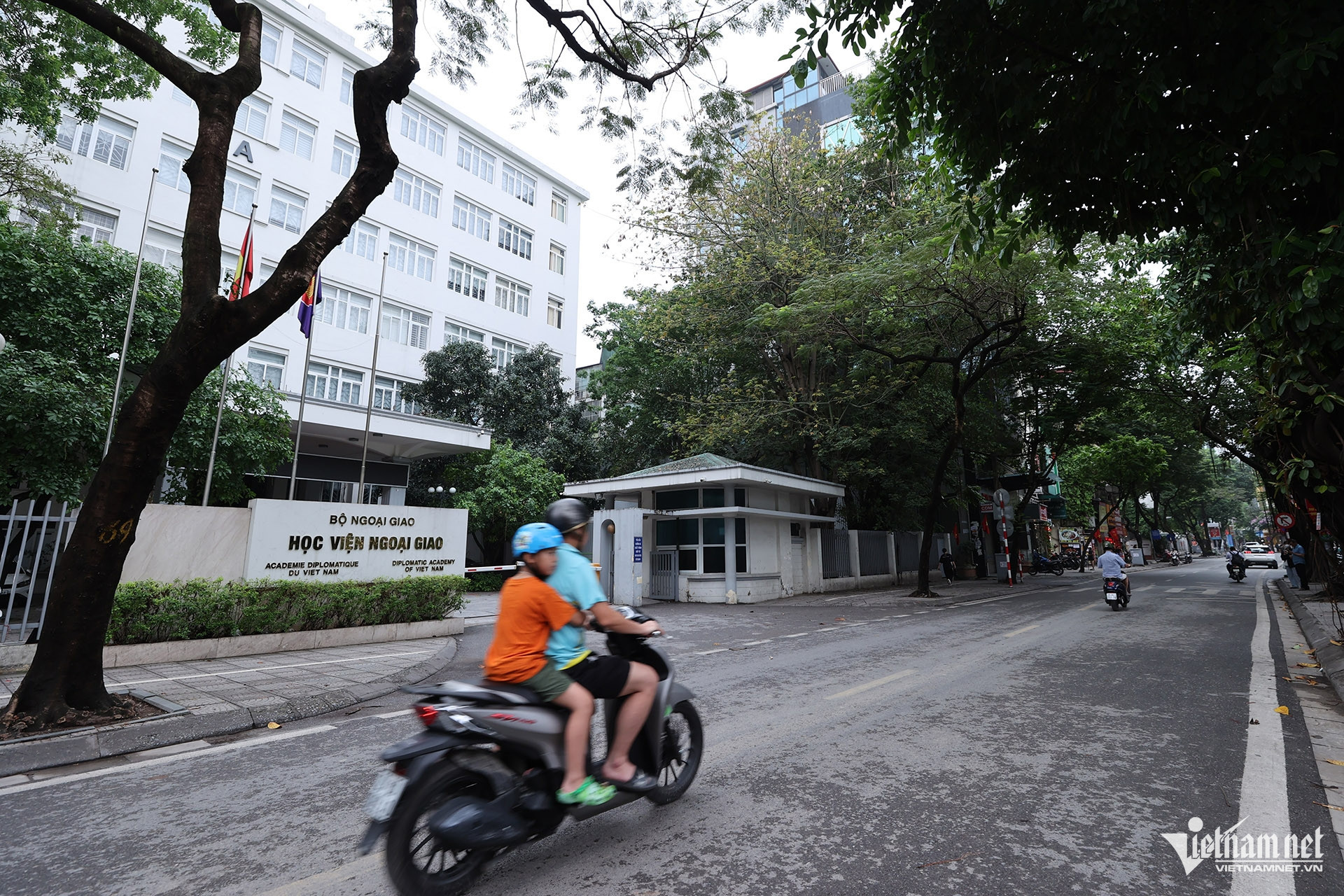
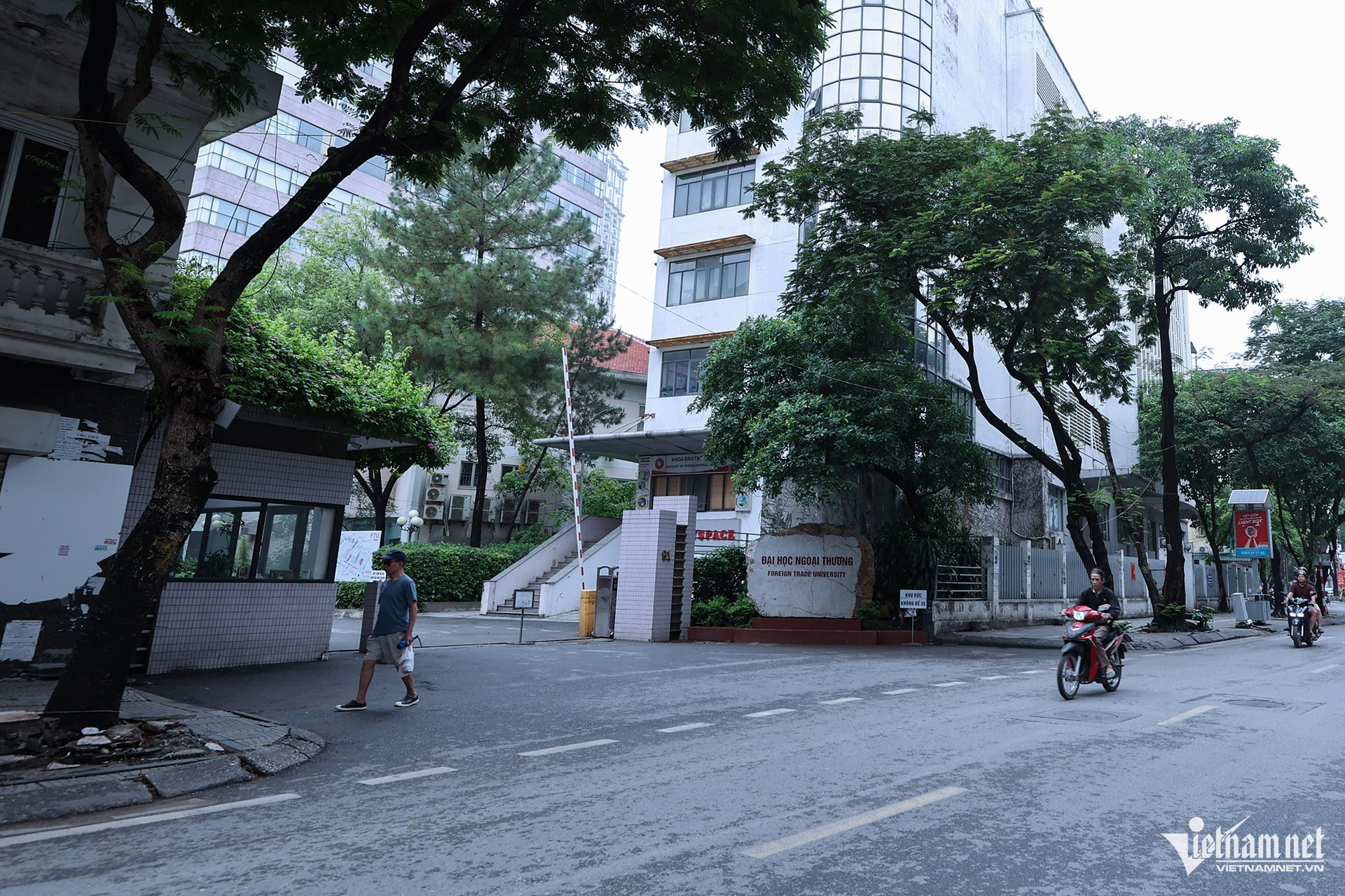
The street is home to the Diplomatic Academy of Vietnam and the Foreign Trade University.
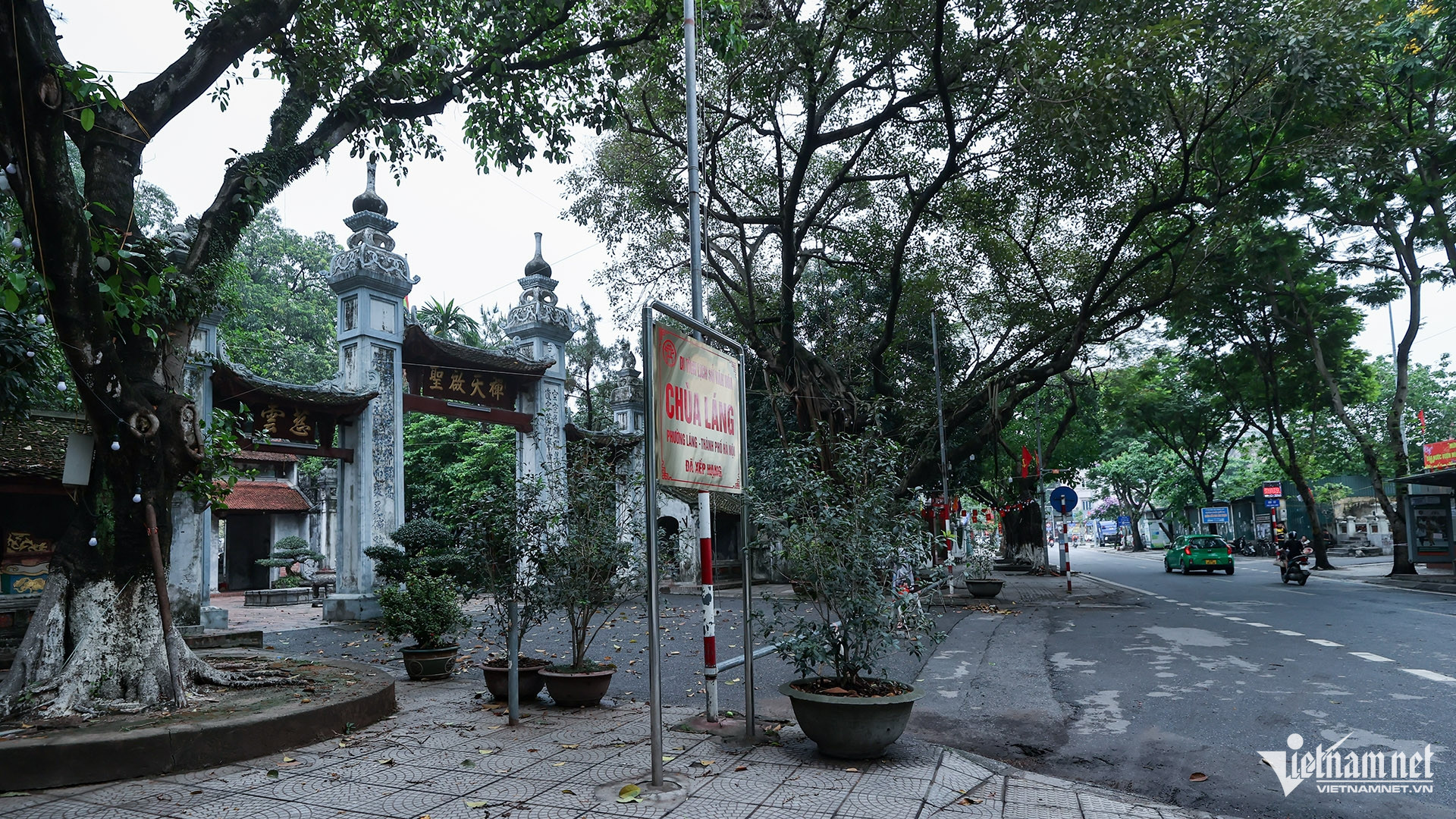
Chua Lang Pagoda, located directly on the street, was built between 1138 and 1175 and dedicated to Monk Tu Dao Hanh.
It was once praised as “De Nhat Tung Lam” - the pagoda with the most beautiful pine forest west of the ancient Thang Long citadel.
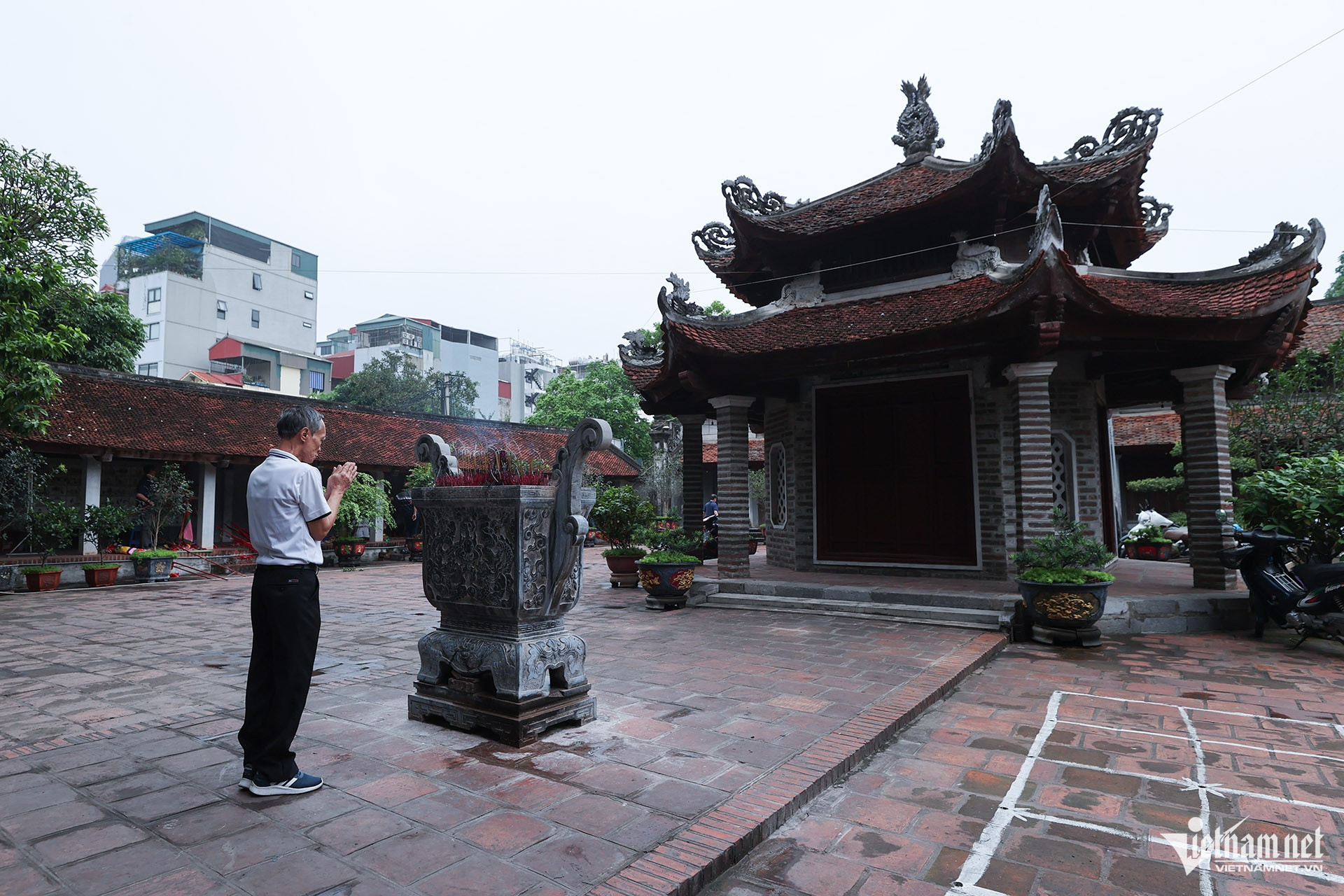
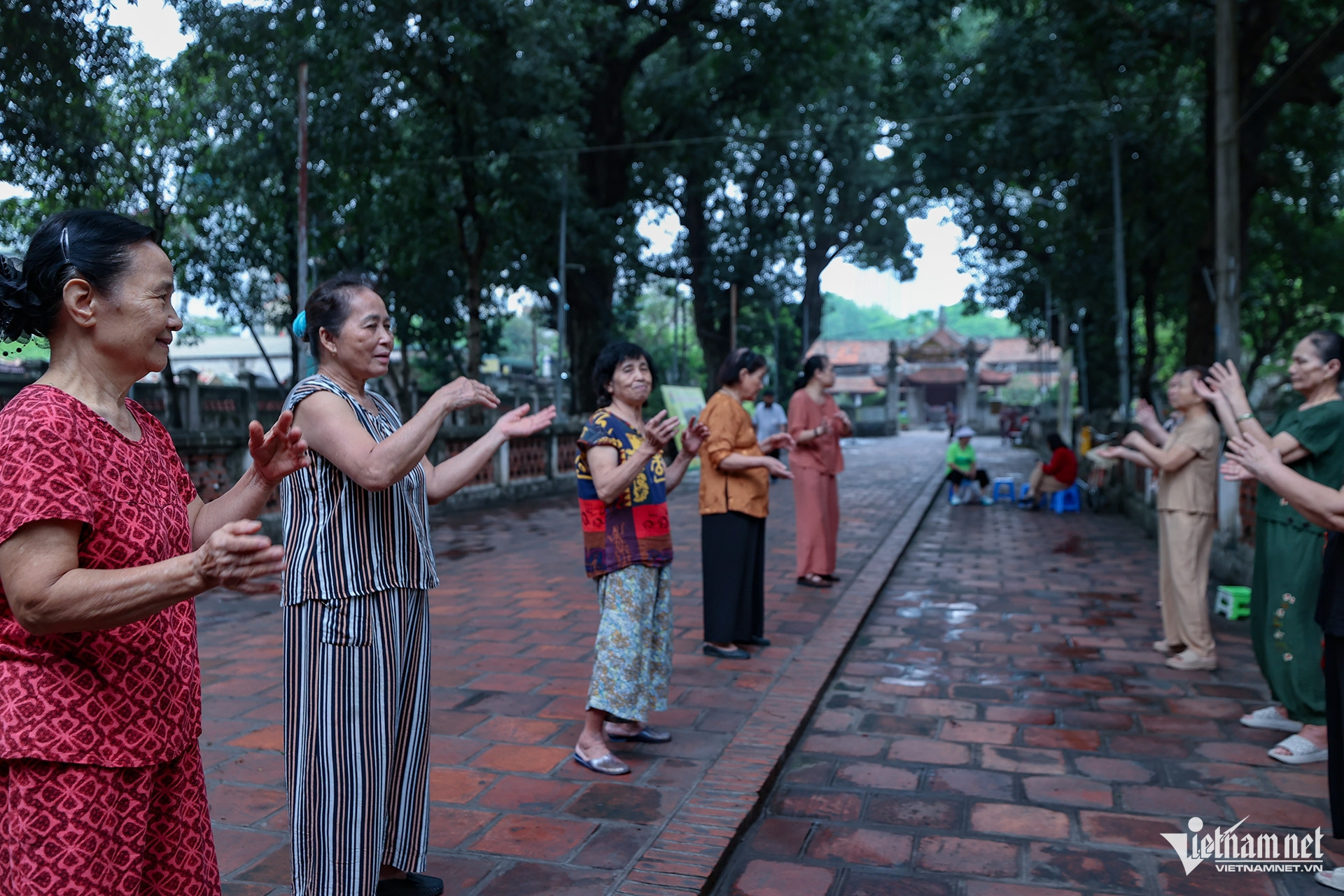
Today, the pagoda continues to serve local Buddhists and worshippers from across Vietnam.
Its spacious grounds and ancient trees also make it a popular place for nearby residents to exercise and relax.
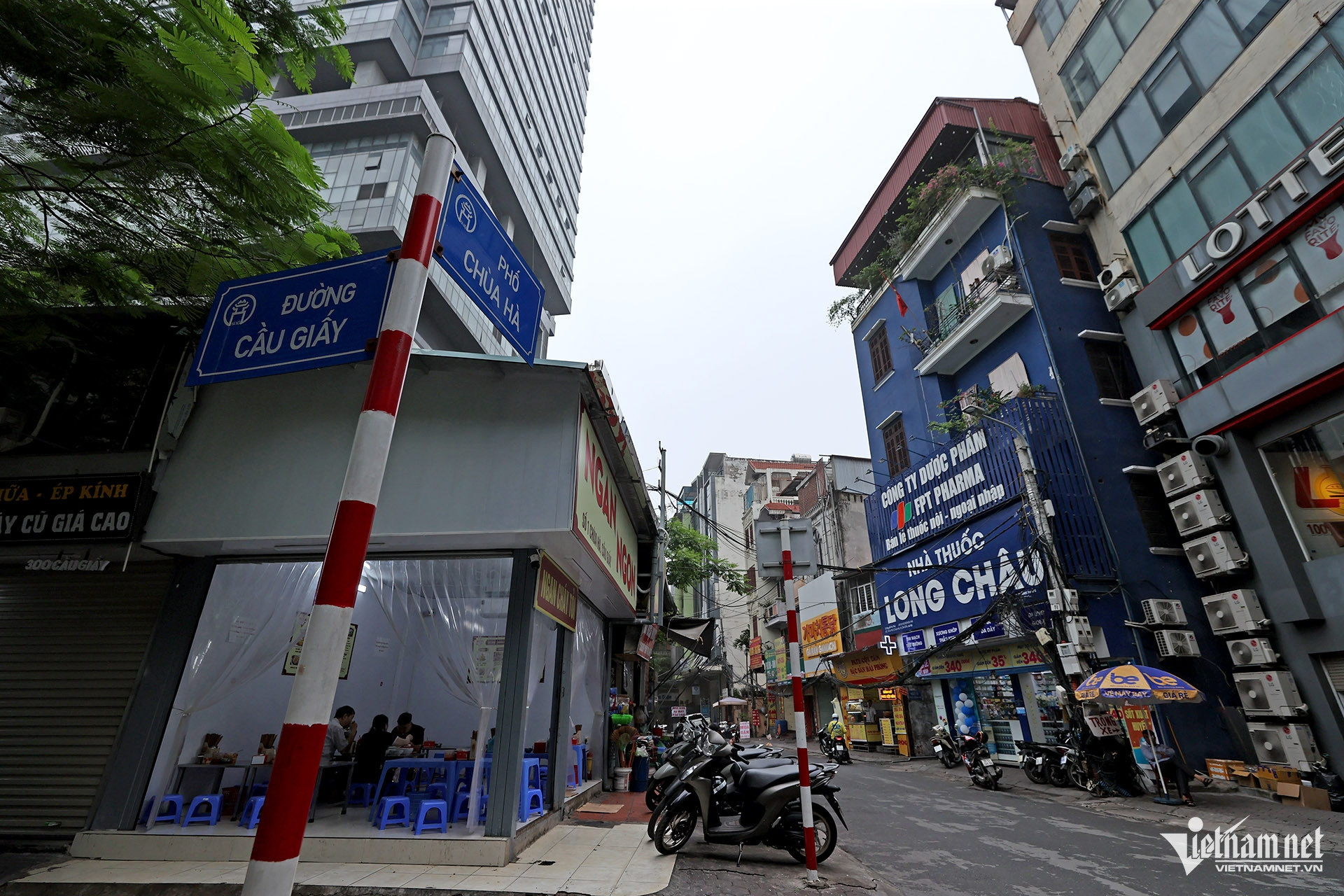
Chua Ha Street runs 800 meters from Cau Giay Street, passing Ha Pagoda and Dich Vong B Primary School before reaching To Hieu Street.
The street received its official name in January 2002 after Ha Pagoda, which dates back to the 17th century.
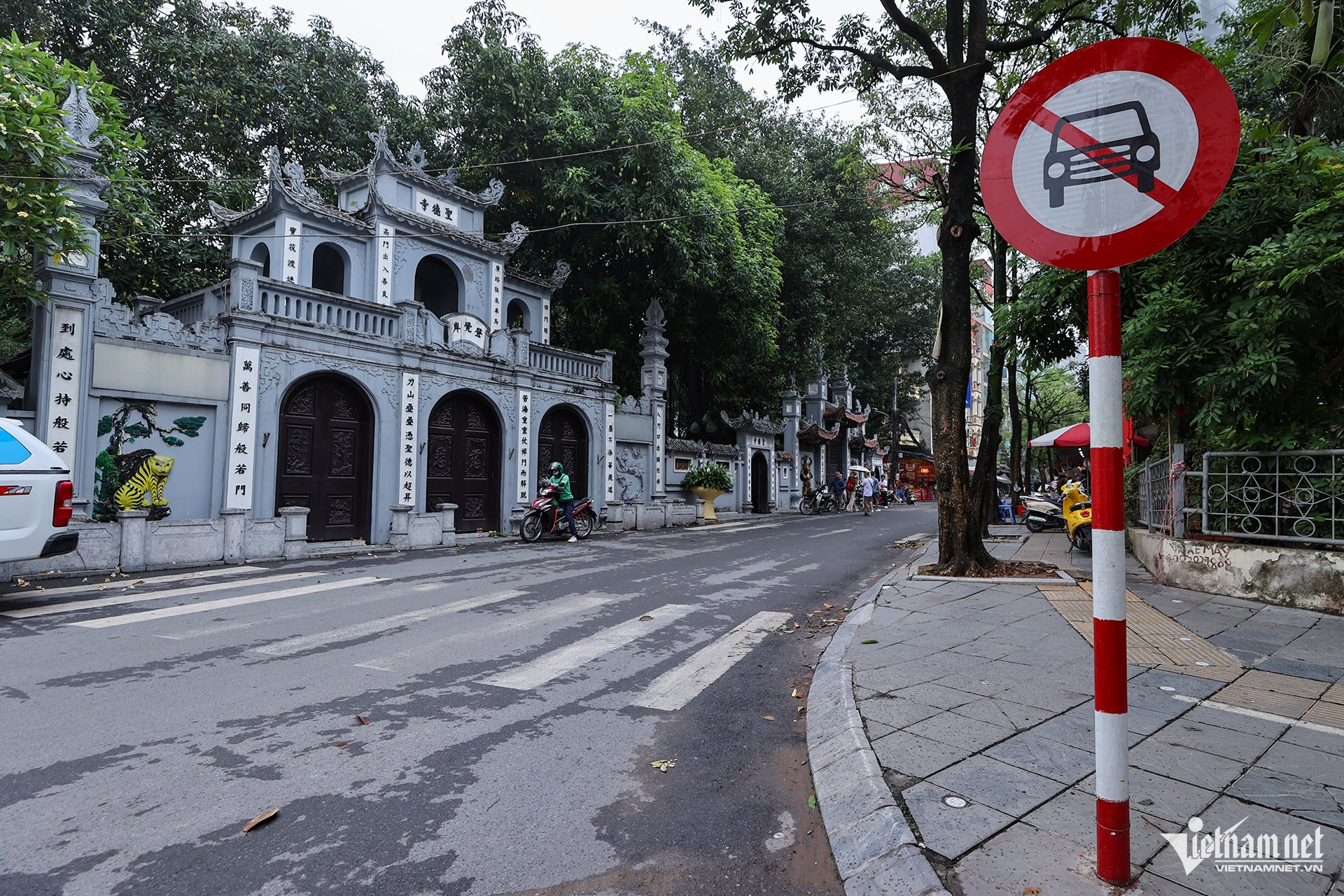
The pagoda itself is believed to have originally been built during the Ly Dynasty before being reconstructed in brick and tile in 1680 during the reign of King Le Hy Tong.
The name “Chua Ha” (Ha Pagoda) has existed for centuries, originating from Thanh Duc Tu Pagoda in Boi Ha Hamlet of the former Dich Vong Commune.
The temple is widely known as one of Hanoi’s most sacred places for prayers related to love and relationships.
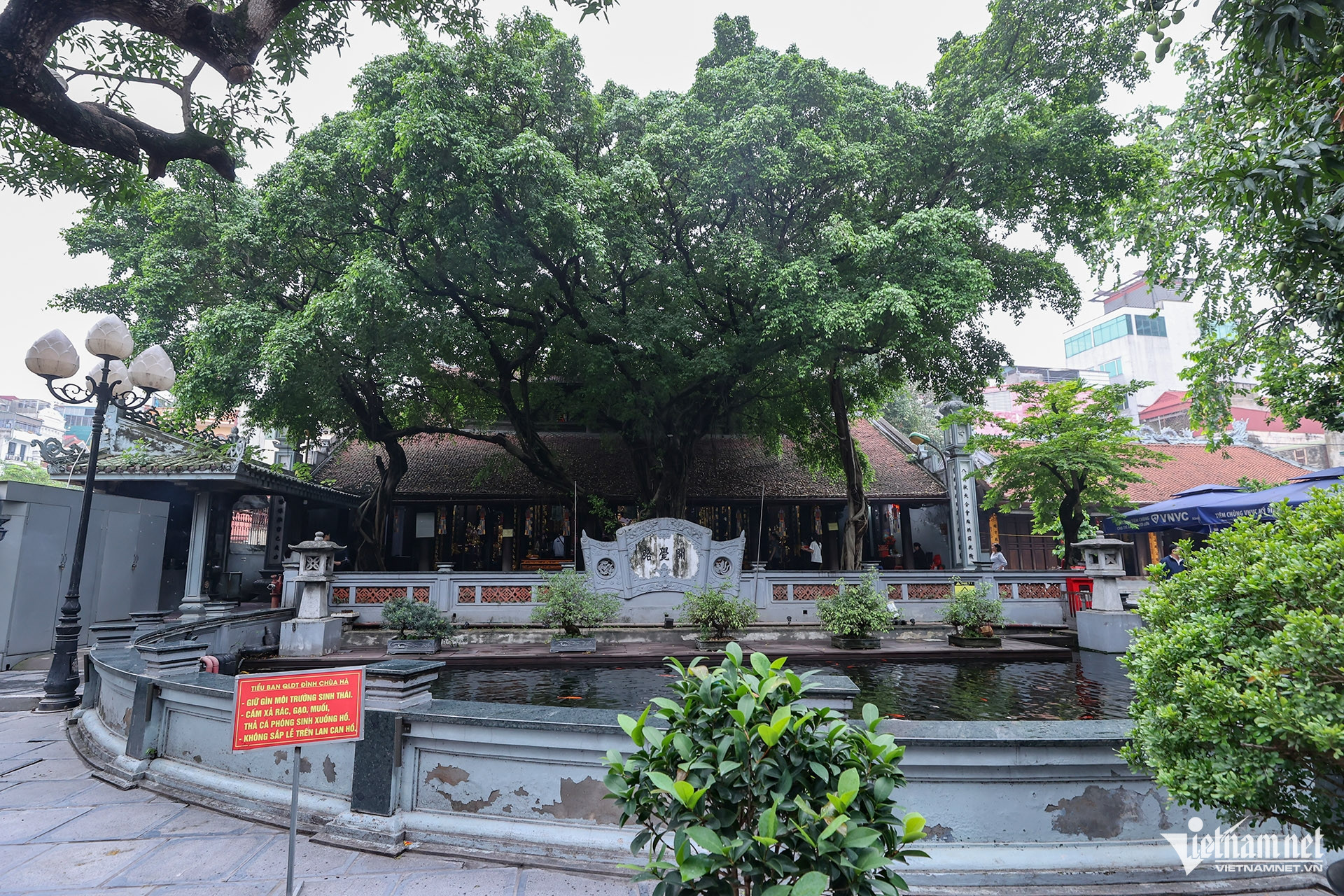
Amid the old charm of Hanoi, Ha Pagoda has long attracted visitors seeking spiritual blessings, especially young people praying for romance.
The pagoda becomes particularly crowded during Tet and lunar worship days.
Ha Pagoda is also tied to Hanoi’s revolutionary history.
During the resistance war against French colonial rule, the pagoda and the surrounding Dich Vong area served as a secret meeting and communication base for the Bac Ky (Tonkin) Regional Party Committee between 1941 and 1945.
Le Anh Dung
.svg)
