 Vietnamnet.vn

 Podcast


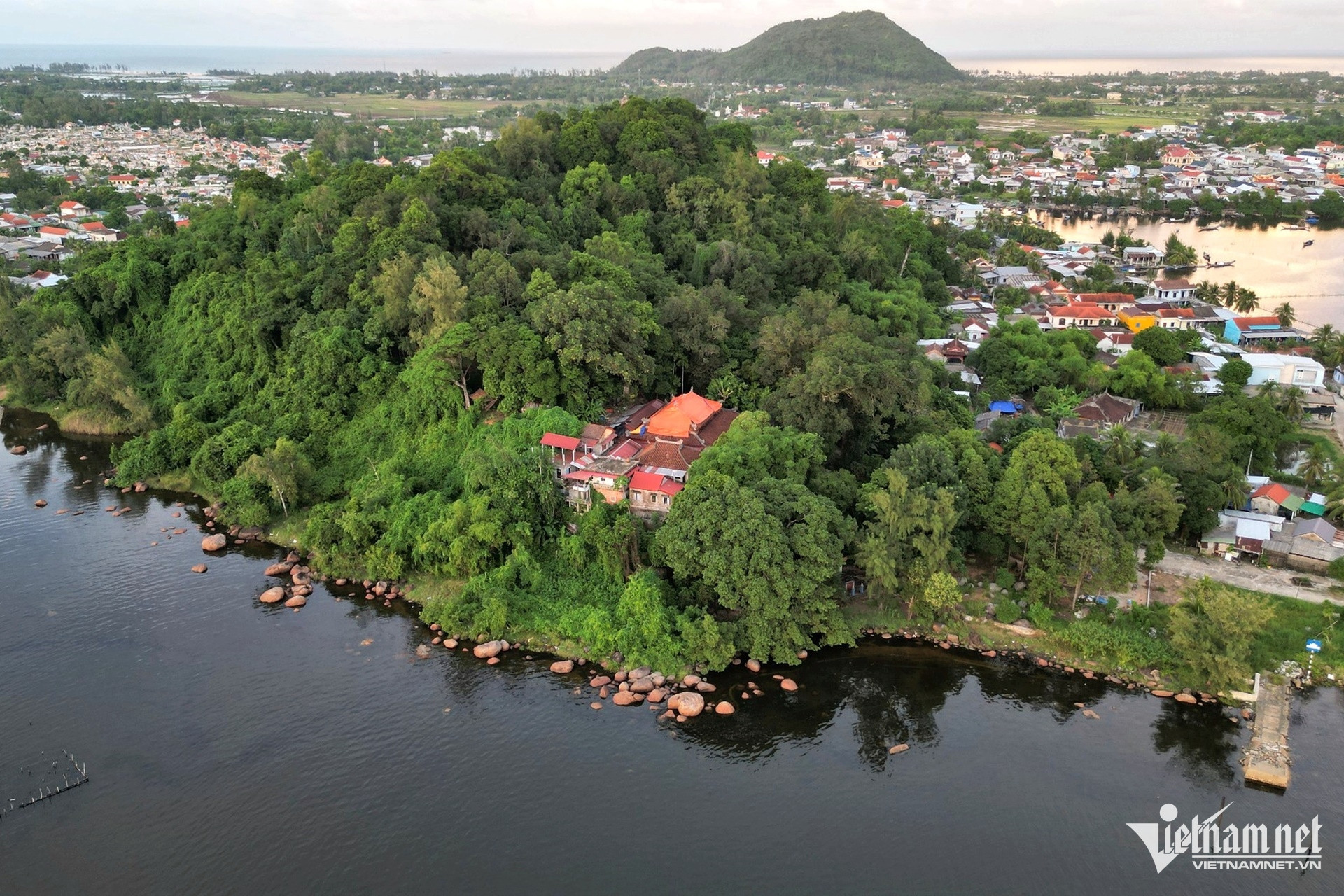
Located on Tuy Van Mountain in Vinh Loc Commune, Hue, near the Tu Hien estuary, Thanh Duyen Pagoda is one of three renowned royal Buddhist temples of the Nguyen Dynasty.
The pagoda dates back to the second half of the 17th century, during the reign of Nguyen Lord Nguyen Phuc Tan. In 1836, Emperor Minh Mang ordered its reconstruction on the original site, with work completed in the first lunar month of 1837.
A royal pagoda hidden among ancient trees
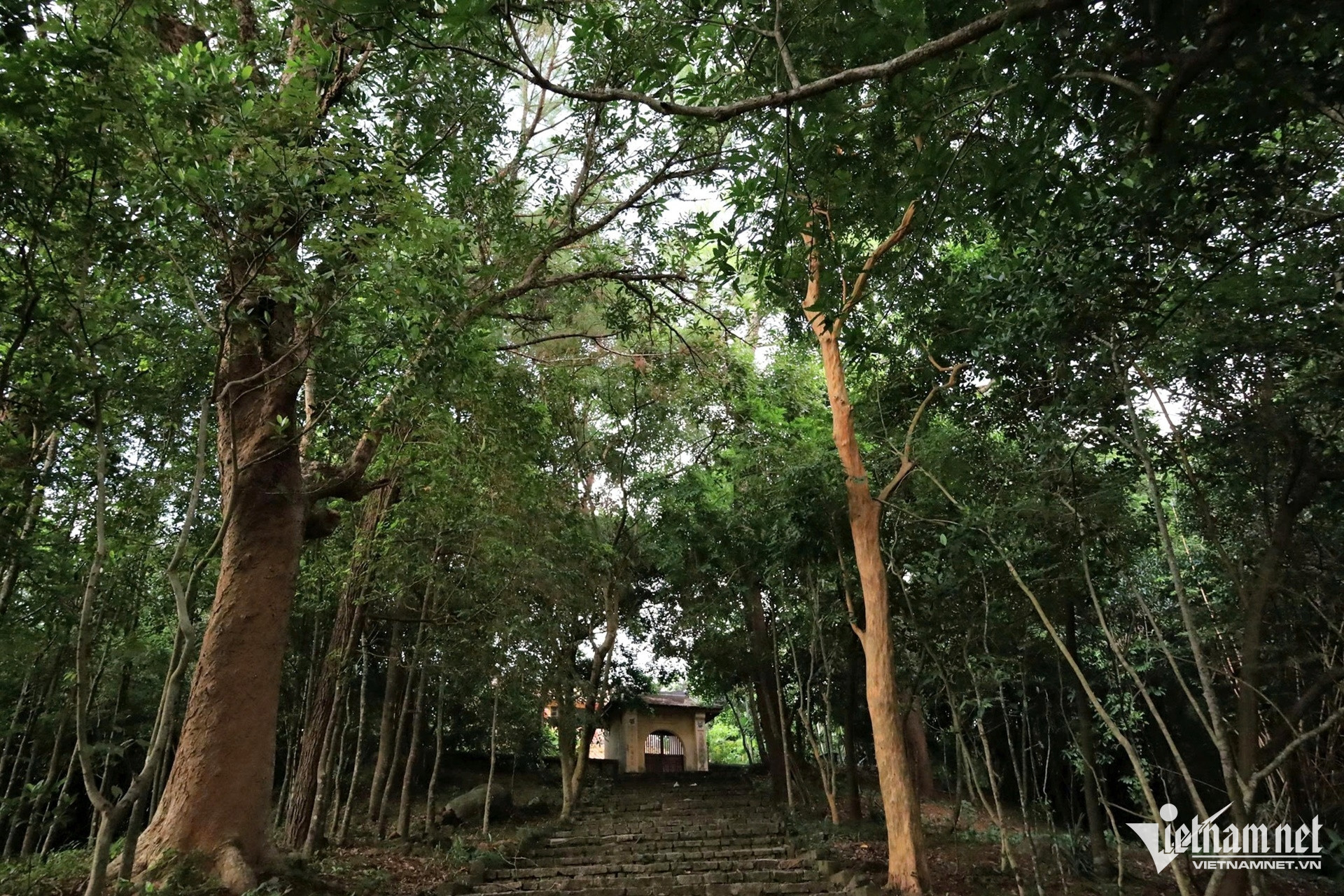
The path leading to Thanh Duyen Pagoda winds beneath the canopy of ancient trees, with stone steps following the mountainside.
Emperor Thieu Tri once ranked Tuy Van Mountain ninth among the 20 scenic attractions of the imperial capital, naming it Van Son thang tich.
The pagoda grounds are home to 113 ancient trees, many estimated to be between 200 and 300 years old. Species include pine, mango, jackfruit, dipterocarp and ironwood. Each tree is numbered to facilitate management and conservation.
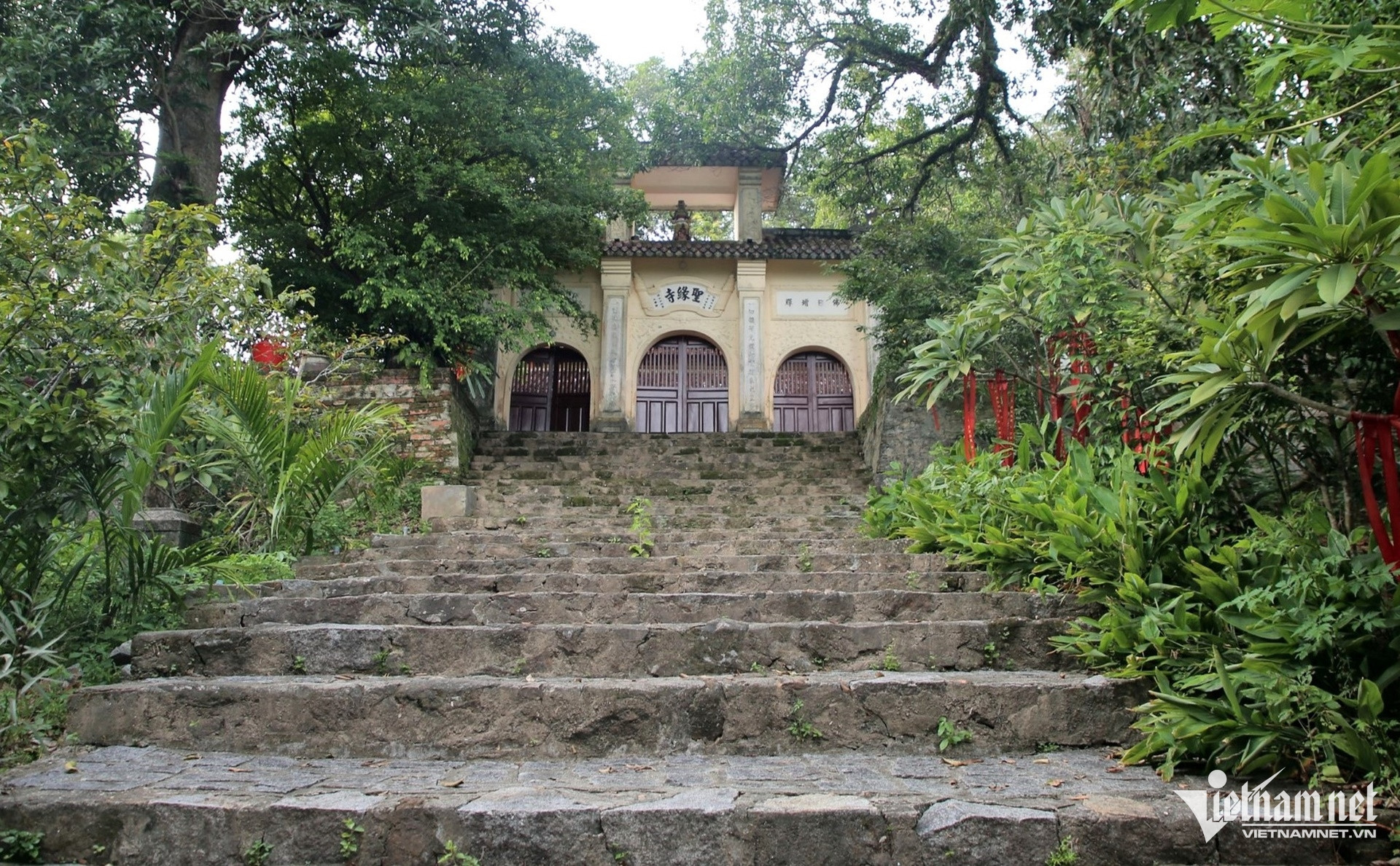
The pagoda’s two-storey triple-entrance gate features three passageways on its lower level, with three Chinese characters identifying Thanh Duyen Pagoda inscribed above the central entrance.
In 1996, the pagoda was recognised as a national architectural and artistic heritage site.
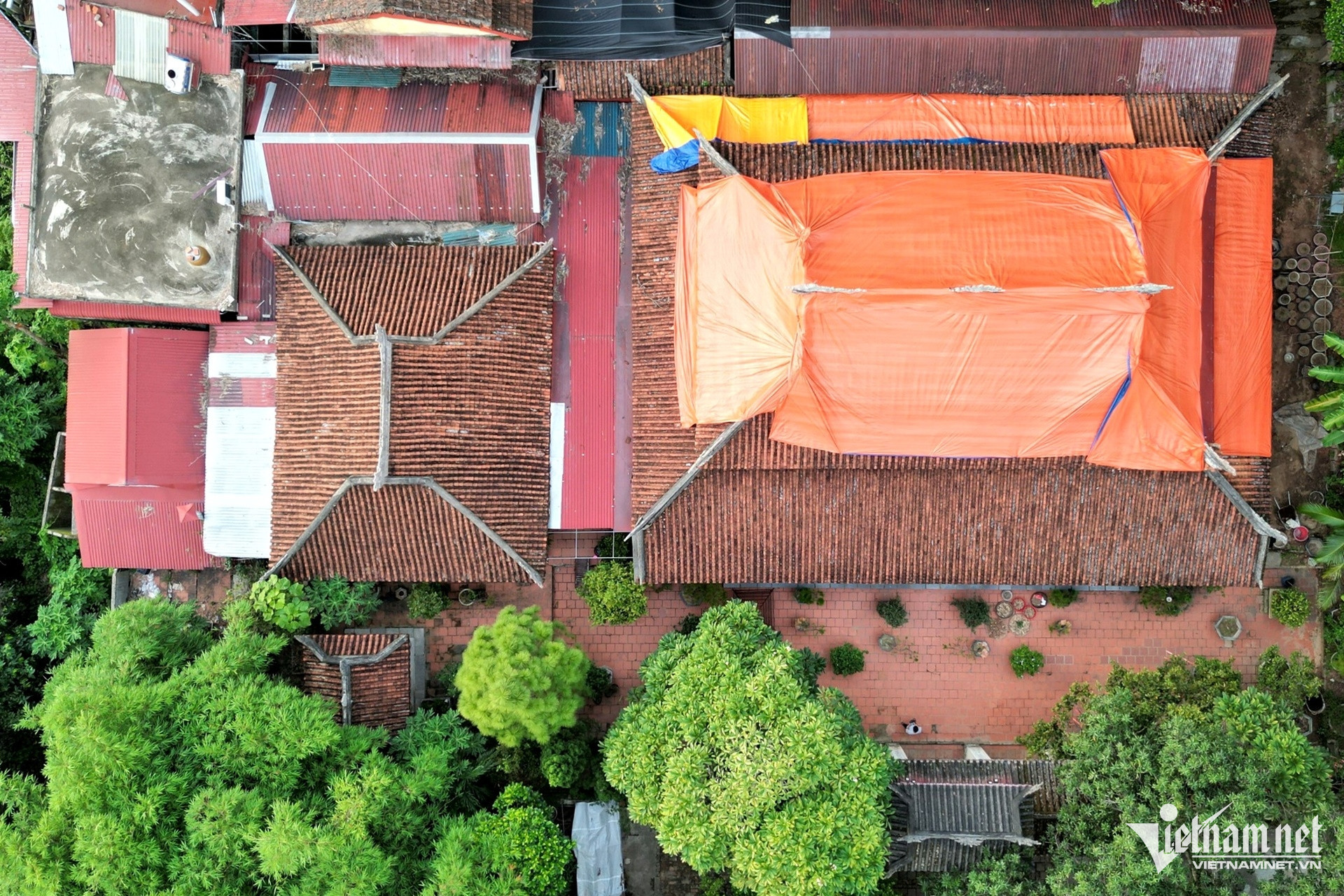
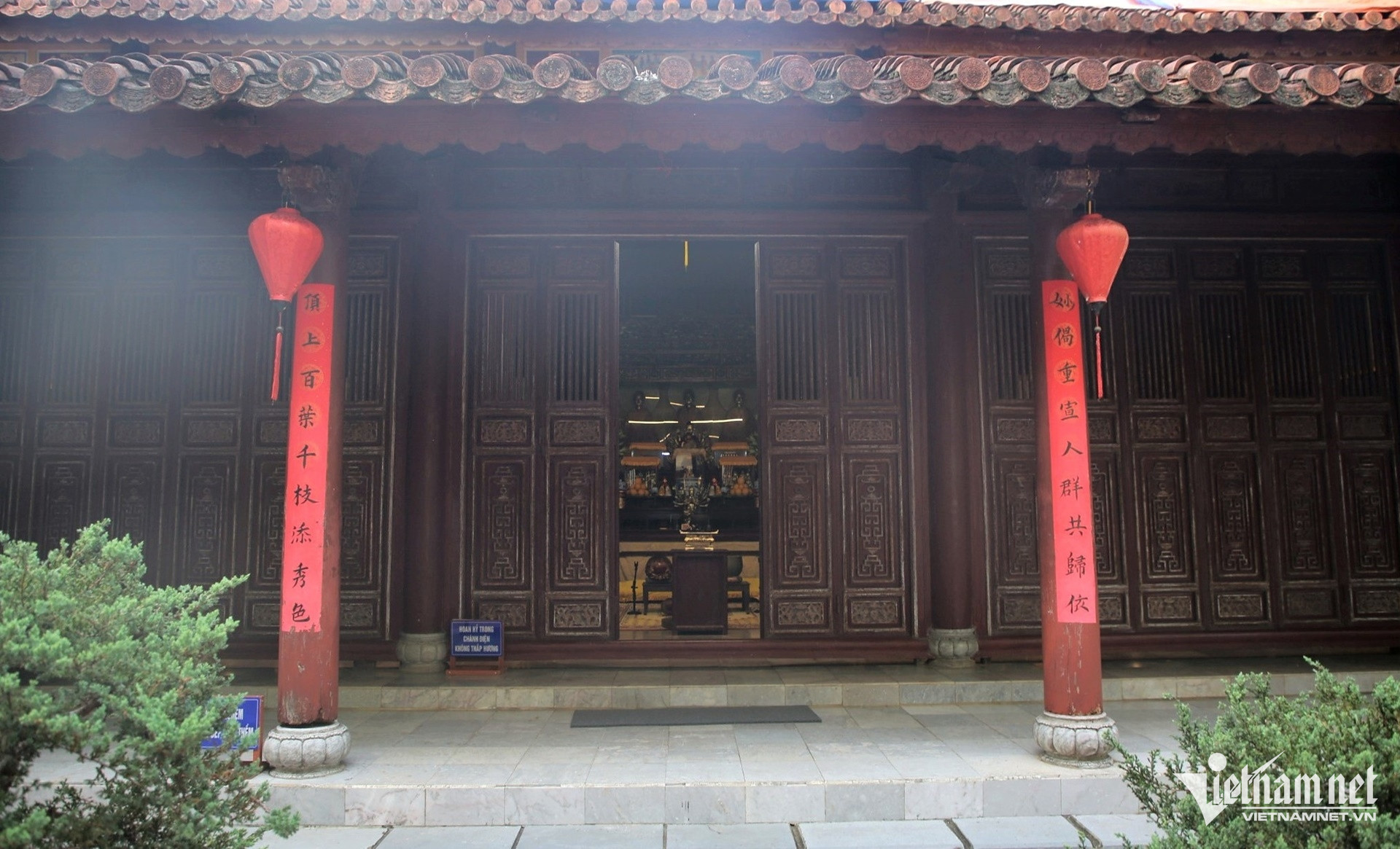
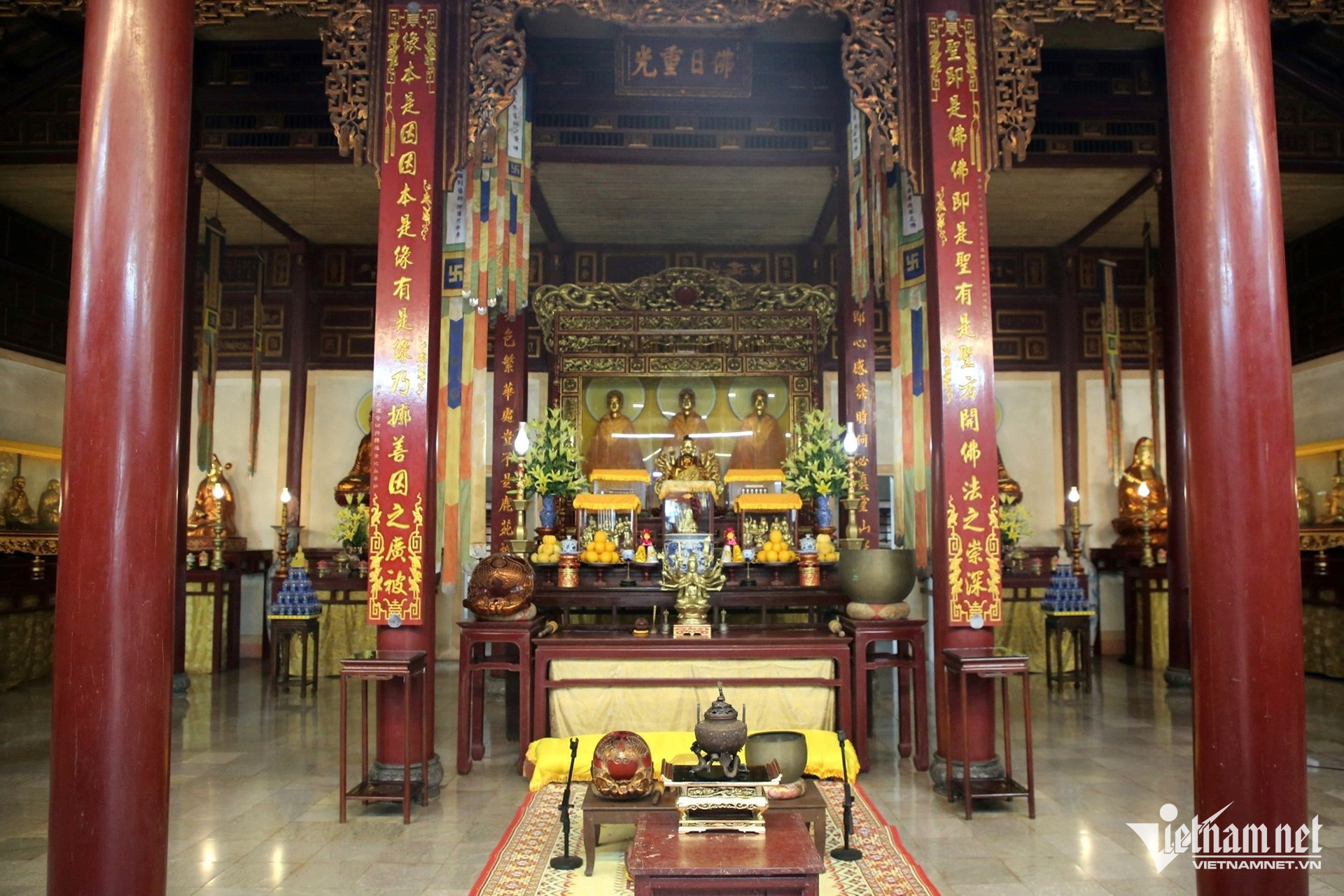
Its main sanctuary was built in the traditional Hue wooden architectural style, known as nha ruong, featuring three central bays, two side compartments and a traditional tiled roof.
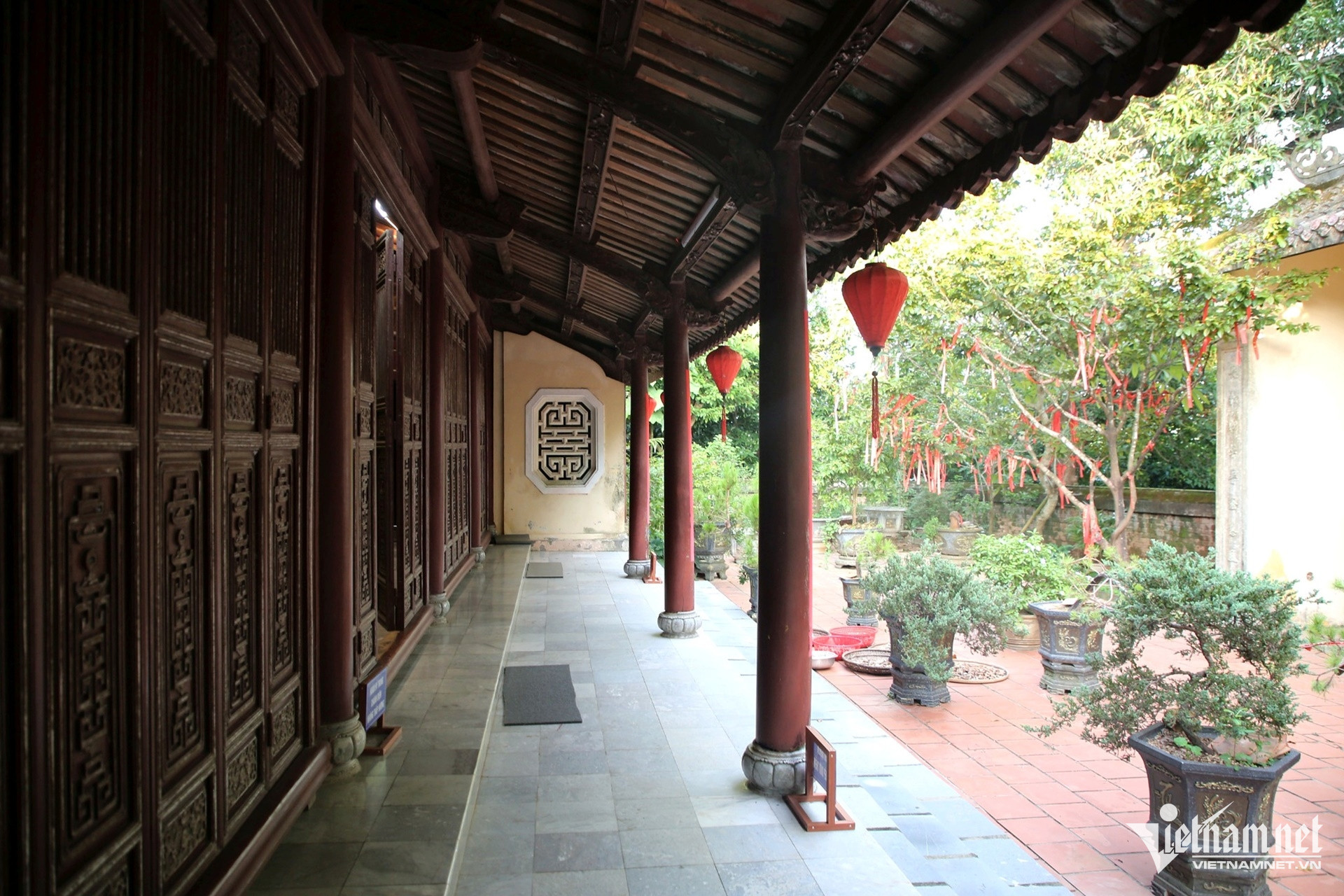
The façade has five entrances, distinguished by intricately carved wooden doors, red-painted columns and decorative elements characteristic of Nguyen Dynasty architecture.
Despite undergoing several restorations, Thanh Duyen Pagoda retains many of its original architectural features. The corridor alongside the main sanctuary features wooden columns, extended eaves and elaborately carved windows.
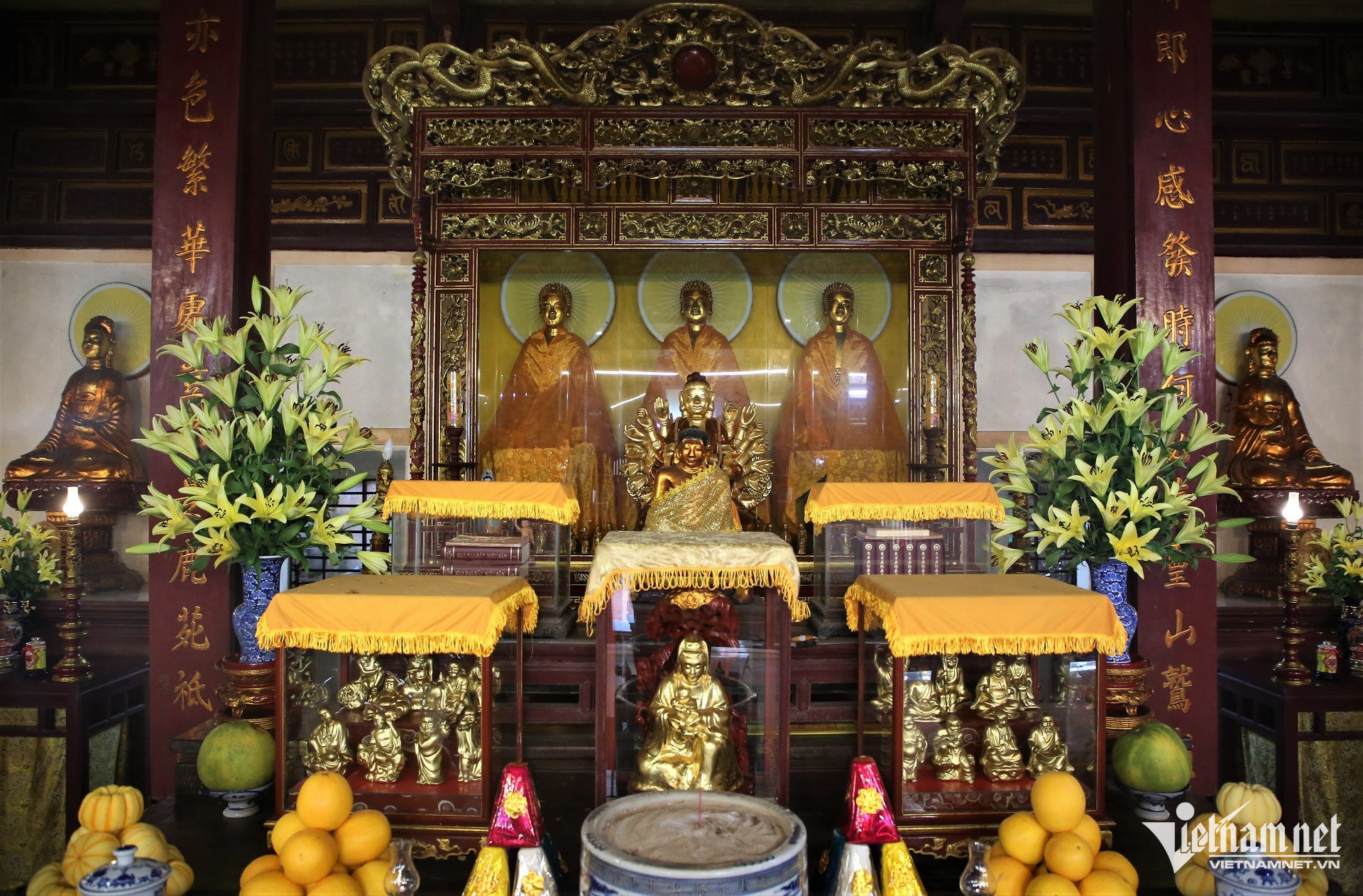
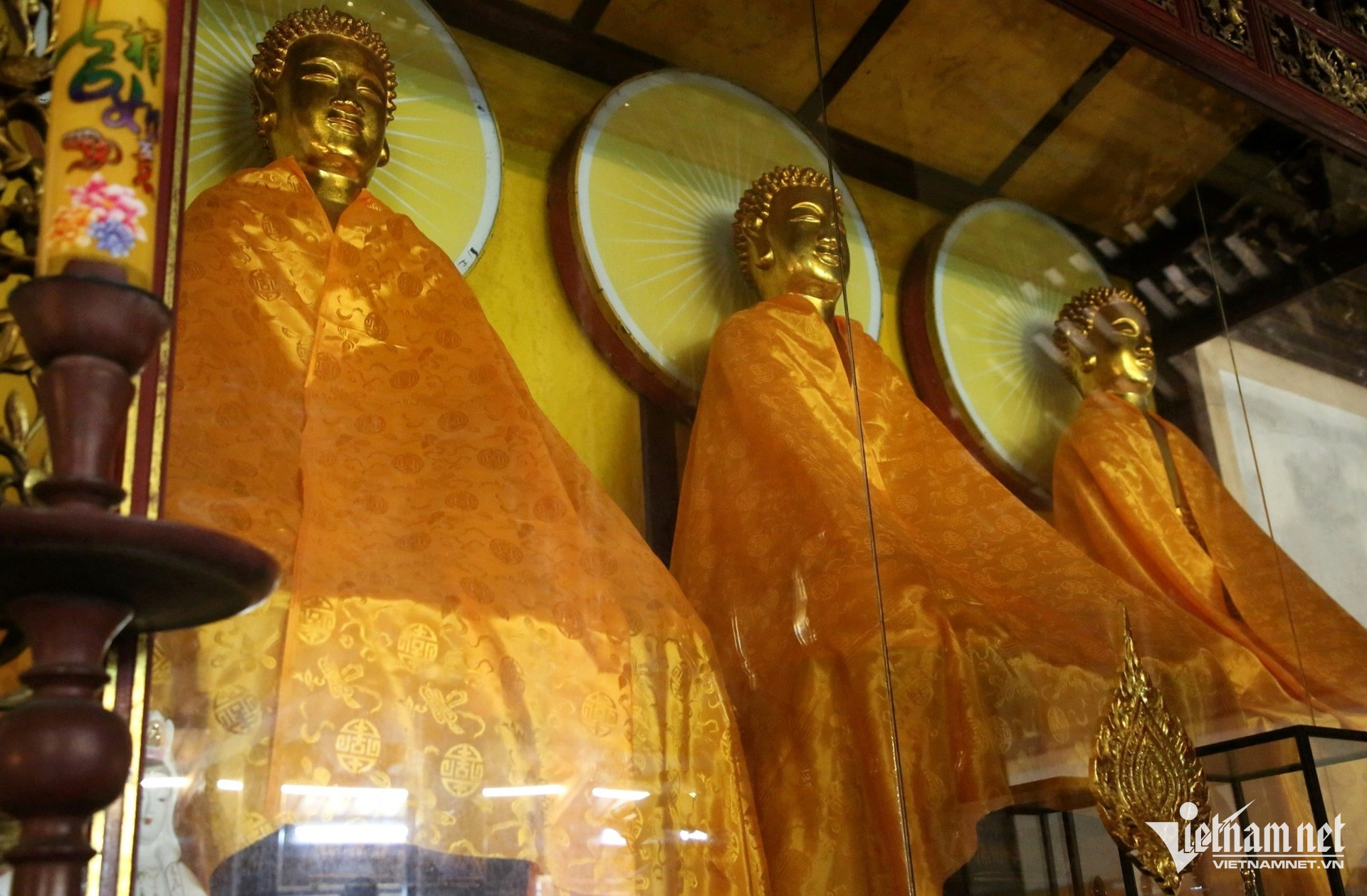
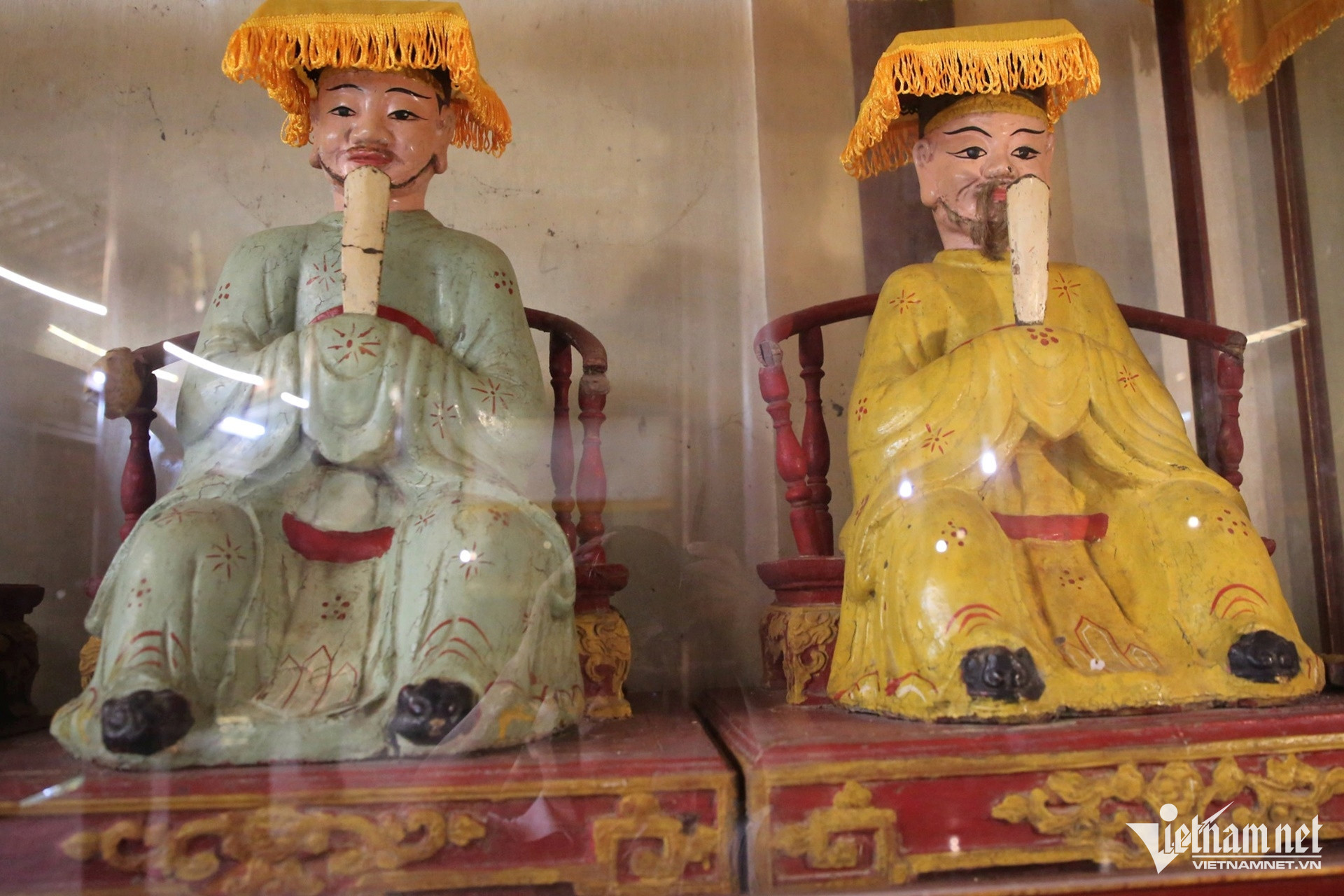
Inside, the central chamber is dedicated to the Buddhas of the Three Ages, representing the past, present and future. Statues of Arhats and the Ten Kings of the Underworld are arranged on either side.
The sanctuary also preserves numerous horizontal inscribed boards, parallel couplets and ceremonial objects reflecting the artistic traditions of the Nguyen Dynasty.
Two record-setting collections of Arhat statues
According to Venerable Thich Minh Chinh, the pagoda’s caretaker, Thanh Duyen currently preserves nearly 70 rare ancient statues, many of which are more than 200 years old.
Three statues representing the Buddhas of the Three Ages occupy the central position in the main sanctuary. Draped in golden robes, the figures are backed by large halos.
The statues of the Ten Kings of the Underworld feature distinctive clothing, postures and facial expressions.
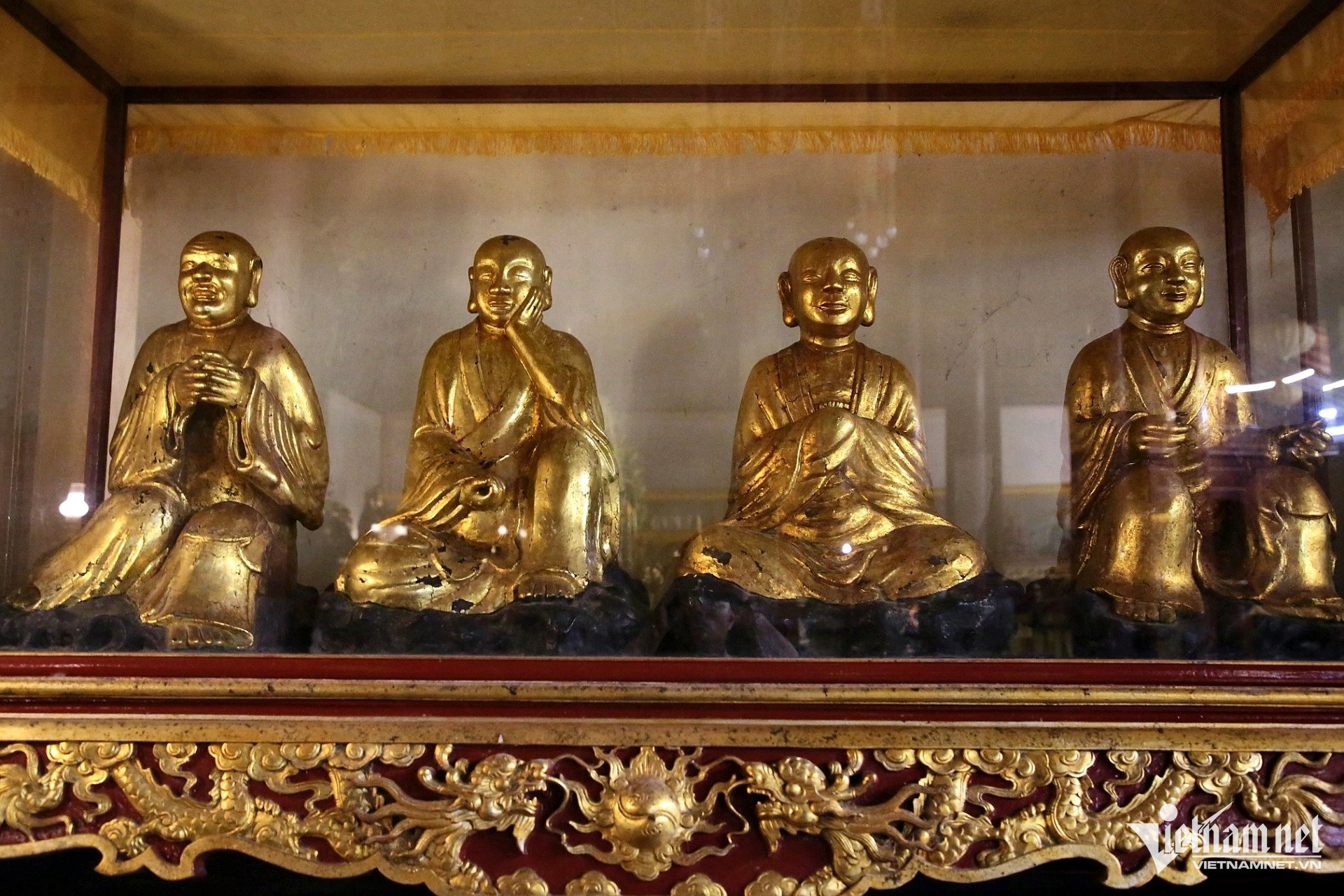
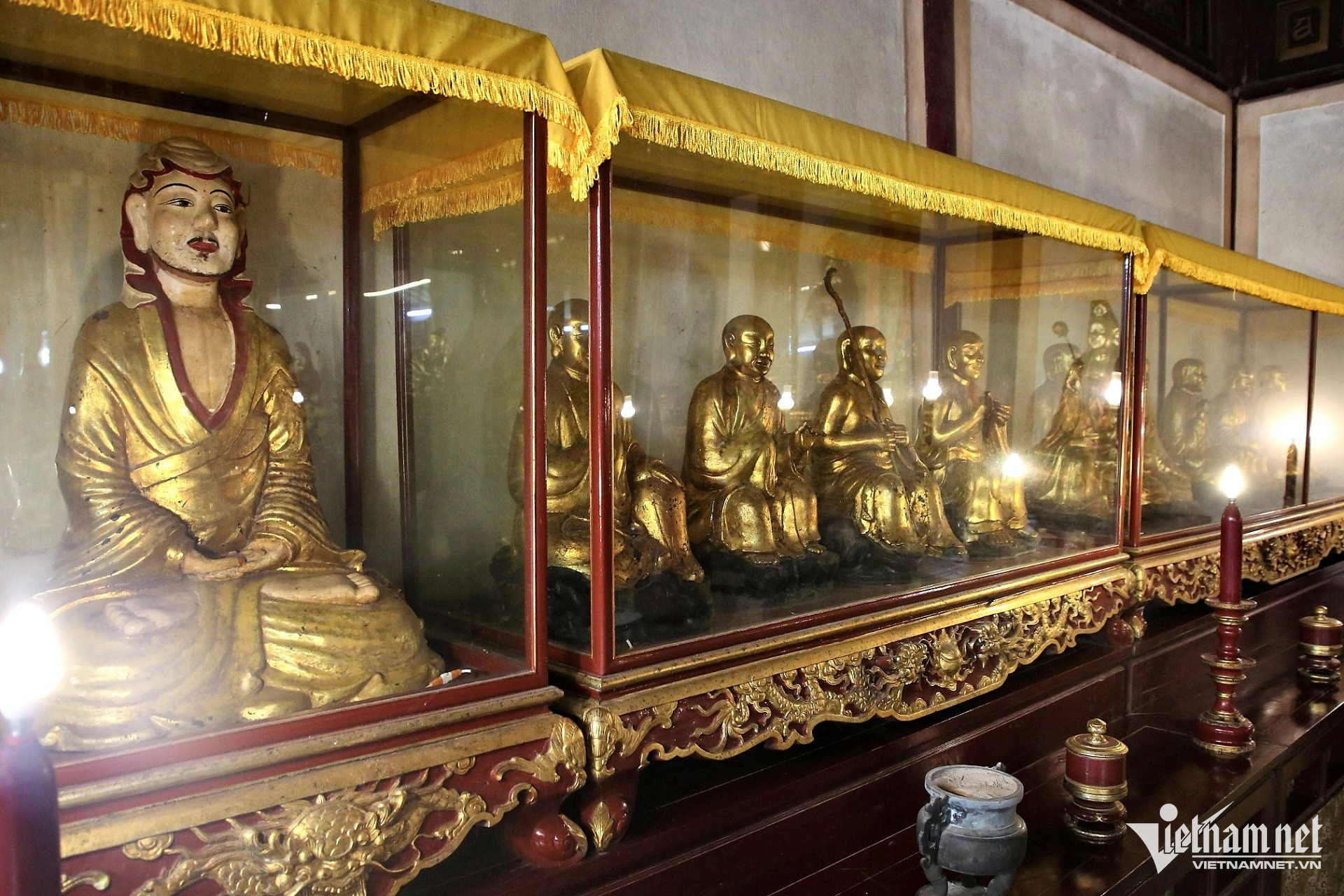
Among the pagoda’s most remarkable treasures is a collection of 18 bronze Arhat statues, arranged in two rows of nine on either side of the main sanctuary.
In 2008, the collection was recognised as Vietnam’s oldest and largest set of 18 bronze Arhat statues.
Each figure measures approximately 55cm in height and 40cm across the knees, resting on a pedestal around 13cm high.
Their varied seated postures, gestures and facial expressions demonstrate the sophistication of Buddhist sculpture during the Nguyen Dynasty.
Thanh Duyen Pagoda also preserves a collection of 18 gilded bamboo Arhat statues, each approximately 18cm tall and featuring intricate carvings.
In 2008, the collection was recognised as Vietnam’s oldest set of 18 gilded bamboo Arhat statues. The figures are now protected in two glass display cabinets inside the main sanctuary.
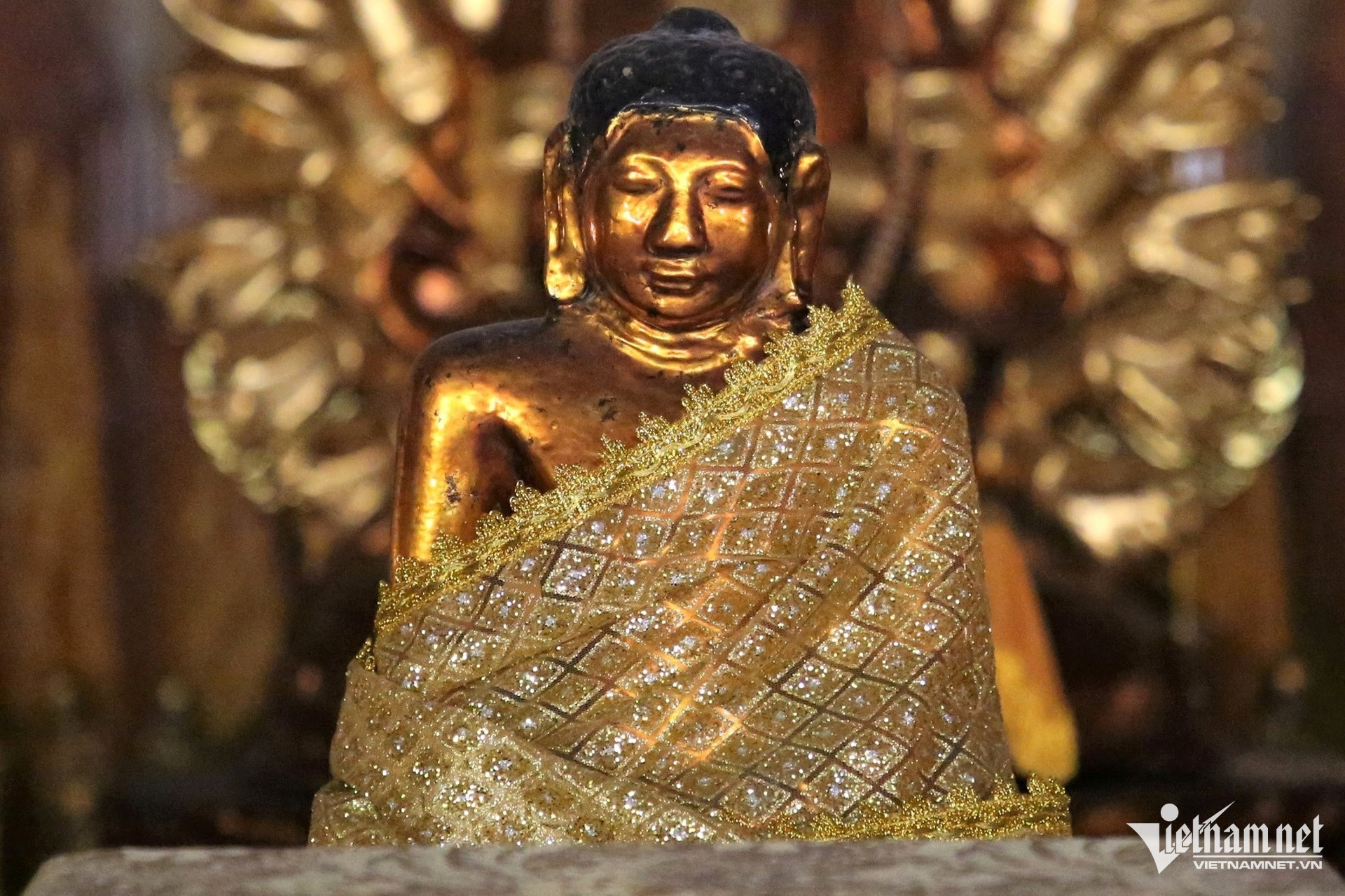
Another remarkable artefact is an ancient stone statue bearing distinctive characteristics of Cham sculpture. Additional details were subsequently incorporated to transform it into a complete representation of Shakyamuni Buddha.
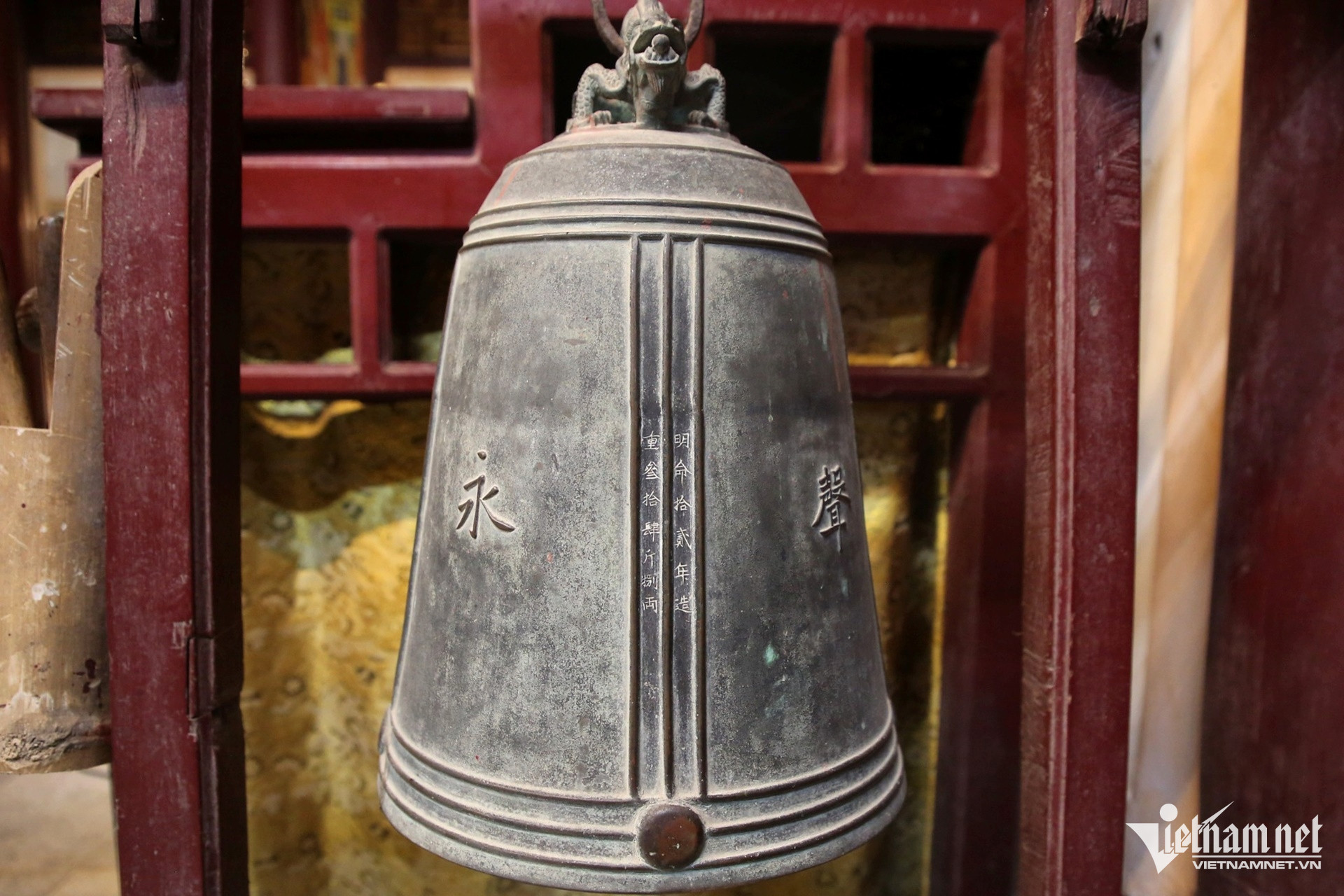
The pagoda also houses historically significant bronze bells, stone steles, inscribed boards and parallel couplets, including artefacts dating back to the reign of Emperor Minh Mang.
Preserving a centuries-old architectural treasure
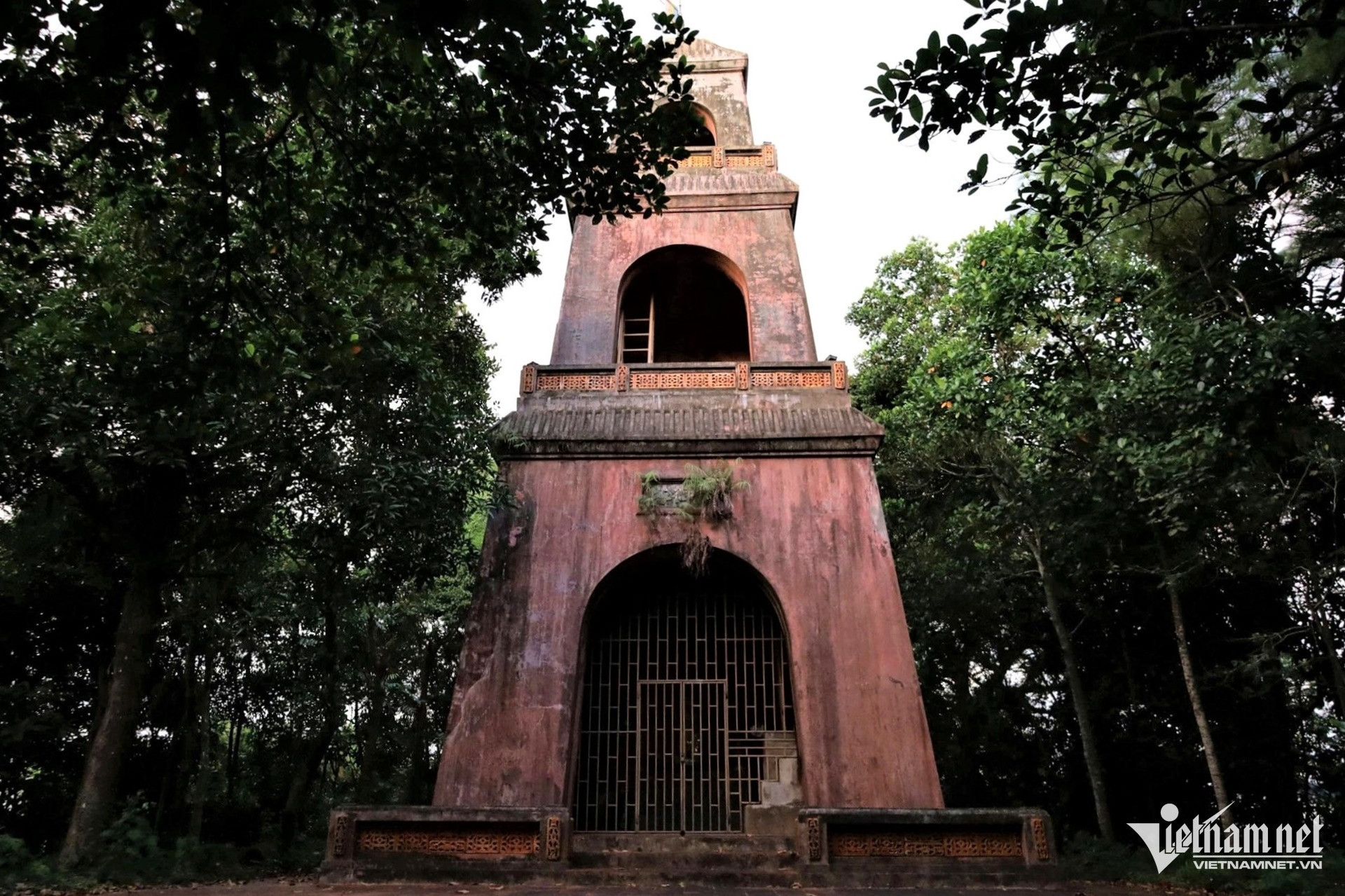
At the summit of Tuy Van Mountain stands Dieu Ngu Tower, a three-storey brick structure approximately 13 metres high.
From the tower, visitors can enjoy panoramic views of Cau Hai Lagoon and the surrounding mountains and forests.
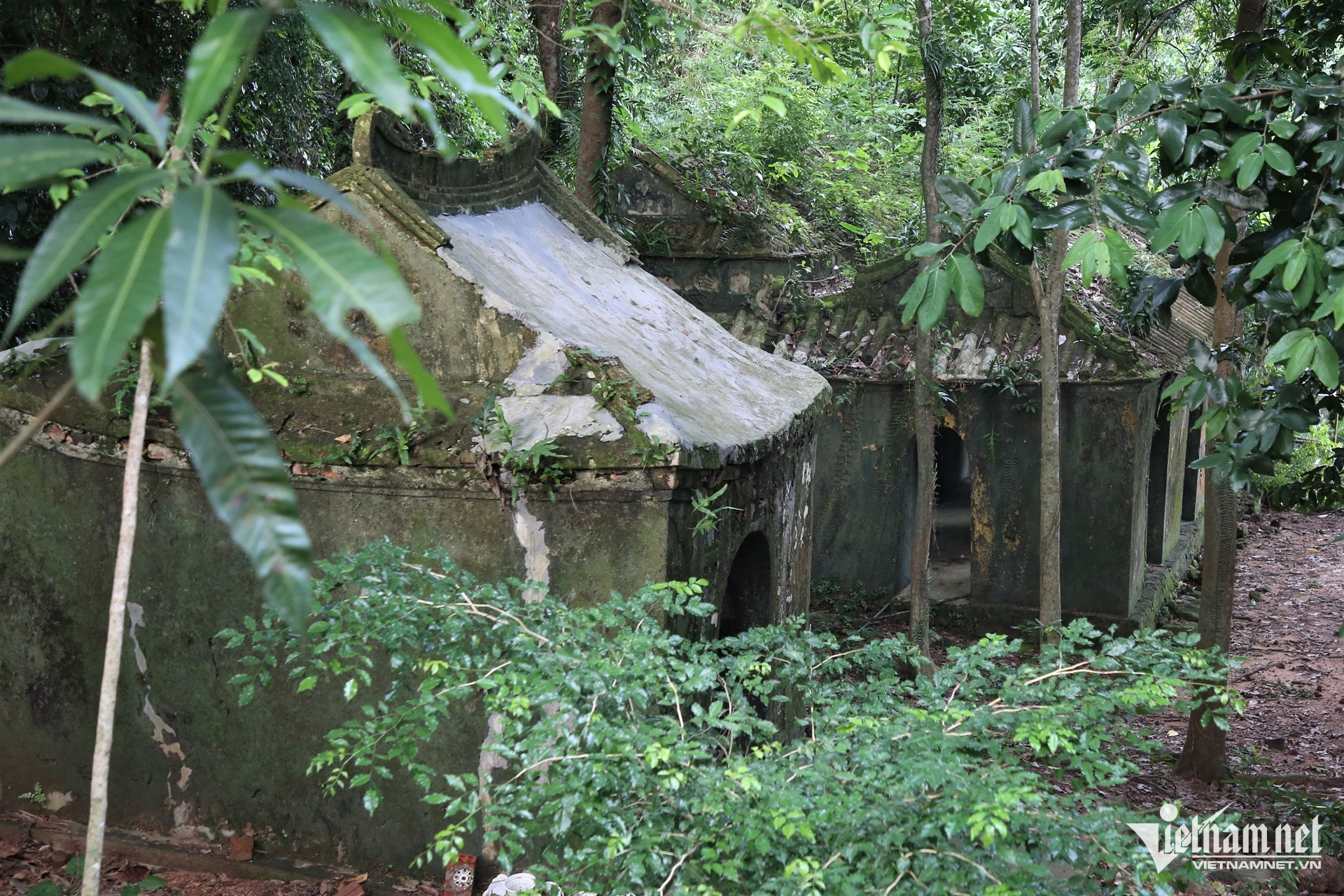
Hidden beneath the ancient trees are also the remains of an old hermitage. Its roof and walls are covered in moss, with several sections showing signs of deterioration.
Centuries of exposure to the elements and natural disasters have taken a toll on several structures within the pagoda complex.
According to Venerable Thich Minh Chinh, a storm in 2023 damaged numerous roof tiles on the main sanctuary. The pagoda has since used temporary tarpaulins to protect the building and prevent rainwater from seeping inside.
As Thanh Duyen Pagoda is a nationally recognised heritage site, restoration work must comply with heritage conservation regulations.
The pagoda is currently preparing documentation for submission to the relevant authorities, seeking approval for a restoration project to preserve the historical, architectural and cultural values of this centuries-old royal Buddhist sanctuary.
Ha Nam - Ho Giap

