 Vietnamnet.vn

 Podcast



Linh Trang
Mountain snails, also known as rock snails or medicinal snails, are a native species that inhabit limestone crevices, caves and small forest streams. They are commonly found in northern mountainous provinces such as Lang Son, Ninh Binh and Phu Tho.
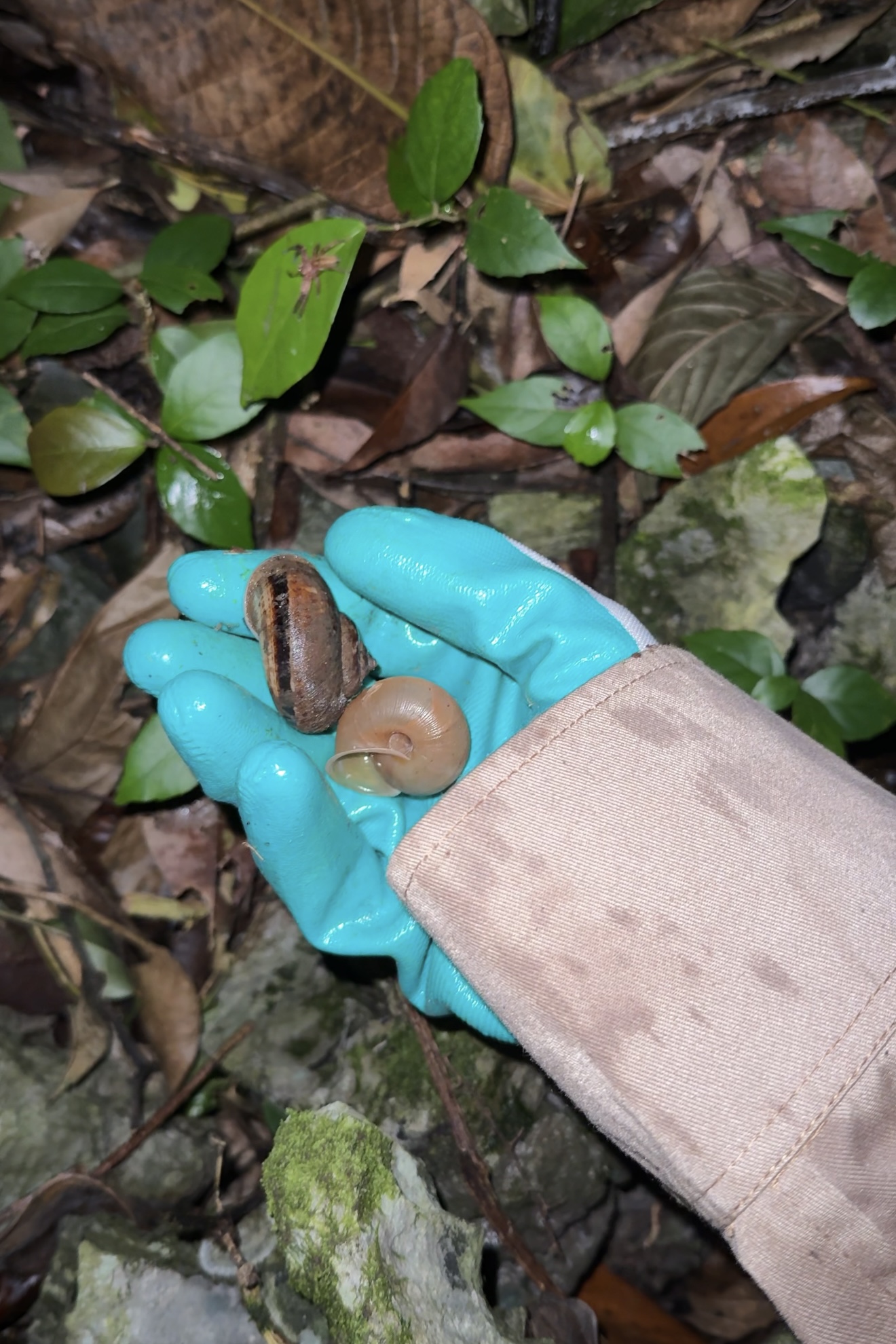
Their appearance is distinctive, with thick, tightly coiled shells in dark brown or pale ivory hues. The bodies are flat and rounded like coins, typically measuring the length of two to three fingertips.

Unlike other snail species that can be found year-round, mountain snails hibernate during the dry season. They only emerge after the first rains, when humidity rises, venturing out from rock fissures and forest floor cover to feed and reproduce between April and August.
Because of their rarity and seasonal nature, locals refer to them as “heaven’s gift”, eagerly awaiting the time of year when they can venture into the forest to collect them and prepare special dishes.
During the snail season, visitors to northern mountainous areas can also join locals in night-time snail hunting, known as “soi oc”.
Lang Van Toan, born in 2000 and based in Bac Ninh, shared that during a recent trip to Huu Lien commune in Lang Son, he stayed at a local homestay and was introduced to the activity by his host.
To prepare for the hunt, participants equipped themselves with essential items such as flashlights, bags, non-slip boots and long-sleeved clothing. From the homestay, they traveled about 4 kilometers into the forest.
“We set off around 5:30 pm, as dusk was falling. That’s when the snails begin leaving their hiding spots in rock crevices, cave openings and beneath layers of decaying leaves to search for food,” Toan recalled.
As they searched, the group carefully navigated through bushes and rocky terrain, sweeping their lights and scanning closely for the slow-moving snails.
“They move very slowly, but their color blends easily with rocks and leaves, so you really have to look closely to spot them,” he said.
“The darkness and the untouched forest made it a bit intimidating at first, but having local guides with us made the experience much smoother and more reassuring.”
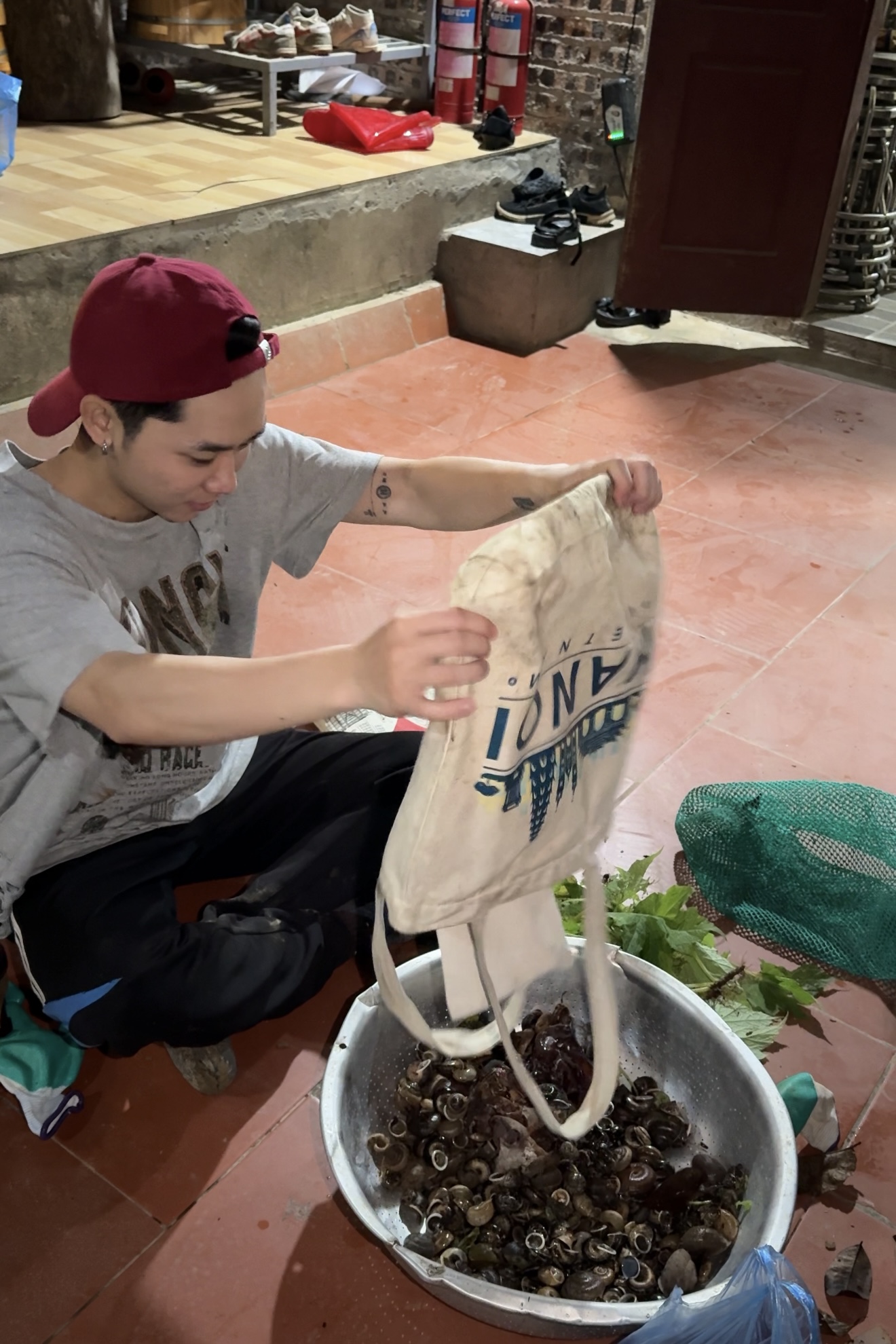
After about 90 minutes, the group returned to the homestay with nearly 5 kilograms of snails.
They cleaned the catch thoroughly before cooking. Boiled snails remain the most popular preparation, simple yet effective in preserving the ingredient’s natural flavor.
Mountain snails feed on forest leaves and wild medicinal plants, giving their meat a distinctive aroma with subtle herbal notes.
“The texture is quite unique. The upper part is crunchy, while the tail is softer and richer, slightly bitter but fragrant with the scent of forest leaves,” Toan described.
Beyond the night-time snail hunt, the 26-year-old traveler also enjoyed horseback riding across grasslands, cycling and walking through local villages, gaining insight into daily life in the region.
He also took time to savor other homegrown specialties, including stream fish, hill-raised chicken and forest vegetables, rounding out a journey that blended adventure, culture and cuisine.


.svg)
