 Vietnamnet.vn

 Podcast



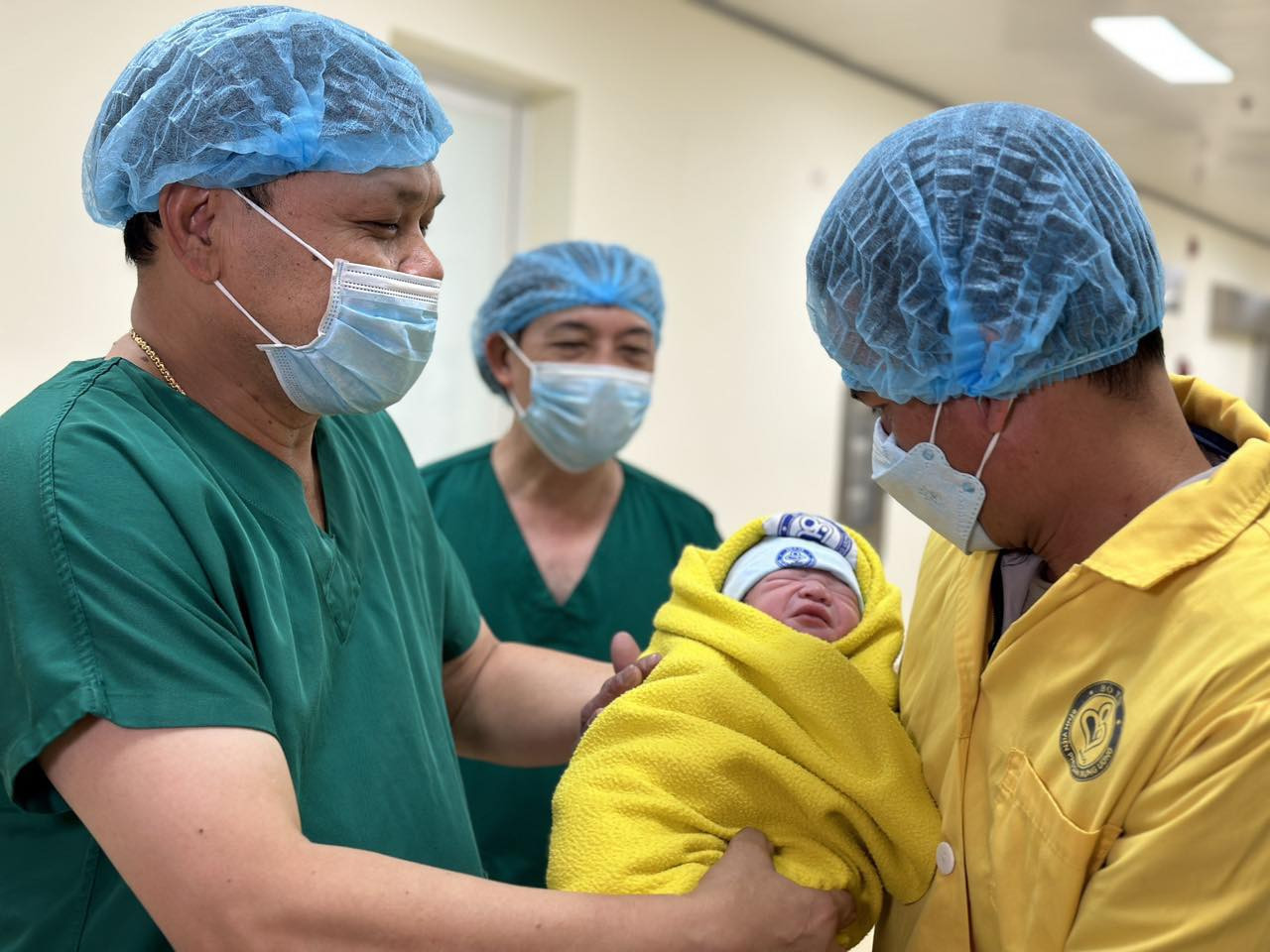
When urgently transferred to the National Children’s Hospital, the infant was already in critical condition.
Immediately after birth, the baby exhibited respiratory distress, required oxygen support, and was urgently transferred to the National Children’s Hospital.
Upon arrival at the Neonatal Center, the infant was cyanotic, suffering from severe circulatory failure, and diagnosed with severe pulmonary hypertension.
Despite intensive resuscitation efforts, including advanced techniques such as mechanical ventilation, surfactant administration, and inhaled nitric oxide (iNO), the infant did not respond to treatment and passed away, according to the National Children’s Hospital on August 13.
Doctors at the hospital have noted several similar cases where newborns fall into critical condition after being delivered via cesarean section without labor, as families sought an "auspicious date and time."
Choosing a birth time without a medical indication can pose numerous risks to both mother and child. Nguyen Thi Hong Loan, a master’s degree holder and doctor at the Neonatal Intensive Care Unit of the Neonatal Center, National Children’s Hospital, stated that babies born via elective cesarean section may experience respiratory distress of varying severity: from transient breathing difficulties to severe respiratory failure requiring mechanical ventilation or even ECMO (extracorporeal membrane oxygenation). Some severe cases may result in death.
The doctor cited multiple studies showing that elective cesarean delivery without labor increases the risk of respiratory distress syndrome in newborns by 2.6 times compared to cesarean delivery with labor and 1.9 times compared to vaginal delivery.
Loan explained that during fetal development, the lungs are filled with fluid, and gas exchange depends on the placenta. When the placenta ceases to function, the lungs must take over this role.
In a vaginal delivery, uterine contractions affect the placenta’s gas exchange, causing a temporary reduction in fetal oxygen levels, which prompts the alveoli to ventilate and increases blood flow to the lungs.
Additionally, labor stimulates increased adrenaline production in the fetus and the release of maternal thyrotropin hormone. Both processes help reduce fluid secretion in lung cells and initiate fluid absorption in the alveoli, preparing the lungs for respiratory function.
In elective cesarean deliveries without labor, this process does not occur, leading to more fluid retention in the newborn’s lungs, increasing the likelihood of respiratory issues after birth.
Experts recommend that cesarean deliveries should only be performed with clear medical indications. Instead of focusing on choosing an auspicious birth time or unnecessary interventions, pregnant mothers should prioritize regular prenatal check-ups and select reputable medical facilities for delivery.
Phuong Thuy
.svg)
