 Vietnamnet.vn

 Podcast



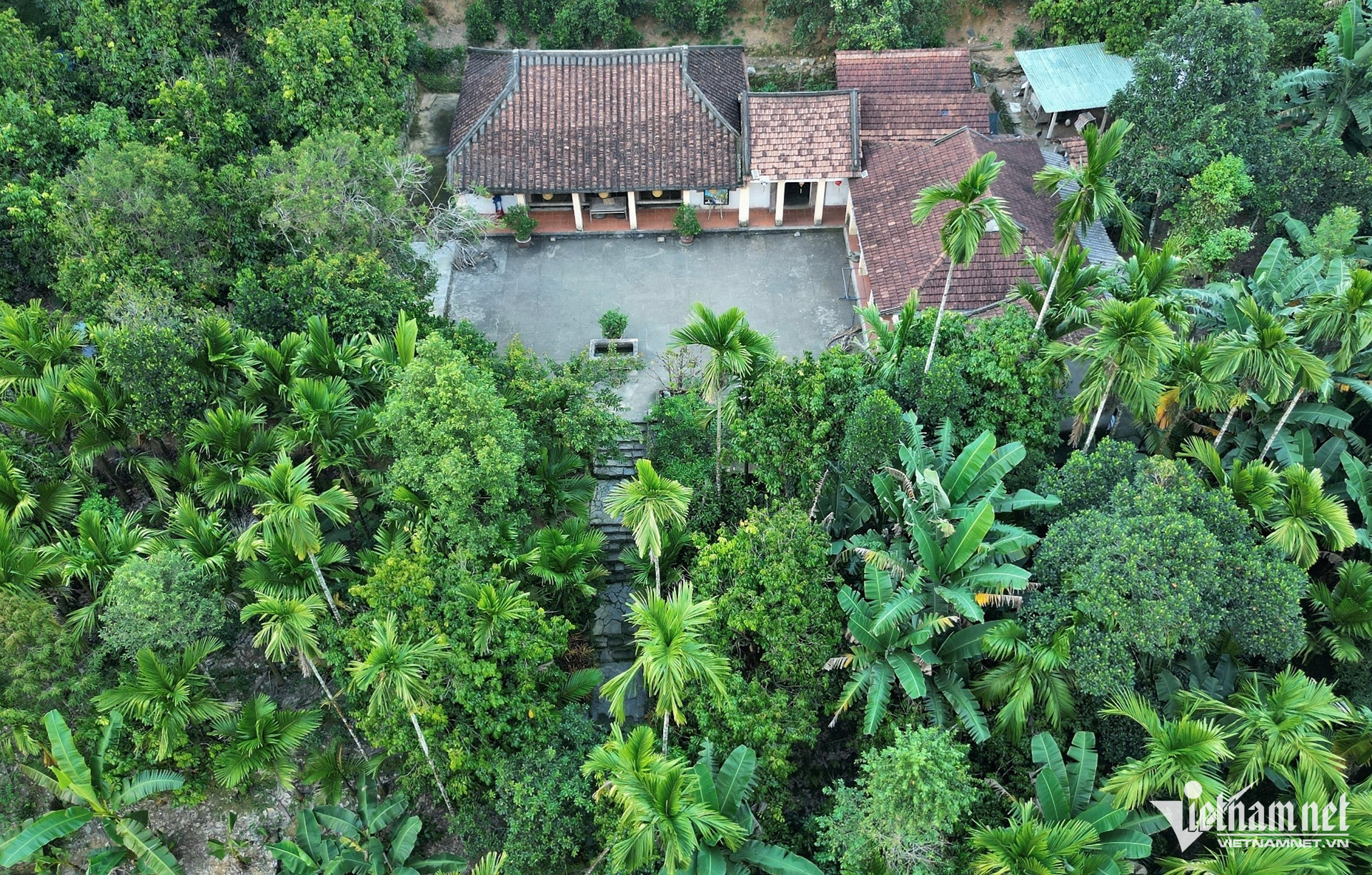
The home of Nguyen Dinh Man, 72, in Loc Yen village, Thanh Binh Commune, Da Nang, dates back almost 160 years.
It is one of eight surviving old houses in the village. Built in the traditional nha ruong style, a form of timber-framed architecture, it has three main bays and two side wings, with a frame made largely from jackfruit wood.
The house stands in a spacious garden filled with fruit trees, providing a peaceful setting that stays cool throughout the year.
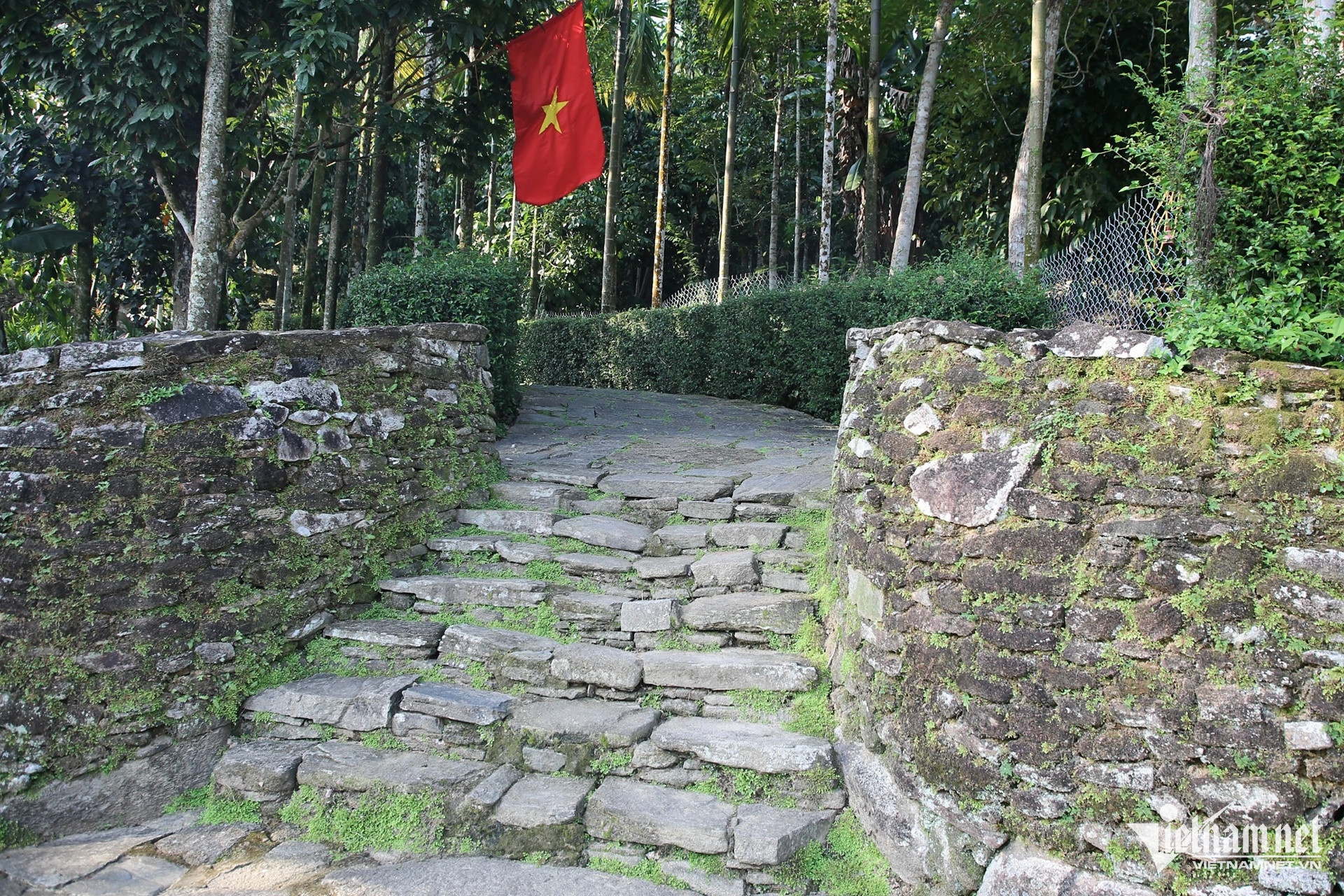
Large stone slabs form the entrance path, flanked by moss-covered stone walls topped with neatly trimmed hedges. The scene is characteristic of Loc Yen, a village with more than 500 years of history.
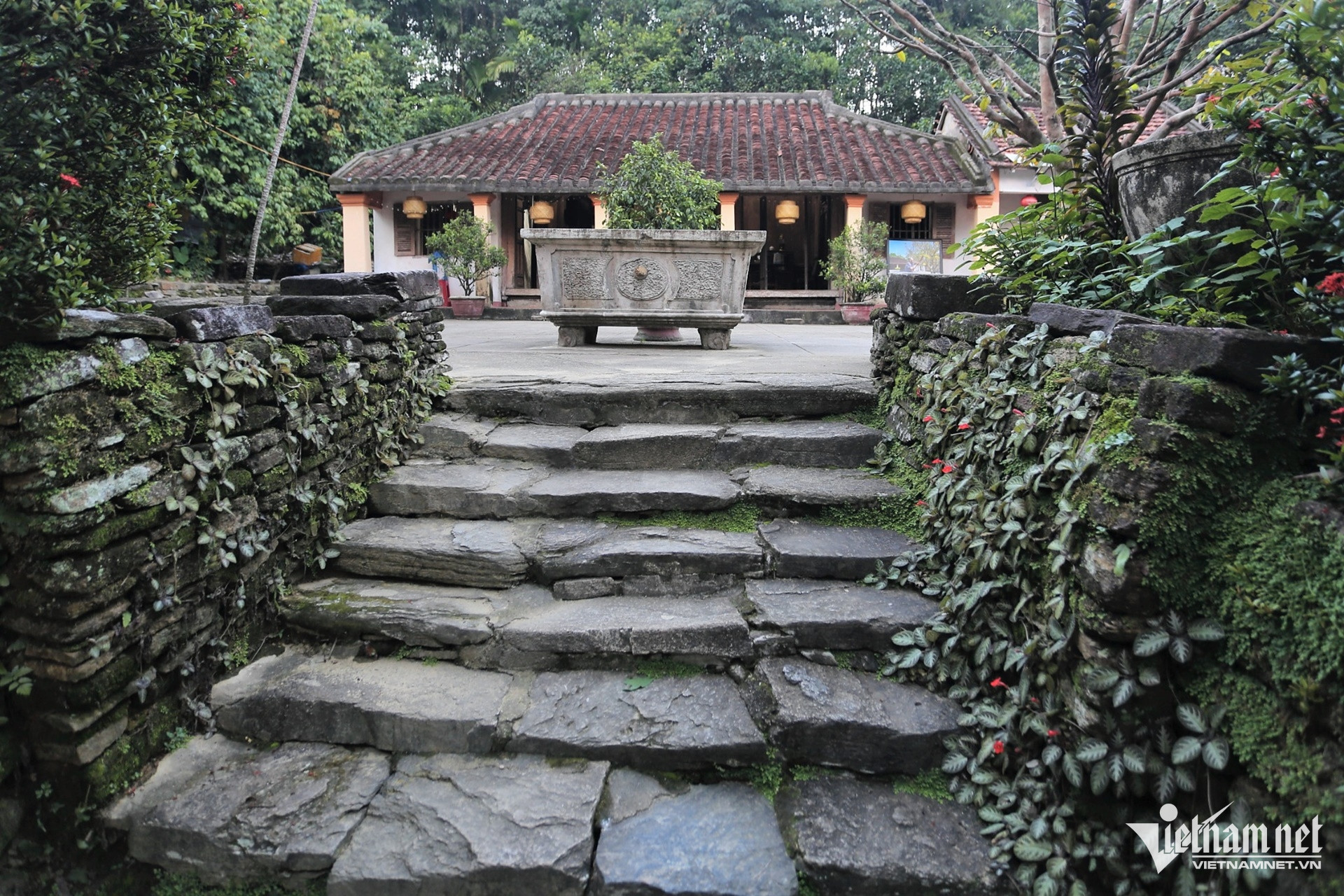
Stone steps of varying sizes follow the contours of the land, leading from the garden to the front courtyard. Moss and greenery have taken root in the gaps over time, adding to the weathered charm.
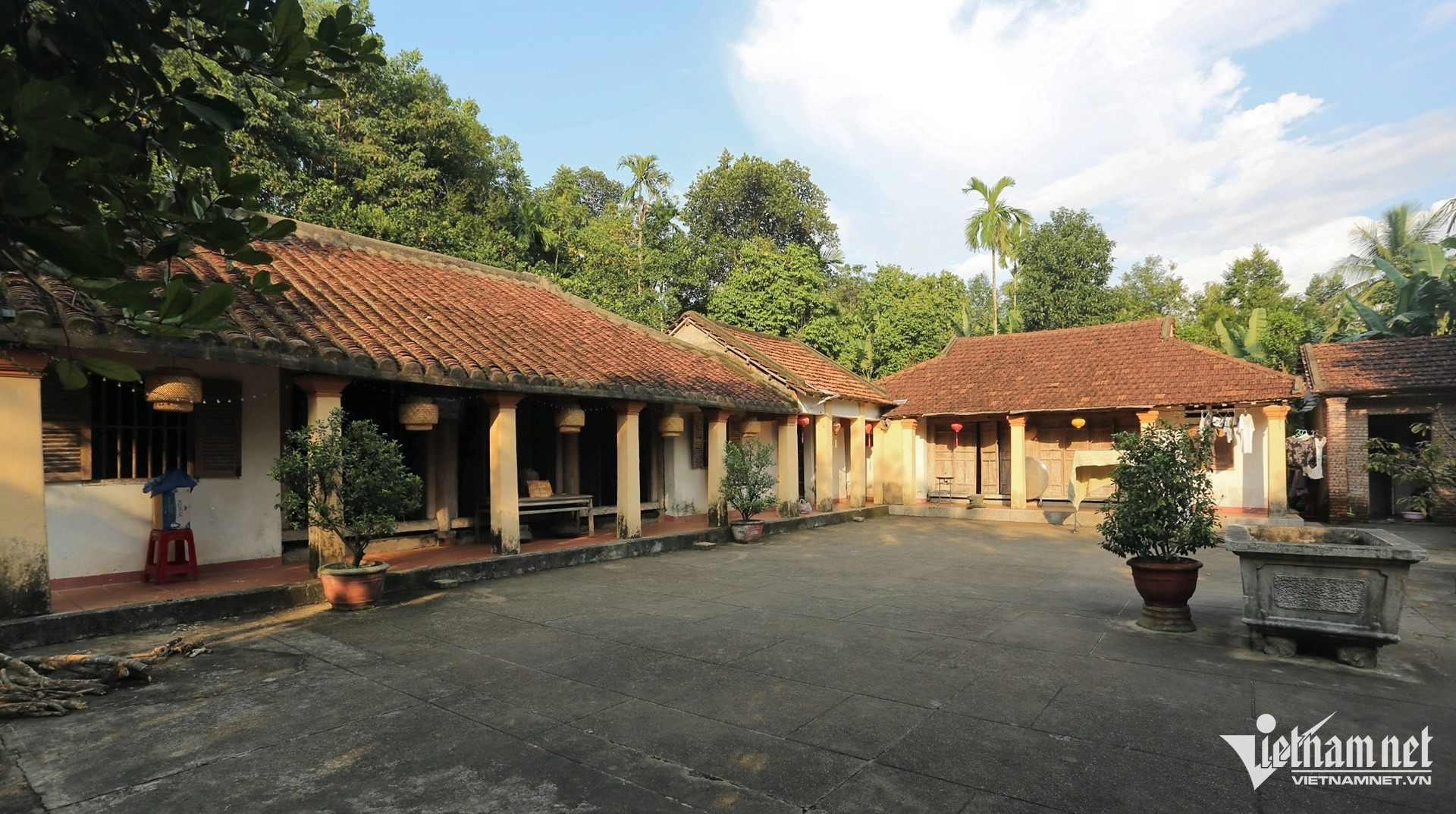
The house reflects the traditional architecture of the Quang region of central Vietnam, with aged roof tiles, a veranda and wooden doors.
The buildings are arranged around a broad courtyard, creating an airy space for daily family life.
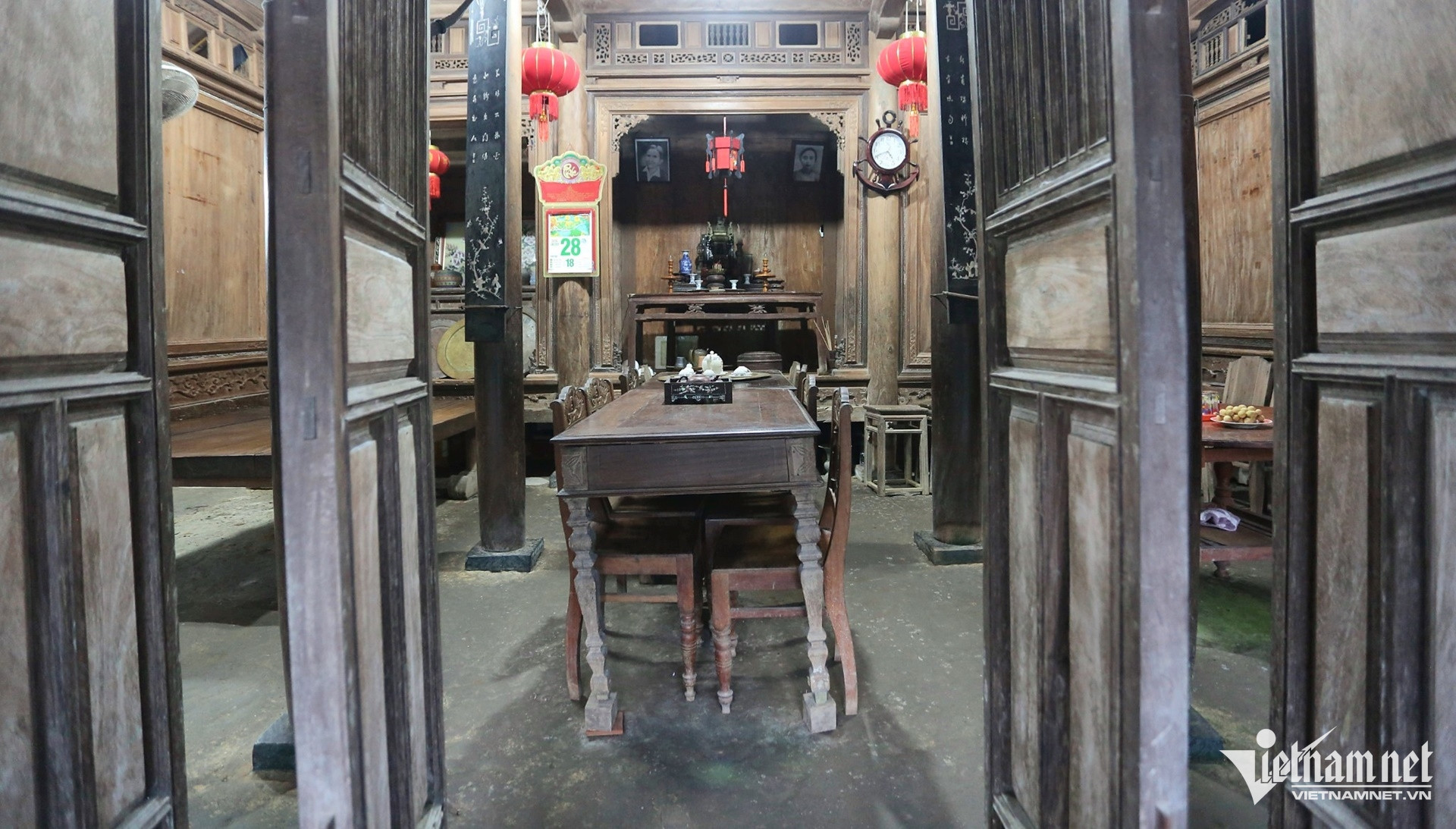
Beyond the wooden doors, an ancestral altar occupies the central bay. It is adorned with mother-of-pearl-inlaid horizontal plaques and paired calligraphic inscriptions, alongside numerous antiques.
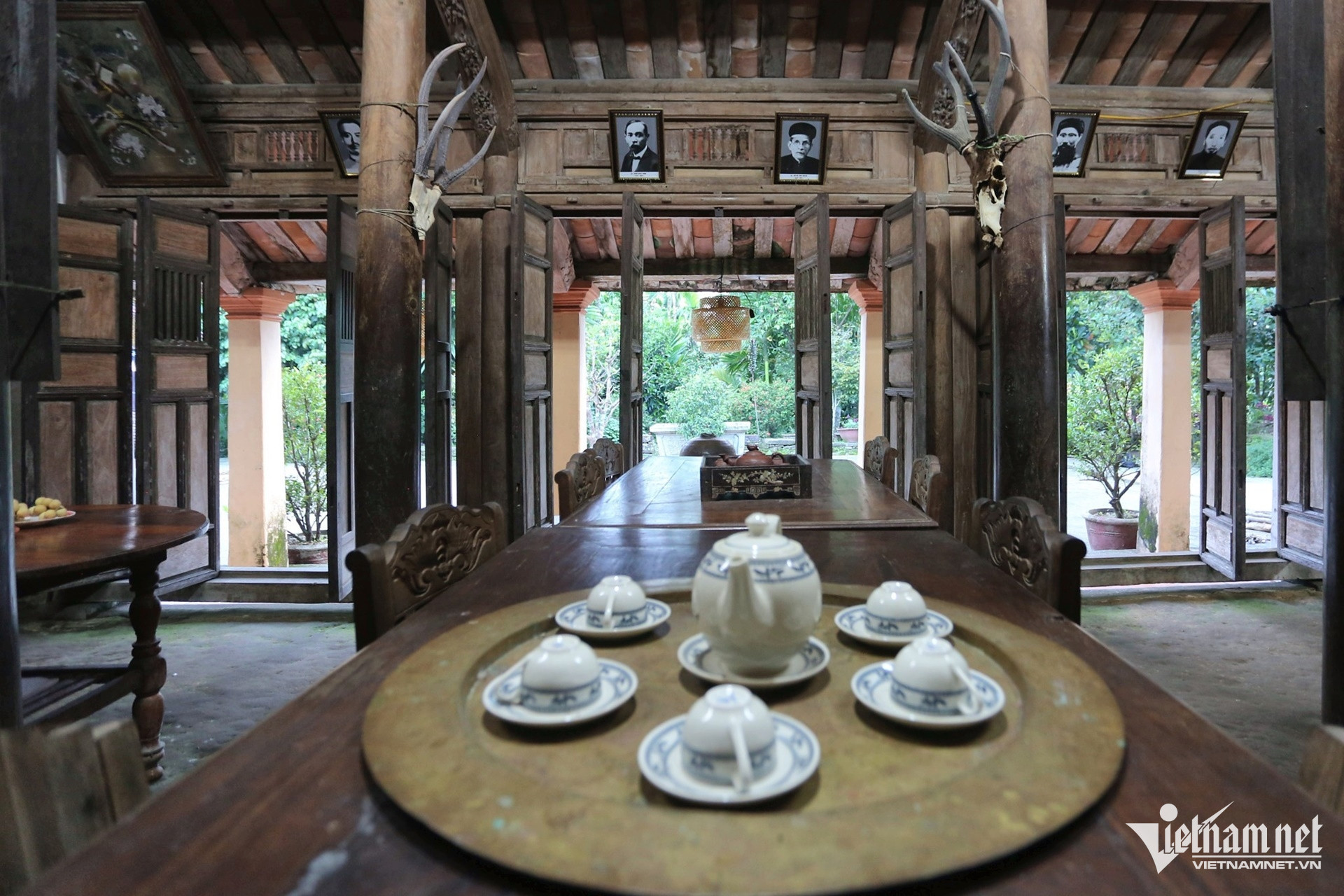
In front of the altar, a jackfruit-wood table and chairs provide a place to receive guests, complementing the house’s timber construction.
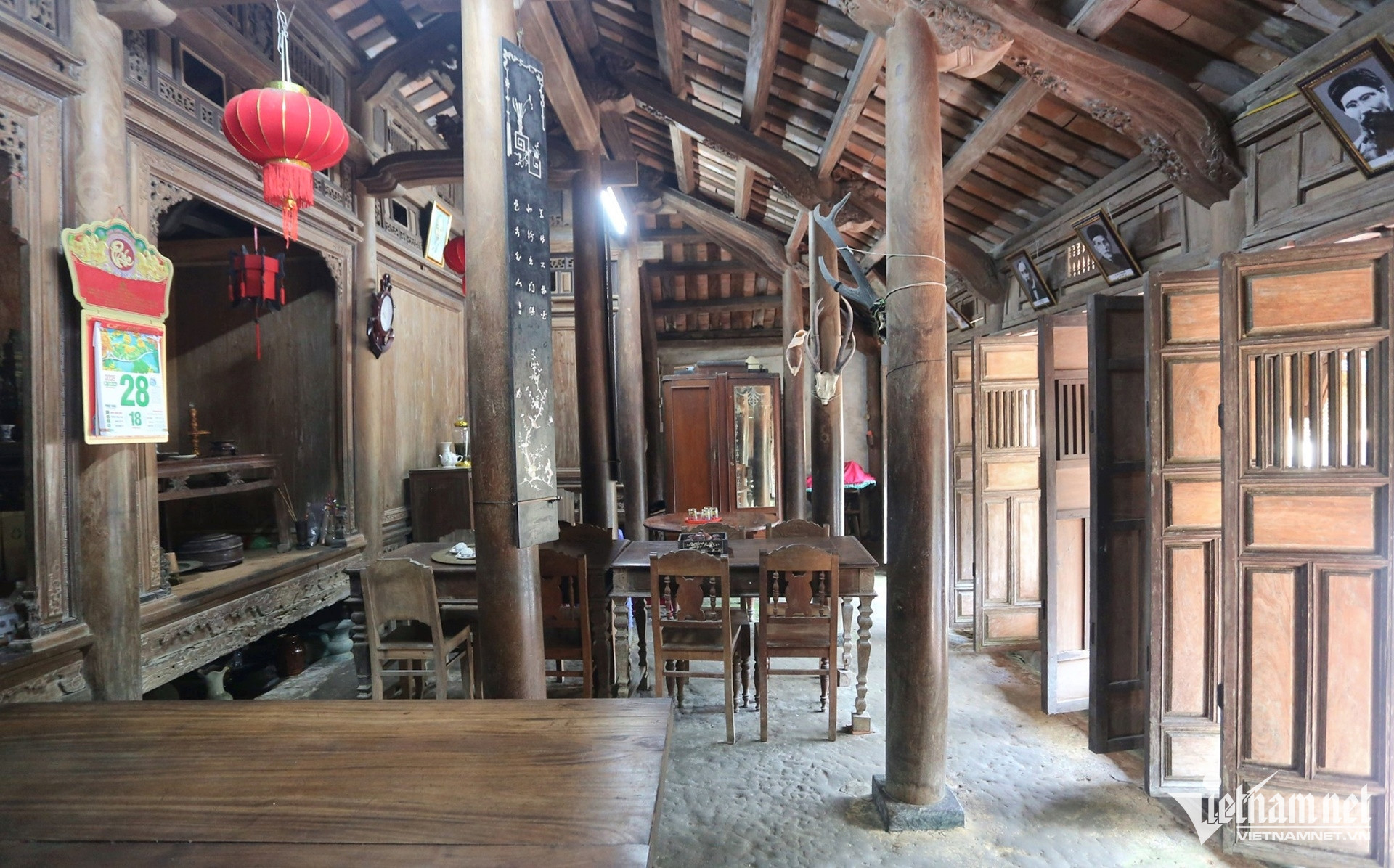
Inside, large jackfruit-wood columns support an elaborate system of beams and rafters. Together with the carefully crafted wooden doors, they preserve evidence of building techniques used more than a century and a half ago.
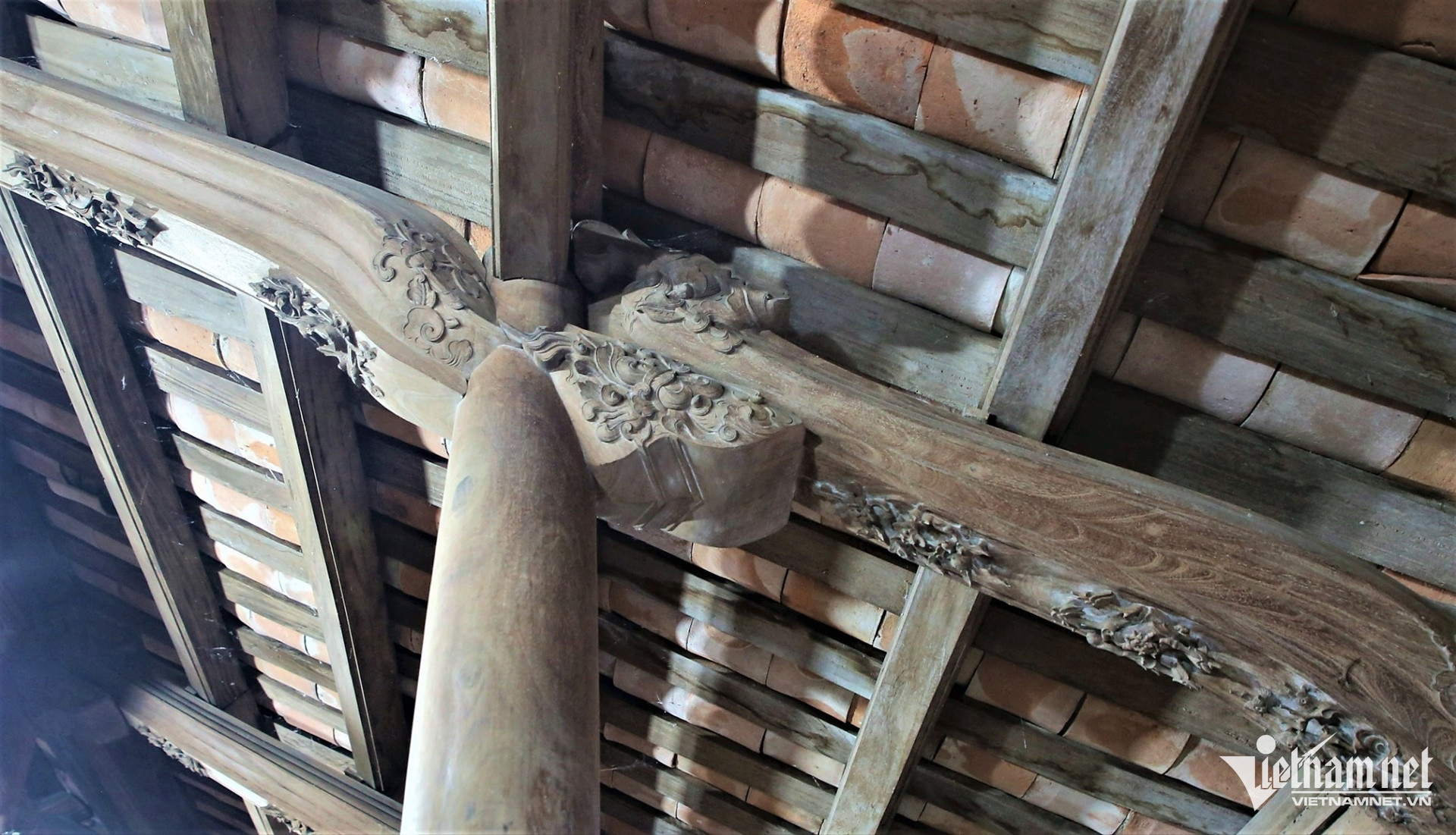
Intricate patterns decorate the ends of the roof beams, crossbeams and joints where the columns meet the roof structure. These details were carved by artisans from Van Ha, a renowned woodworking village in the Quang region.
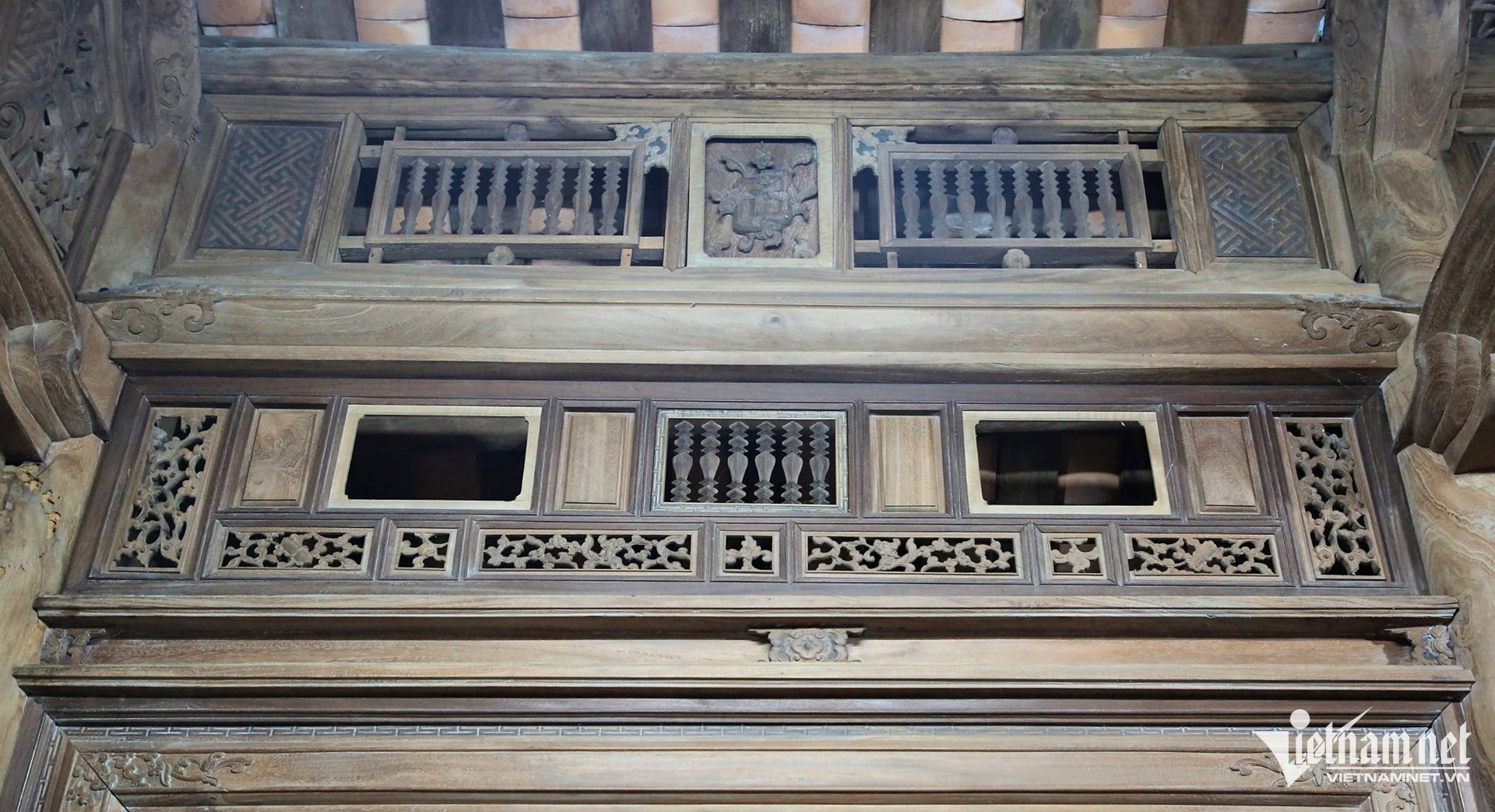
Above the wooden partitions, openwork panels feature symmetrical arrangements of foliage and geometric patterns. As well as decorating the interior, the pierced carvings allow air to circulate.
The reception area is furnished with wooden tables and chairs, a tea tray and traditional household objects. Sets of deer antlers hang from two columns at the front.
Portraits of prominent Vietnamese patriots and historical figures, including Huynh Thuc Khang, Phan Chau Trinh and Phan Boi Chau, hang on the wooden walls.
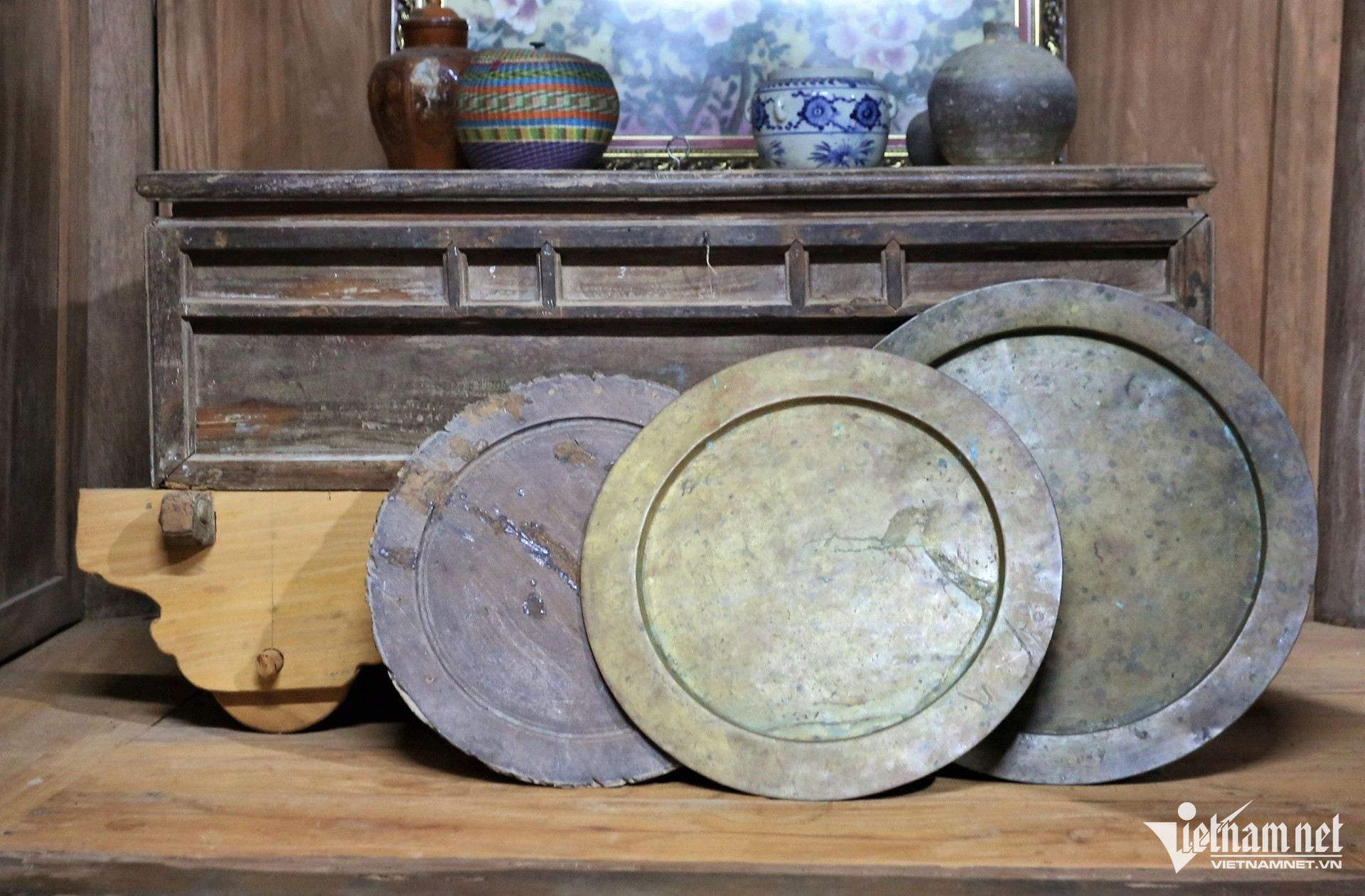
The house also preserves brass trays, ceramics and other household items used by earlier generations of the family.
Man, the fifth-generation custodian of the house, said the family had rejected offers worth many tens of thousands of dollars, choosing instead to preserve the heritage left by their ancestors.
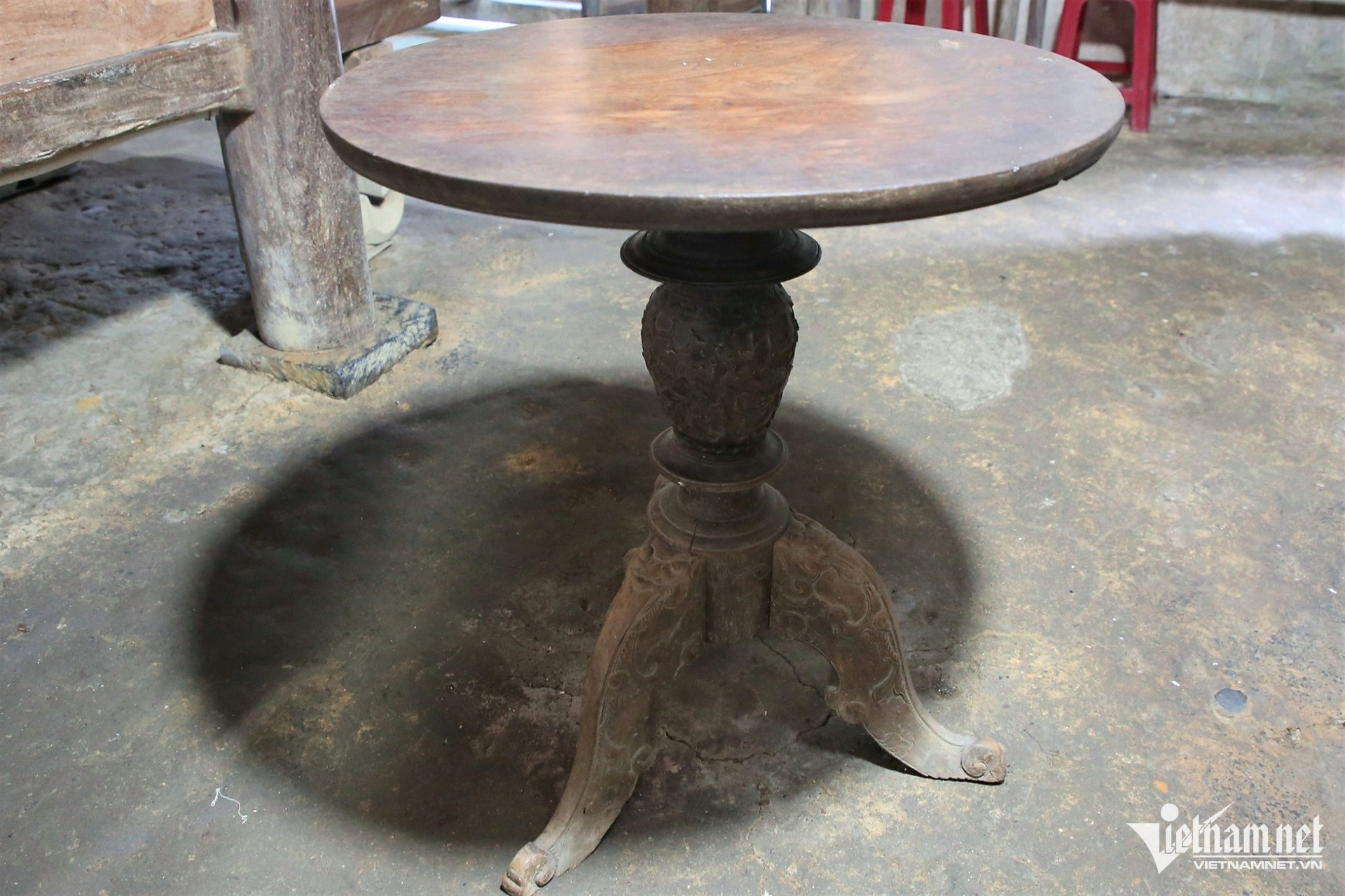
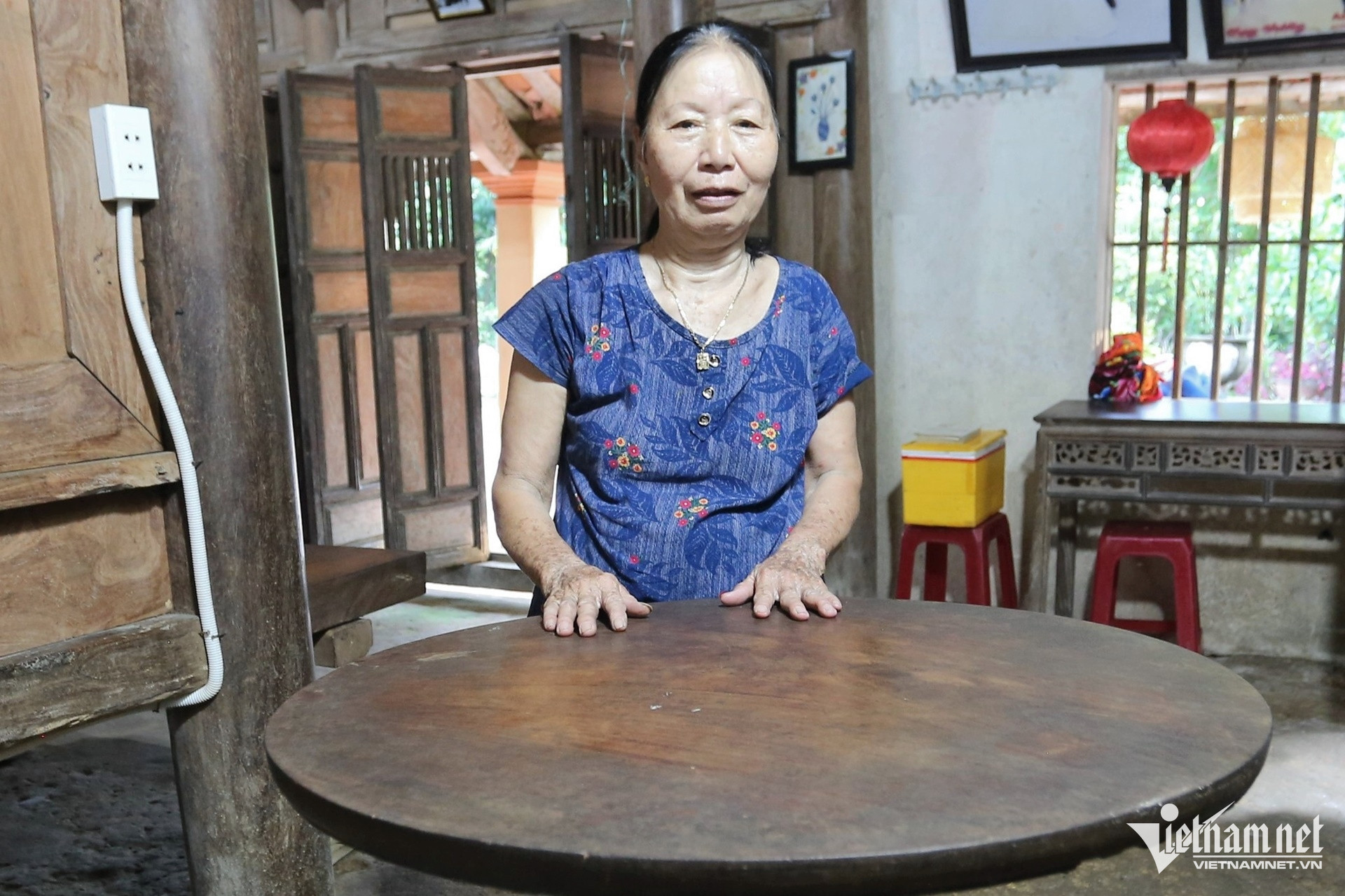
Among its most intriguing possessions is a jackfruit-wood table whose top can rotate when people place their hands on it.
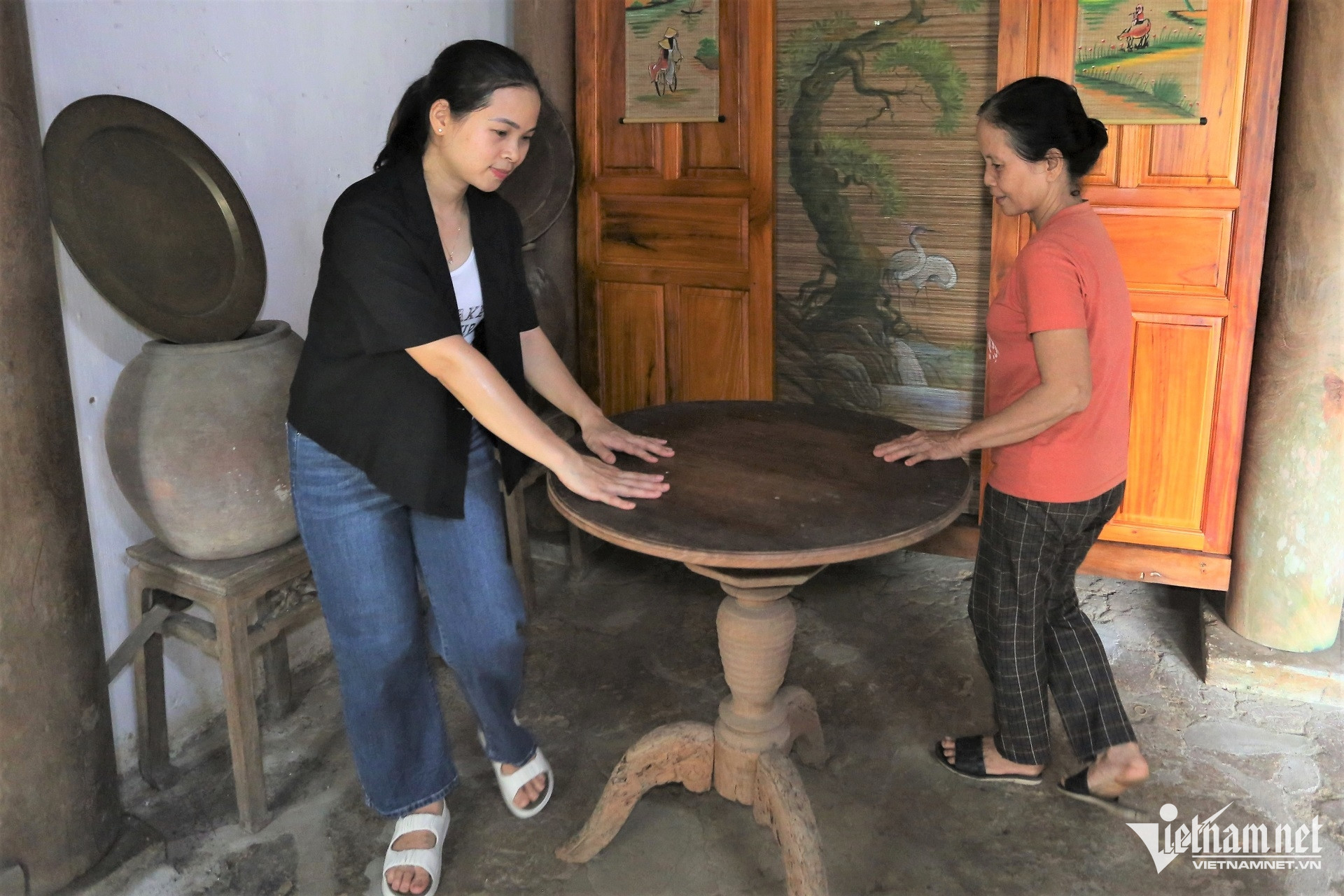
The table has a round top about 80 centimeters in diameter and stands almost a meter tall. A central pedestal rests on three widely spread, carved legs.
According to Man, the table has been in the house since it was built and once served as both a dining table and a place to receive guests.
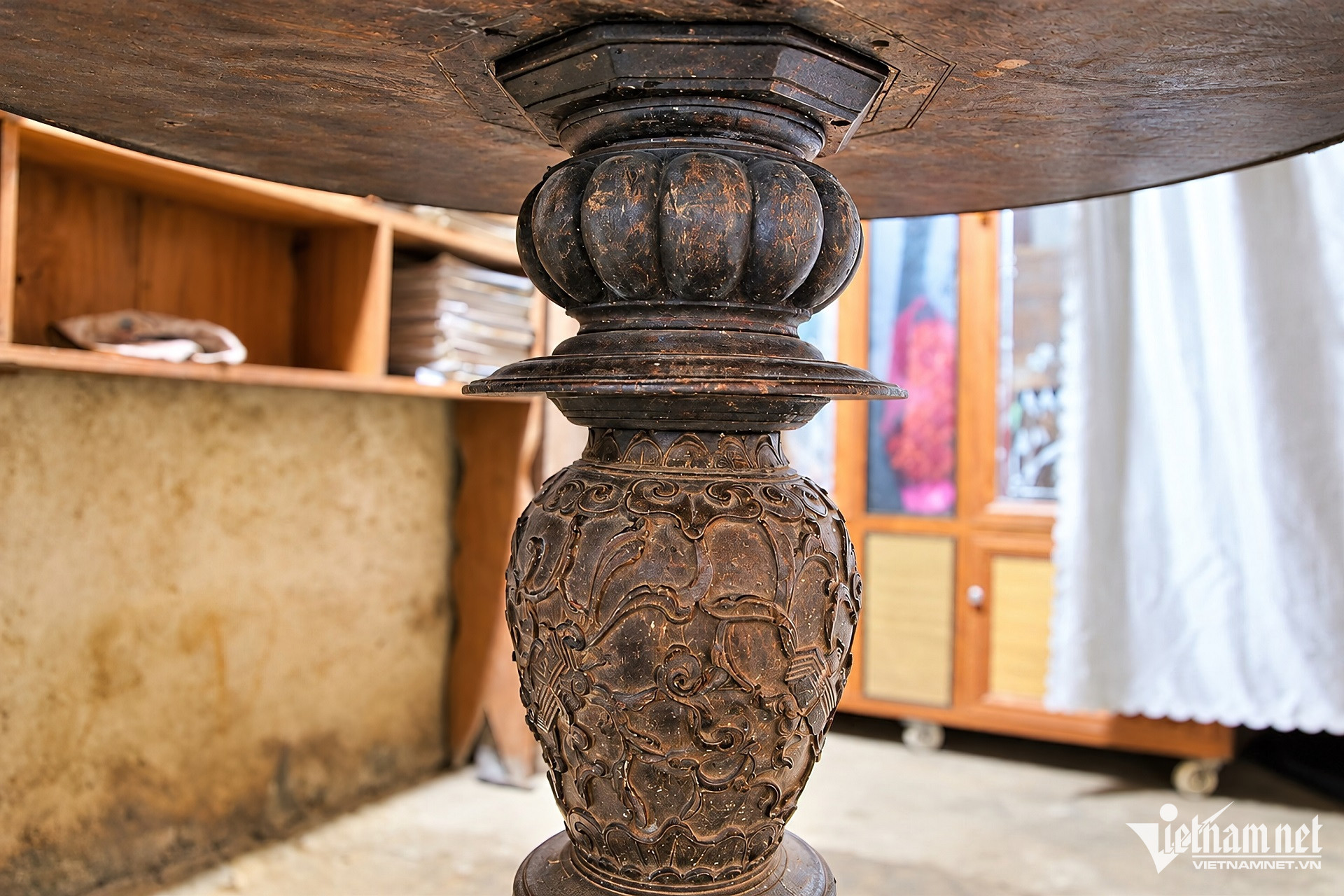
The pedestal is elaborately carved. The joint between the pedestal and the tabletop allows the top to turn around its axis.
This type of rotating table originated in Van Ha woodworking village, now part of Tay Ho Commune in Da Nang, where carpentry has been practiced for hundreds of years.
Nguyen Thi Tuyen, 80, Man’s elder sister, shows visitors how to try the unusual table.
She said participants should rest both hands lightly on the surface, relax and concentrate on a direction of rotation. After a while, the tabletop may begin turning slowly before gathering speed.
As it turns, participants can walk around the table to keep their hands on the surface. The experience often surprises first-time visitors.
Tuyen said she did not believe the table had any mystical qualities or “magical powers,” although the precise reason for its movement remained unclear.
“The rotation may be connected to mechanical principles, magnetic fields or the special construction techniques of the old carpenters,” she speculated.
Man’s table is not the only one of its kind. About 300 meters away, Nguyen Dinh Hoan, 57, keeps a similar wooden table in his family home.
Hoai Van, a visitor who tried Hoan’s table, described her surprise at the experience.
“We did not deliberately push it. We simply rested our hands lightly on the tabletop, and after a while it began to turn. I believe there is some operating principle behind this phenomenon, one that shows the skill of the craftsmen of the past,” she said.
Ha Nam
.svg)
