 Vietnamnet.vn

 Podcast



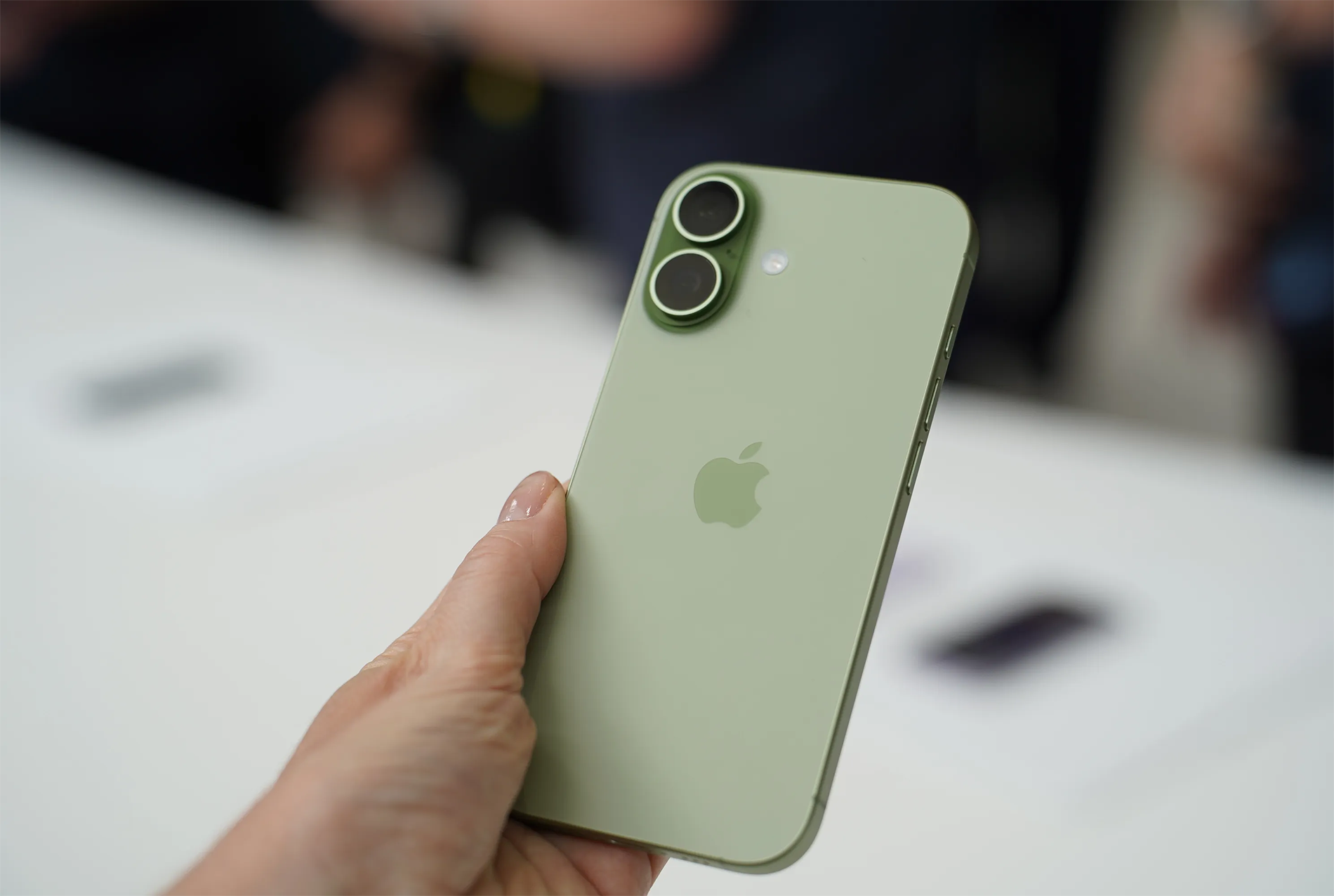
The iPhone 17 remains a safe and sensible choice for buyers today, while waiting until spring 2027 for the standard iPhone 18 could come with one significant drawback: a potentially higher price.
Apple is reportedly preparing a notable change to its iPhone launch strategy. Instead of unveiling the entire iPhone 18 lineup in September, the company is expected to introduce only the iPhone 18 Pro, iPhone 18 Pro Max and a rumored foldable model tentatively known as the iPhone Ultra.
The standard iPhone 18, meanwhile, may not arrive until spring 2027.
That leaves anyone considering an upgrade with a straightforward question: buy the iPhone 17 now or wait for the iPhone 18?
iPhone prices could rise, making the iPhone 17 cheaper to buy now
One of the strongest arguments for buying the iPhone 17 now is the possibility that iPhone prices will rise in the months ahead.
Apple increased prices on some Mac and iPad models in June, while iPhone pricing has so far remained unchanged. However, reports suggest the iPhone 18 Pro and iPhone 18 Pro Max could cost US$100-US$300 more than the current generation. Even the standard iPhone 18 could become more expensive.
Some market forecasts suggest Apple may not limit price increases to its newest models.
Prices of previous-generation iPhones, including the iPhone 17, could also be adjusted after the iPhone 18 Pro lineup arrives.
Normally, buyers can wait until a new iPhone generation launches and then purchase the previous model at a lower price. But if Apple raises the price of the iPhone 17 at the same time, that advantage would become much less clear.
The iPhone 17 currently starts at around US$799. For anyone already planning to buy the phone outright, purchasing it now could therefore avoid the risk of paying more later.
For buyers using installment plans, the difference may feel less significant because any increase would be spread across 12-24 months. In terms of total cost, however, buying earlier could still offer a financial advantage.
Waiting could also reduce the trade-in value of an older iPhone
Another factor that can easily be overlooked is trade-in value.
For users who already own an older iPhone and intend to trade it in for a newer model, upgrading now could be more favorable.
Older iPhones typically lose some of their trade-in value whenever Apple introduces a new generation.
That means anyone waiting until the iPhone 18 Pro and iPhone 18 Pro Max arrive could see the value of their existing device fall further.
Any savings gained by waiting for the iPhone 18 could therefore be partly offset by receiving less for the phone being traded in.
Waiting for the iPhone 18 may not guarantee a better experience
Another consideration is that the current rumors surrounding the standard iPhone 18 are not entirely positive.
Apple is reportedly considering several cost-cutting measures to keep production costs under control.
One potential change is a cheaper display with lower brightness. The iPhone 18 could also use a version of the A20 chip with fewer GPU cores.
Apple is also rumored to be considering components derived from the lower-cost iPhone 18e for the standard iPhone 18.
If accurate, those decisions could narrow the gap between the iPhone 18 and iPhone 18e while making the standard model less compelling in terms of features for the price than the iPhone 17.
In other words, a newer iPhone will not necessarily be a better purchase.
What makes the iPhone 18 worth waiting for?
Despite those concerns, the iPhone 18 could still bring several meaningful upgrades, particularly in performance and connectivity.
The first is Apple's A20 chip, expected to be manufactured using a 2nm process.
The new manufacturing technology could deliver faster processing while improving energy efficiency, potentially translating into stronger performance and longer battery life.
RAM is another area worth watching.
The iPhone 17 comes with 8GB of RAM, while the iPhone 18 is rumored to feature either 9GB or 12GB.
If Apple increases RAM to only 9GB, the practical benefit may be relatively limited. That amount is also reportedly insufficient for some advanced Siri and dictation features expected in iOS 27, which are said to require 12GB of RAM.
If Apple opts for 12GB instead, the iPhone 18 could have a much clearer advantage when handling AI-related features.
The front camera could also receive an upgrade from 18MP to 24MP, although that remains uncertain.
Another possible change is a smaller Dynamic Island, similar to the design expected for the iPhone 18 Pro.
Apple is also reportedly planning to use its internally developed C2 modem, potentially improving mobile network speeds and connection stability.
The iPhone 17 remains a strong choice
Even with the potential improvements coming to the iPhone 18, the iPhone 17 remains one of the most compelling options for mainstream iPhone buyers.
Its biggest strength is the balance it strikes between price, performance and premium features.
The phone features a 120Hz ProMotion display and Always-On Display, technologies also found on the Pro lineup.
Its main and ultra-wide cameras also offer an experience close to the iPhone 17 Pro, while the difference in processor performance is relatively modest.
The iPhone 17 has the same display size as the iPhone 17 Pro, although some compromises remain.
It lacks a telephoto camera, has less RAM, uses a less durable frame and carries a smaller battery. For many mainstream users, however, those trade-offs may be entirely acceptable.
For anyone still using an iPhone 13, iPhone 14 or iPhone 15, moving to the iPhone 17 would represent a substantial upgrade in display quality, performance and overall experience.
If the rumored iPhone 18 improvements are not particularly important, waiting may offer little practical benefit.
Ultimately, the two biggest factors are price and time.
Apple is not expected to release the standard iPhone 18 this fall. Buyers who specifically want that model may have to wait until spring 2027 - around six months or more beyond the period when new iPhones traditionally arrive.
Prices for both the iPhone 17 and iPhone 18 by spring 2027 remain uncertain.
If Apple does raise iPhone prices this fall, buying the iPhone 17 now could prove to be the more economical decision.
For users in no hurry to upgrade, however, and particularly those interested in the A20 chip, a possible 12GB of RAM, a 24MP front camera, a smaller Dynamic Island or Apple's C2 modem, waiting for the iPhone 18 may still be worthwhile.
Hai Phong
.svg)
