 Vietnamnet.vn

 Podcast



As Apple prepares to unveil the iPhone 17 next week, anticipation builds around a major milestone: this flagship could become the first in Apple’s history to outlast all others in market dominance.
Although this record will take over a year to materialize, leaked reports suggest that the iPhone 17 is on track to set a new benchmark.
iPhone 4 – The longest-reigning Apple flagship
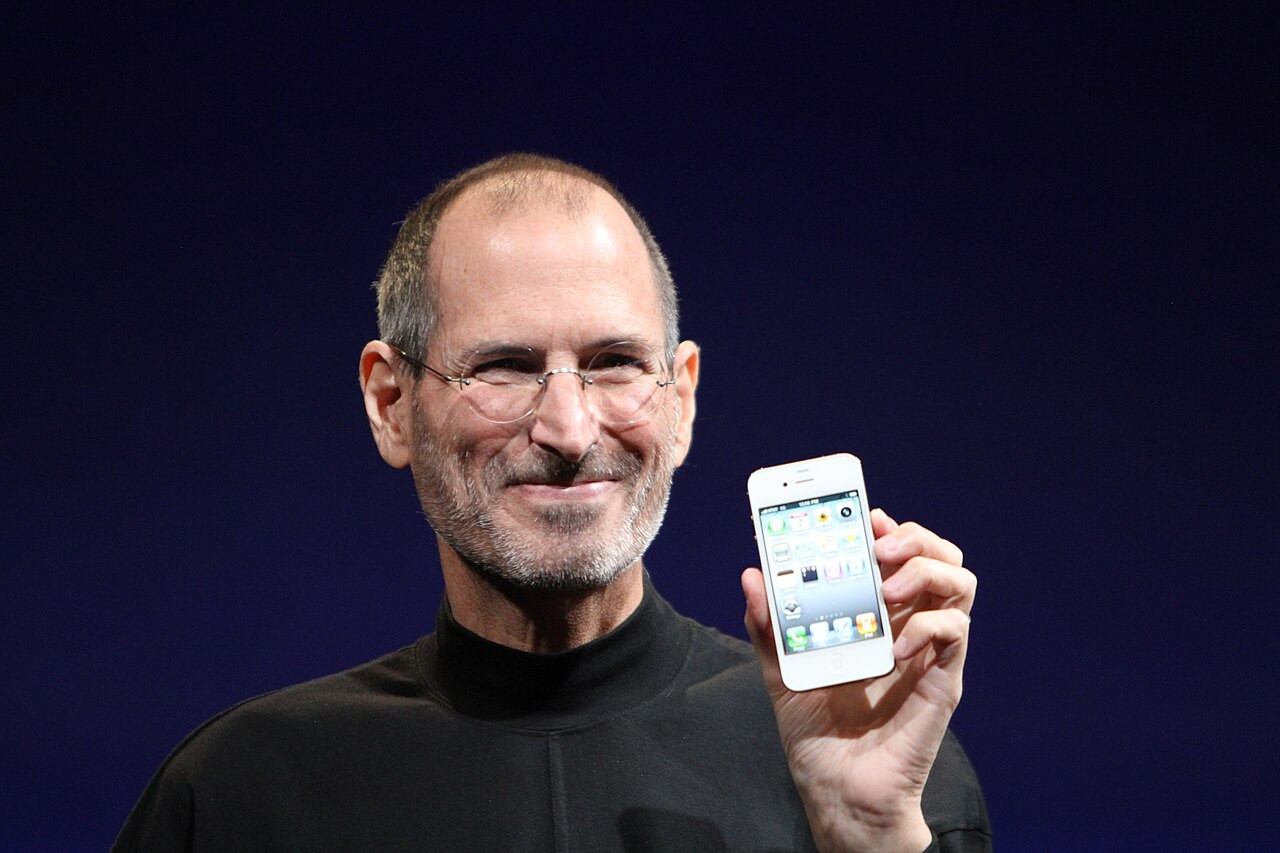
The current record is held by the iPhone 4, launched in June 2010, which remained Apple’s top-tier model until October 2011.
The longevity of the iPhone 4 was a result of Apple shifting its launch schedule from summer to fall. This allowed the iPhone 4 to dominate the lineup for nearly 16 months – a feat unmatched since.
However, this period also brought disappointment for some users. Many who had eagerly awaited the “iPhone 5” were let down when Apple released the iPhone 4S instead – a device that looked nearly identical to its predecessor. Most of the upgrades were internal: the debut of Siri, improved camera performance, and better processing power.
The iPhone 4’s journey to market had several key phases. Initially, AT&T was the exclusive carrier in the U.S., offering the phone first. Verizon joined six months later as the second carrier. It wasn’t until 10 months after the initial launch that the long-delayed white version of the iPhone 4 finally hit the shelves.
Since then, no iPhone model has maintained its flagship status for more than 15 months. The closest contender was the iPhone 11 Pro, which had a 13-month cycle due to the COVID-19-related delay of the iPhone 12 launch.
There have been a few outliers, such as the four-year gaps between the original iPhone SE, SE 2, and the iPhone 16e, but those were strategic product decisions and not part of Apple’s flagship timeline.
iPhone 17 – The new record breaker
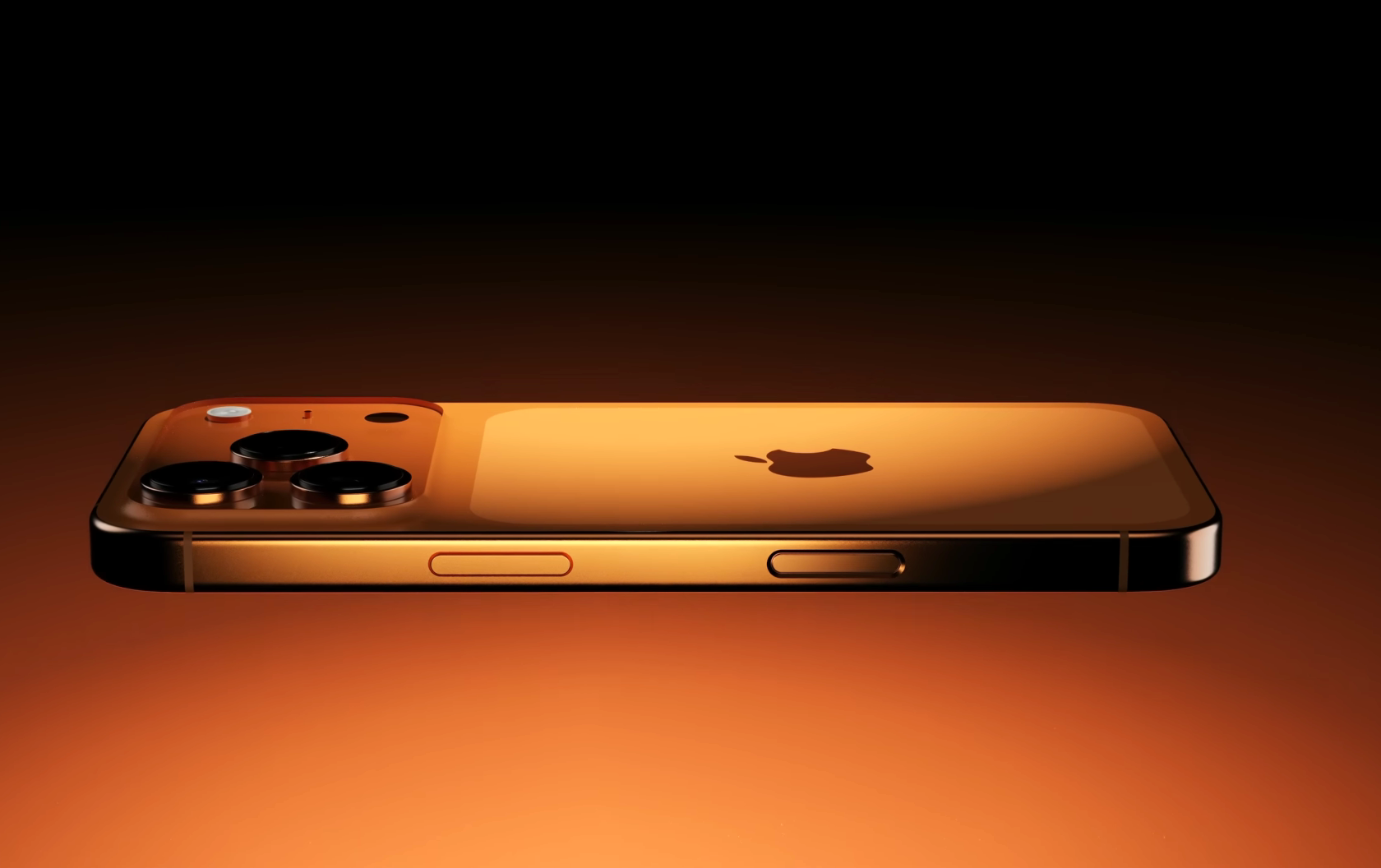
According to the latest reports, the iPhone 18 will not launch until spring 2027. This means the iPhone 17 will likely remain Apple’s standard flagship for approximately 18 months – surpassing the iPhone 4’s 16-month reign and setting a new record for the longest flagship lifecycle.
The biggest difference between the iPhone 4 era and now is Apple’s diversified product lineup. Back then, long wait times led to user frustration over the lack of fresh designs. Today, with the annual release of Pro models and the upcoming Air line, Apple continues to offer significant upgrades even without launching a brand-new flagship.
Even as the iPhone 18 is delayed, consumers will still have access to compelling alternatives.
The iPhone 17–18 cycle is also expected to witness the debut of Apple’s first foldable phone – potentially the most radical hardware shift in the iPhone’s history. Yet, it’s the iPhone 17 that may go down in history as Apple’s longest-standing flagship.
Apple has confirmed its next event will take place on September 9 (midnight September 10, Vietnam time), where the iPhone 17, Apple Watch Series 11, and Watch Ultra 3 are expected to be officially introduced.
While the iPhone 17 is poised to break longevity records, Apple has also previously surprised users by shortening product cycles significantly.
Many assume the iPhone 12–13 was the shortest cycle at 11 months, due to post-pandemic schedule adjustments. However, the actual shortest cycle belongs to the iPhone X. Although announced in September 2017, it didn’t go on sale until November and was replaced just 10 months later by the iPhone XS.
For 15 years, the iPhone 4’s record has endured, even as Apple continuously innovated and accelerated its product timeline. But now, the iPhone 17 looks set to change that narrative, marking a pivotal moment in the company’s flagship strategy.
If current forecasts hold true, the iPhone 17 will not just be another iteration, but a defining landmark in Apple’s evolving product roadmap.
Hai Phong
.svg)
