 Vietnamnet.vn

 Podcast



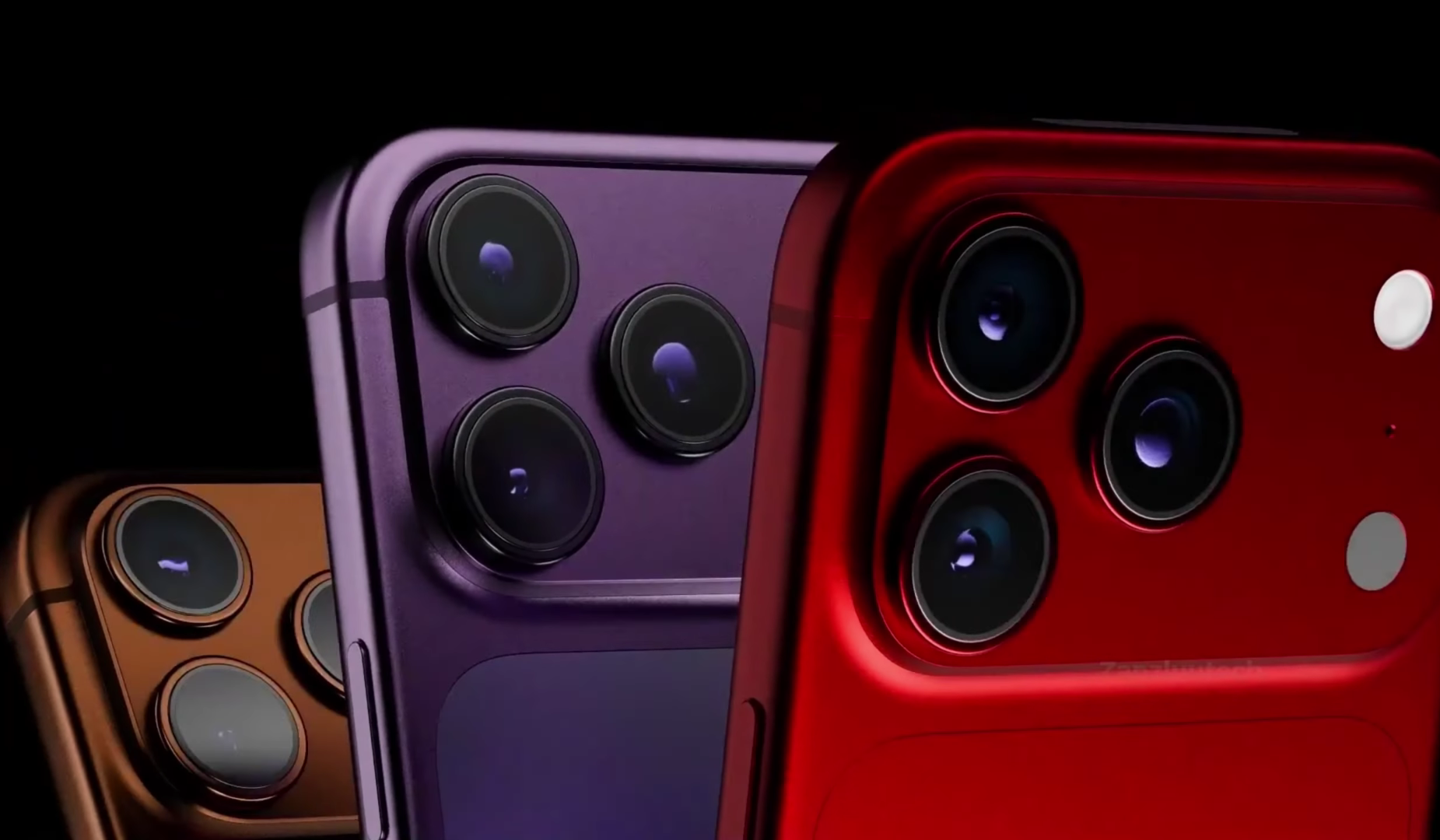
Apple has taken a significant step forward in its efforts to expand in the world's largest smartphone market. After nearly two years of waiting, Apple Intelligence has reportedly received approval from Chinese regulators, paving the way for the upcoming iPhone 18 Pro Max and iPhone Ultra to become the first iPhones in China to ship with Apple's full AI system.
This is expected to provide a meaningful commercial boost for the iPhone 18 Pro lineup.
Earlier leaks suggested that Apple's next-generation flagship would focus mainly on incremental upgrades, including the 2nm A20 Pro chip, a larger battery, a variable-aperture camera, and a smaller Dynamic Island. While these improvements are significant, they are not widely viewed as a major hardware redesign.
However, the arrival of Apple Intelligence in China could become the feature that clearly differentiates the iPhone 18 Pro Max from its predecessor.
Apple clears its biggest regulatory hurdle in China
Apple Intelligence was first introduced in 2024, but it has not been available in China because all generative AI services must undergo regulatory review and obtain official approval before being offered to consumers.
That obstacle now appears to have been removed after China's Cyberspace Administration of China (CAC) reportedly approved Apple's AI platform.
As a result, the iPhone 18 Pro Max and iPhone Ultra are expected to become the first iPhones officially sold in China with full Apple Intelligence support available at launch.
Unlike international markets, the Chinese version of Apple Intelligence will not rely on AI models from Google or OpenAI. Instead, Apple has developed a localized partner ecosystem to comply with the country's regulatory requirements.
Under the reported arrangement, Alibaba will provide content moderation to ensure AI-generated responses comply with Chinese regulations, while Baidu will supply the core AI models powering many of the platform's intelligent features.
Although Apple Intelligence debuted nearly two years ago, many analysts believe it has yet to fully deliver on Apple's original vision.
Current AI features remain relatively limited, rollout has been gradual, and the platform has yet to establish a decisive advantage over competing AI offerings.
That could change with iOS 27.
Apple is reportedly preparing a broad range of new AI capabilities, including a more capable Siri, improved contextual understanding, stronger content creation tools and enhanced productivity features.
The timing of iOS 27's release alongside Apple Intelligence's reported approval in China could provide Apple with a strategic opportunity to maximize the appeal of AI-powered features on the iPhone 18 Pro series.
China continues to show encouraging signs for Apple
Recent developments suggest Apple has gradually regained momentum in China after facing years of intense competition from domestic brands such as Huawei, Xiaomi and vivo.
The fourth quarter of 2025 marked Apple's strongest performance in China since 2021, driven largely by robust sales of the iPhone 17 lineup.
The performance is particularly significant because China remains Apple's second-largest market after the United States.
The positive momentum has reportedly continued into 2026.
According to market research firm IDC, Apple recorded the fastest smartphone shipment growth in China during the second quarter despite an overall decline in the country's smartphone market.
Counterpoint Research, however, offered a more cautious assessment, saying Huawei was the only smartphone brand to post positive growth during the same period.
Despite differences in their findings, both IDC and Counterpoint agree that Apple remains the second-largest smartphone vendor in China, underscoring the company's strong competitive position.
Alongside these encouraging trends, Apple still faces significant challenges.
China's smartphone market has been affected by rising component costs, particularly memory chips, pushing handset prices higher across the industry.
Apple has not officially increased iPhone prices in China but has reportedly scaled back promotional campaigns and discounts compared with previous years.
According to industry leaks, the iPhone 18 Pro Max could cost up to US$300 more than the current generation if pricing rumors prove accurate.
Analysts believe, however, that the official rollout of Apple Intelligence in China could persuade many consumers to accept higher prices.
For many buyers, a fully integrated AI experience on the iPhone may provide sufficient value to justify upgrading.
Hai Phong
.svg)
