 Vietnamnet.vn

 Podcast



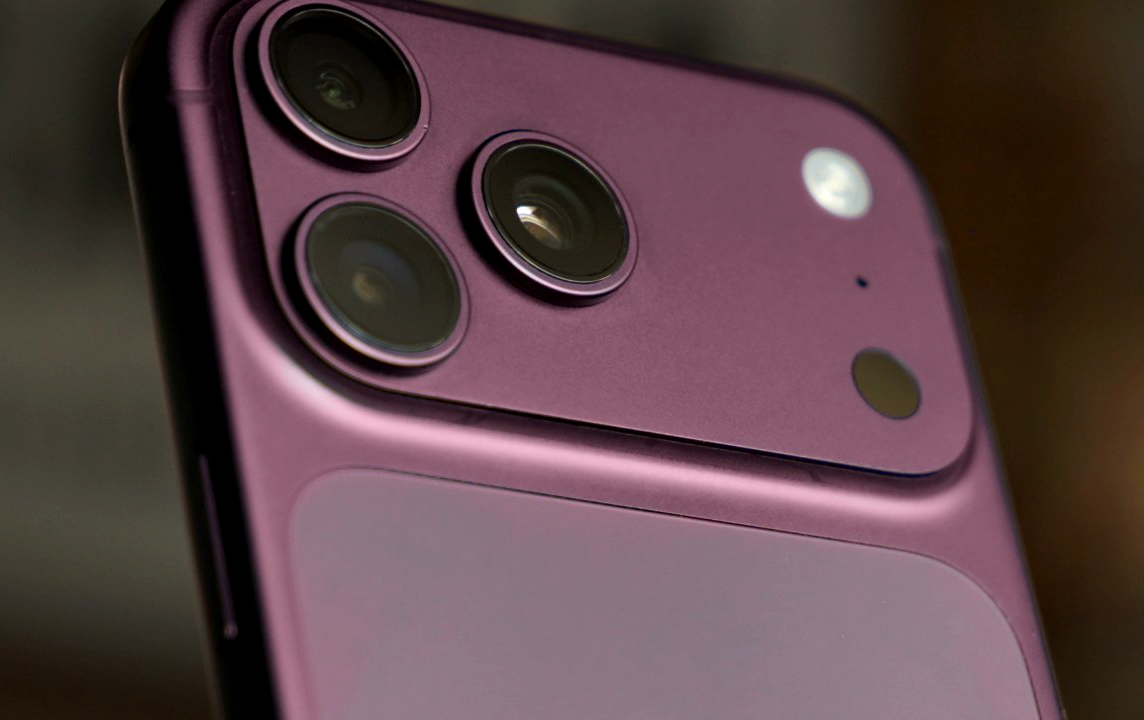
Every year, Apple introduces a new generation of processors alongside its latest iPhones. However, the A20 Pro, expected to appear in the iPhone 18 Pro, iPhone 18 Pro Max and iPhone Ultra this fall, is tipped to deliver a substantial leap rather than the incremental upgrade seen in previous generations.
According to multiple supply-chain sources, the A20 Pro is expected not only to be manufactured using an entirely new process but also to adopt an advanced chip-packaging technology never before used in an iPhone.
Together, these two advances are expected to deliver stronger performance, significantly improved artificial intelligence (AI) processing and substantially lower power consumption.
2nm process could make its iPhone debut
The most notable upgrade expected for the A20 Pro is Apple’s reported move to TSMC’s latest 2-nanometer (2nm) manufacturing process.
In the semiconductor industry, shrinking the manufacturing process has long been one of the most important factors in improving both chip performance and energy efficiency.
Compared with the 3nm process Apple currently uses, 2nm technology allows more transistors to be packed into the same silicon area.
Galaxy Z Fold 8 Ultra vs Z Fold 7: Are the upgrades enough to beat iPhone Ultra?
That means the A20 Pro could deliver greater processing power while keeping energy consumption low, or maintain current performance levels while significantly extending battery life on the iPhone 18 Pro Max.
This is the kind of improvement users could notice clearly in everyday use.
Apple’s development history shows that each transition to a new manufacturing process has brought meaningful advances.
That is why Apple has consistently invested early to secure access to TSMC’s most advanced manufacturing technologies ahead of competitors.
The strategy not only helps the iPhone maintain its performance advantage but also benefits Apple’s broader product ecosystem, including the iPad, Mac and other devices powered by the company’s custom-designed chips.
It remains unclear which areas Apple will prioritize with the A20 Pro, but the transition to 2nm should give the company considerably more room to upgrade the CPU, GPU, Neural Engine and dedicated AI-processing components.
WMCM packaging could take performance to a new level
Alongside the 2nm manufacturing process, the A20 Pro is also rumored to become the first iPhone chip to use Wafer-Level Multi-Chip Module (WMCM) packaging technology.
It is a potentially significant advance, though one that may receive less attention from mainstream consumers.
Unlike conventional packaging methods, WMCM allows multiple processor components, such as the system-on-chip (SoC) and DRAM memory, to be integrated directly at the wafer level before being separated into individual chips.
The approach places critical components physically closer together, shortening the distance data must travel between the processor and memory.
WMCM could also eliminate the need for intermediate connection layers such as interposers or substrates, improving signal transmission while optimizing thermal efficiency.
Both factors become particularly important when a chip is handling demanding workloads for extended periods.
In other words, the A20 Pro may benefit not only from its 2nm process but also from a completely new packaging design that allows its hardware to be used more efficiently.
AI and gaming could see the biggest gains
One of the most significant potential benefits of WMCM is expected to come in artificial intelligence processing.
Placing memory closer to the processor allows data to move faster while consuming less energy.
That is particularly useful for AI models running directly on the device, which require extremely fast access to memory.
If the leaked information proves accurate, the iPhone 18 Pro Max could gain a major advantage when processing the next generation of AI features Apple is expected to integrate deeply into iOS 27.
Beyond AI, graphically demanding games, 4K and 8K video-editing applications, real-time image processing and creative software could also benefit from greater memory bandwidth and lower latency.
At the same time, improved energy efficiency could allow the device to sustain high performance for longer periods while reducing heat buildup and limiting performance throttling caused by overheating.
If current rumors prove accurate, the A20 Pro will be more than a simple speed upgrade. It could mark a major shift in how Apple designs chips for the iPhone.
With AI rapidly becoming a central focus of the technology industry, the A20 Pro could emerge as the “heart” of the iPhone 18 Pro, iPhone 18 Pro Max and iPhone Ultra, helping them remain competitive against a new wave of AI smartphones while potentially setting a new benchmark for mobile performance.
Hai Phong
.svg)
