 Vietnamnet.vn

 Podcast



From Japan to the mountainous district of Con Cuong in Nghe An province, Japanese volunteer Unoki Kohei is not only supporting the development of community tourism but also working alongside local residents to safeguard the traditional cultural values of the Thai ethnic group.
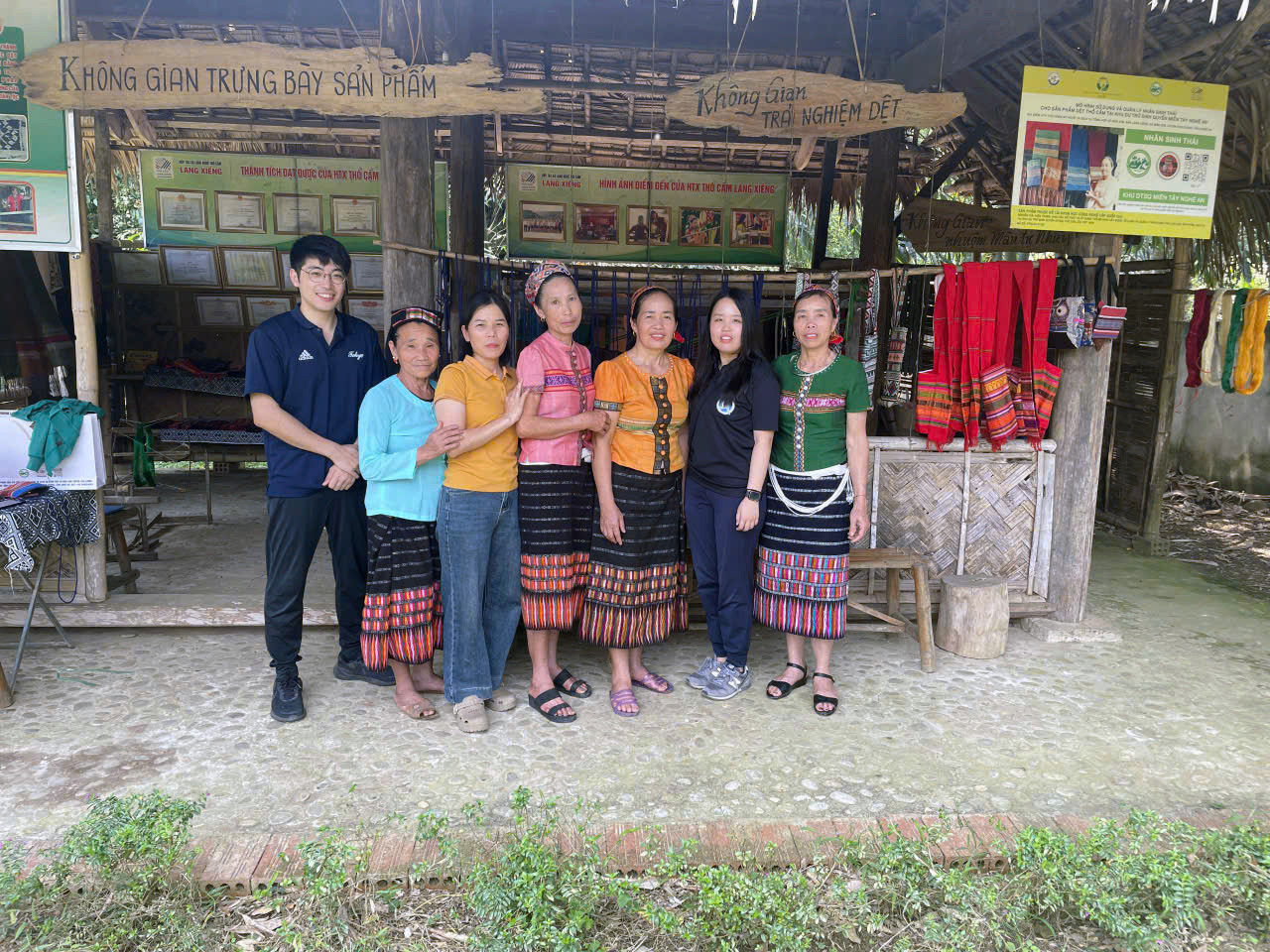
Unoki Kohei is a Japanese volunteer working in the field of community development and is currently assigned to the People’s Committee of Con Cuong commune in Nghe An. He holds a master’s degree in Earth and Environmental Sciences from the Graduate School of Science and Technology at Kumamoto University in Japan.
Before taking up his assignment in Vietnam, Unoki underwent more than two months of intensive training at the training center of the Japan International Cooperation Agency (JICA). During this time, volunteers were trained in skills for living and working overseas and also studied Vietnamese.
He then continued with one additional month of training in Hanoi, and throughout his assignment JICA has supported him in further improving his Vietnamese language skills.
In his daily work in Vietnam, he communicates directly with local officials and residents in Vietnamese, occasionally using translation applications when needed.
Working in Con Cuong commune, Nghe An, Unoki Kohei has developed a deep appreciation for the nature, people and cultural life of the Thai community there. For him, preserving cultural identity is not only about protecting traditions but also about unlocking the potential for sustainable community tourism.
Discovering a land rich in culture and nature
When asked what brought him from Japan to the mountainous region of western Nghe An and the Thai community there, Unoki explained that he came to Vietnam as part of the JICA volunteer program.
Through the process of registering volunteers’ areas of interest and matching them with the needs of localities in partner countries, JICA assigned him to work at the People’s Committee of Con Cuong district - now Con Cuong commune in Nghe An province.
When he first started working there, he quickly realized that the region possessed many appealing qualities: abundant nature, distinctive culture and, above all, the warmth of the local people.
Even now, he feels fortunate to have the opportunity to live and work in this area.
Reflecting on his first impressions of the villages in Con Cuong, Unoki said the region still preserves the simple traditional lifestyle of the Thai people.
Local residents, he noted, are extremely friendly and welcomed him - a foreign visitor - with genuine warmth and sincerity.
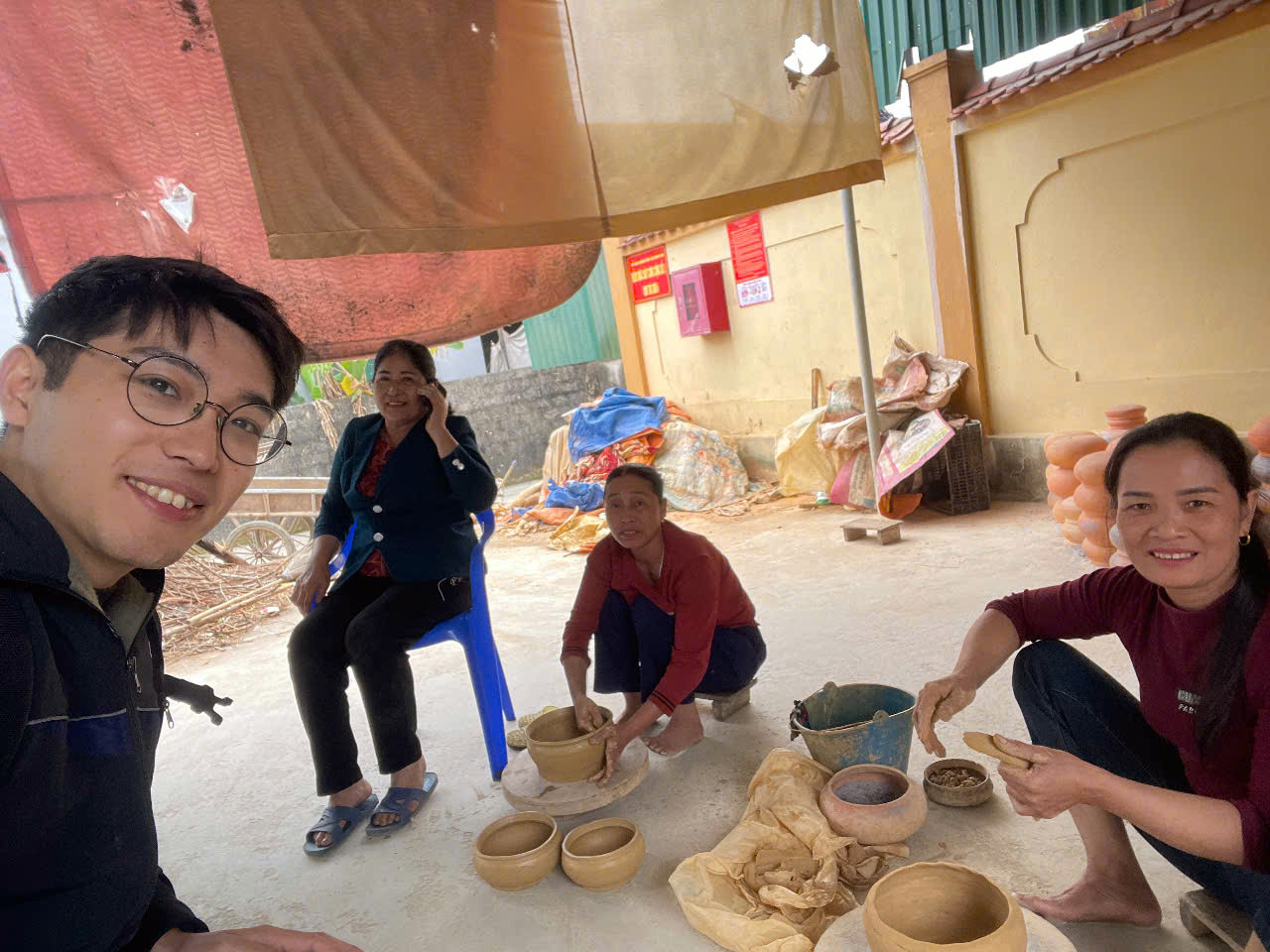
The Japanese volunteer believes Thai culture is one of the key elements that make tourism in Con Cuong especially attractive.
When he first visited the villages in Con Cuong, what impressed him most was that traditional Thai culture remains deeply present in everyday life. Stilt houses, traditional cuisine and brocade weaving all contribute to a living cultural space rarely found in large cities.
He was also deeply touched by the hospitality of the residents. Although he is a foreigner, people often receive him as if he were part of their family.
Sometimes language remains a barrier, he admitted, but through smiles and sincerity he has always felt welcomed and able to integrate easily into the community.
Community tourism built on nature and culture
According to Unoki, Con Cuong holds great potential for community tourism thanks to its rich natural environment and the traditional cultures of ethnic minority groups.
The region is blessed with diverse ecosystems, particularly the Pu Mat National Park. Vast forests, mountains and rivers have largely retained their pristine character, creating ideal conditions for eco tourism and nature based experiences.
At the same time, the area preserves many traditional cultural values of ethnic minority groups, especially the Thai people.
Experiences such as staying in homestays within traditional stilt houses, enjoying local cuisine, watching traditional dances and learning about handicrafts can all become attractive tourism products.
This combination of nature and culture forms the foundation for community tourism. It is a model in which local residents directly participate and benefit, while also maintaining and protecting their cultural identity.
The cultural appeal of Thai traditions
Unoki believes that Thai cultural traditions play a crucial role in creating the appeal of tourism in this region.
Stilt houses, for instance, are not merely a type of dwelling. They embody generations of knowledge and experience in how local people live in harmony with nature.
When visitors stay in these houses as part of a homestay experience, they can directly experience that traditional way of life.
Local cuisine prepared with bamboo, forest ingredients and other natural materials, along with traditional music, dances and handicrafts such as brocade weaving, also offer unique cultural experiences.
Importantly, these cultural elements are not performances staged solely for tourists. They have long existed as part of everyday life in the community.
Because of that authenticity, visitors can truly feel the uniqueness and sincerity of the local culture.
Balancing tourism development and cultural preservation
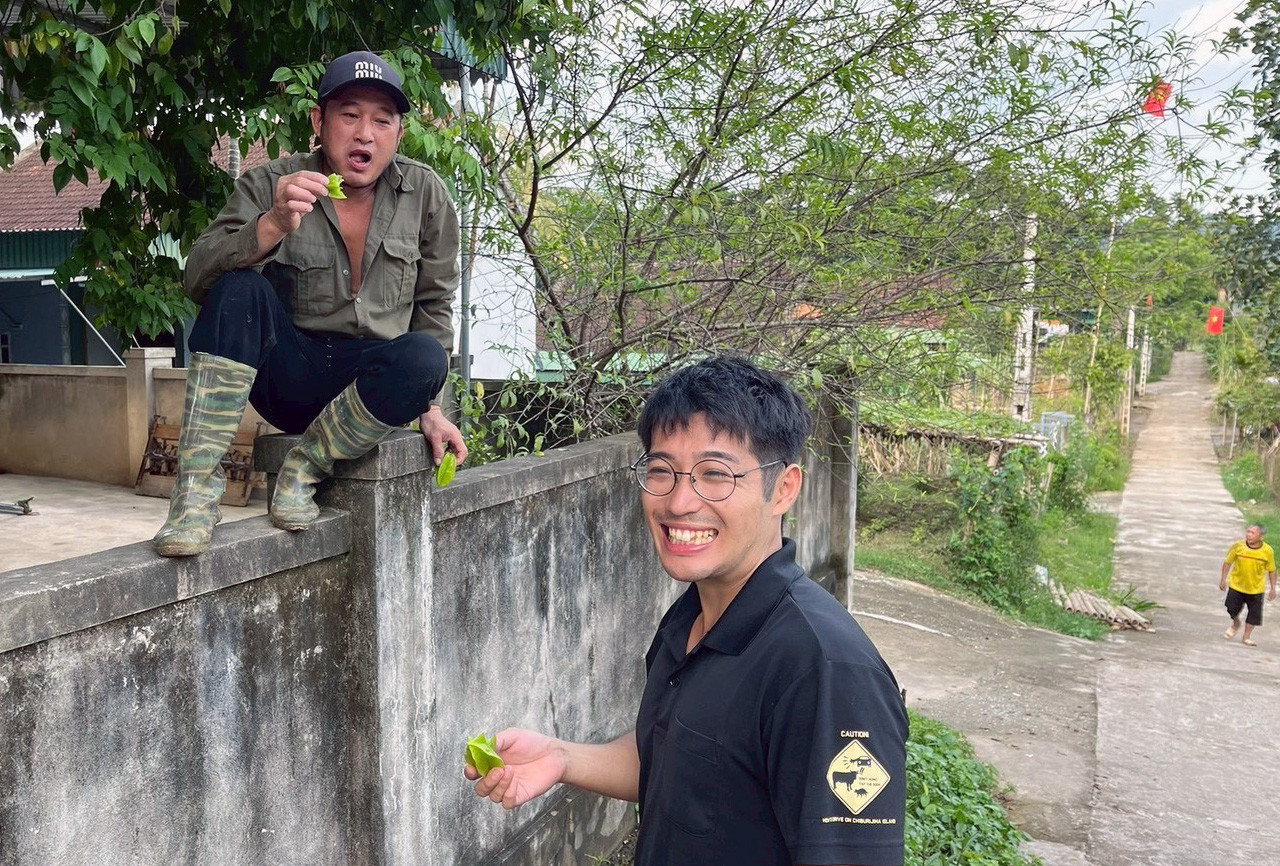
According to Unoki, the key to successful community tourism lies in maintaining a balance between development and cultural preservation.
Culture should not be altered or distorted simply to serve tourism. Instead, communities should respect and maintain their traditional lifestyles and share those values naturally with visitors.
Local residents, he emphasized, must play a central role in the tourism development process.
Rather than having outside actors make all decisions, residents should take pride in their culture and welcome visitors in ways that align with their own rhythm of life.
This approach will help tourism grow in a more sustainable way over the long term.
Challenges facing local communities
Through his work supporting community tourism, Unoki has observed several challenges facing local residents.
While people are increasingly interested in developing tourism, difficulties remain, particularly in communication, promotion and marketing.
For example, using the internet to introduce destinations or communicate with international tourists is still relatively new for many residents.
In addition, most homestays in the area are managed by families, and not everyone has formal training in tourism services.
Therefore, sustainable tourism development will require time for local people to gradually learn and accumulate experience.
Lessons from Japan and other countries
Drawing on experiences from Japan and other countries, Unoki believes there are valuable lessons that could benefit community tourism in Vietnam’s mountainous regions.
In Japan, many rural and mountainous areas have successfully developed tourism based on local nature and culture.
In these places, residents often cooperate with one another to collectively organize tourism activities, creating a community based system for welcoming visitors.
Even small regions can become well known if they communicate and promote their unique features effectively.
Unoki believes that if Con Cuong can clearly present and promote its cultural and natural values, more and more visitors will discover the region.
Changing awareness among local residents
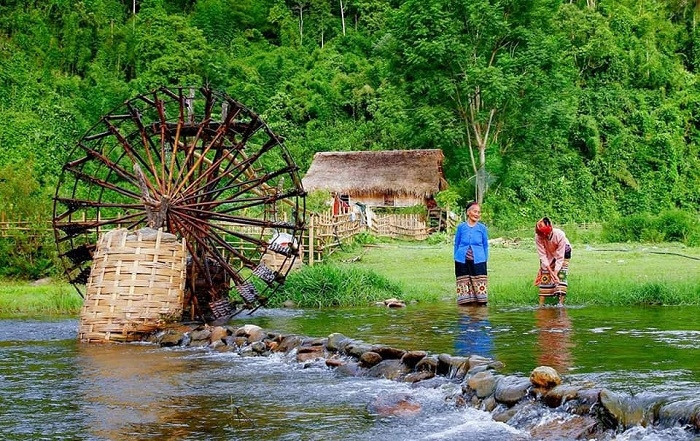
Since the beginning of his work in the area, Unoki has noticed encouraging changes in local attitudes toward tourism.
When he first arrived, many residents believed tourists would only visit through travel companies.
Recently, however, some people have begun to realize that they themselves can introduce and promote their villages to visitors.
Residents are also gradually recognizing that the culture and natural environment of their homeland are valuable assets that visitors find appealing.
For Unoki, this shift in awareness is a very important step forward.
The community at the center of sustainable tourism
While support from government agencies and businesses is important, Unoki believes the most crucial factor in community tourism remains the local people themselves.
As the name suggests, community tourism places the local community at the center.
When residents feel proud of their culture and natural surroundings and wish to share their homeland with visitors, tourism can develop in a sustainable way.
A message to international visitors
If international visitors come to the Thai villages of western Nghe An, Unoki hopes they will feel the warmth of community life and the strong connections among people there.
The region offers not only beautiful natural scenery but also a cultural heritage and way of life preserved through generations.
It may not yet be a famous destination, he said, but that is precisely what allows visitors to experience a genuine and simple side of Vietnam.
If travelers leave with fond memories of the local culture and the hospitality of the people, Unoki says he would feel truly happy.
Thai An
.svg)
