 Vietnamnet.vn

 Podcast



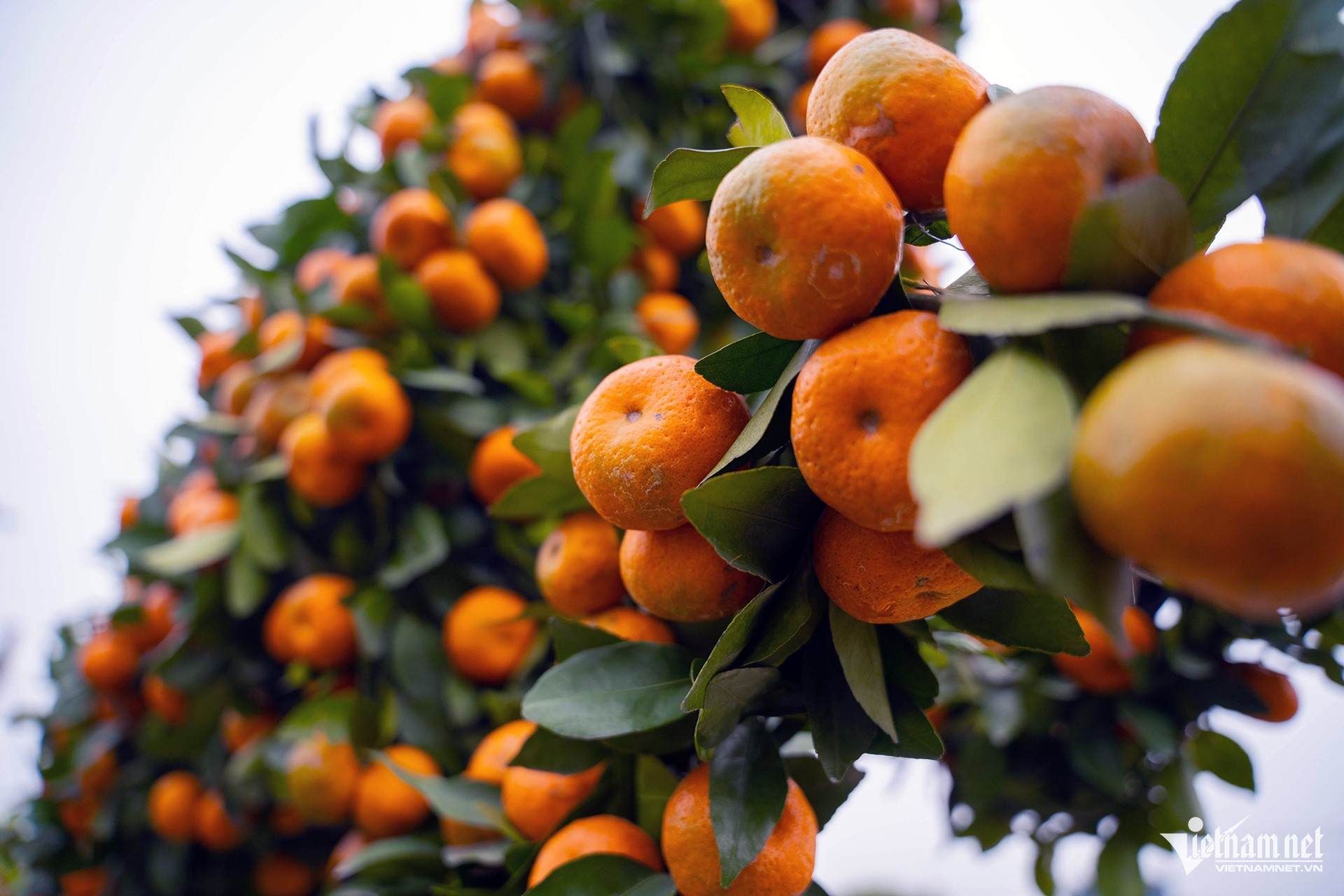
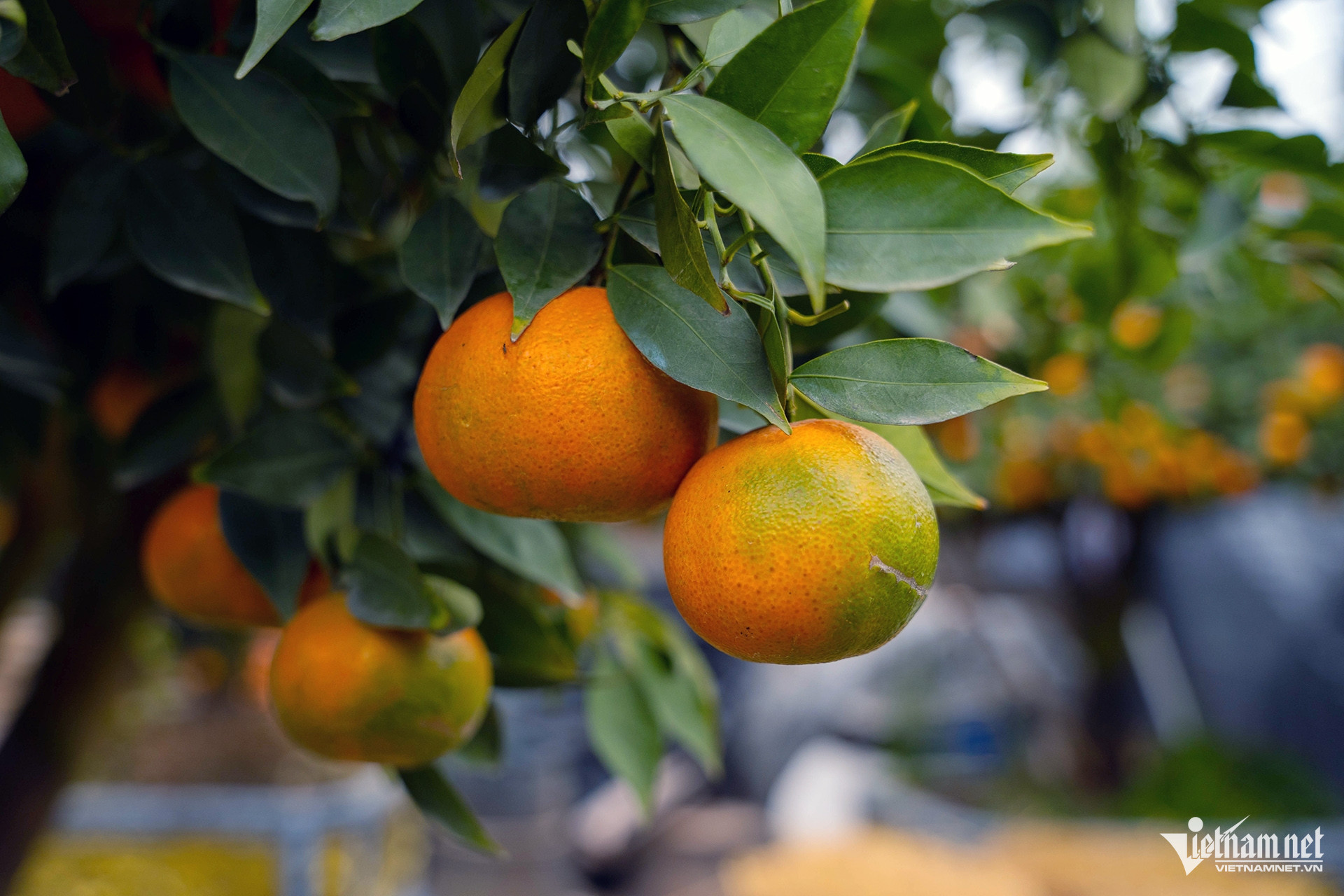
Van Giang, a village known as one of northern Vietnam’s largest ornamental plant hubs, has long been celebrated for its flowering and fruit-bearing trees. This year, local artisans have given the prized chu sa mandarin tree new form and spirit, shaping them into symbolic figures to meet demand across the country.
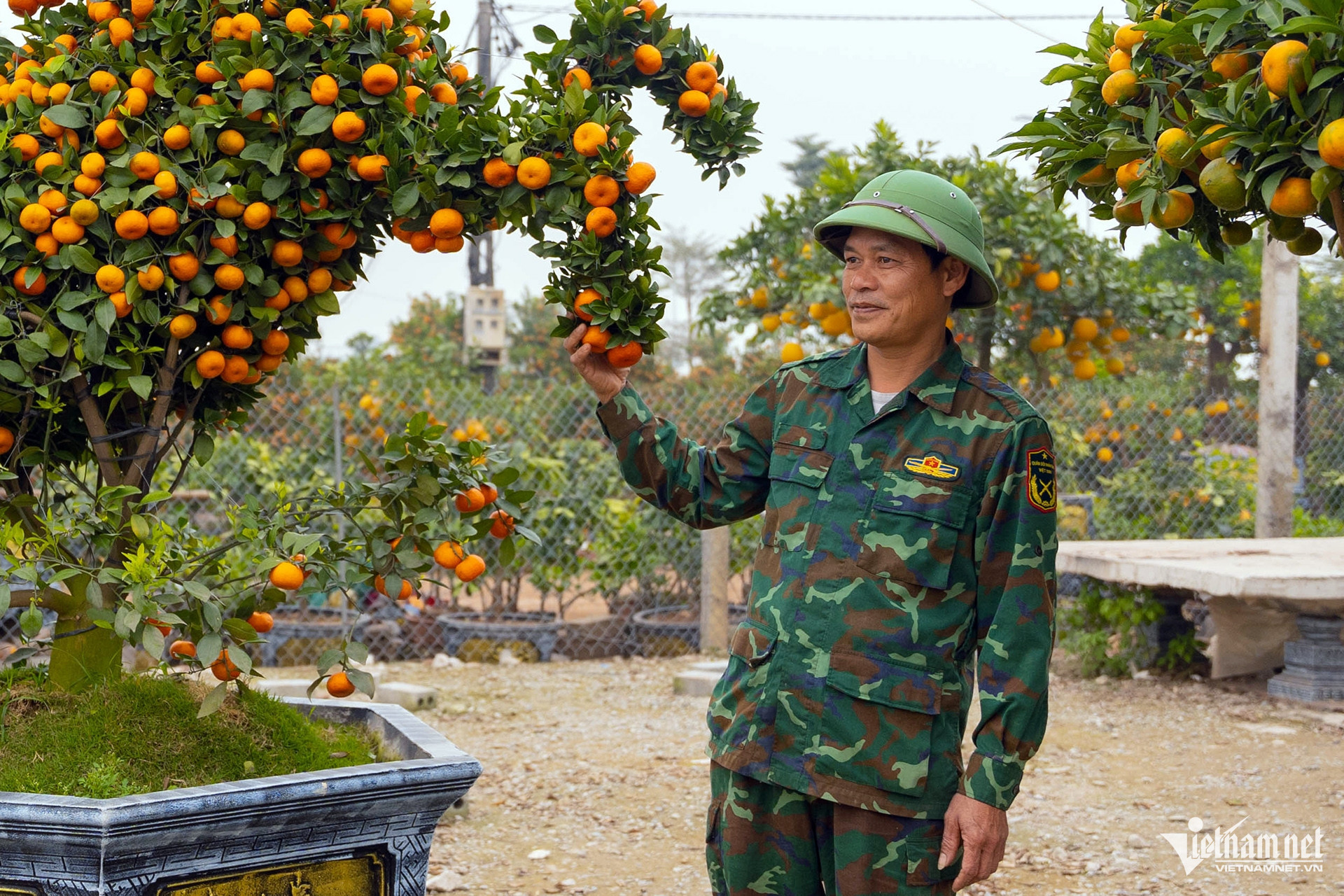
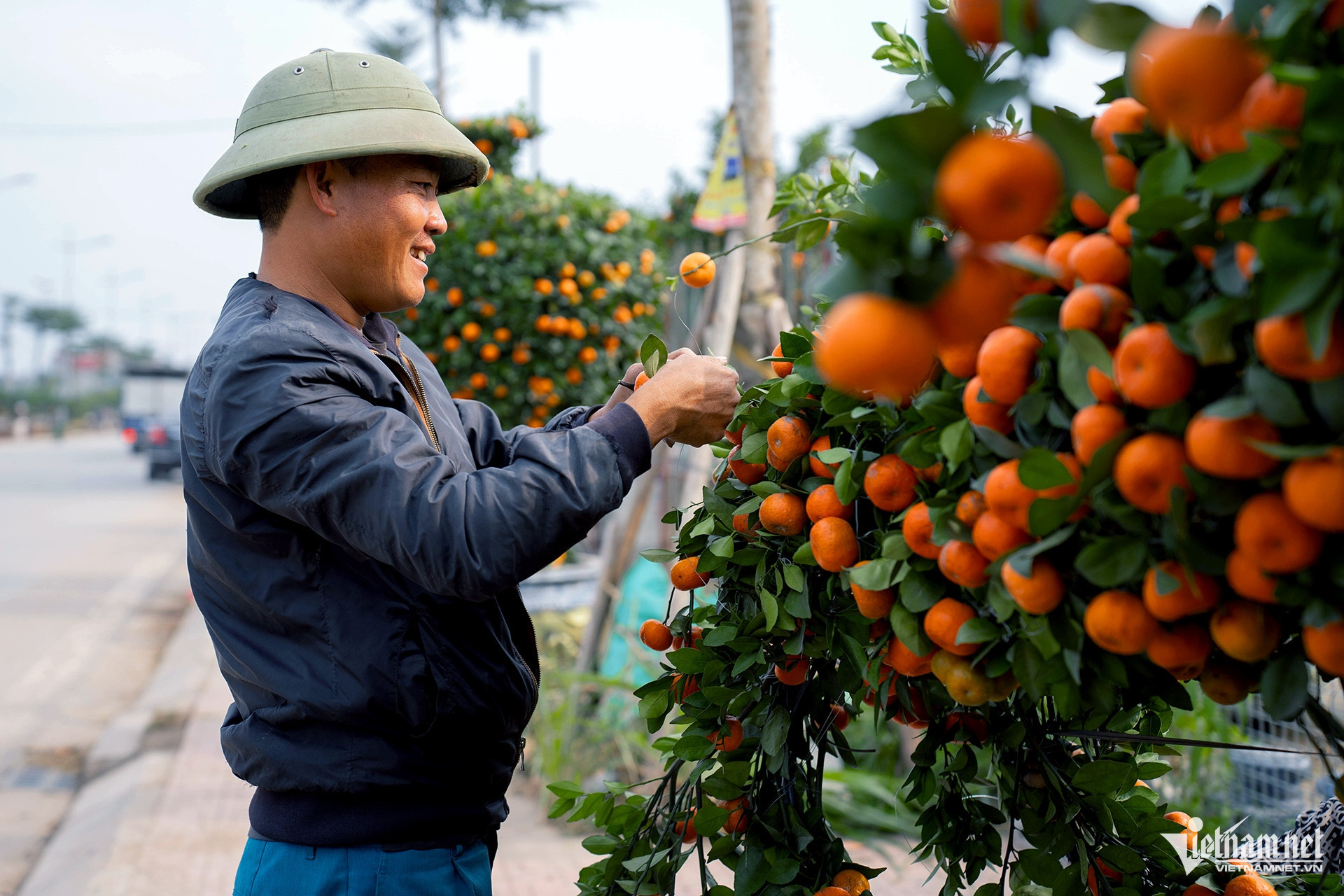
Among them is Hoang Chu Nguyen, one of the few craftsmen in the region with the ability to sculpt animals entirely by hand. Remarkably, Nguyen uses no molds or pre-drawn designs.
“I do it how I feel,” he said. “I look at the tree’s posture, then bend and shape accordingly.”
“Each animal form comes with its own challenge, but to us craftsmen, once we envision it, we can make it happen. What’s difficult for others is just part of our skillset,” Nguyen explained.
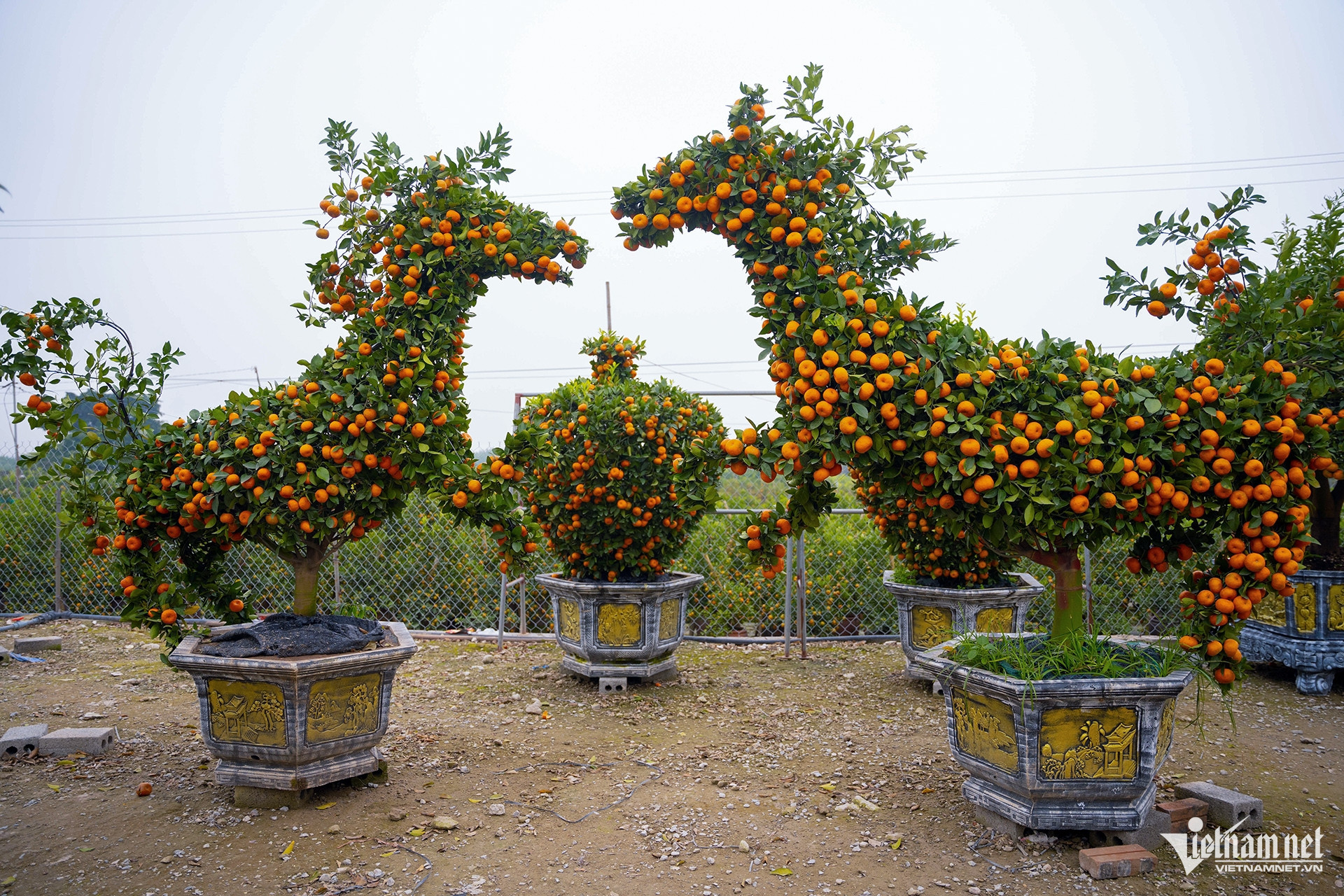
To create a satisfying piece, the tree must first pass a strict selection process. Only chu sa mandarin trees aged three years or older qualify for sculpting. A single horse tree can take over two days of meticulous work to complete.
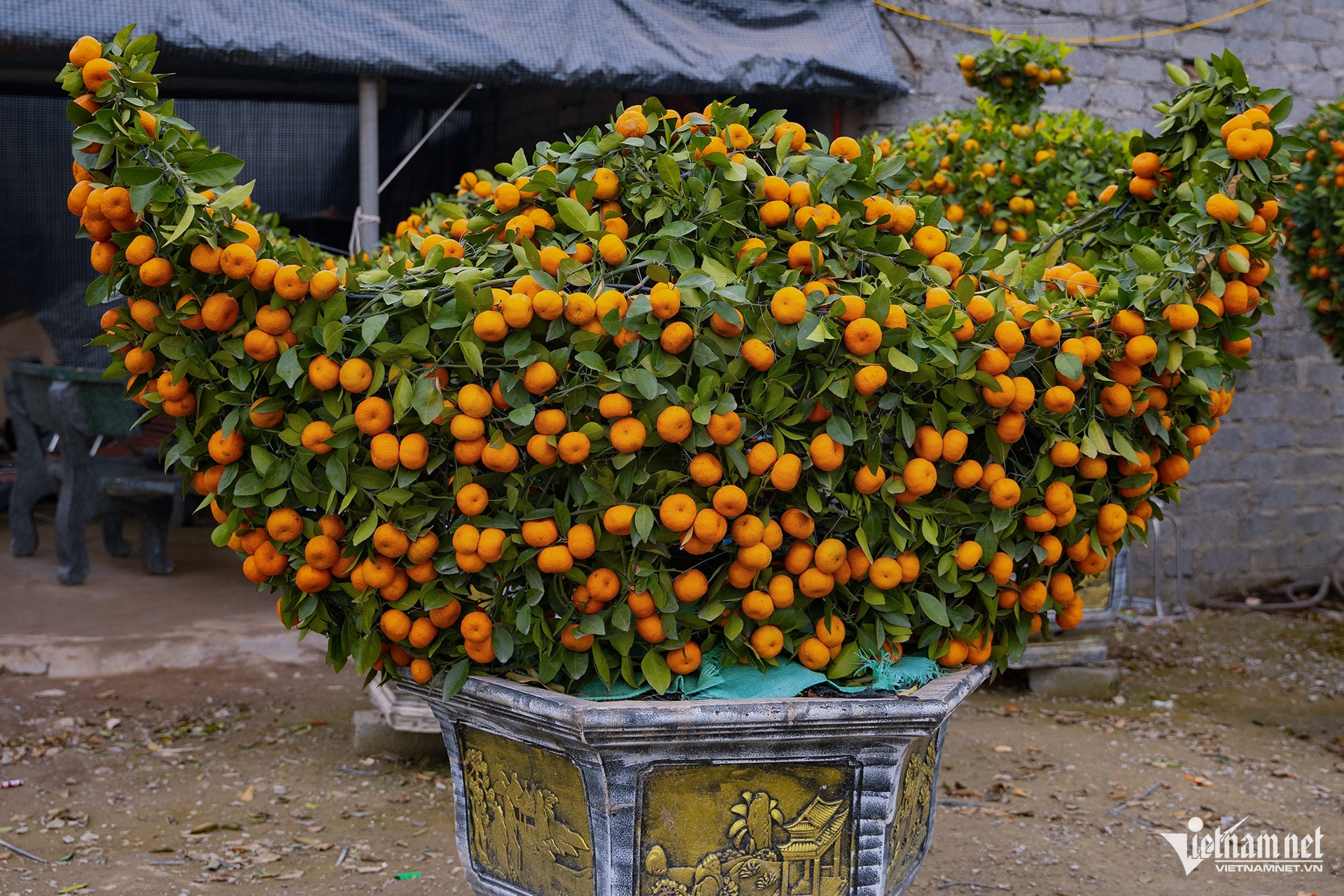
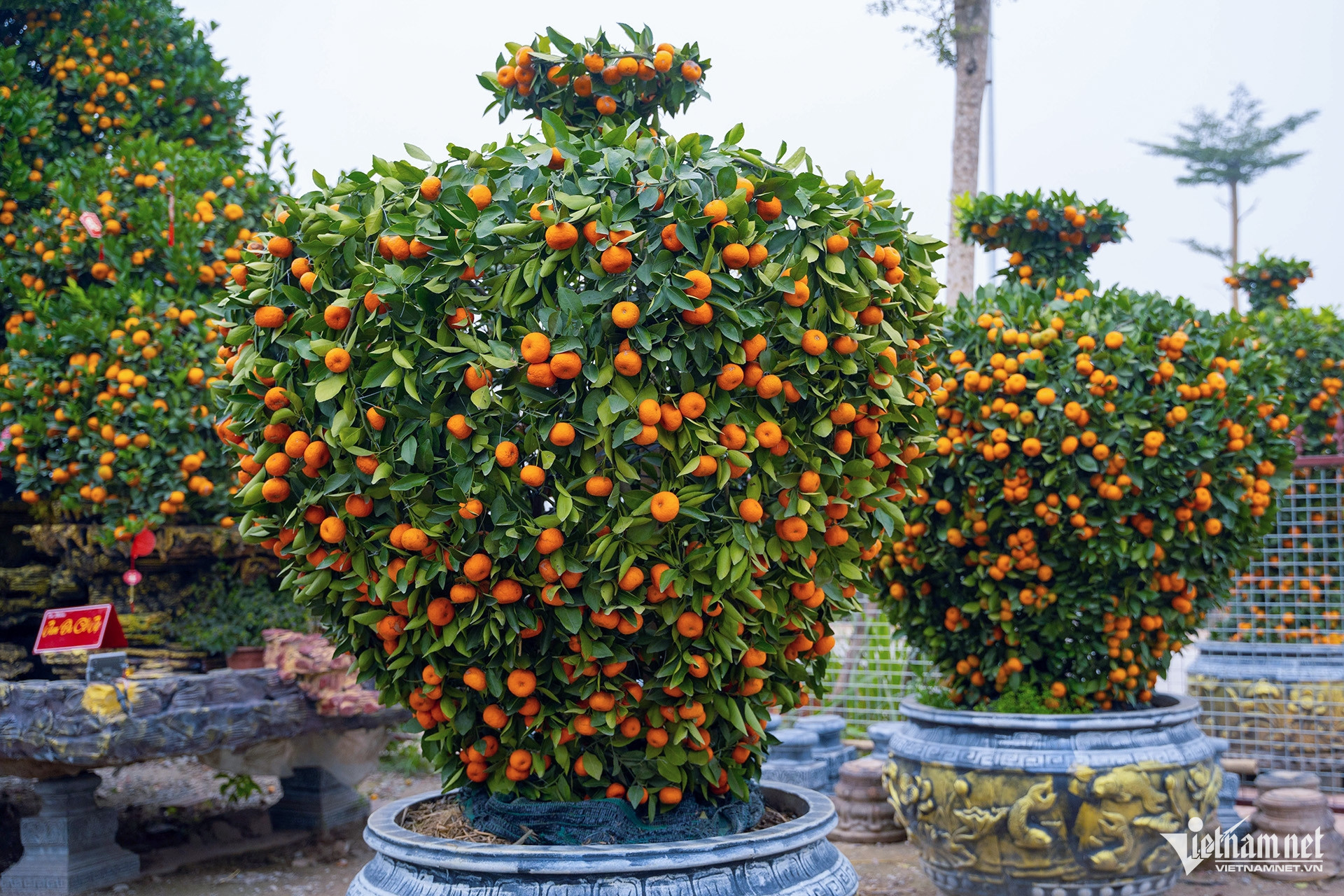
Currently, a pair of horse-shaped mandarin trees sells for around $1,100–$1,300. Other designs, including vases and gold bars, range from $400 to $1,200, depending on size and complexity.
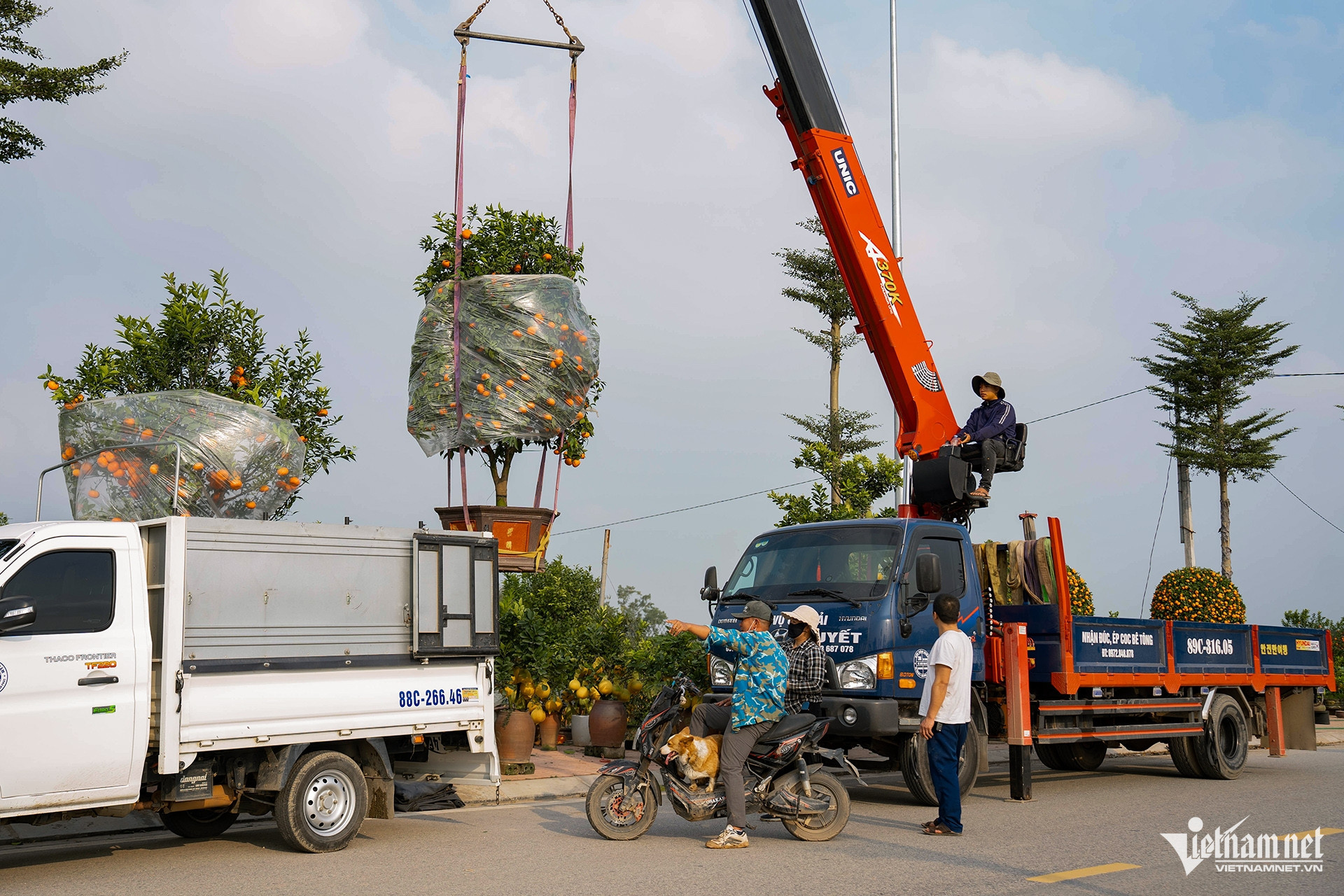
Compared to last year, these mandarin bonsai continue to enjoy strong demand. According to artisan Tran Van Chi (35) from the Anh Em garden, around 30 horse-shaped chu sa mandarin trees have been sold as of mid-January.
The most stunning trees are often pre-ordered by clients as early as November. According to the garden’s owner, these sculpted symbolic trees appeal to collectors who value artistic creativity and uniqueness. Their value lies not only in the tree’s age, but in the painstaking care and artistry behind each shape.
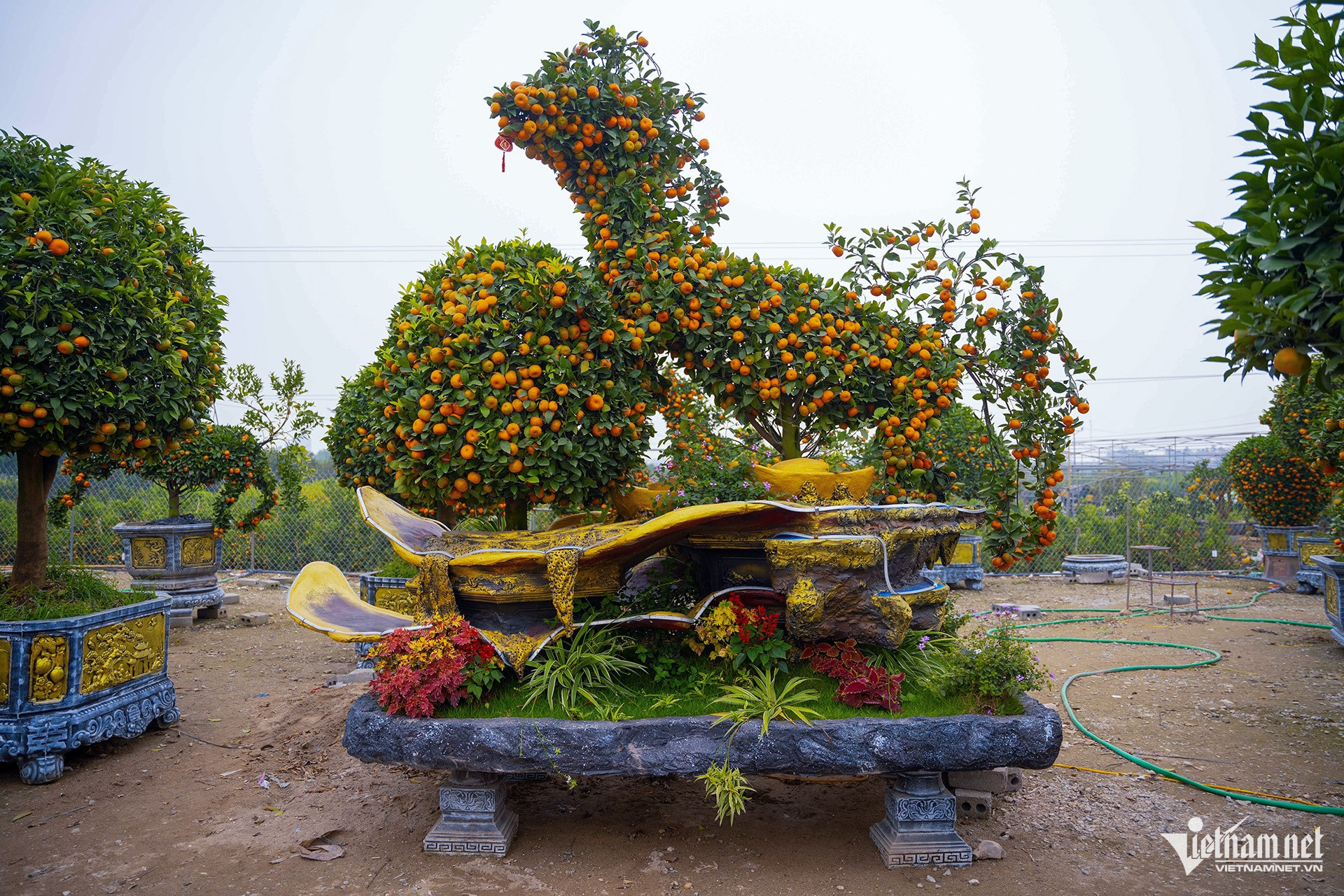
Horse-shaped chu sa mandarin tree priced at up to $1,600 at a garden in Hung Yen.
Thuy Anh
.svg)
