 Vietnamnet.vn

 Podcast



The groundbreaking, inauguration, and technical launch of 234 construction projects nationwide - with a combined investment exceeding 3.4 million billion VND (approx. $137 billion) - in the final days of 2025 is more than a symbolic event.
It comes as Vietnam officially sets an ambitious target: 10% GDP growth annually for the next five years - a daunting goal that demands bold policy choices and coordinated implementation.
This large-scale launch marks a strategic choice by the government: to jumpstart growth through public investment, especially as traditional growth engines like exports, consumption, and real estate have yet to fully recover. But this raises a pressing question: How will this 10% growth be achieved? Who will bear the burden? And critically, how will the private sector - long touted as the backbone of the economy - be brought into this effort?
An inevitable choice
At 6–7% growth, the economy could rely on incremental progress: small and medium-sized enterprises expanding slowly, institutional reforms yielding cumulative benefits, and investment-to-GDP ratios hovering above 32%.
But sustaining 10% growth over several years is an entirely different challenge.
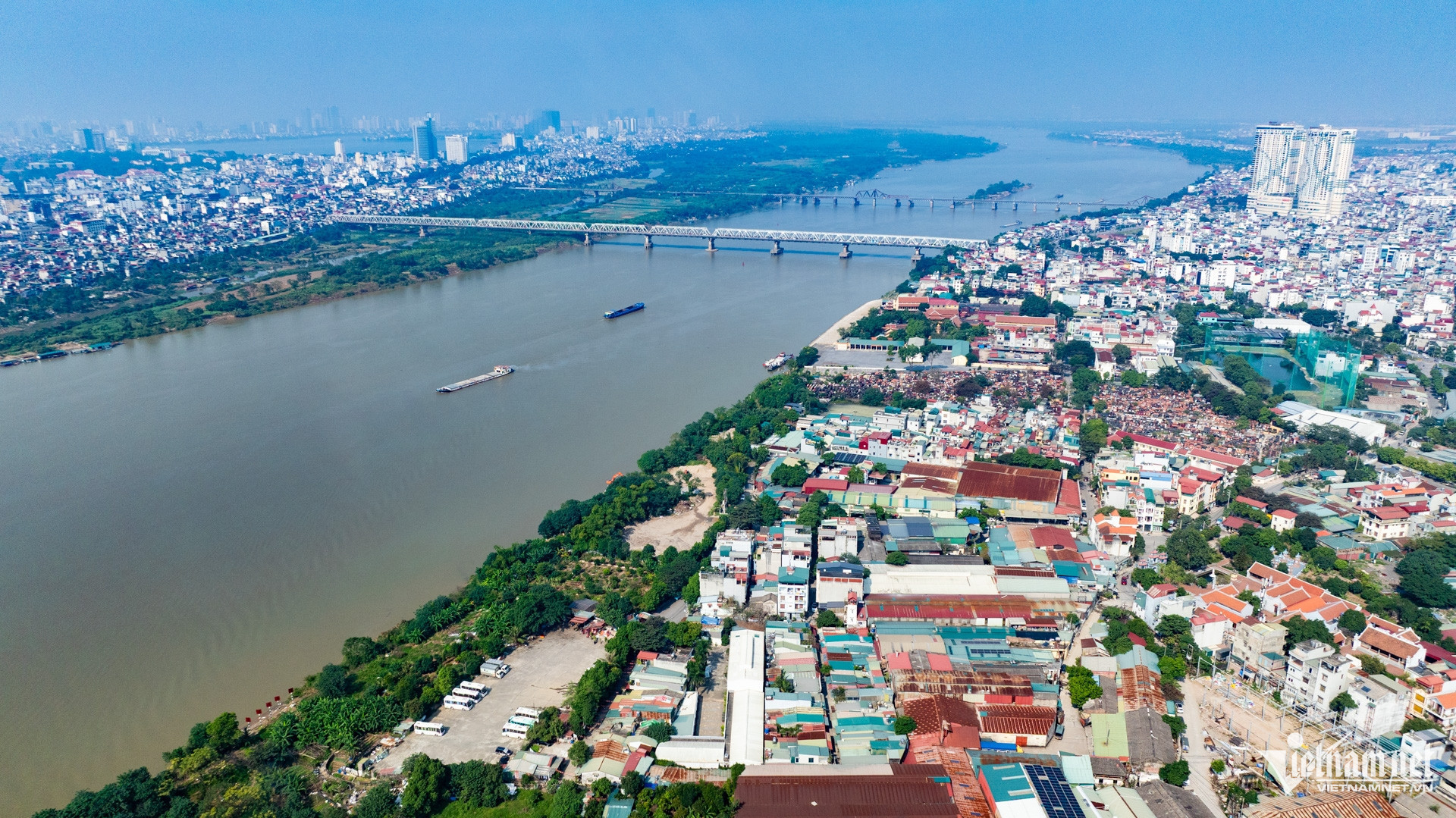
To reach such figures, Vietnam cannot rely on scattered projects. Instead, it must initiate ventures large enough to impact GDP immediately, unlock new development spaces, and deliver results quickly. That’s why projects like the Red River Landscape Boulevard, the Olympic Sports Urban Area, and preparations for nuclear power and the North-South high-speed railway have been made central to the national growth strategy.
In reality, the state’s choice to lead with public investment at this stage is nearly unavoidable. Mega projects in infrastructure and urban-industrial development - each worth hundreds of trillions of dong - are now the main engines pulling the economy forward.
Yet if this arena is dominated by just a few players, the real issue becomes not only speed, but whether the playing field is open enough for private enterprises to join meaningfully.
A narrow playing field
On paper, it’s impressive that over 80% of total investment in the 234 projects comes from non-state sources.
But dig deeper, and the picture shifts: the lion’s share of these projects is controlled by a handful of large private conglomerates, often through partnerships among familiar "giants."
Meanwhile, small and medium-sized enterprises (SMEs) - which account for over 98% of businesses and generate most of the country’s jobs - are largely absent from this investment surge.
In short, this is the rise of a few large private investors, not yet the broad-based private sector participation envisioned in various economic resolutions.
This gap underscores the urgent need for clear and robust mechanisms to create ecosystems led by big businesses that allow SMEs to engage deeply in investment chains, construction, and supply networks.
Only when these smaller firms are truly part of the growth narrative can economic expansion be inclusive, sustainable, and capable of building a business foundation resilient to long-term shocks.
$235 billion frozen: Untapped growth potential
The grand vision of new projects is thrown into sharper contrast when viewed alongside another reality: nearly 3,000 projects worth an estimated $235 billion remain stalled due to legal hurdles, procedural gridlock, and regulatory overlaps.
These aren’t minor endeavors. They include industrial zones, infrastructure, real estate, tourism, and logistics - sectors that generate jobs and contribute directly to GDP. Unlocking them could provide a powerful secondary growth engine, reducing dependence on just a few mega-projects.
Many of these dormant projects already have investors, partial land clearance, and even started construction. The missing piece is not capital or market, but legal clarity and regulatory support.
Prioritizing the unfreezing of these projects is not only about faster and safer growth - it’s also about restoring faith in the private sector. It signals that opportunity is not reserved for the biggest players alone.
A clear example is the Aqua City project in Dong Nai, which resumed on November 15, 2025 after its regulatory barriers were removed. This case shows that when the legal framework opens the way, even long-frozen assets can be revived within months.
Viewed through this lens, the $235 billion currently immobilized is not a dead-end - it represents real room for reform and growth.
10% growth: A litmus test for institutional reform
One notable aspect of this wave of project launches is the speed of execution.
Many large-scale projects, especially in Hanoi, have been reviewed, approved, and implemented at a much faster pace than before. Complex procedures were simplified, and bottlenecks addressed decisively.
From a governance perspective, this reflects strong political will. But within the broader institutional framework, the question must be asked: Is this streamlining widespread or selective?
If regulatory flexibility only applies to certain projects or favored investors, while most businesses remain trapped in a bureaucratic maze, then reforms have not reached the roots.
Breaking ground on 234 projects worth $137 billion is an important milestone. But to turn the 10% growth target into a national economic drive, what’s equally vital is unlocking existing stalled projects and broadening the space for SMEs to grow and contribute.
Tu Giang
.svg)
