 Vietnamnet.vn

 Podcast



Skilled in woodcarving, building traditional Guol houses and playing dozens of musical instruments, village elder A Lang Doi in Da Nang has spent years introducing Co Tu culture to visitors while passing his knowledge on to younger generations.
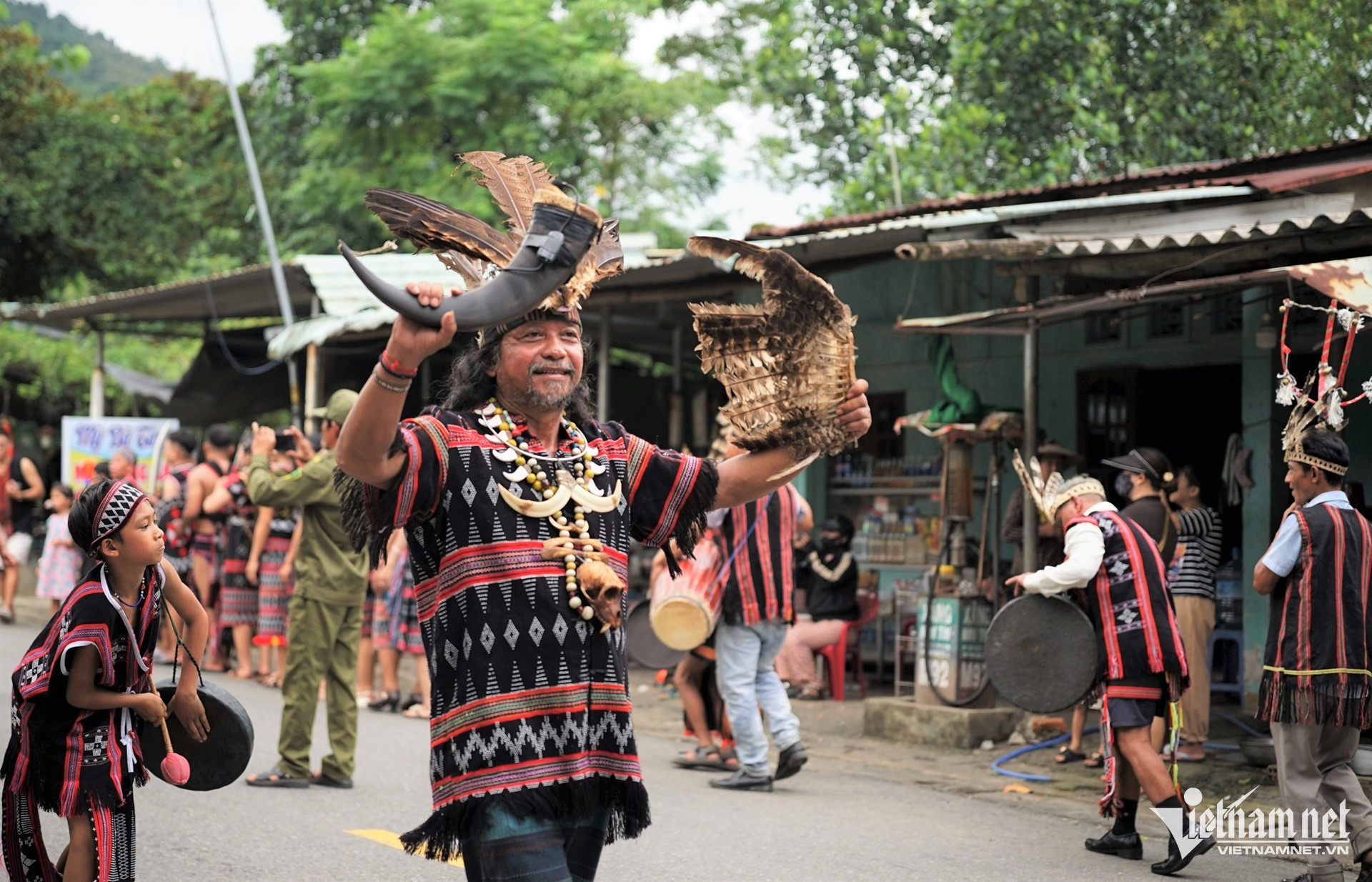
In Truong Son Village, Dong Giang Commune, Da Nang, the home of village elder A Lang Doi has long been a gathering place for people interested in learning about Co Tu culture.
Inside are gongs, Abel wind instruments, horns, flutes, wooden statues, brocade textiles and numerous objects associated with the everyday life of the Co Tu people.
Young people and students from the area also regularly visit to learn how to play gongs and other traditional instruments, dance and carve wood.
When he is in the village, Doi teaches younger generations. When he has an opportunity to leave the mountains, he takes Co Tu gong music, dances and stories to stages, festivals and tourist destinations.
Bringing Co Tu identity closer to visitors
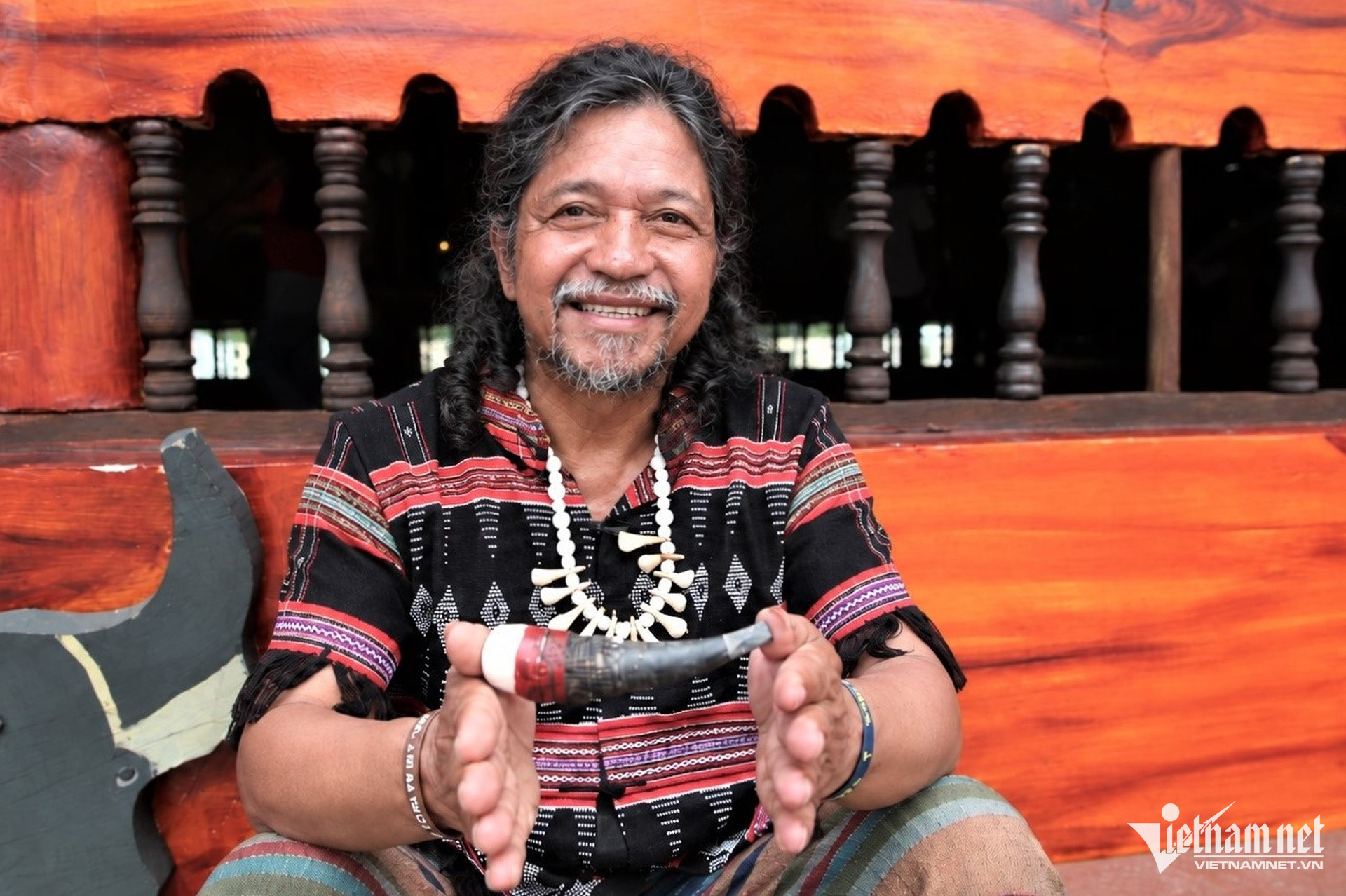
A Lang Doi, born in 1964, was born and raised in Gung Village. At the age of 15, he began learning traditional woodcarving from his uncle, village elder A Ting Neh.
Starting with simple supporting tasks, he gradually mastered carving, shaping decorative patterns on Guol houses and sculpting statues.
In his hands, pieces of wood are transformed into figures depicting aspects of Co Tu life, from everyday work to festival activities.
But woodcarving represents only part of Doi’s cultural knowledge.
He also knows how to build Guol and Moong houses, play gongs, perform numerous traditional dances and rituals, and skillfully play dozens of traditional musical instruments.
Whenever there is something he does not know or fully understand, he seeks out village elders and artisans in other Co Tu communities to learn from them.
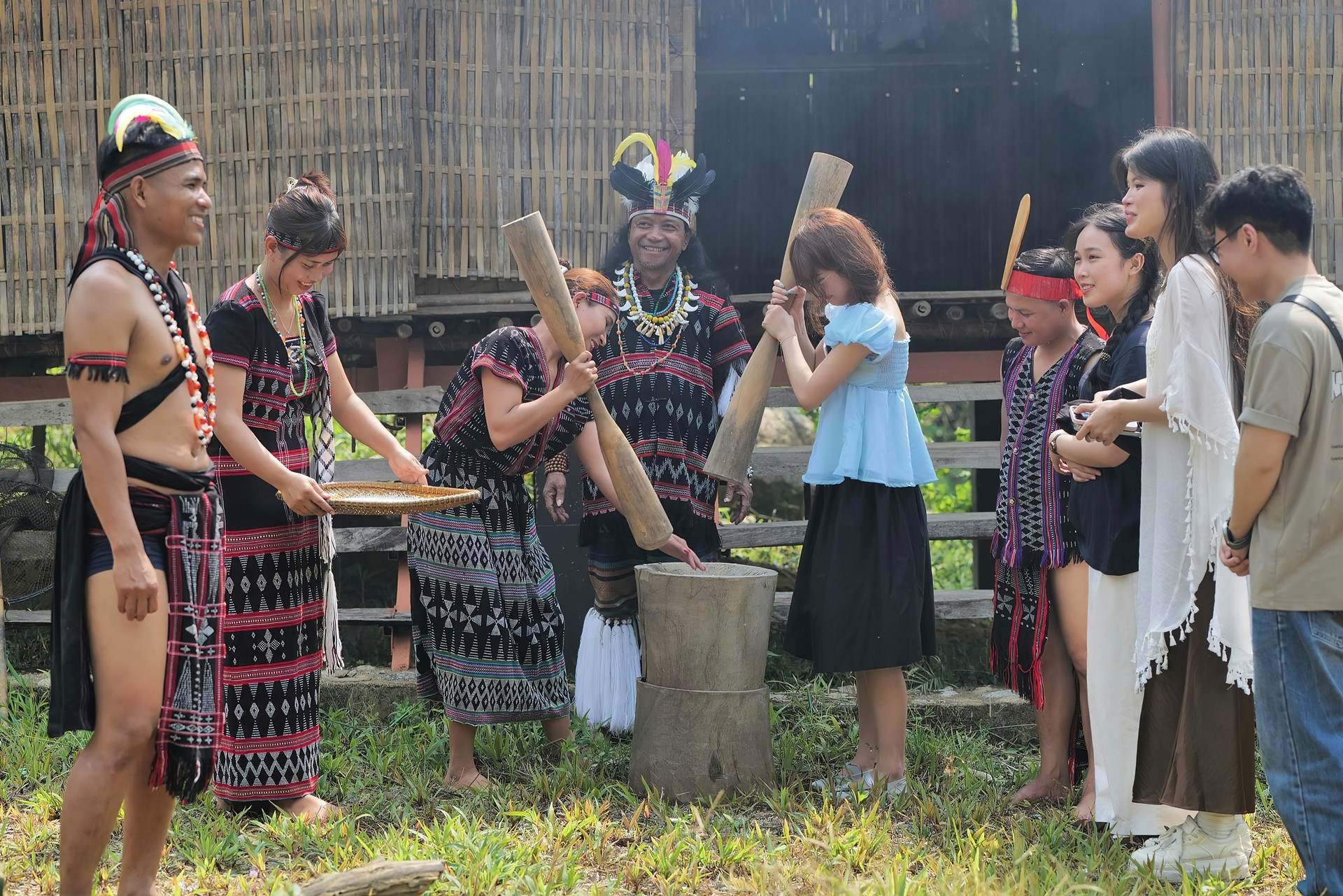
“If there is something I don't know, I have to find someone who does and learn from them. Co Tu culture has so many fascinating things, and every place has something more for me to learn,” Doi said.
Over the years, he has steadily expanded his knowledge. Whatever he learns, he looks for ways to pass on to others.
Doi frequently participates in cultural exchange programs in Da Nang, Hoi An, HCMC, Hanoi and many other localities.
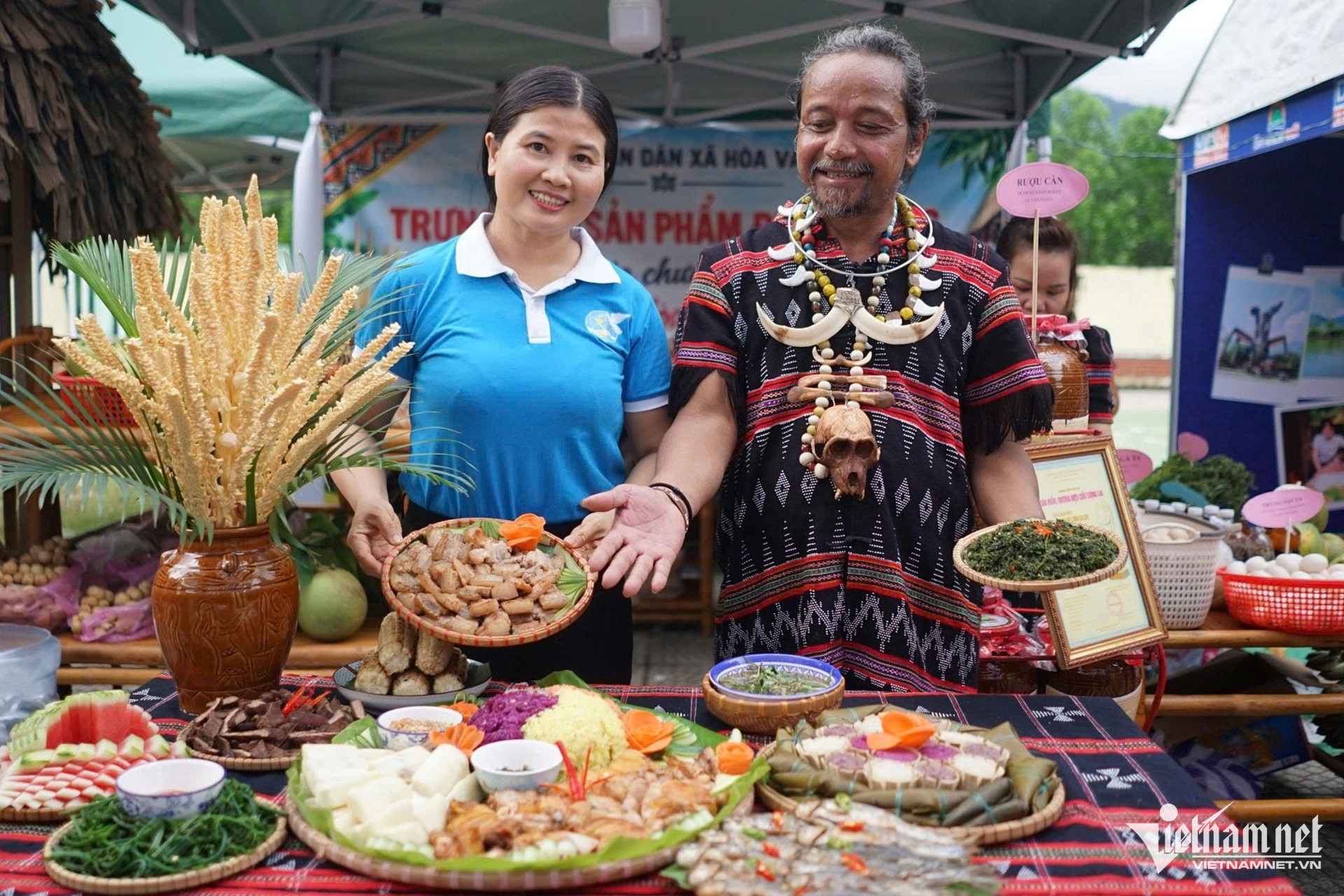
Sometimes he performs traditional instruments or reenacts rituals; at other times, he teaches young people to dance and play gongs or introduces visitors to local specialties.
In 2019, Doi and several other artisans helped create a Co Tu village cultural space at Toom Sara in Hoa Vang Commune.
Everything from the Guol and Moong houses to the carved and decorative details was created according to traditional architectural practices.
Doi subsequently continued performing and interacting with visitors at the site.
In mid-2020, he was invited to the Nguyen Hien Dinh Tuong Theater to teach performers the Tung tung Da da dance, drumming techniques and how to maintain the rhythm of gongs.
Village elder A Lang Doi introduces Co Tu dishes during a cultural exchange.
For many years, he has also participated in cultural programs at the Dong Giang Heaven's Gate ecotourism area, performing gongs, traditional instruments and dances alongside other artisans while introducing visitors to traditional Co Tu customs and ways of life.
For Doi, leaving his village to perform is not simply about putting on a show.
Through the sound of gongs, traditional dances and musical instruments or the architecture of a Guol house, he hopes people will gain a deeper understanding of Co Tu life, customs and values that have been preserved across generations.
Passing Co Tu identity to the younger generation
Back home, however, Doi devotes much of his energy to passing on what he knows to younger generations.
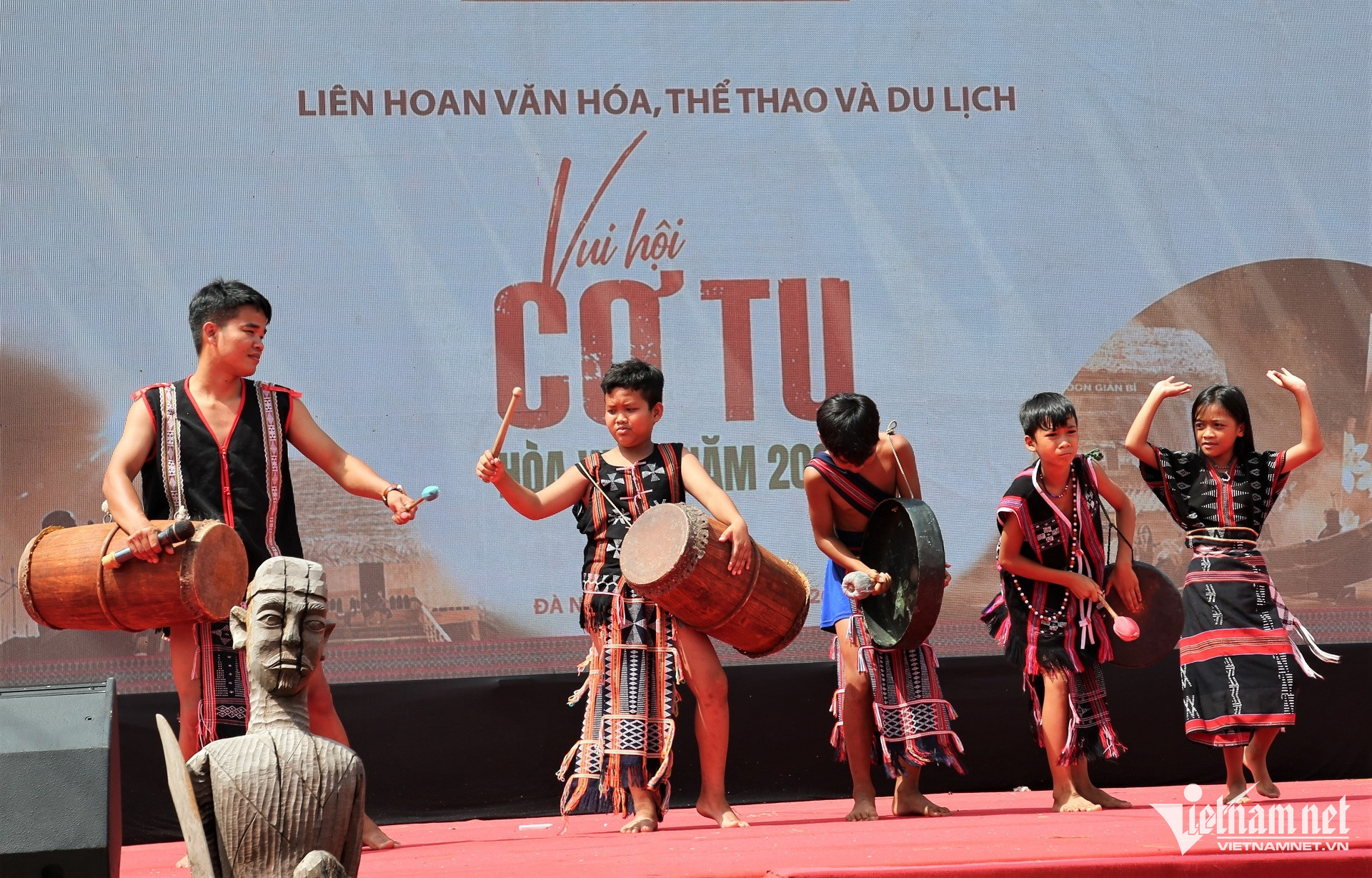
Through local practice sessions, he has established a cultural performance group that includes many children.
They learn to play gongs and other musical instruments and perform the Tung tung Da da dance, regularly taking part in festivals, cultural events and exchange programs.
A Ting Quy, a fifth grader at Prao Primary School, is one of the members of the children's gong ensemble.
“At first, I thought playing the gong was very difficult. I had to remember every rhythm and listen to the others so that we could play together,” Quy said. “Elder Doi taught us little by little. We feel happy when people watch us play the gongs and dance. I want to learn really well so that one day I can teach younger children.”
According to Doi, traditional culture can only truly be preserved when younger generations know about it, understand it and practice it themselves.
“I hope there will be more classes to teach our culture to our children and grandchildren,” he said. “Whatever we know, we should try to pass it on so that the sound of the gongs, the dances and the customs of the Co Tu people will still be here in the future.”
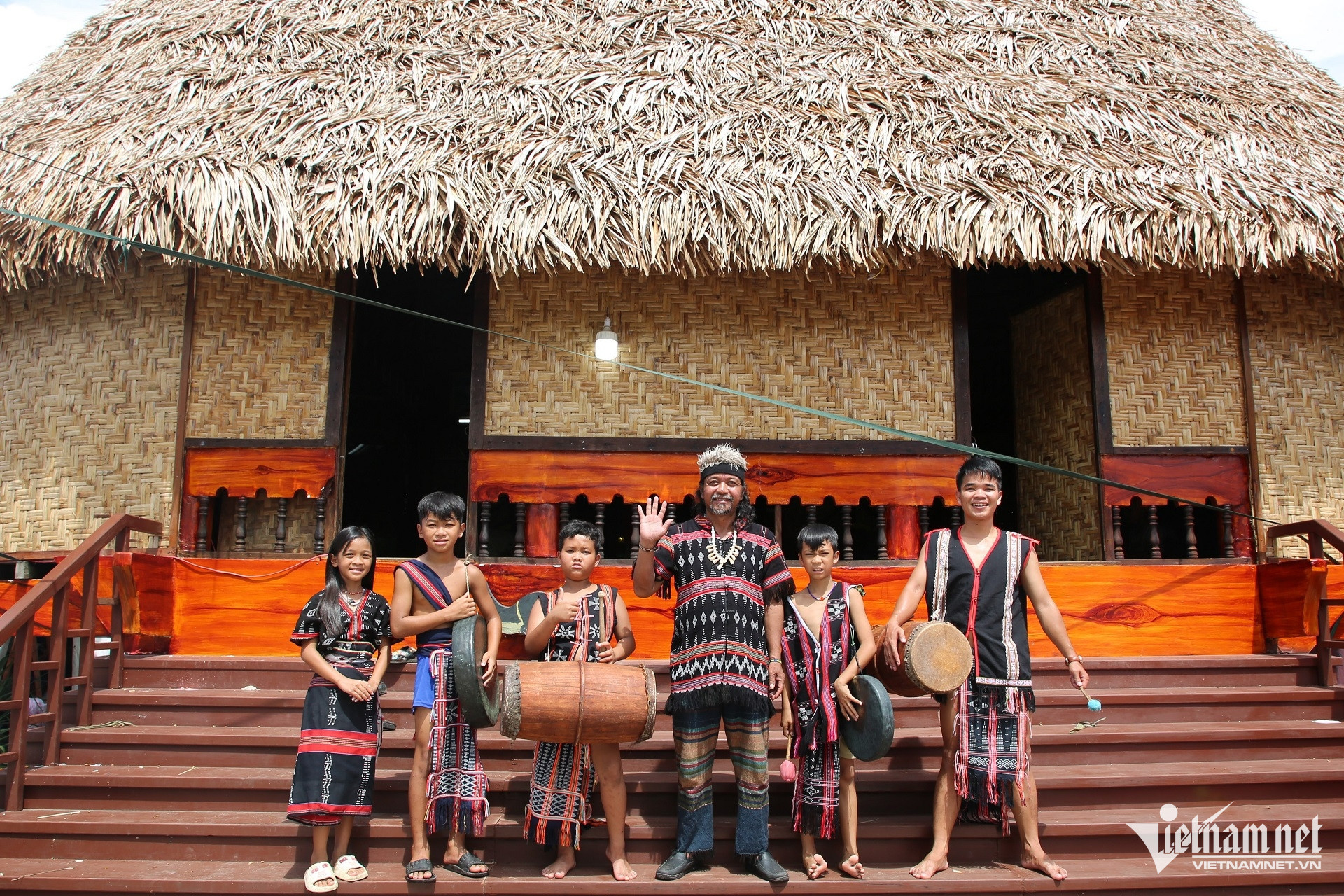
Doi's contributions to preserving, teaching and promoting Co Tu culture have been recognized by local authorities.
He was among 26 outstanding artisans who received certificates of merit from the former Dong Giang District People's Committee for their contributions to preserving and promoting ethnic cultural identity.
What earlier generations once passed down to Doi, he is now placing in the hands of children through the rhythms of gongs and traditional dances.
For him, that is how Co Tu culture can remain more than something seen on a stage or at cultural exchanges, and instead continue to live within the community itself.
Ha Nam
.svg)
