 Vietnamnet.vn

 Podcast



At 84, Hoih Plat still works patiently with strands of rattan in Azut village, Avuong border commune, in Vietnam’s Da Nang. Inside his small home, trays, carrying baskets, talet, storage boxes, bows and arrows are neatly arranged.
More than three months for a single tray
It takes Hoih Plat more than three months to finish one rattan tray. Yet he remains devoted to the basketry traditions of the Co Tu ethnic community, regarding the craft as a “treasure.”
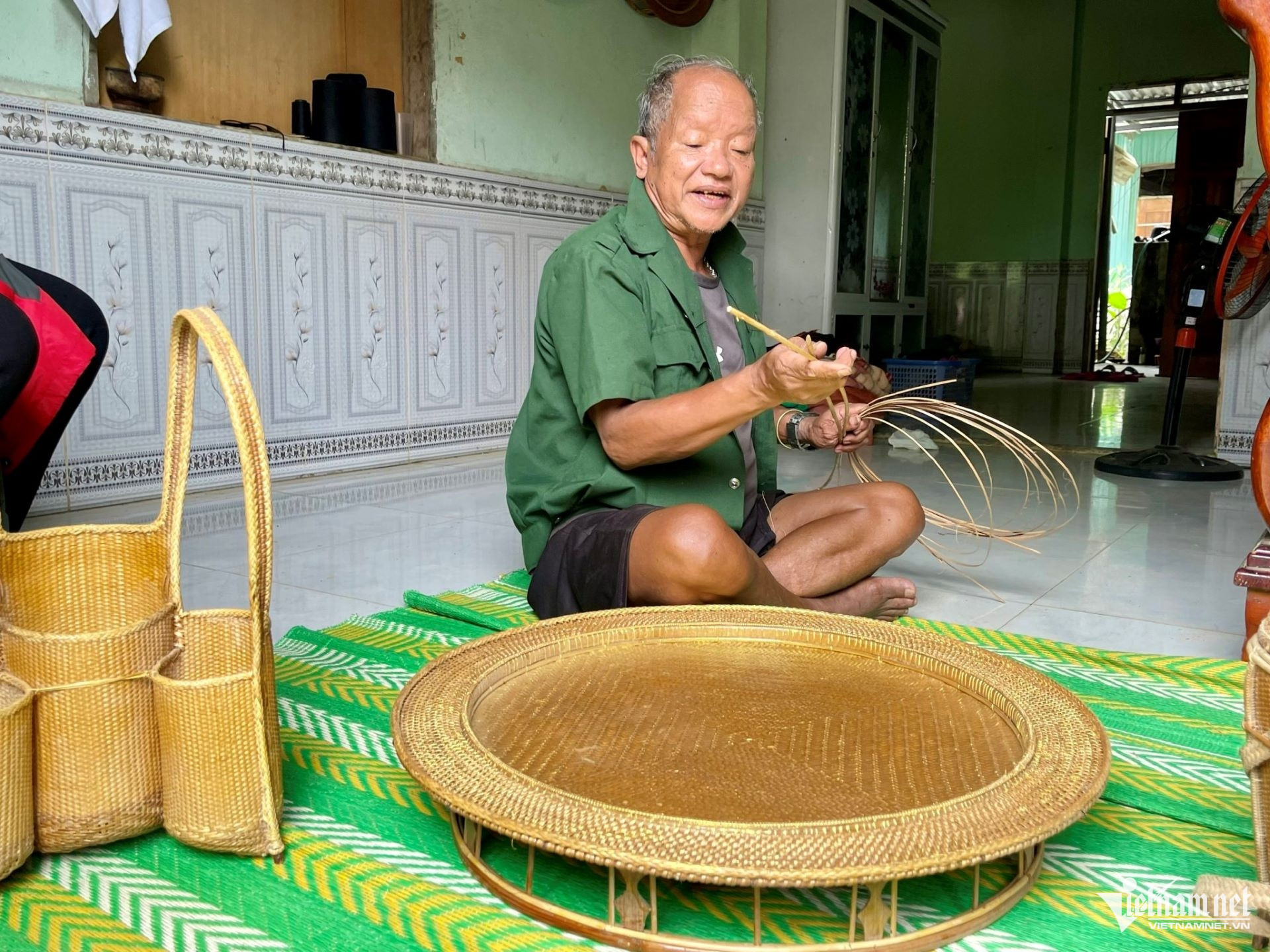
Hoih Plat patiently preserves Co Tu culture through rattan trays and other handmade objects. Photo: Huy Truong
His most striking pieces are intricately woven rattan trays. Fine strands are worked tightly together to form even lines and attractive patterns.
A tray sells for around VND 5 million, or approximately $192. Producing one involves numerous stages and months of work.
Plat began learning as a child, following the example of older family members. Selecting rattan, splitting it into strips, drawing it into fine strands, building frames, weaving and finishing gradually became familiar tasks.
By his early 20s, he could make a range of objects for his family and community.
Drawing the rattan into strands is one of the stages that demands experience, he said. Each strand must be flexible enough to bend while retaining its strength. As he builds the frame, he threads the strands through one by one, adjusting the weave to keep the lines straight, even and balanced.
“This craft takes patience. Every strand of rattan has to be prepared carefully. You cannot rush it,” Plat said.
Trays are not the only pieces that require considerable time. A large lidded box takes more than two months to complete.
A talet is smaller but has several difficult details, particularly its three compartments, which must be evenly proportioned, with a strong frame and a close weave.
“It may look small, but making a talet takes a great deal of work,” he said.
Each piece serves a particular purpose. Customers from various places now also commission his more elaborate creations to decorate restaurants, hotels and homestays, or to give as souvenirs.
The search for someone to carry on the craft
Originally familiar objects in everyday Co Tu life, Plat’s products have gradually become known beyond his community.
A tray typically costs around VND 5 million ($192). Large boxes sell for more than VND 2 million ($77), and smaller ones for over VND 1 million ($38). A talet costs about VND 2 million ($77), while handbags and pouches range from VND 500,000 ($19) to more than VND 1 million ($38).
Recently, however, his age has prevented him from going into the forest to collect rattan as he once did.
“My work now mainly involves selecting and processing the materials, then sitting down to weave. There are plenty of orders, but I work alone, so I can only accept a certain number,” he said.
What troubles Plat is not a shortage of customers, but the question of who will continue the craft. He has taught several people in the village.
Basketry, however, requires time and persistence, while earnings are not always steady. Some apprentices have moved on to other work.
Even so, he remains willing to teach anyone who wants to learn. What matters to him is that others continue to know how to choose rattan, prepare the strands, construct frames and make objects that carry the distinctive character of Co Tu culture.
Beyond their economic value, the greater worth of these objects lies in the techniques, dexterity and cultural stories preserved within them.
For Plat, a “treasure” belongs not behind glass, but in the hands of artisans and in everyday life.
Another traditional craft also endures in his home. His wife, Apac, has spent many years at the loom, weaving traditional Co Tu textiles.
While Plat works with rattan, Apac devotes her time to thread, carefully preserving traditional patterns in each piece of cloth.
“A man’s shirt costs around VND 700,000 ($27), and a woman’s outfit more than VND 1 million ($38). But I mainly make things for our family to use or to give to our children and grandchildren. We are keeping our craft and the beauty of our community alive,” she said.
Luu Van Khuong, vice chairman of the Avuong Commune People’s Committee, said preserving Co Tu culture must involve those who actively practice its traditions and safeguard its values. Artisans play an important role in sustaining crafts and teaching younger generations.
“The local authorities also encourage artisans to pass on their skills and help traditional handicrafts reach the market. When the craft generates income, people have more reason to stay with it,” Khuong said.
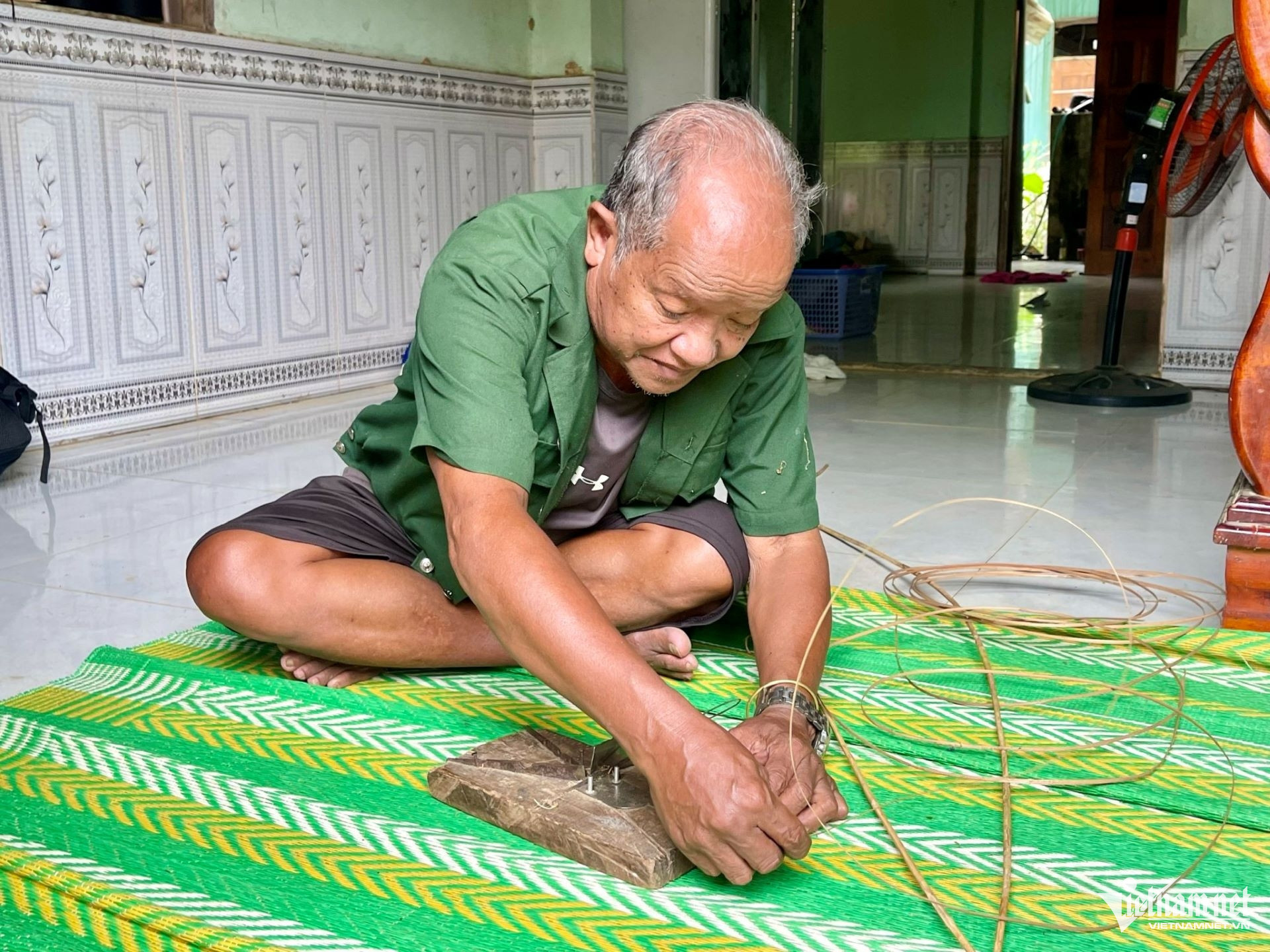
Hoih Plat began learning basketry as a child and had mastered the stages of production by around the age of 20. Photo: Huy Truong
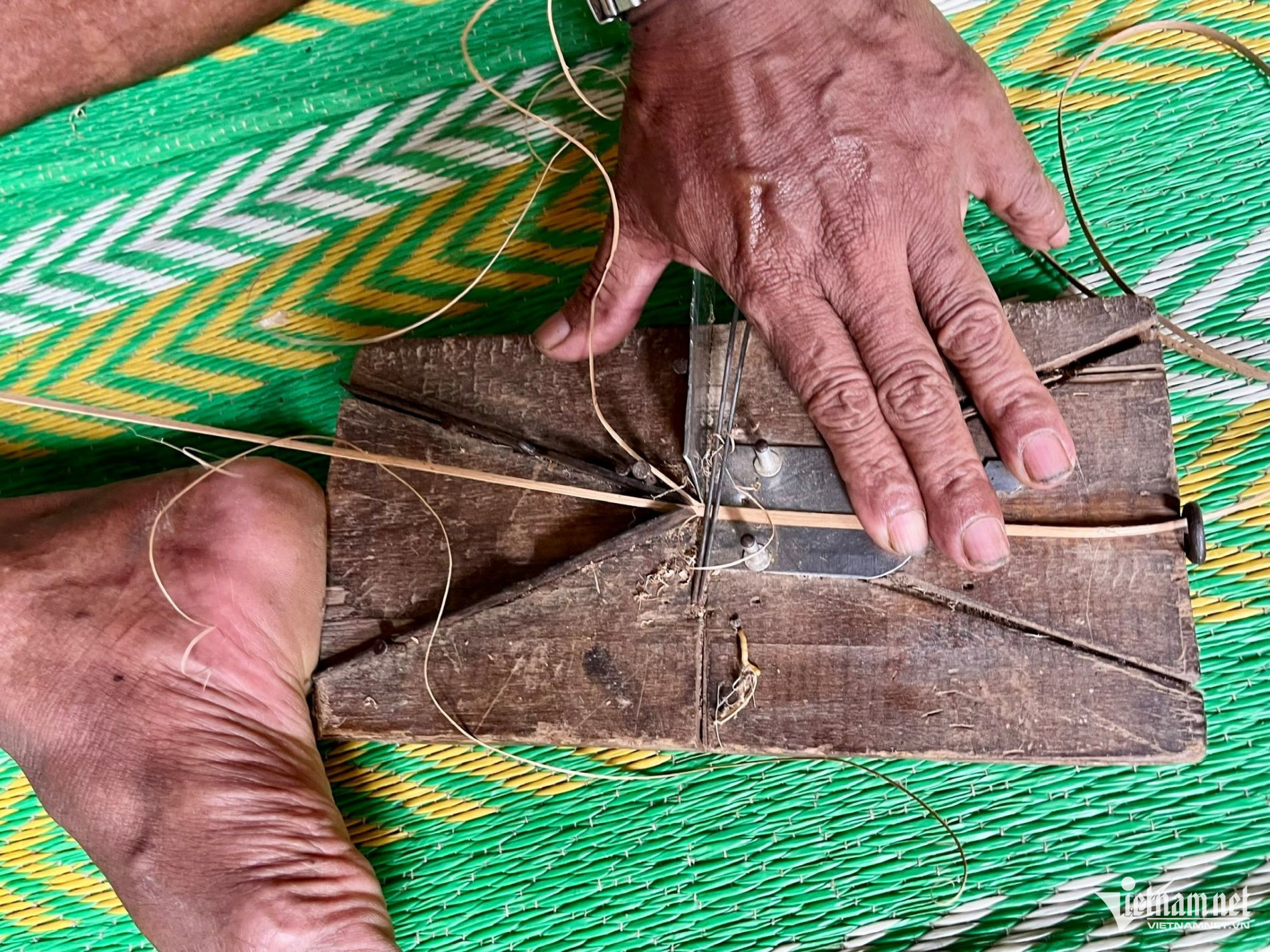
Creating these distinctive handmade objects requires attention to detail at every stage. Photo: Huy Truong
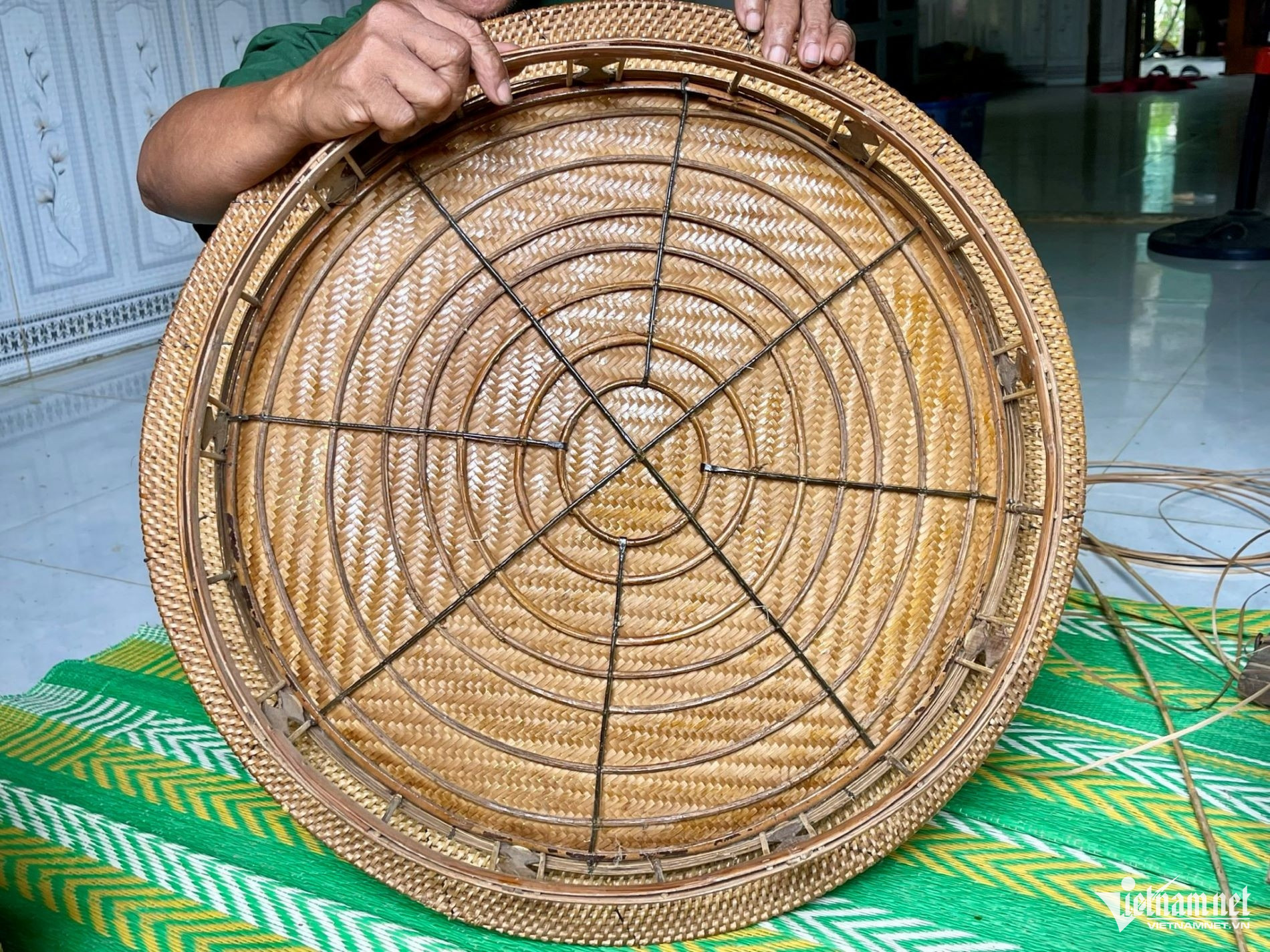
A meticulously crafted tray priced at VND 5 million, approximately $192. Photo: Huy Truong
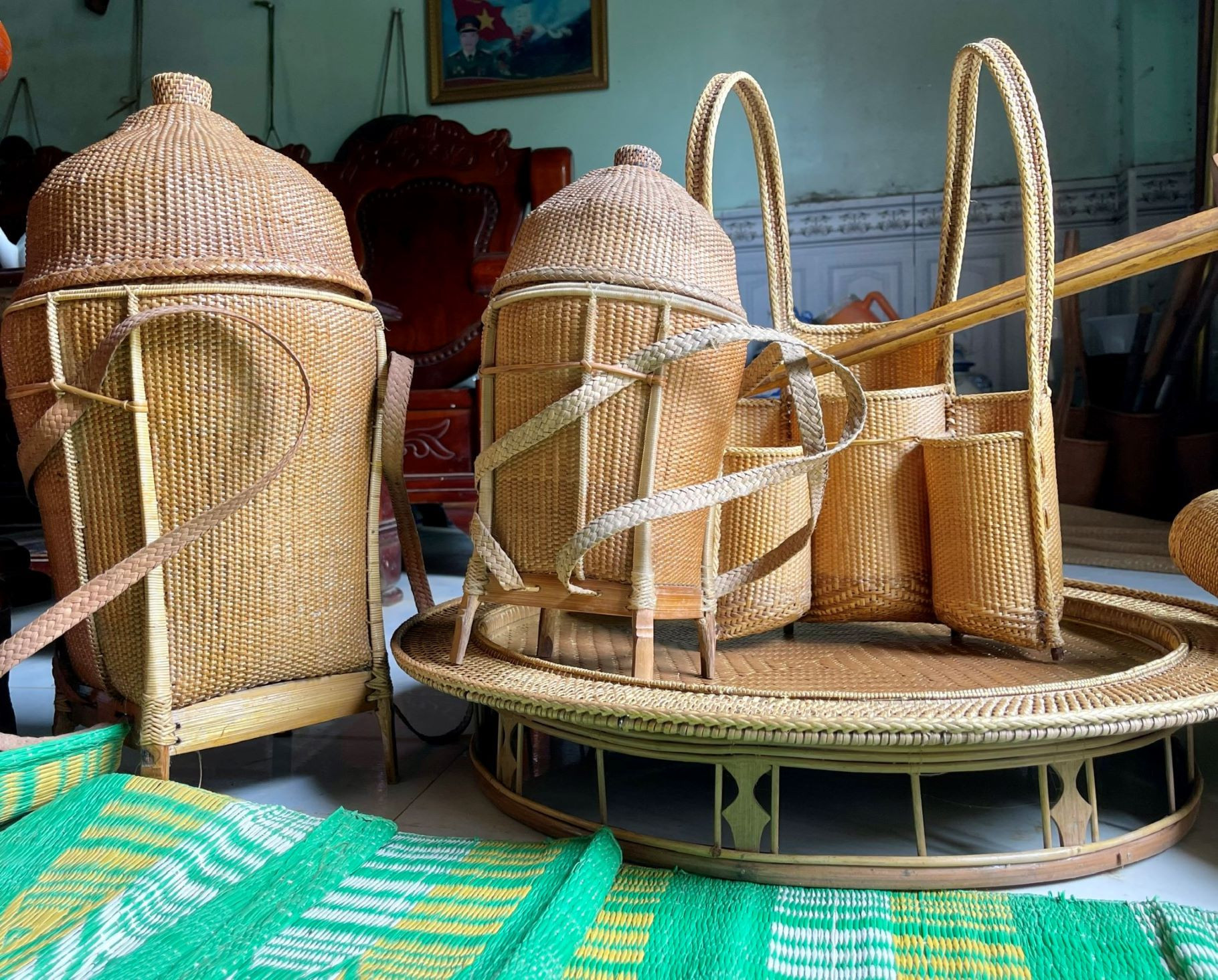
Storage boxes and talet take between one and more than three months to complete. Photo: Huy Truong
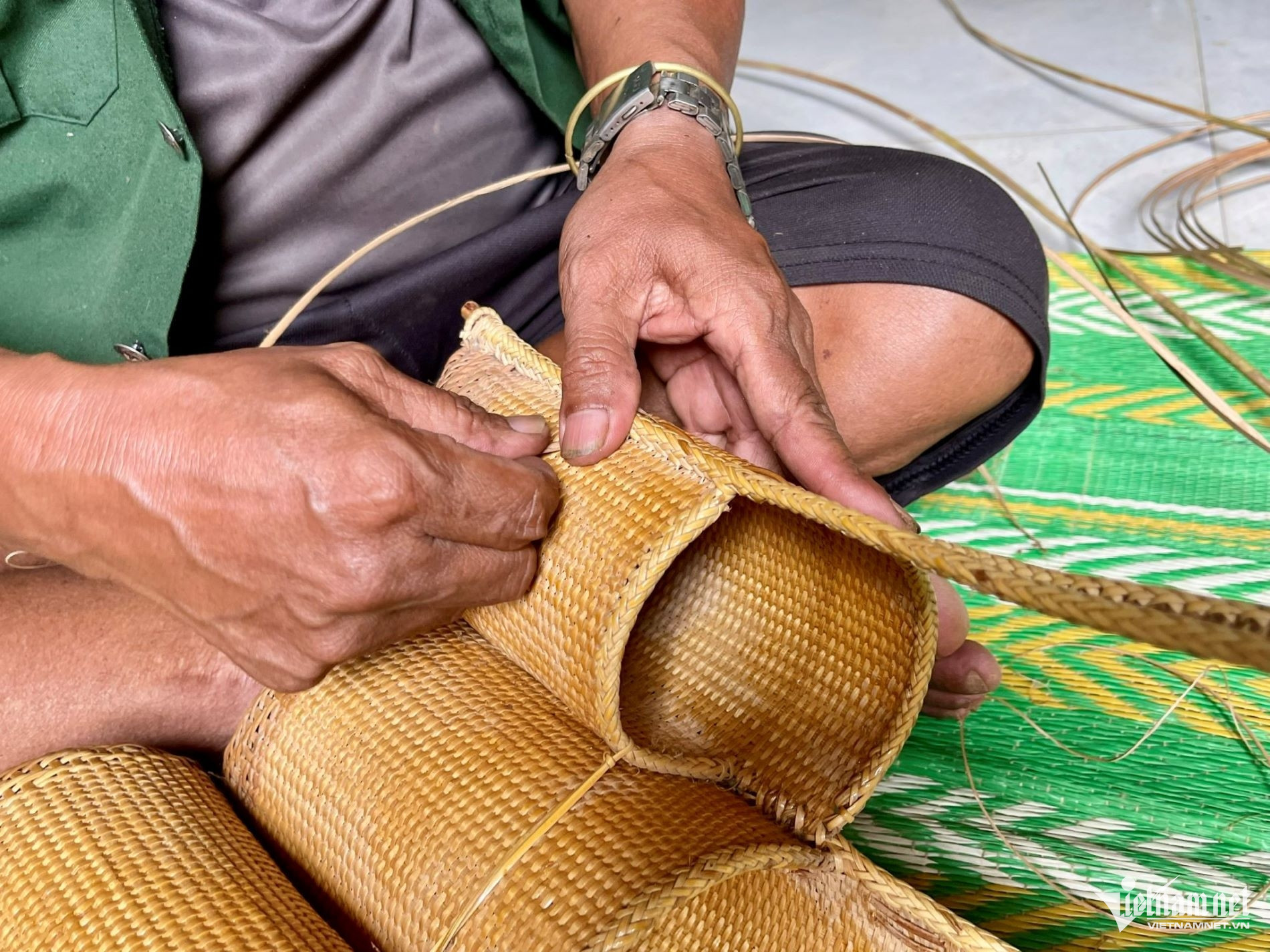
Over more than 30 years practicing the craft, Hoih Plat has made dozens of pieces that have brought him a good income. Photo: Huy Truong
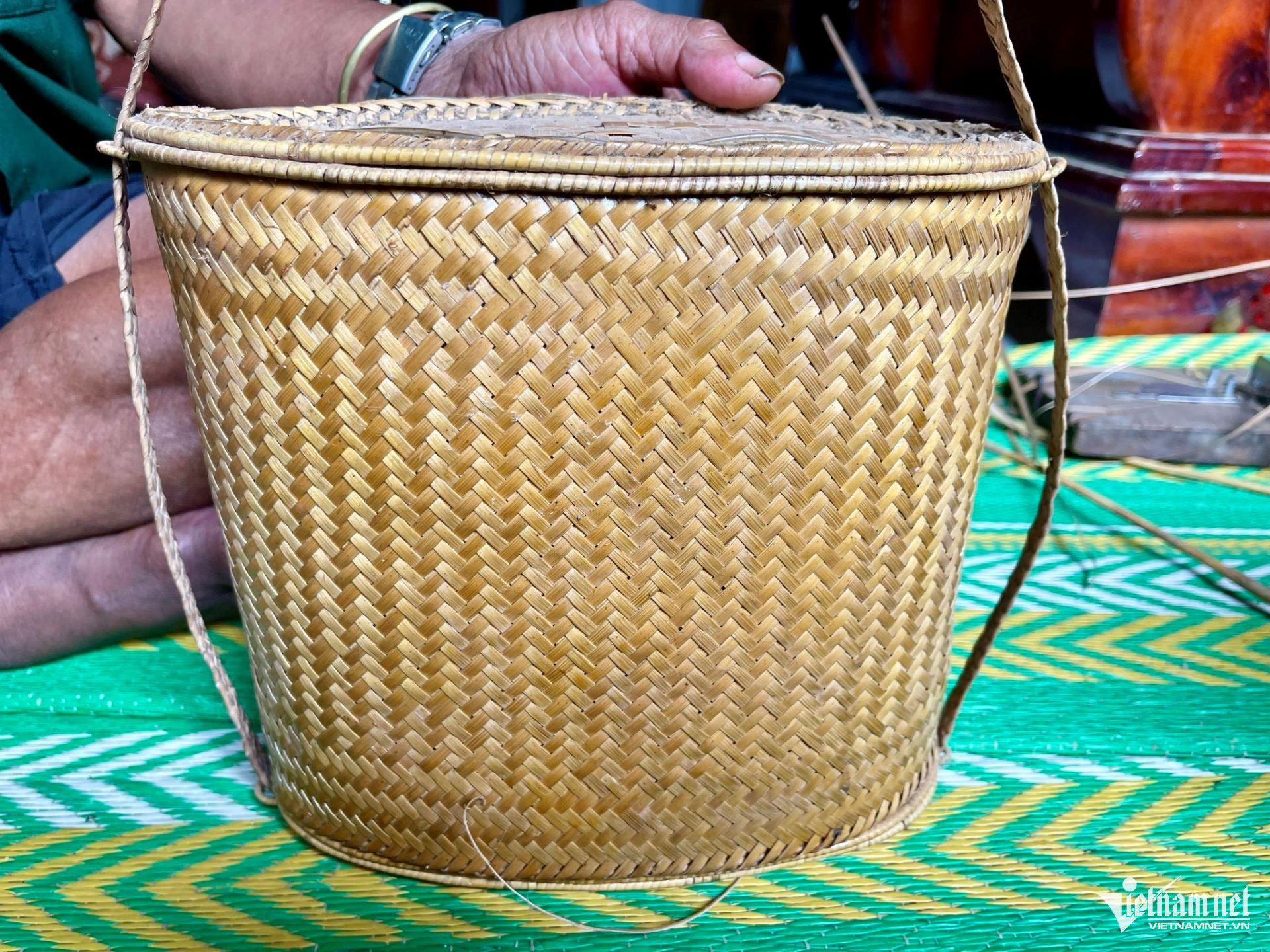
A completed piece ready to be delivered to a customer. Photo: Huy Truong
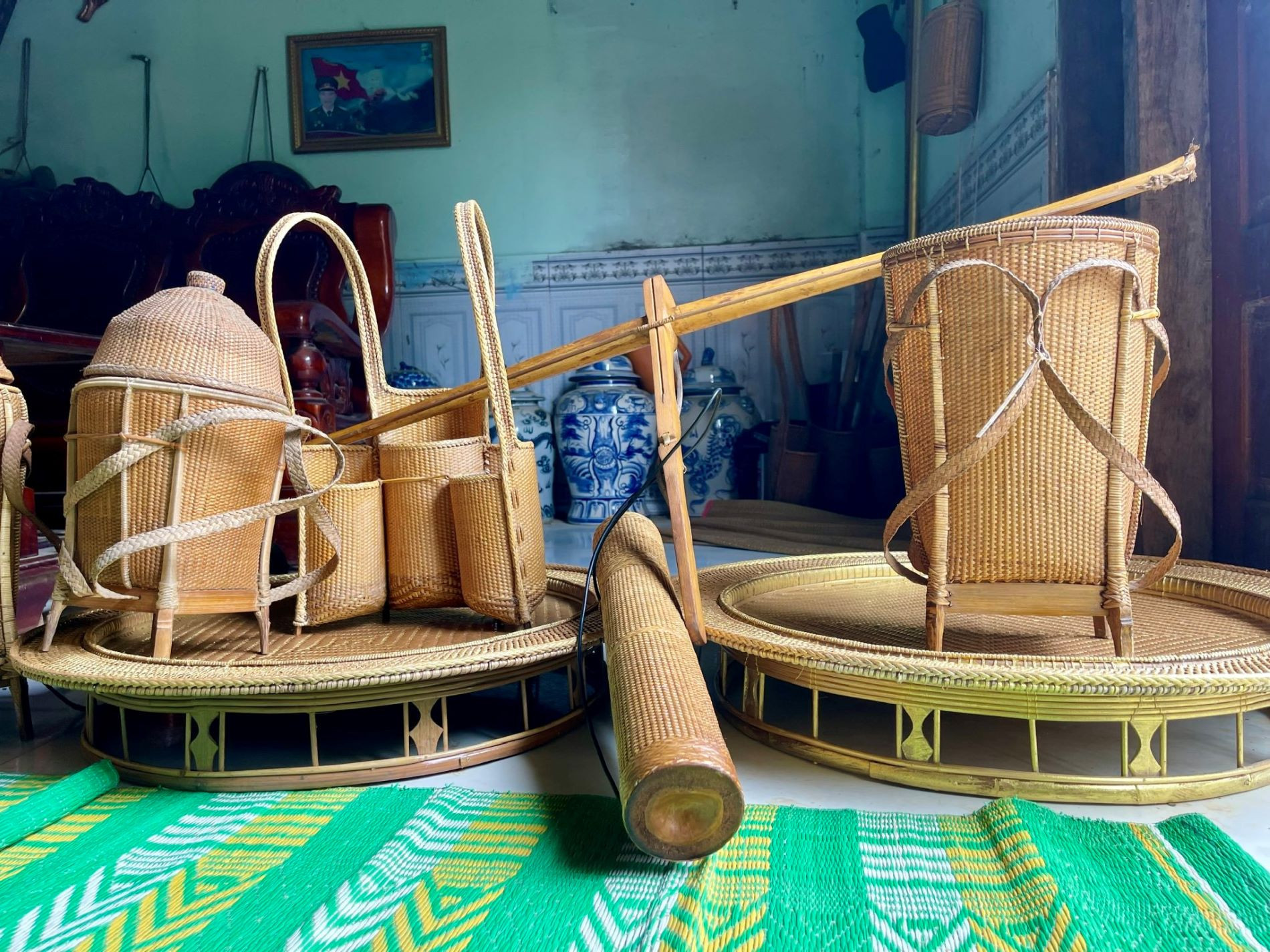
Alongside commissioned pieces, Hoih Plat makes objects he enjoys, including cases for bows and arrows to display at home. Photo: Huy Truong
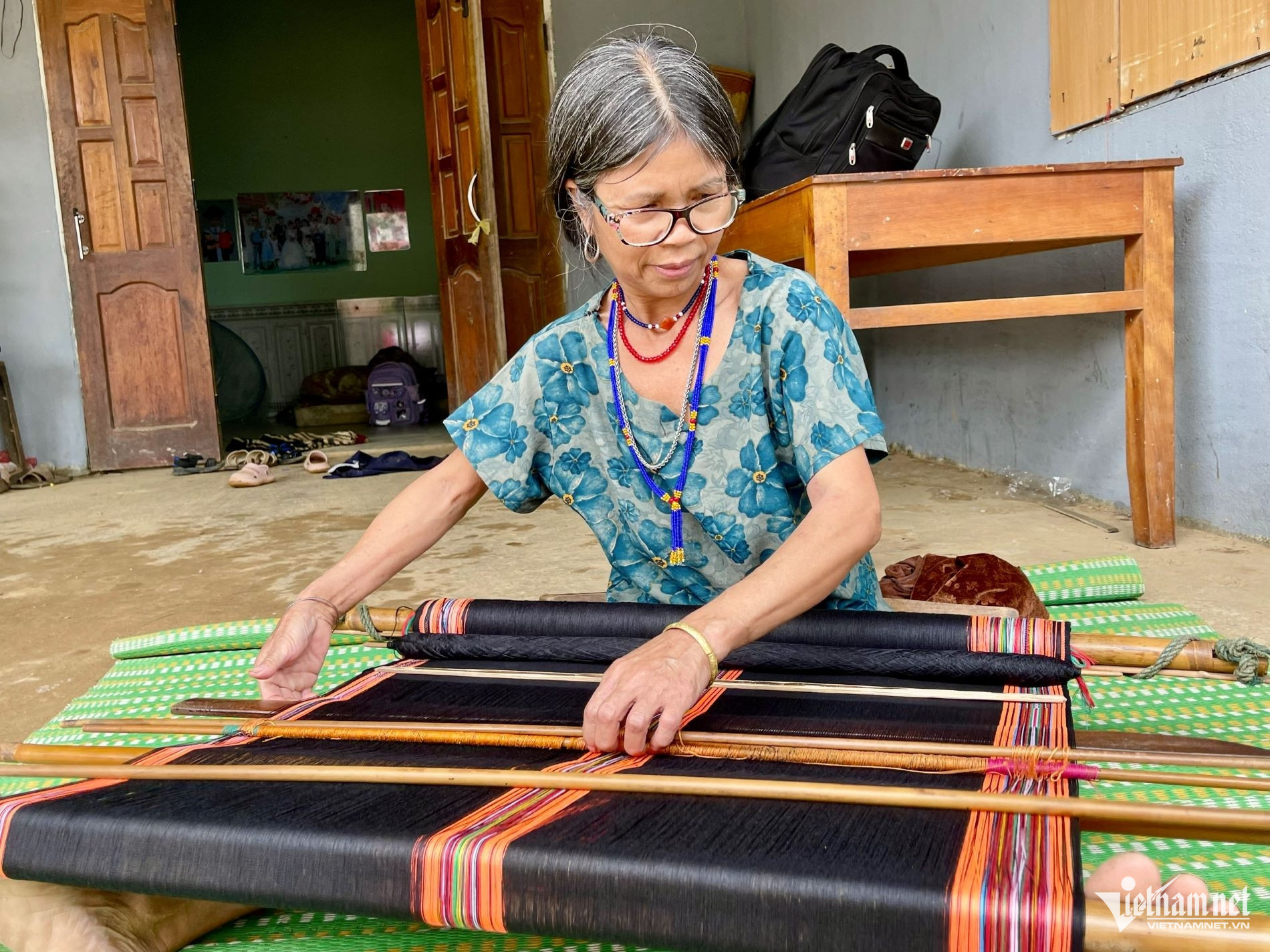
Apac has sustained the traditional textile weaving of the Co Tu community for decades. Photo: Huy Truong
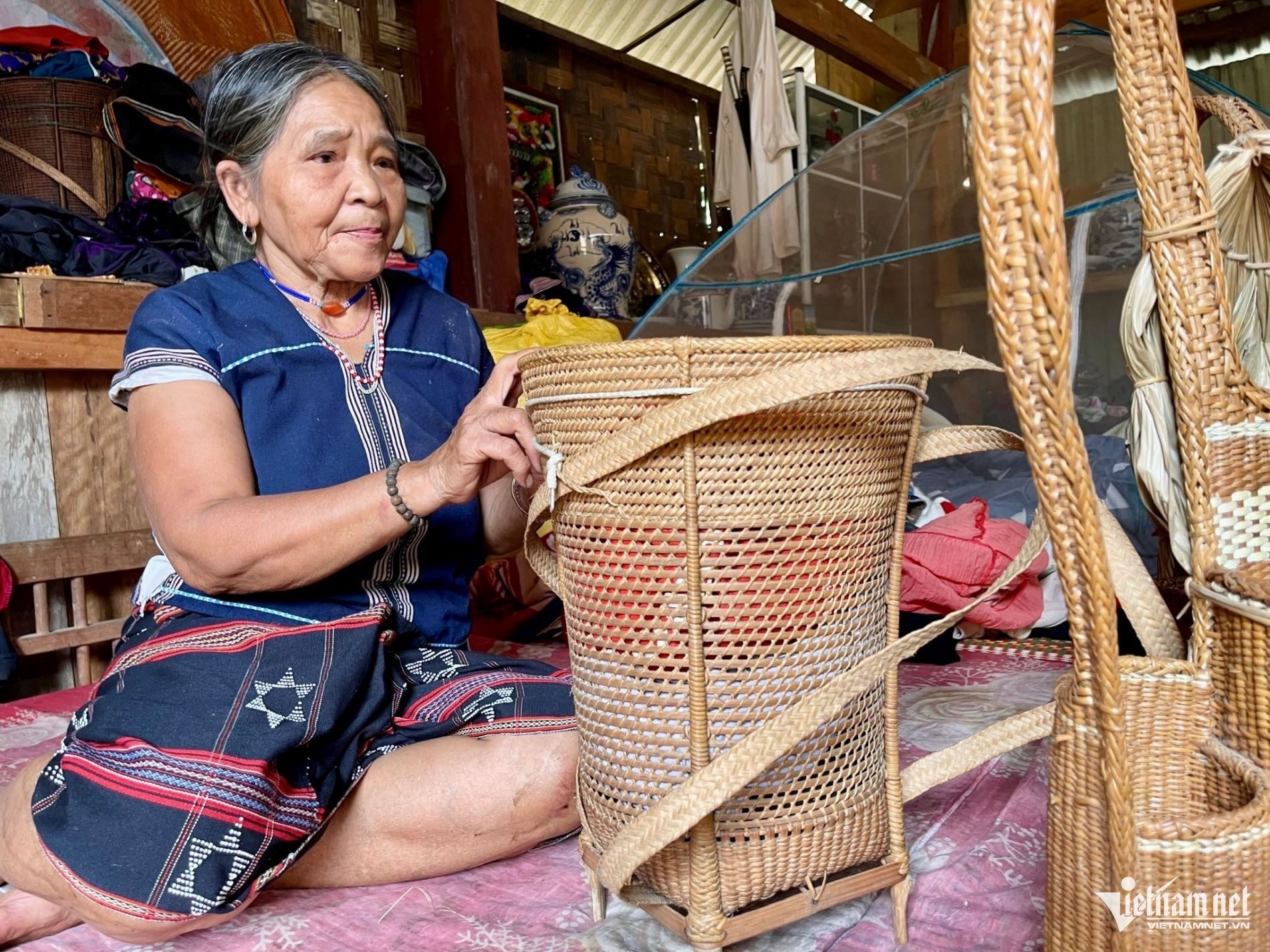
Woven objects used in everyday Co Tu life. Photo: Huy Truong
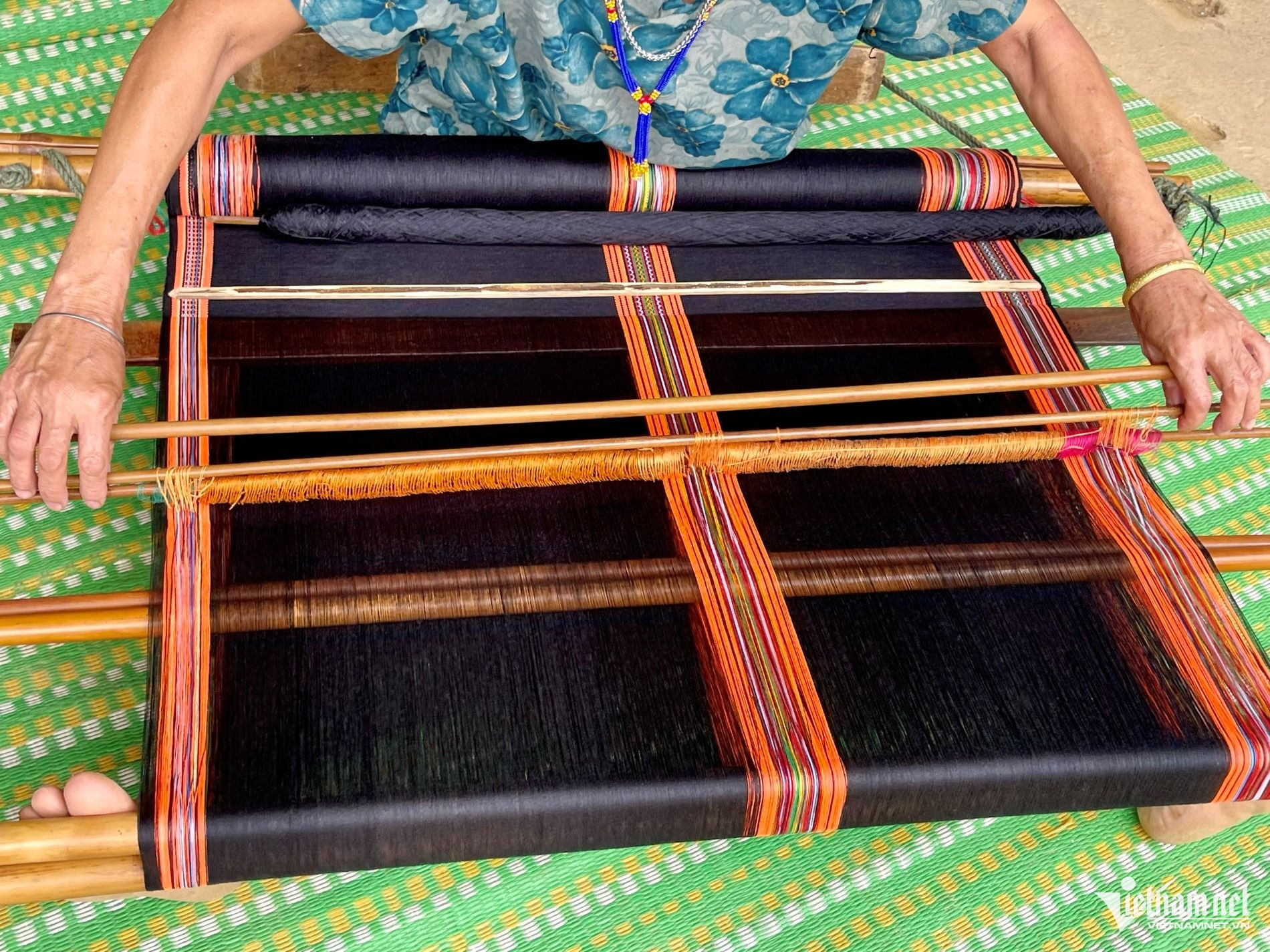
Each handmade piece provides not only a livelihood but also a way to preserve the cultural beauty of the Co Tu community. Photo: Huy Truong
Huy Truong
.svg)
