 Vietnamnet.vn

 Podcast



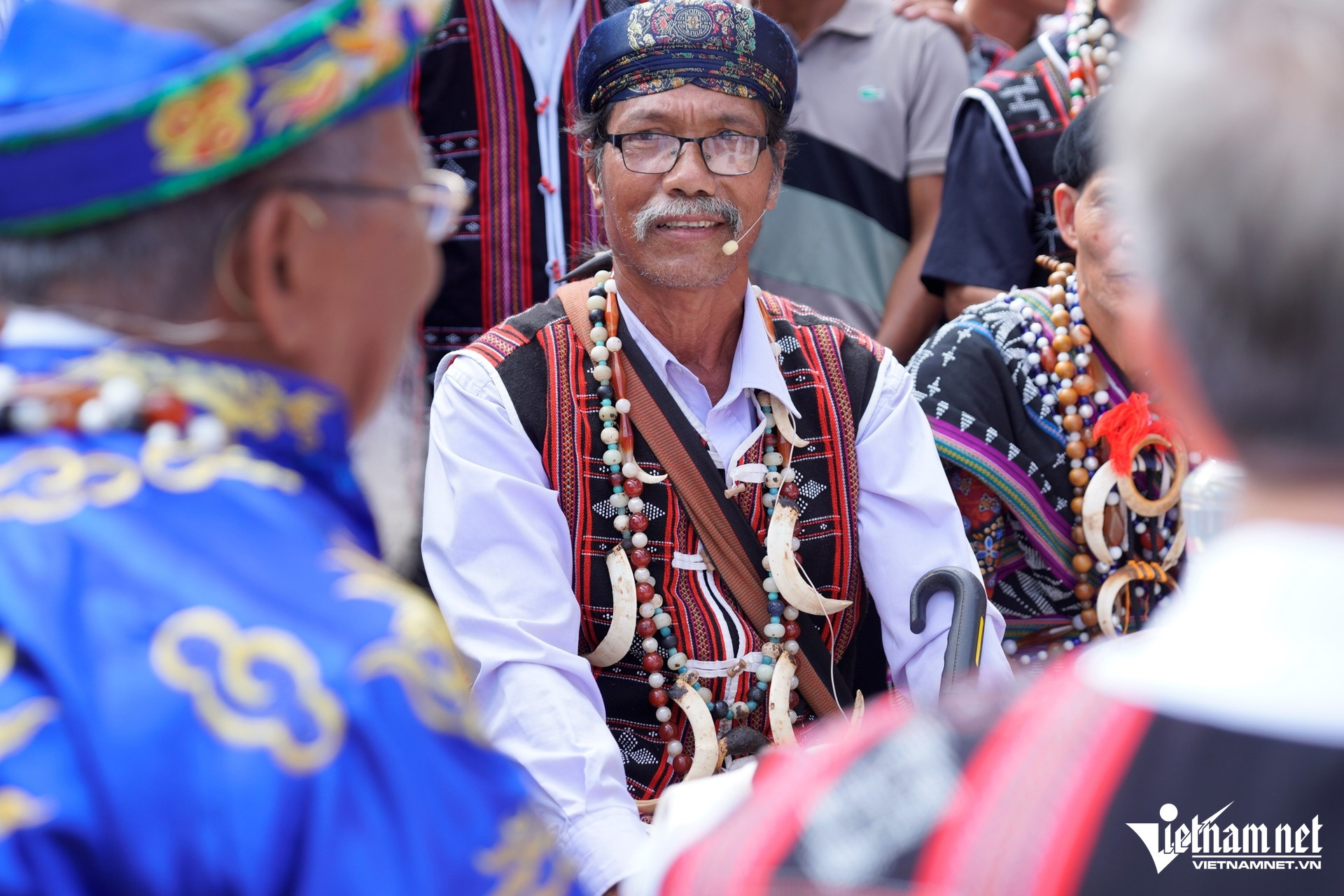
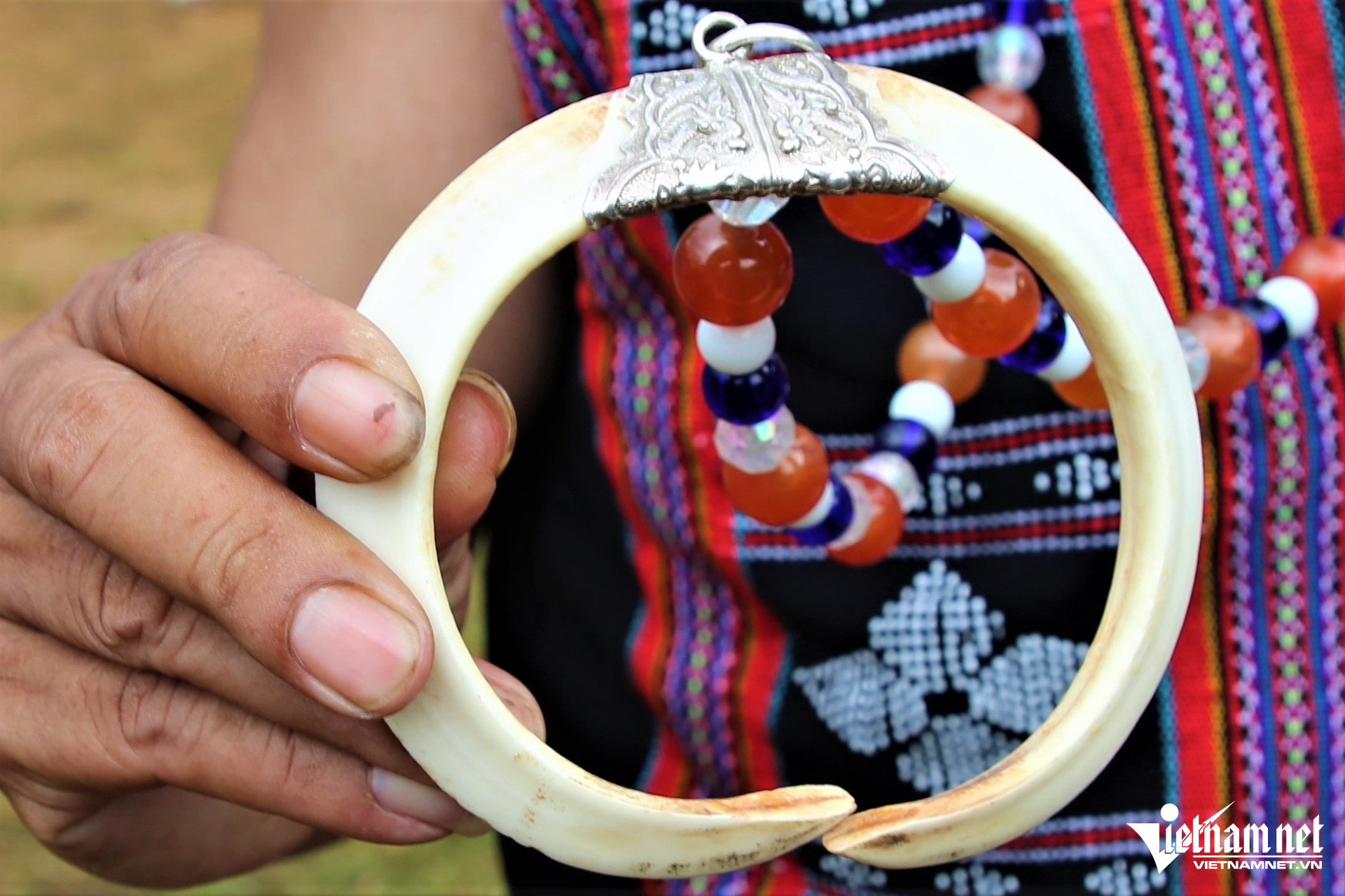
Ivory-white boar tusks, dramatically curved and strung with colorful beads, form one of the Co Tu people’s most distinctive traditional ornaments. In the past, they were more than decoration, symbolizing a man’s strength, wealth and standing in the community.
Jewelry that reflected prestige and status
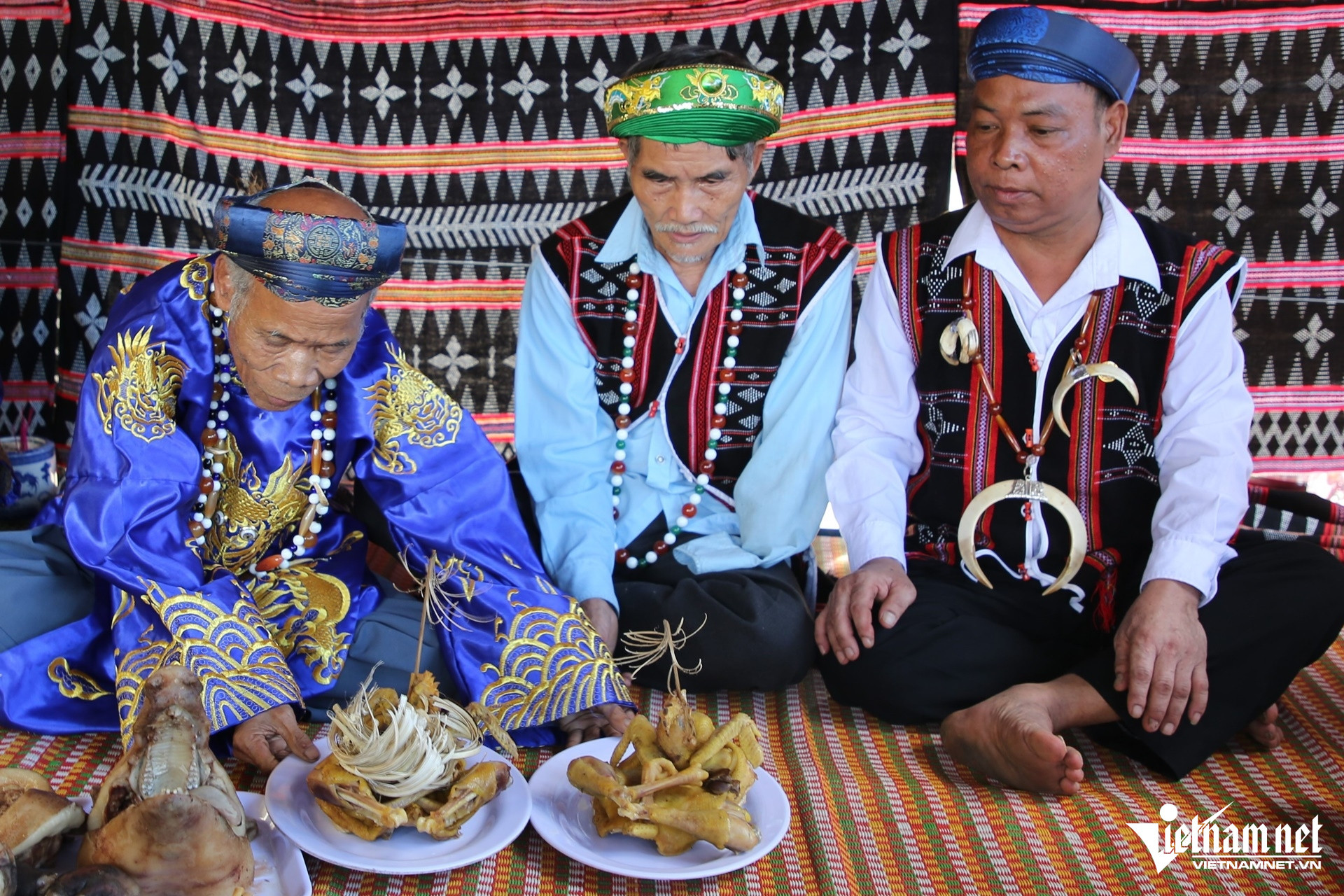
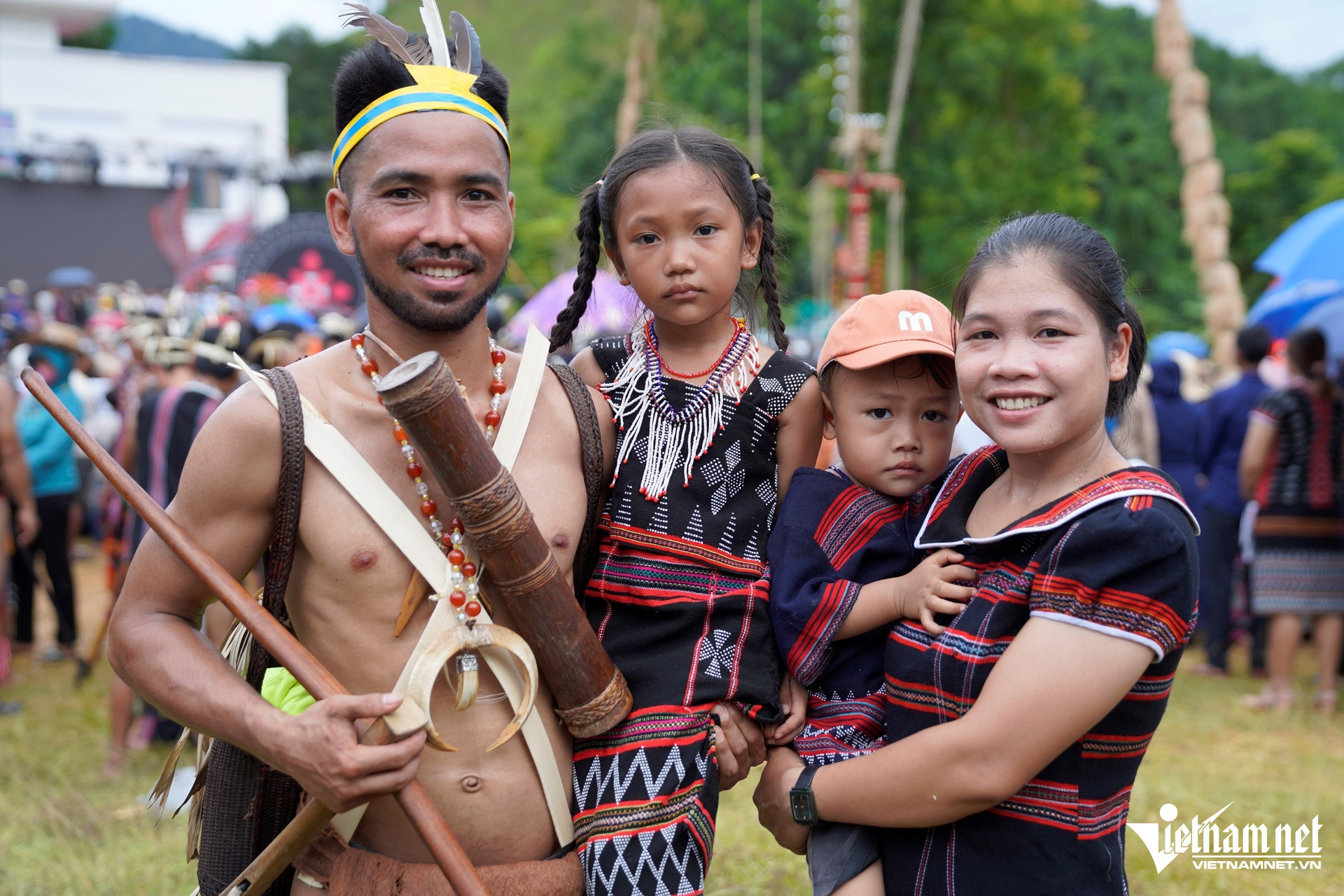
During festivals deep in the Truong Son Mountains, home to Co Tu communities in Da Nang, men traditionally wear brocade loincloths, feathered headwear and an array of distinctive ornaments.
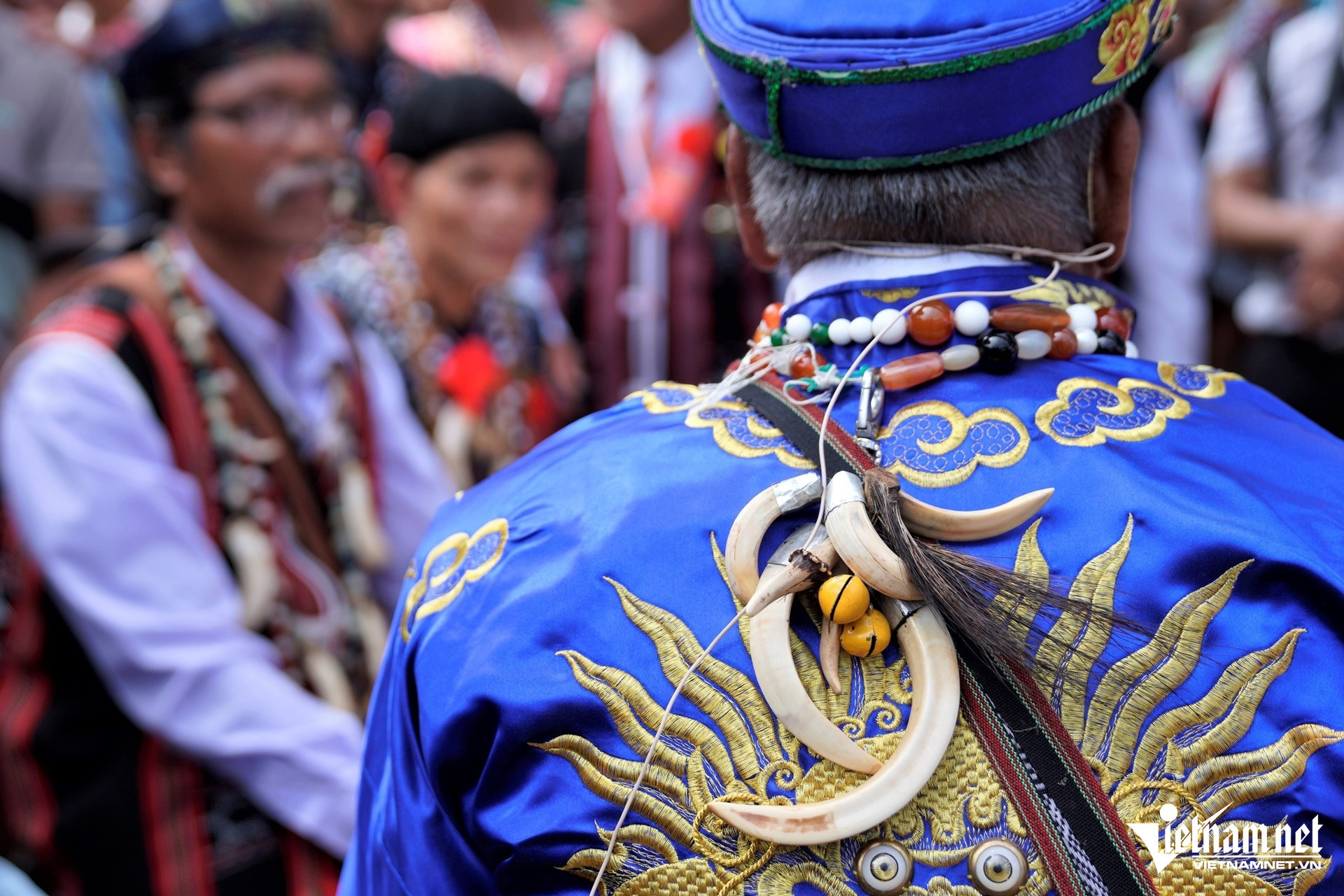
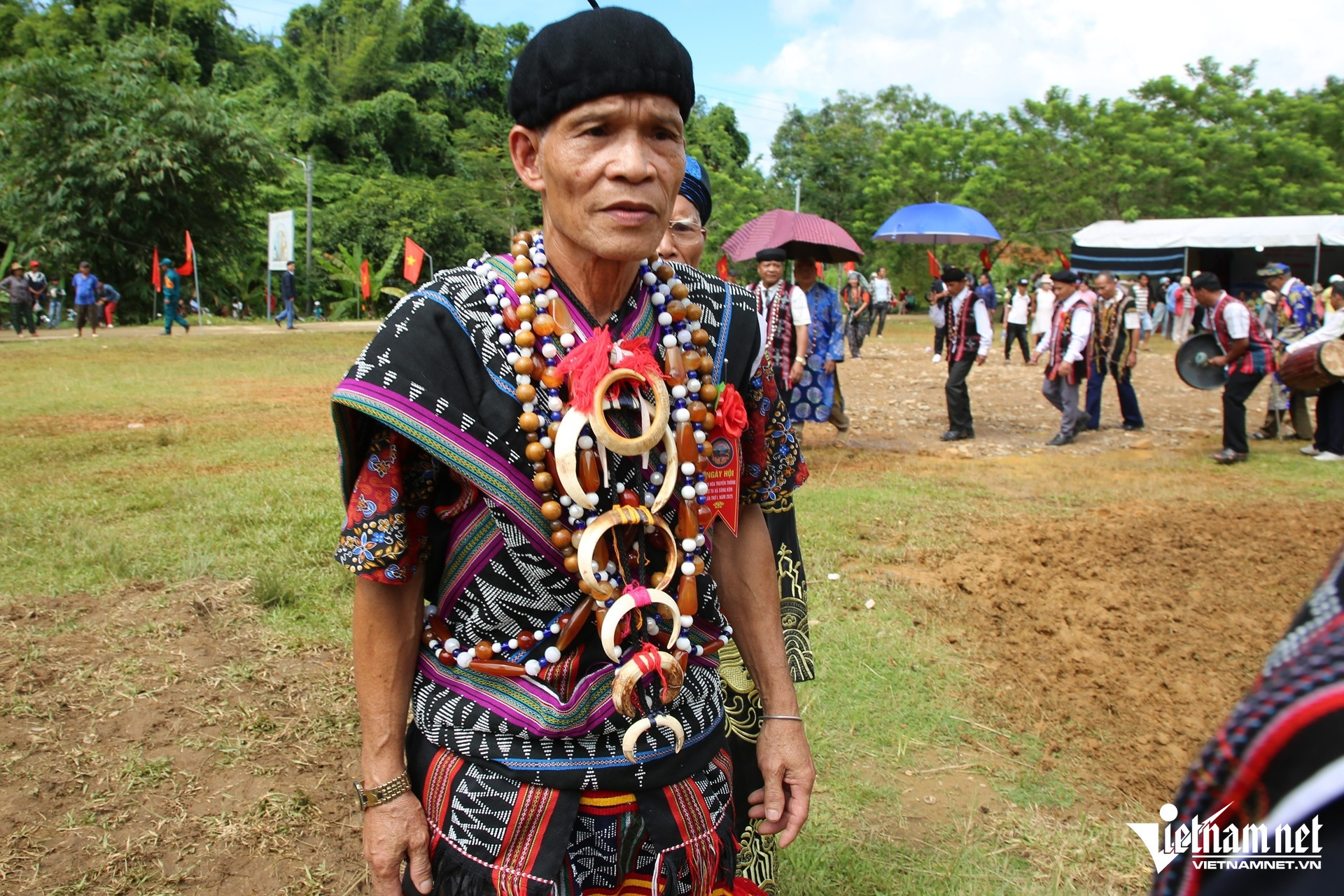
Among the most striking are necklaces decorated with animal tusks. Their ivory-white curves, with pointed ends facing outward, create a powerful visual accent against traditional clothing.
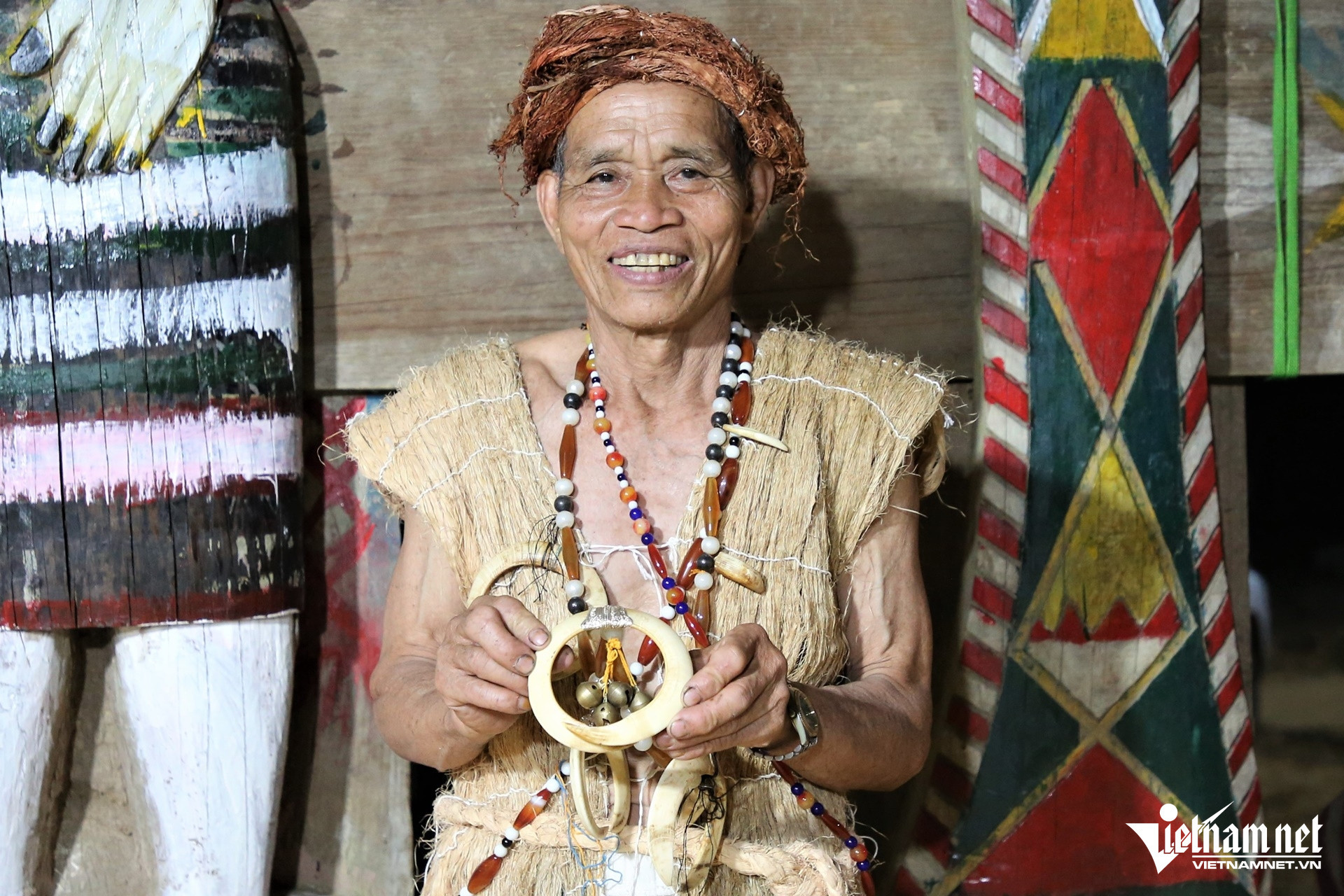
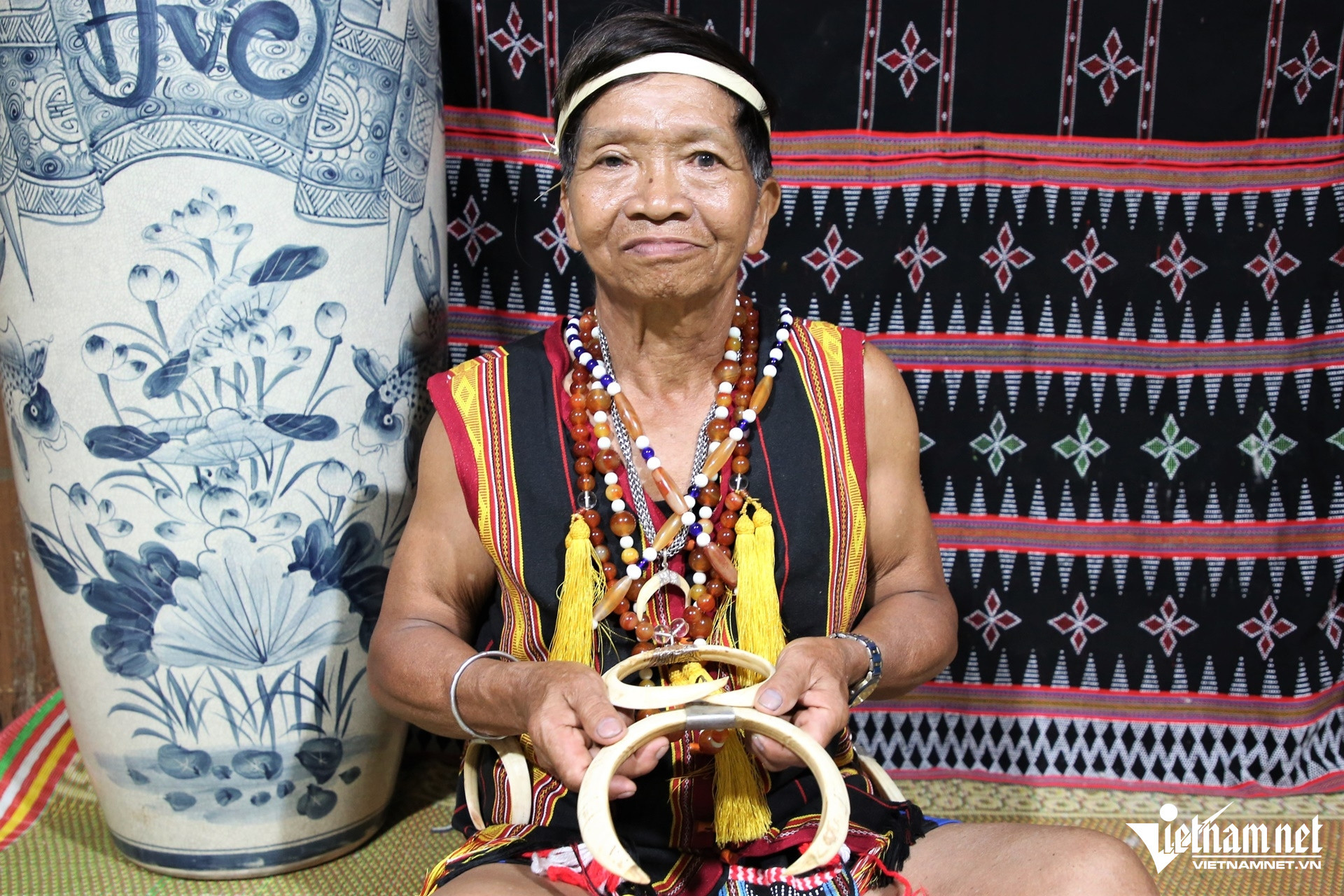
Village elder C’Lau Blao, 83, from Voong Village in Hung Son Commune, said traditional Co Tu jewelry is made from a variety of materials, including beads, agate, shells, feathers, tusks, claws and animal horns.
Boar tusks are among the most distinctive, traditionally worn by men as the centerpiece of necklaces draped across the chest.
“A Co Tu man’s necklace can feature many boar tusks. The number varies depending on the wearer’s prestige and position in the village. In some places, boar tusks are also combined with animal claws or horns,” Blao said.
According to the elder, elaborate necklaces adorned with numerous prized tusks were typically worn by village elders, clan leaders and other respected members of the community. They were often people with deep knowledge of customs, skilled in traditional forms of reasoning and singing, and trusted to mediate disputes and handle communal affairs.
Whenever he takes part in festivals or cultural performances, Blao still wears his tusks with traditional clothing made from forest tree bark.
“Boar tusks not only give Co Tu men’s jewelry its distinctive character, but also carry spiritual significance,” he said.
Years of painstaking care for a perfect tusk
Village elder C’Lau Nhim, 78, from Gung Village in Dong Giang Commune, said Co Tu men traditionally took part in hunting expeditions. Whenever a wild boar was caught, long and beautifully curved tusks would often be preserved as ornaments.
The older the boar, the longer its tusks, and the more highly they were valued. The tusks were strung together with beads, stones or agate and worn hanging across the chest.
“For Co Tu men in the past, possessing a beautiful wild boar tusk meant more than owning a valuable ornament. It was also a reminder of a successful hunt, knowledge of the forest and the hunter’s courage,” Nhim said.
Beyond wild boar tusks, the Co Tu also developed an elaborate method of raising domestic pigs specifically to produce long, ivory-white tusks with striking curves.
Village elder C’Lau Bho, 75, from Hung Son Commune, said producing an ideal pair required choosing a suitable pig and raising it for many years. As the animal grew, its upper teeth were treated to prevent them from rubbing against the two lower tusks, leaving enough space for the tusks to continue growing.
The owner also had to carefully monitor their development. A small hole would be made near the tip so that, over time, the tusk gradually curved.
After around eight to 10 years, a tusk could reach about 10-15 centimeters in length, with a smooth, glossy ivory surface. Some curved almost into a complete circle, while exceptional examples could form multiple coils.
Removing the tusks also required considerable care. A single chip, crack or break could mean that years of effort failed to produce the desired ornament.
“Long tusks with curves like these are extremely rare and considered precious by the Co Tu,” Bho said.
Because they took so many years to produce, particularly beautiful tusks once carried considerable value. Exceptional examples could be exchanged for the equivalent of several buffaloes, while families that raised pigs with impressive tusks were also held in high regard by the community.
Boar tusks were not limited to necklaces. When the tradition of men wearing their hair long and tied into a bun at the back of the head was still common, Co Tu men also inserted curved tusks into their hair alongside combs, sharpened bamboo sticks or porcupine quills.
In folk beliefs, some people also regarded boar tusks as a kind of protective talisman, carrying hopes for good health, peace and protection from misfortune.
Today, hunting wild animals for tusks to make jewelry is no longer practiced, while very few families are willing to spend nearly a decade raising a pig solely to produce a beautiful set of tusks.
As a result, old tusks passed down within families or preserved by village elders and artisans have become increasingly special.
At festivals today, when Co Tu elders put on traditional clothing and wear beaded necklaces adorned with tusks across their chests, the ornaments evoke not only a distinctive tradition of personal adornment, but also an older story of strength, wealth and prestige among Co Tu men.
Ha Nam
.svg)
