 Vietnamnet.vn

 Podcast



In early September, Dinh Thi Thu Thanh was busy preparing traditional costumes and reviewing dance routines ahead of her troupe’s next performance at a tourist destination.
The colourful outfits were carefully readied and traditional dances rehearsed so visitors would experience more than a performance. Each dance would also tell a story about the culture of the Co Tu, one of Vietnam’s ethnic minority communities.
Behind the troupe is Thanh, born in 2001, a teacher at Nguyen Thai Binh Secondary School. She is also a Communist Party member and secretary of the local Ho Chi Minh Communist Youth Union branch in Ta Lang - Gian Bi, Hai Van Ward, Da Nang.
At 25, Thanh has chosen to contribute to her community through the things closest to home.
Connecting generations through traditional dance
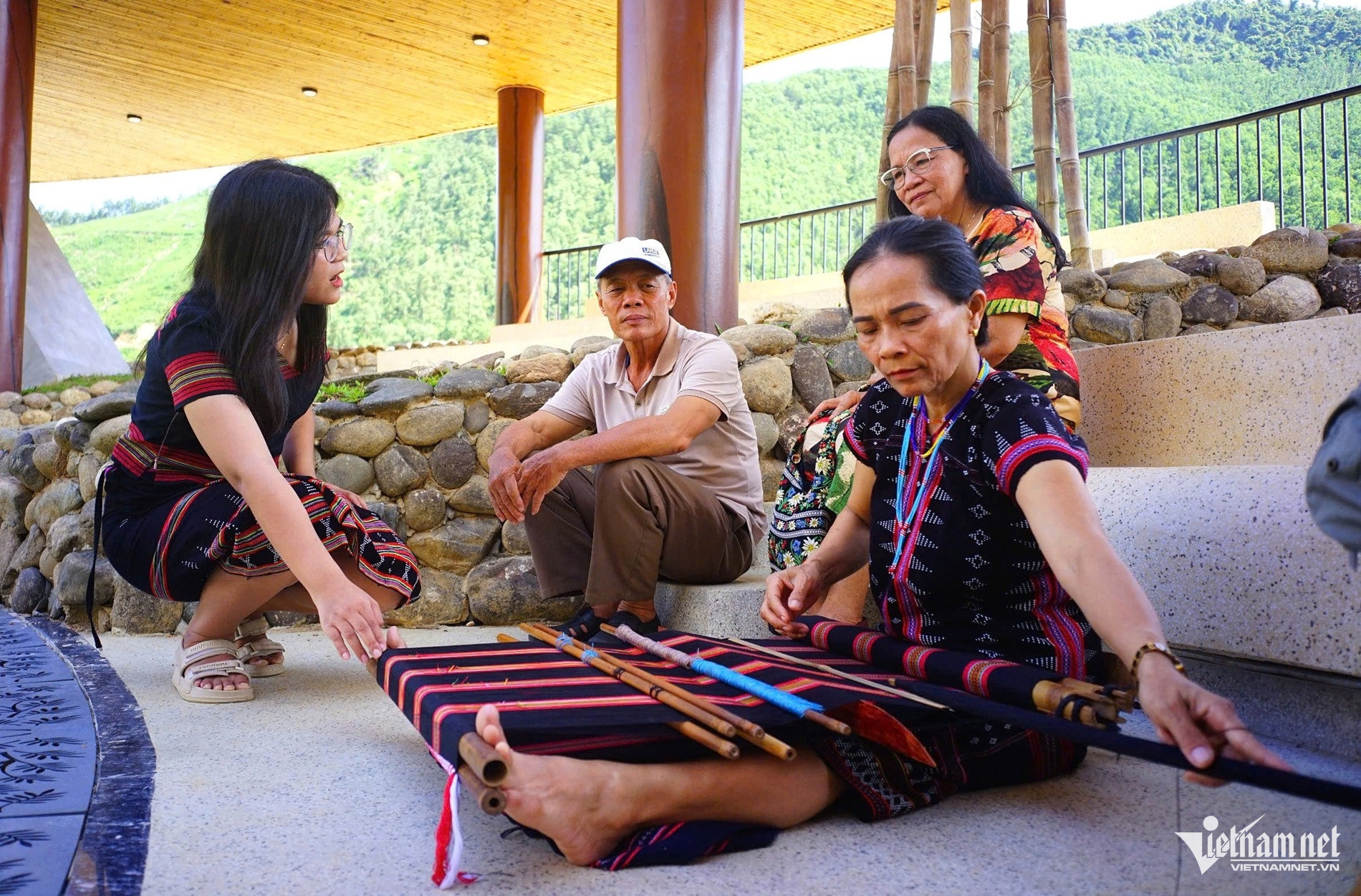
In 2019, Thanh was the only Co Tu student from her village to gain admission to university.
Studying in a new environment brought her new experiences, particularly through her participation in performing arts clubs.
Thanh said those years also made her think more deeply about her home village.
“Why don’t I create a performance troupe that reflects our village’s own culture, one that can both introduce our homeland to others and preserve traditional Co Tu dances?” she recalled asking herself.
The idea stayed with her throughout university. After graduating in 2023, she began turning it into reality.
To build a proper dance troupe, Thanh approached village elders, respected community members and people with a deep knowledge of Co Tu customs and culture, encouraging them to take part. At the same time, she brought together young people who shared an interest in their traditional heritage.
Her approach was to connect generations: elders would pass down the movements, rhythms and ways of performing, while younger members would learn, practise and eventually perform alongside them.
“The older generation understands our culture best,” Thanh said. “I want them to pass it on to the young, while young people need to learn and practise so that what our ancestors left us does not disappear.”
From those early rehearsals, a Tung tung Da da dance troupe gradually took shape and expanded.
Today, it has more than 40 members ranging in age from 16 to 70.
For Thanh, bringing young performers and village elders into the same troupe does more than keep a traditional performance alive. It gives generations an opportunity to meet directly and pass on the cultural values of their community.
Taking village culture further
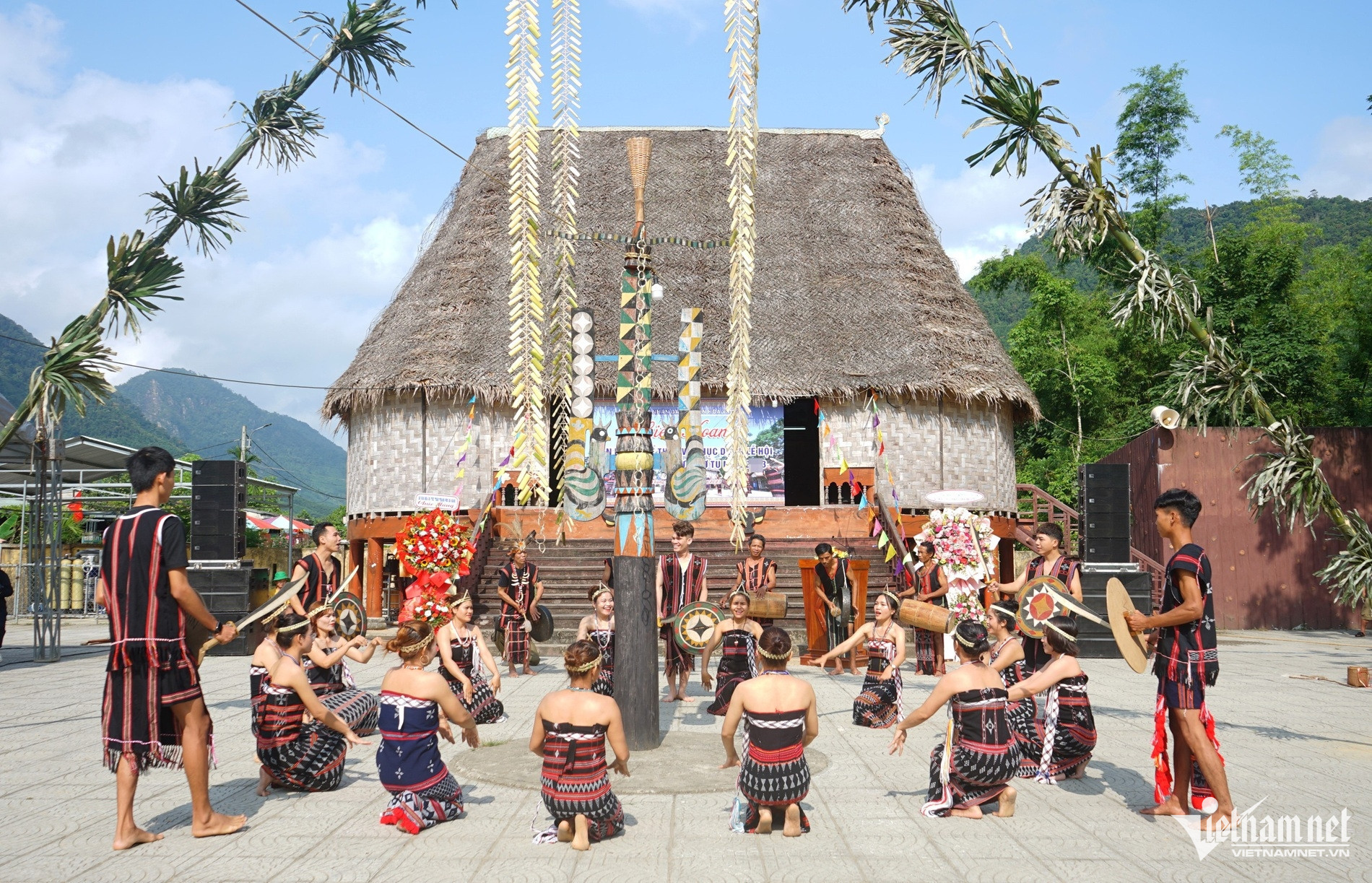
From rehearsals inside the village, the troupe began performing at cultural programmes, festivals and tourist destinations.
At each performance, Thanh and the other members introduce visitors to distinctive elements of Co Tu culture. Tourists can try on traditional clothing, learn about local customs and join in the communal atmosphere of the Tung tung Da da dance.
For Thanh, this is also a form of community outreach. When local people, particularly younger generations, see their own culture welcomed by outsiders, she believes they gain another reason to love it, take pride in it and actively preserve it.
“If culture is kept only inside the village, it can easily fade away,” Thanh said. “When we introduce it to visitors and people see that what belongs to them is appreciated, they become more conscious of preserving it.”
More importantly, Thanh wants cultural preservation to be connected to everyday life.
Performances, traditional costume experiences and cultural presentations also provide troupe members with additional income.
“I don’t want preserving culture to mean performing just for fun,” she said. “If culture can create value and generate extra income for local people, they will have greater motivation to preserve it for the long term.”
A young community leader
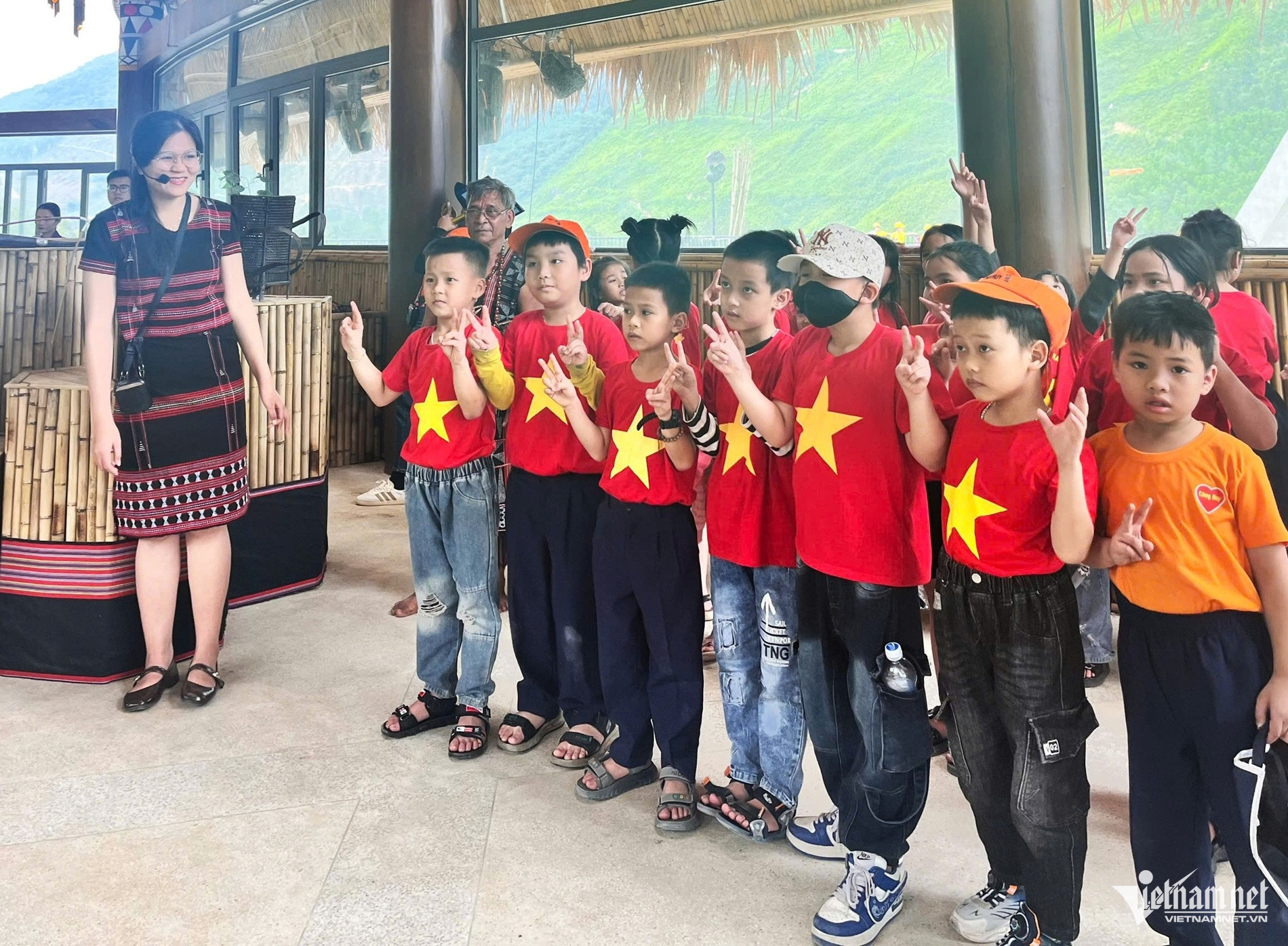
Beyond mobilising the community to preserve its traditions, Thanh has also looked for ways to make better use of local resources to generate income.
At home, she established a youth garden project, beginning with guava trees suited to the soil and climate of the mountainous Hoa Bac area.
Starting with donated seedlings, Thanh prepared the soil, tended the trees and fertilised them. After around three years, the orchard began producing a steady harvest, with fruit picked three or four times a month and providing additional income for her family.
She has connected her guava supply with ecotourism destinations in Hai Van Ward and traditional markets, gradually bringing locally grown produce to more visitors and consumers.
“I don’t think young people necessarily have to start with something big,” Thanh said. “We can begin with what we already have, develop it and then connect those things to create value.”
In her view, culture and the local economy do not exist separately.
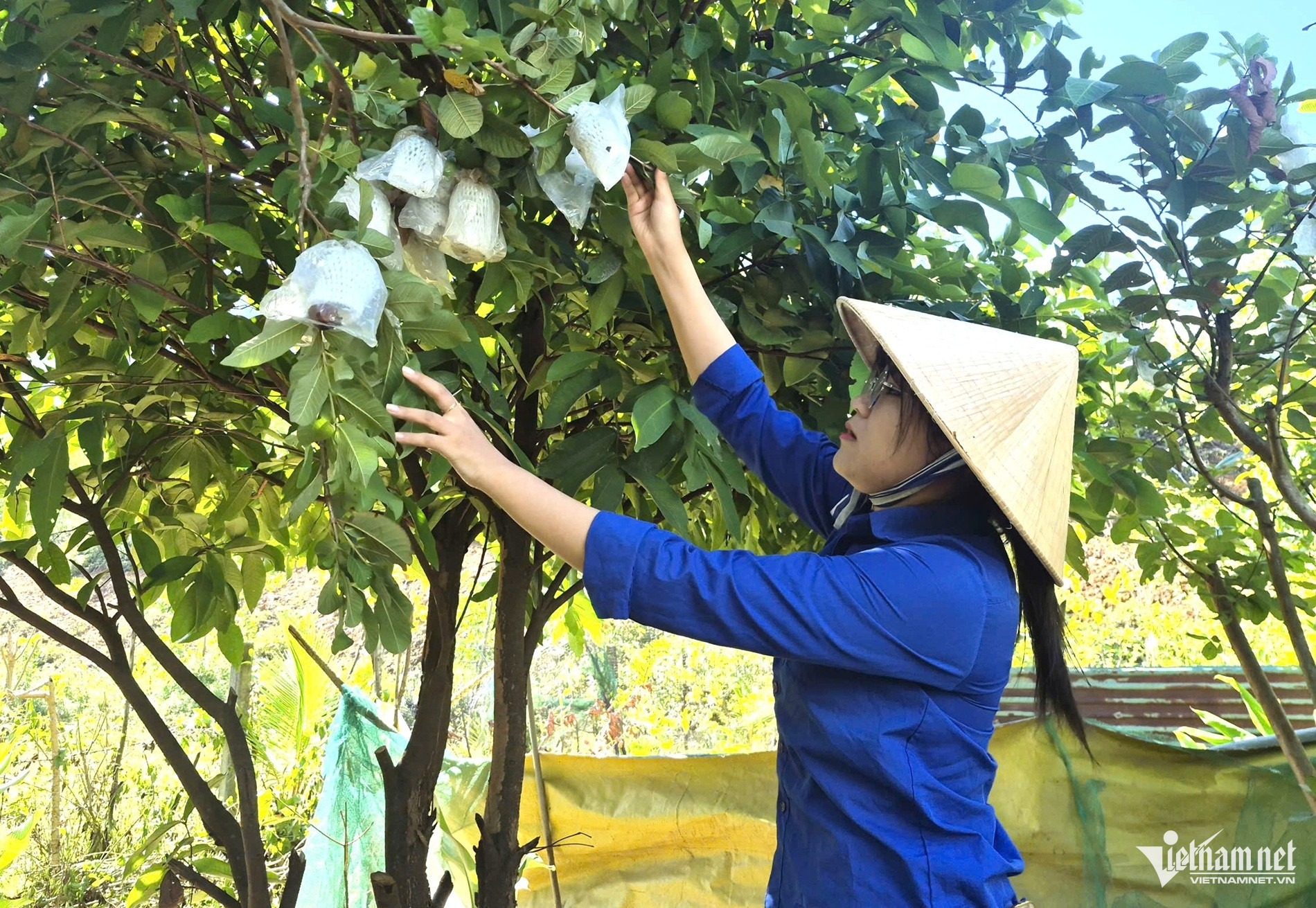
Traditional clothing, dances, local produce and the cultural landscape along the Cu De River can all become assets that the community can build upon.
Dinh Van Cu, secretary of the Communist Party cell in Ta Lang - Gian Bi, described Thanh as an energetic and responsible young Party member who regularly takes the lead in social activities and efforts to preserve the community’s traditional culture.
“What is valuable about Thanh is her ability to bring young people together while encouraging older people to participate,” Cu said. “In doing so, she connects generations in preserving Co Tu culture.”
Ho Giap
.svg)
