 Vietnamnet.vn

 Podcast



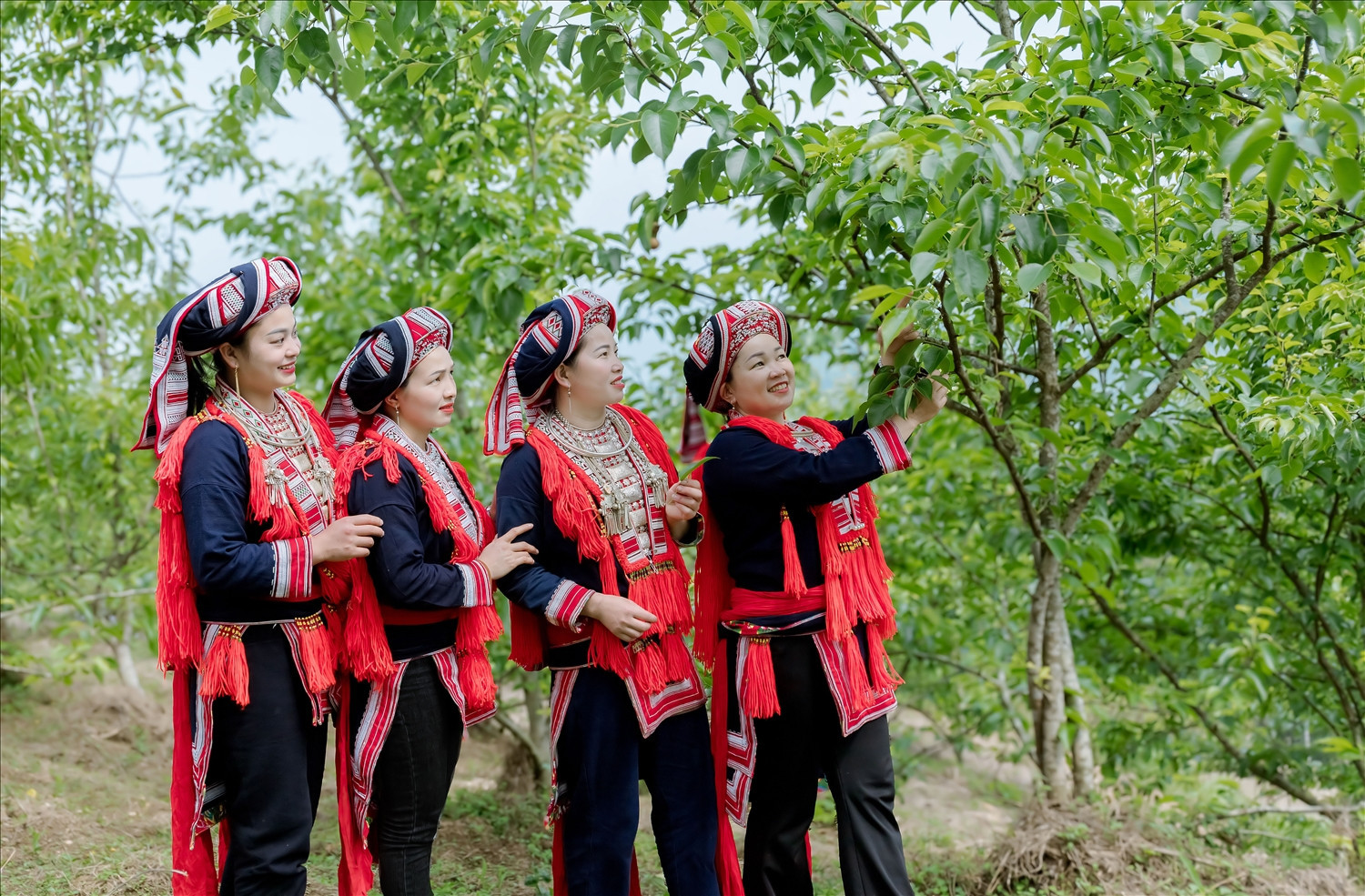
A high-value crop-based livelihood development model in Ho Thau commune, Tuyen Quang province (Photo: Vu Mung)
The overarching goal of the NTP is to build modern, prosperous, sustainable rural areas rich in cultural identity, in tandem with urbanization and climate adaptation. It aims to promote comprehensive development in ethnic minority and mountainous regions, reduce multidimensional poverty sustainably and inclusively, ensure gender equality and social welfare, and foster a green, circular, and ecological rural economy.
The program also seeks to restructure the agricultural sector to increase income, improve quality of life, and narrow regional and demographic development gaps - particularly between ethnic minority and mountainous regions and other parts of the country.
The program underscores the importance of preserving and promoting the rich cultural heritage of ethnic minority communities, enhancing public trust in government policies, reinforcing national solidarity, and maintaining defense, security, and public order, especially in strategic, border, and island areas.
By 2030, the program sets out specific targets: increase rural per capita income by 2.5 to 3 times compared to 2020; ensure that ethnic minority incomes reach at least half of the national average; maintain a 1%–1.5% annual reduction in multidimensional poverty nationwide; lower multidimensional poverty in ethnic minority and mountainous areas to below 10%; and eliminate “extremely disadvantaged” villages and communes in these regions. The plan also aims for 65% of communes nationwide to meet new rural development standards, with 10% recognized as "advanced rural areas," and for five provinces or cities to be certified as having completed rural development missions.
Two key components define the NTP:
Component 1 includes 10 sub-components and 52 specific activities implemented nationwide. In ethnic minority and mountainous regions, only activities not covered under Component 2 are applied here.
Component 2 focuses on five sub-components and 23 specialized activities tailored for economic and social development in ethnic minority and mountainous areas. These activities will only be implemented outside these regions when they involve specialized functions related to ethnic affairs and are not covered under Component 1.
The Ministry of Ethnic and Religious Affairs - leading Component 2 - will coordinate with the Ministry of Agriculture and Environment and other central ministries and agencies to provide guidance and implement relevant content in ethnic and mountainous areas. This includes compiling plans and proposing budget allocations from central funds, approving and announcing the list of ethnic groups and villages facing particular hardship, classifying communes into areas I, II, and III, and designating provinces in mountainous ethnic regions according to regulations.
The ministry will also coordinate with the Ministry of Agriculture and Environment to propose funding strategies, aiming to mobilize additional capital for targeted support in these regions, in line with legal frameworks and subject to approval by competent authorities.
Furthermore, it will advise the Prime Minister to direct central ministries and agencies to enhance cooperation and leverage the role of the Vietnam Fatherland Front in socio-economic development across ethnic minority regions. The ministry will conduct periodic and ad hoc monitoring and inspections of NTP implementation in these areas and fulfill other tasks as directed by the Central Steering Committee, the Prime Minister, and the government.
The total state budget allocated for the NTP during 2026–2030 is approximately USD 17 billion, including about USD 4 billion from the central government, USD 12.8 billion from local governments, and USD 982 million from policy-based credit (also state-funded).
The total capital mobilized for the program is projected at around USD 41.1 billion. This includes USD 4 billion (9.6%) in direct central funding, USD 12.8 billion (28.7%) from local budgets, USD 14.2 billion (34.5%) from integrated capital via other national target programs and projects, USD 982 million (2.2%) from policy-based credit, and USD 10.8 billion (25%) from businesses and voluntary contributions from communities and individuals.
Vu Manh Cuong
.svg)
