 Vietnamnet.vn

 Podcast



The tech world is navigating a turbulent stretch. For all the grand promises of an AI revolution, consumers are confronting a harsher reality: widespread component shortages, soaring hardware costs and unusually long delivery times.
Behind the scenes of the smartphone industry, forces are at play that may make 2026 a markedly different - and far more expensive - year for anyone planning to buy a new handset.
When AI fever shakes the supply chain
One of the clearest signs of the current strain is the dramatic spike in RAM prices, which at times have reportedly tripled.
What is striking is that even tech giants are feeling the squeeze.
According to multiple sources, Samsung Semiconductor has declined a specific RAM order from Samsung Electronics for an upcoming smartphone batch.
It may sound implausible, but it reflects a stark truth: even Samsung cannot automatically prioritize its own needs, as its semiconductor arm seeks to maximize profits by selling memory to other partners willing to pay more.
The episode underscores just how tense the component market has become, with AI workloads, data centers and servers absorbing already limited supplies.
The inevitable consequence is that smartphone makers are being forced to tighten their belts.
Rumors of reduced RAM on upcoming devices have begun circulating, spanning mid-range models and even flagships.
Two scenarios are being weighed. One suggests the next generation of Galaxy S devices could see slight RAM reductions to secure production capacity.
The other points to price hikes designed to preserve familiar configurations such as 12GB or 16GB of memory. For consumers, neither outcome feels particularly welcome.
Leaks indicate Samsung may raise prices for the Galaxy S26 line while keeping the Galaxy S25, at least the Ultra variant, at current levels to create a perception of relative affordability in 2026.
The strategy is hardly unprecedented. Samsung has previously adopted similar positioning with its Galaxy S Ultra and Tab S Ultra series.
And Samsung is far from alone. Apple, Google, Oppo, Xiaomi and Sony are all navigating the same vortex of supply constraints and cost pressures.
A familiar piece of advice returns
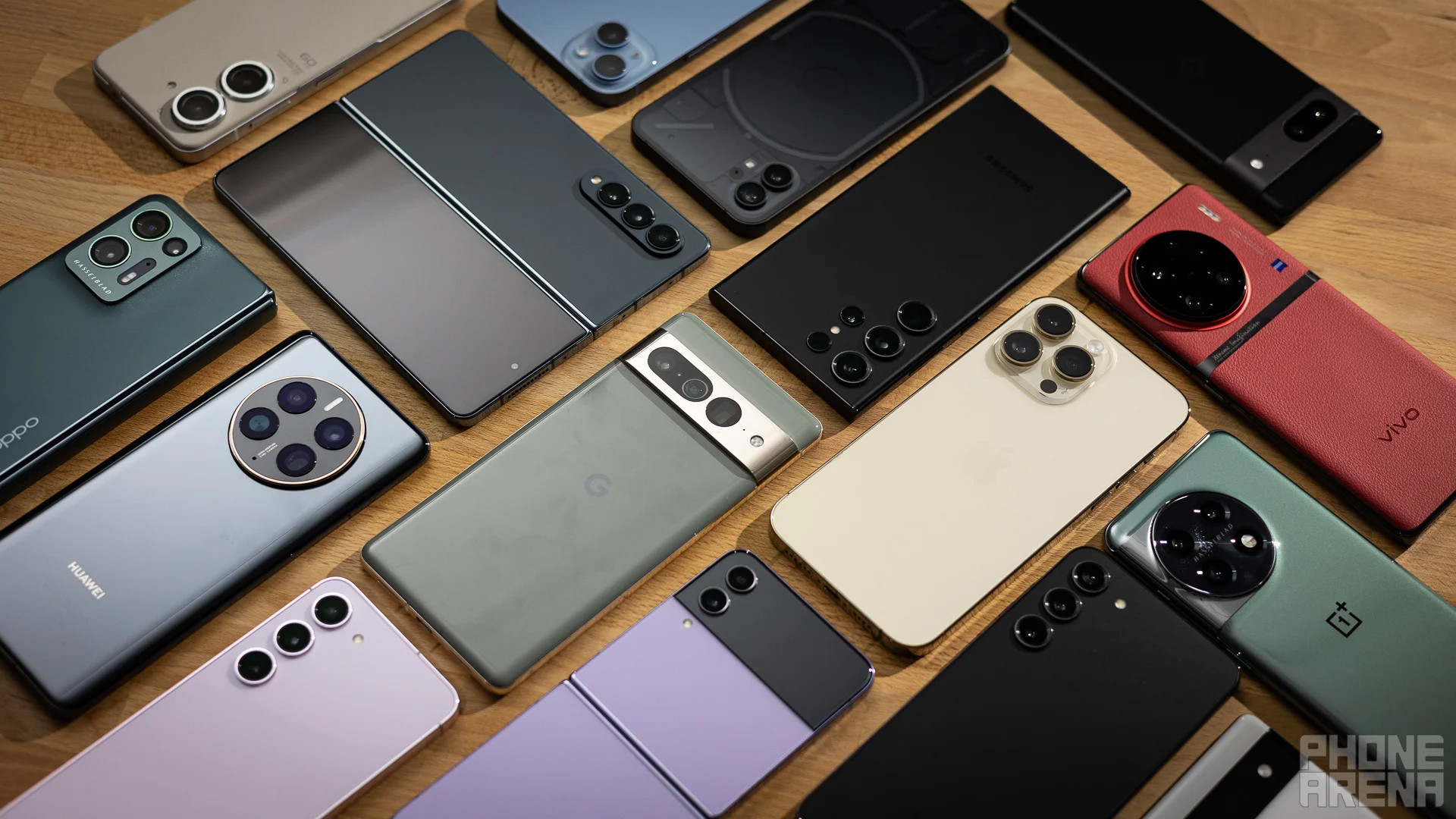
In this climate, an old maxim suddenly feels timely again: buy last year’s flagship.
It is advice repeated for years, but in 2026 it may finally come into its own.
Hardware progress in smartphones has clearly slowed. A camera launched 12 months ago might trail its successor by 5 percent.
A year-old processor may score 7 percent lower on Geekbench. But do such margins truly matter in daily use?
These flagship devices debuted as technological showpieces, engineered to sit at the pinnacle for years.
The passage of 365 days does not suddenly render them obsolete.
In fact, amid today’s component shortages, choosing an older model is not merely a cost-saving tactic. It may also deliver hardware that is, in relative terms, better for the money.
To contain retail price inflation to around 10 percent, some manufacturers could be compelled to adopt lower-grade components in new releases. In that case, last year’s flagship becomes a genuine bargain.
AI is widely framed as the industry’s main growth engine, yet its tangible value on smartphones remains a matter of debate.
The next heavily promoted trend is “agentic AI” - systems capable of autonomously executing complex task chains based on a simple command, such as: “Check when I need to fly to New York and book the ticket for me.”
It sounds futuristic. But for anyone who has tested AI tools, the vision can feel like a fragile dream, where errors are always a possibility.
More importantly, chips such as Snapdragon 8 Gen 3 or Apple A18, already marketed as AI powerhouses, are fully capable of handling these features.
If a new AI function is so cutting-edge that it is locked exclusively to the latest models, users may not need to rush. Waiting until early bugs are resolved could prove wiser.
Longer software support also strengthens the case for older devices.
A Galaxy or Pixel launched in 2024 may receive updates through 2031, not only security patches but full Android versions.
With hardware performance plateauing and remaining robust for years, the old fear of “falling behind” no longer looms as large.
Modern smartphone cameras are more than capable of preserving life’s meaningful moments without chasing every annual iteration.
When opting for a previous-generation flagship, the ideal choice remains brand-new inventory, untouched and sealed. Refurbished units or second-hand purchases can be cheaper, but they carry risks.
Buyers should pay close attention to three issues: counterfeit products, the possibility of stolen devices and battery health. Avoiding trouble requires either deep expertise or sourcing from trusted sellers.
For most mainstream users, the safest and simplest route is still a sealed, last-generation flagship.
In a volatile year like 2026, that decision may be the smartest one - for both the wallet and the long-term user experience.
Hai Phong
.svg)
