 Vietnamnet.vn

 Podcast



For decades, basic civil registration documents remained out of reach for many residents of Tung Huong, a remote border village in Tam Quang Commune, Nghe An Province.
Some people registered their marriages only after reaching their seventies. Others received their first birth certificates at nearly 70 years old. In some cases, families had never completed death registration procedures even though relatives had passed away more than 20 years earlier.
Only after commune officials brought public administrative services directly to the village have those long-standing gaps begun to close.
Registering a marriage after spending half a lifetime together
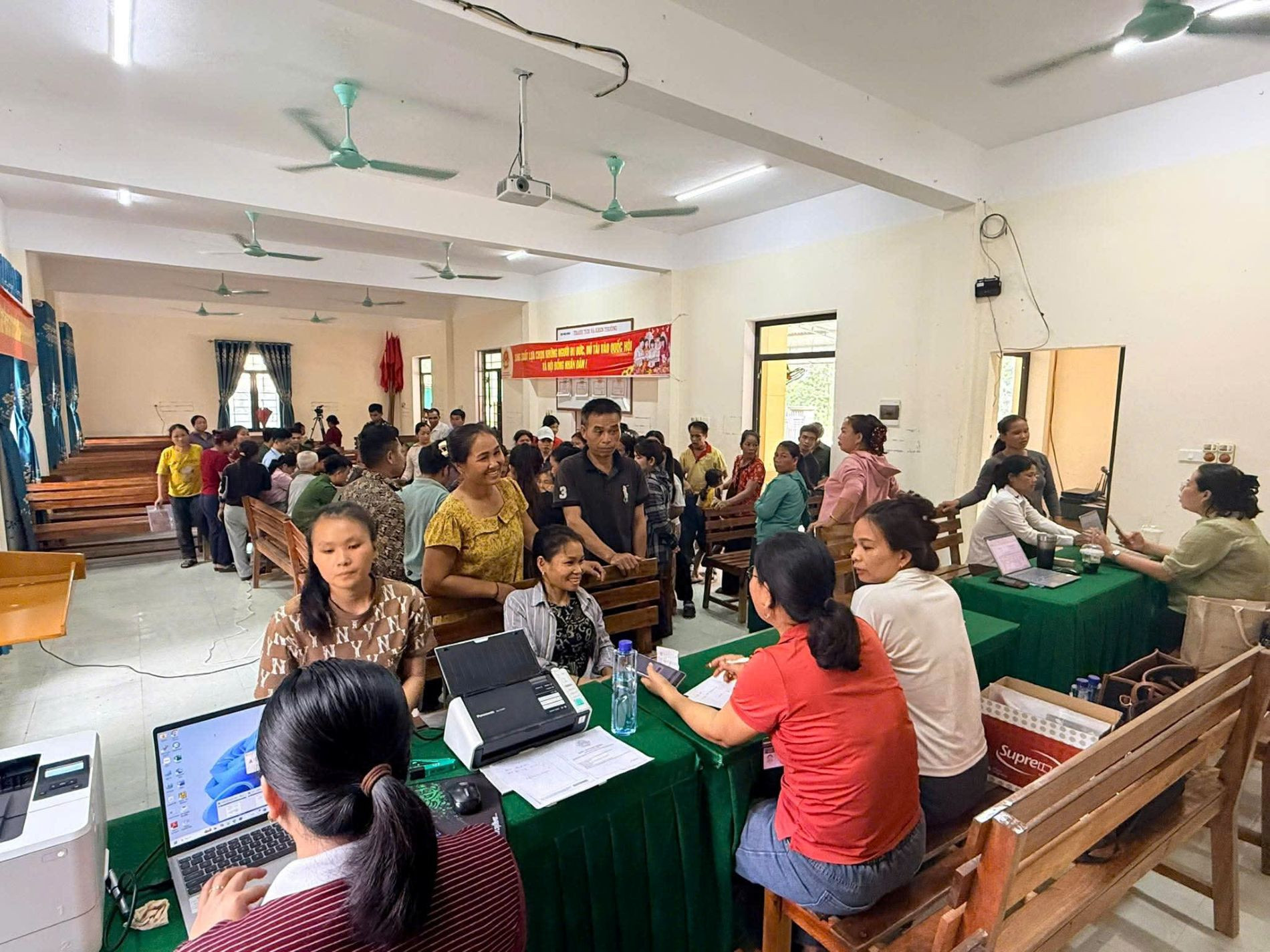
Holding the marriage certificate they had just received, Vieng Van Nhan and his wife, Lo Thi Thu, smiled with quiet satisfaction.
After around 40 years together, raising two children and becoming grandparents to two grandchildren, it was the first official document recognizing their marriage.
"We simply believed that once two people loved each other and held a wedding witnessed by relatives, we were husband and wife," Nhan said.
"Now local officials have explained that having a marriage certificate will make it much easier for our children and grandchildren to deal with inheritance and property matters in the future, so we decided to register."
The couple were not alone.
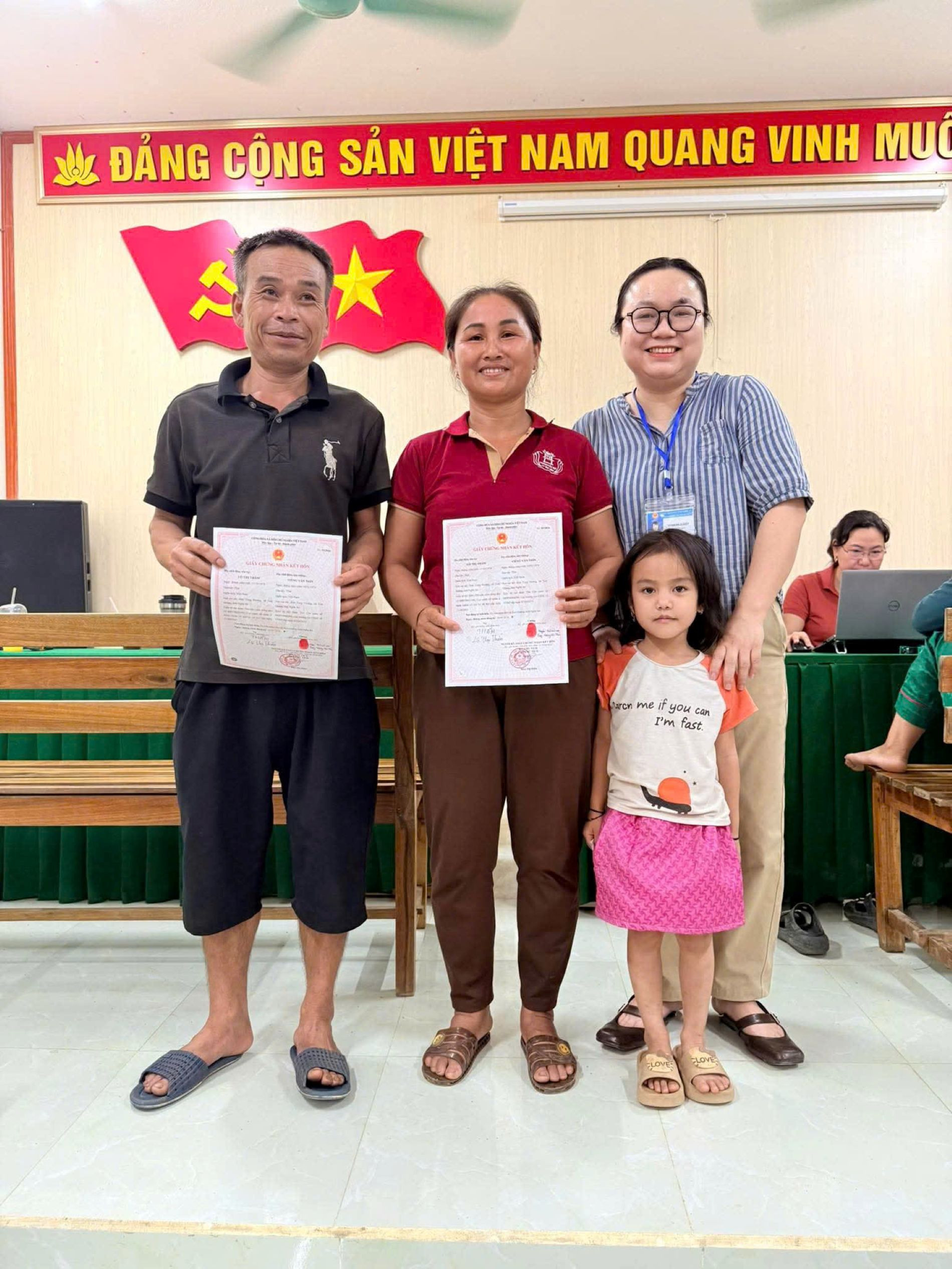
Others, including Vy Van Hung and Vy Thi Sam, both born in 1978, as well as Lo Manh Hoai, born in 1951, and La Thi Phuong, born in 1959, also completed marriage registration for the first time after decades of living together.
Elsewhere in the hall, Ngan Thi An, born in 1957, became emotional as she received her own birth certificate.
"I'm almost 70 years old and only now have a birth certificate," she said. "No one guided us before, and I never realized how important it was. Now I want everything to be complete and consistent so things will be easier for my children and grandchildren."
According to commune officials, her case is far from unique.
Some residents are over 50 and have never registered a birth. Others are more than 70 years old and have never officially registered their marriages.
In some families, relatives who died in the early 2000s still have not had their deaths officially registered.
These missing documents have created difficulties in population management, identity verification, access to government policies and many procedures related to citizens' legal rights.
Bringing government closer to people
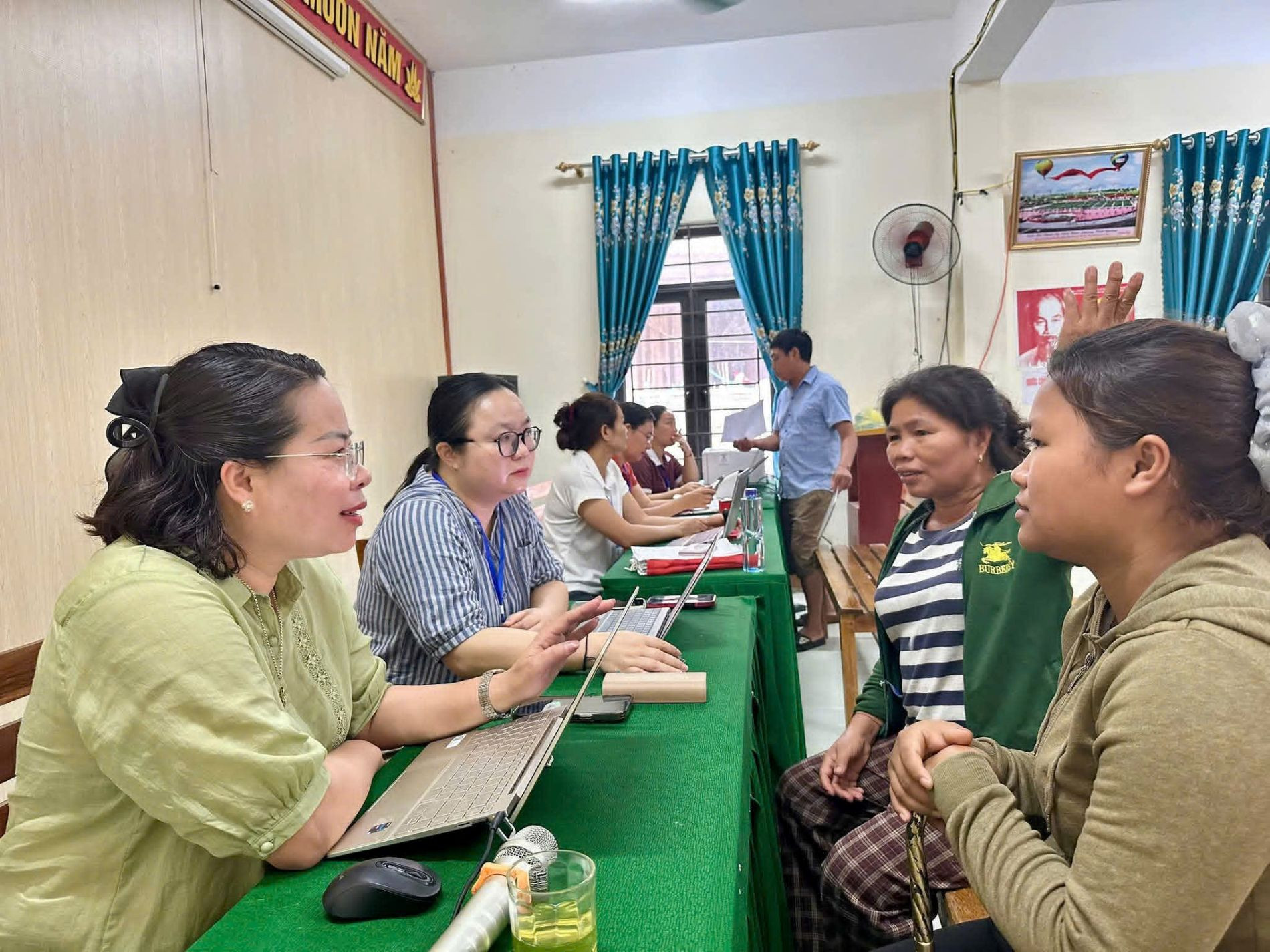
According to Kha Thi Hien, Vice Chairwoman of the Tam Quang Commune People's Committee, most of these long-standing issues stem from historical circumstances and the area's border location.
"The educational level and access to information among some residents remain limited. Many people have never fully understood the importance of civil registration documents. Others may have registered in the past, but their records were never fully digitized and are no longer available in the system," she said.
To address these issues, the Tam Quang Commune People's Committee introduced a mobile administrative service model operating on weekends, bringing government services directly to where residents live.
The mobile team handles not only civil registration but also document certification, cultural and social affairs, land administration, agriculture and business registration.
At the village community hall, residents receive assistance completing paperwork, resolving administrative questions and accessing online public services.
One of the initiative's key features is a same-day processing model for many common procedures, including marriage registration, certificates of marital status, integrated birth and death registration, certified copies and signature authentication.
If all required documents are complete, residents receive their results on the same day.
Lo Thi Huyen, an official at the Tam Quang Public Administration Center, said processing applications also provides an opportunity to explain why legal documents are important in everyday life.
"Many people simply believed they were unnecessary," she said. "Once we explained how these documents affect inheritance rights, children's legal identity and access to government support policies, residents became much more willing to cooperate."
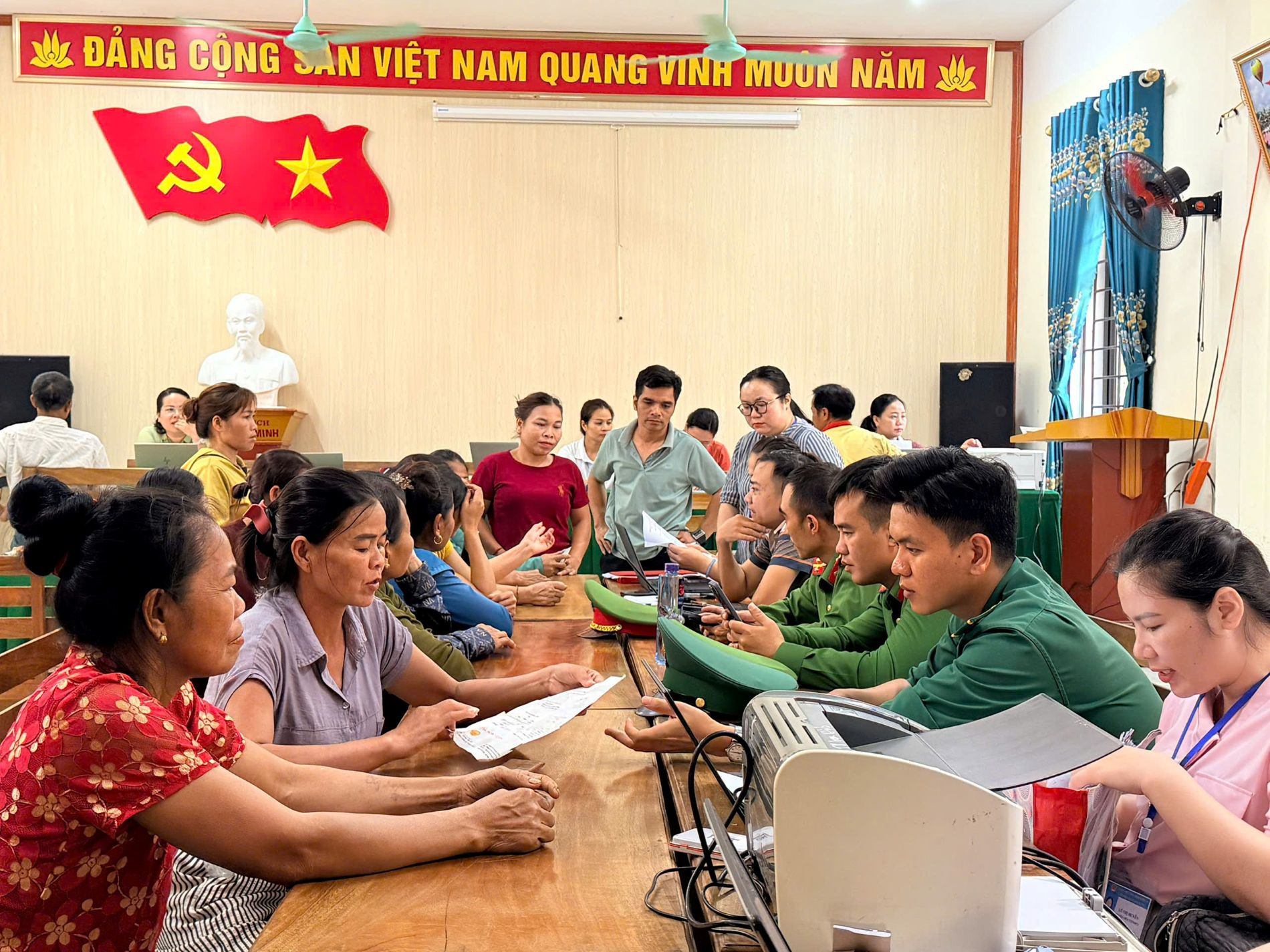
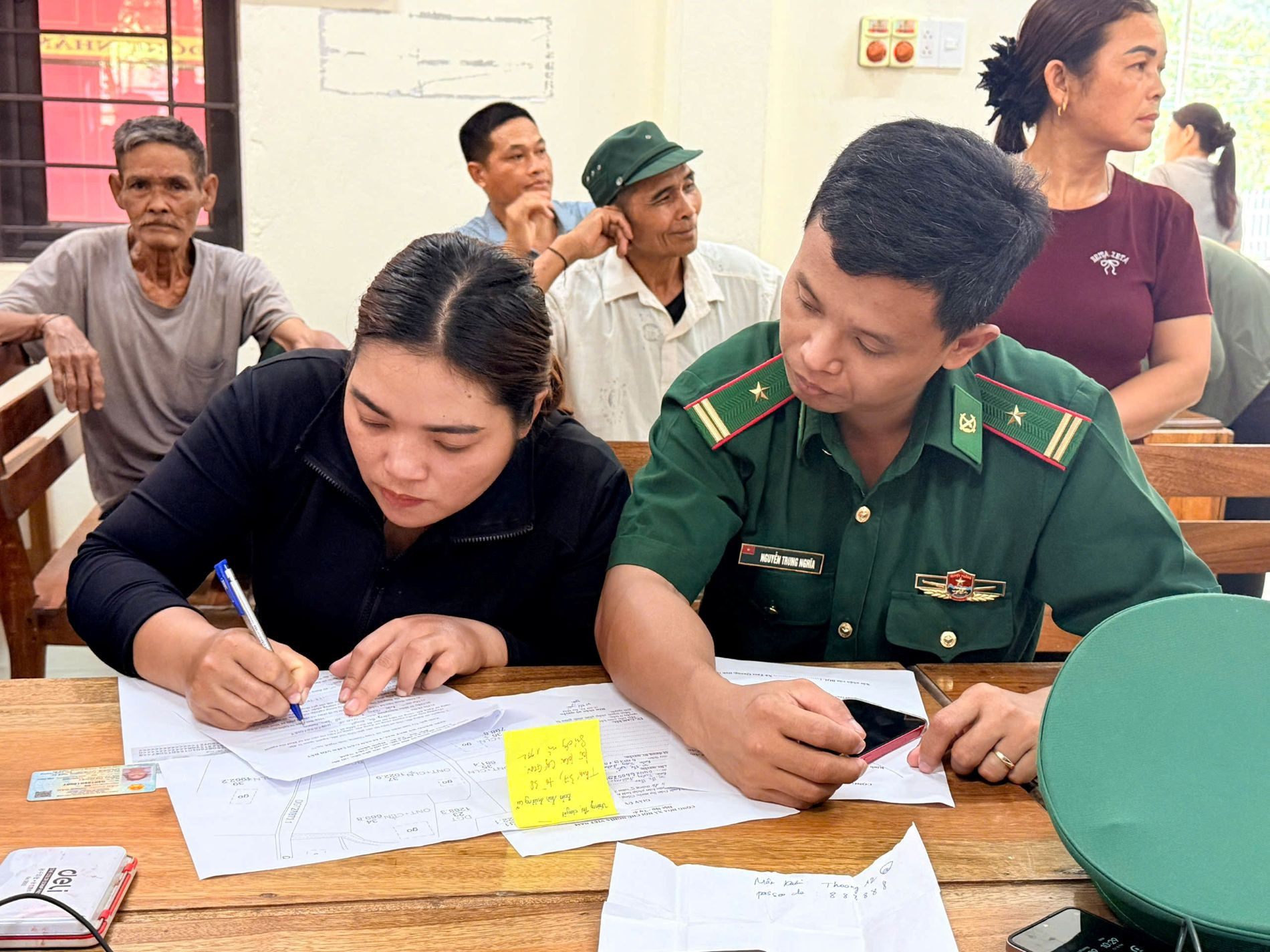
In addition to handling administrative procedures, commune police officers and personnel from the Tam Quang Border Guard Station help residents install and use the VNeID application while guiding them through online public service applications and cashless payment methods.
For applications requiring additional processing time, completed documents are delivered back to the village through the village head, minimizing the need for residents to travel.
The birth certificates, marriage certificates and death registrations completed that day represented more than administrative paperwork.
They reflected the efforts of grassroots authorities to bring government services closer to people, ensuring that no one is left behind because of geography or decades of limited access to information.
Thanh Hai
.svg)
