 Vietnamnet.vn

 Podcast


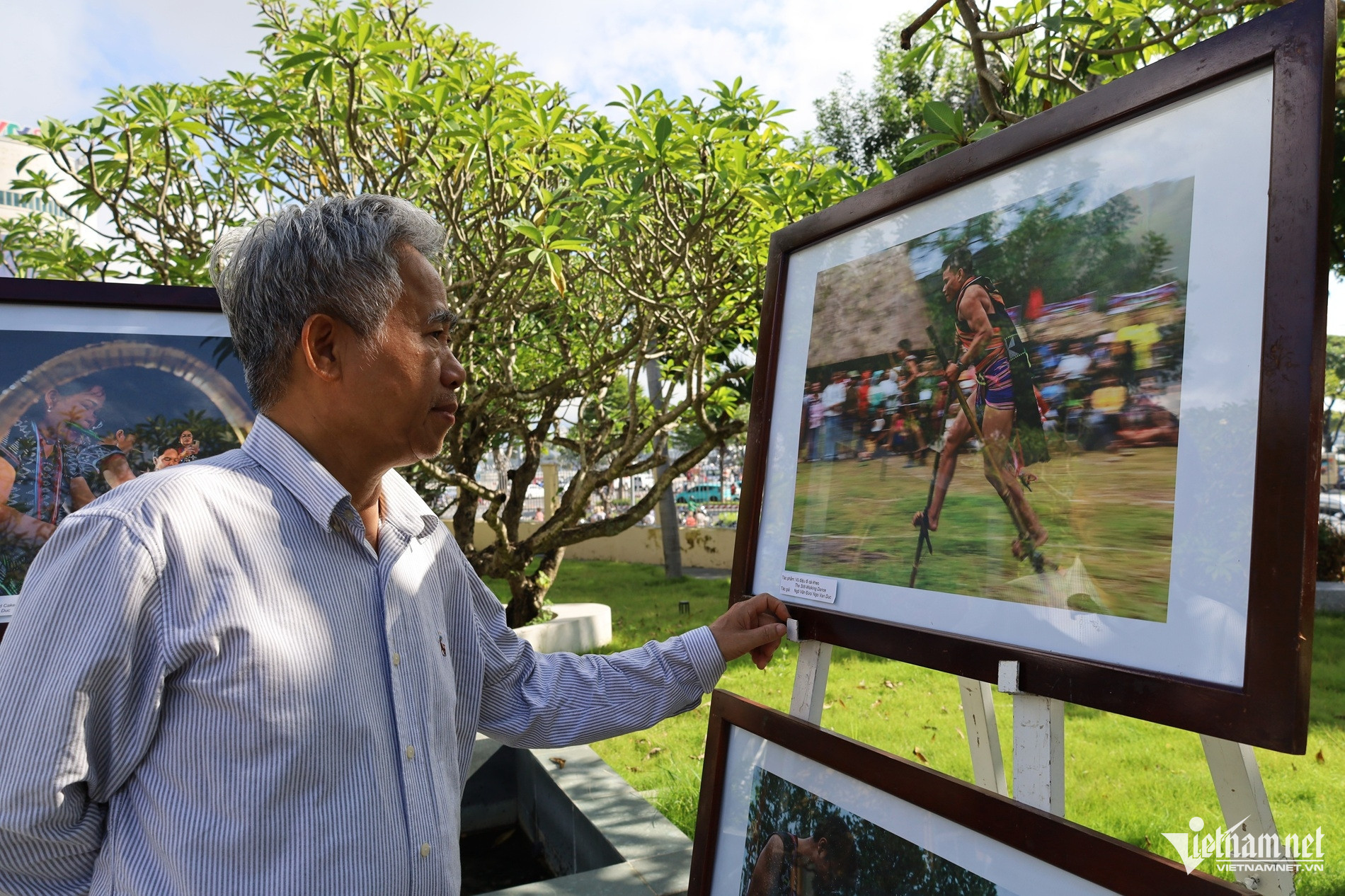
A photography exhibition featuring 70 works depicting the cultural lives of ethnic communities opened at the Museum of Cham Sculpture in Da Nang on November 18, celebrating traditional identities and promoting national unity.
The exhibition is part of activities marking Vietnam Culture Day on November 24 and the 2026 Great National Unity Festival.
Through photographs capturing everyday moments and traditional practices, the exhibition offers visitors an insight into the distinctive cultural heritage of ethnic minority communities in Da Nang.
Among the featured subjects are Bríu Pố, a respected village elder; artisan Clau BLao; Co Tu mothers; Cor young women; and M'Nong children.
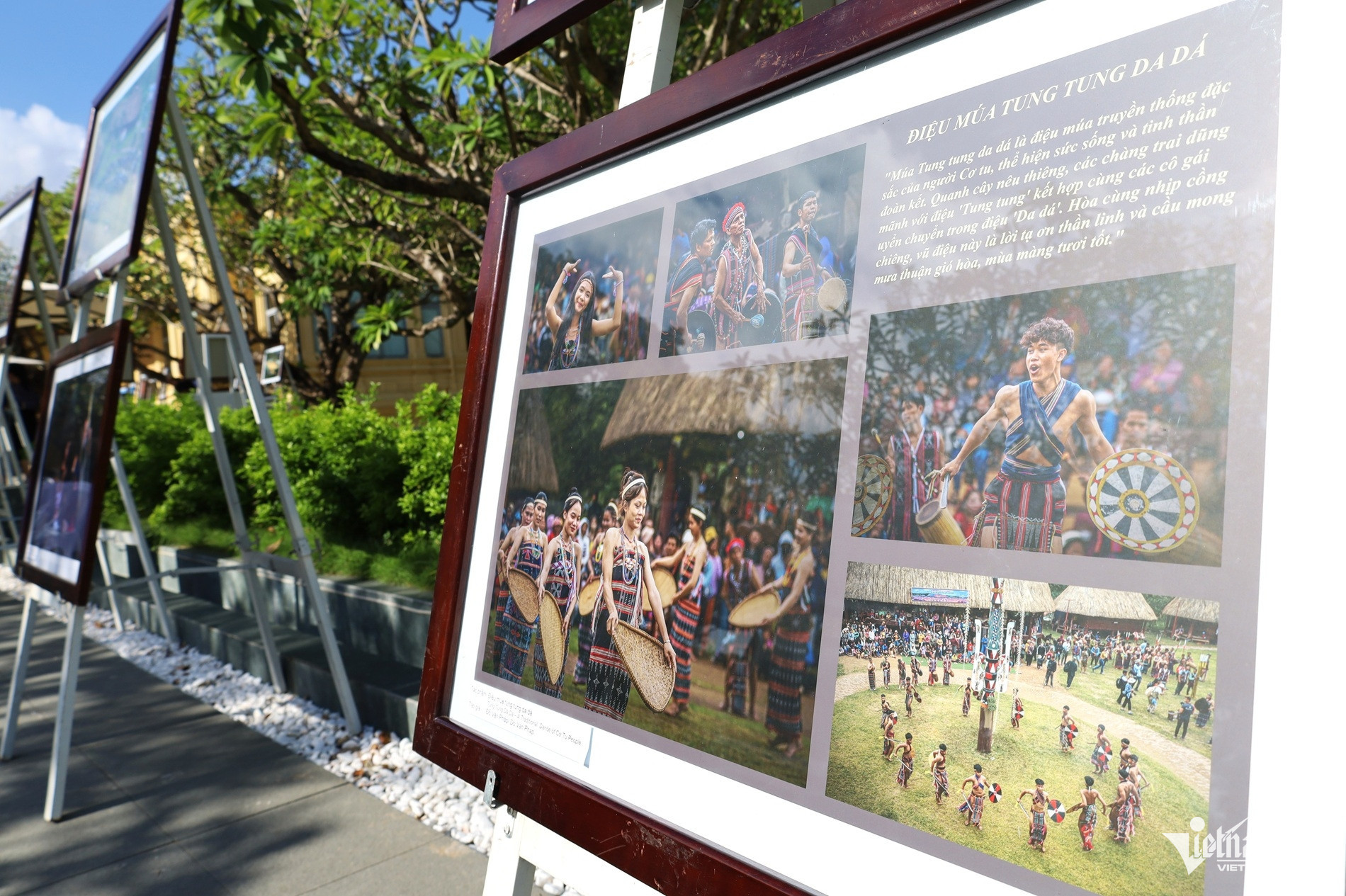
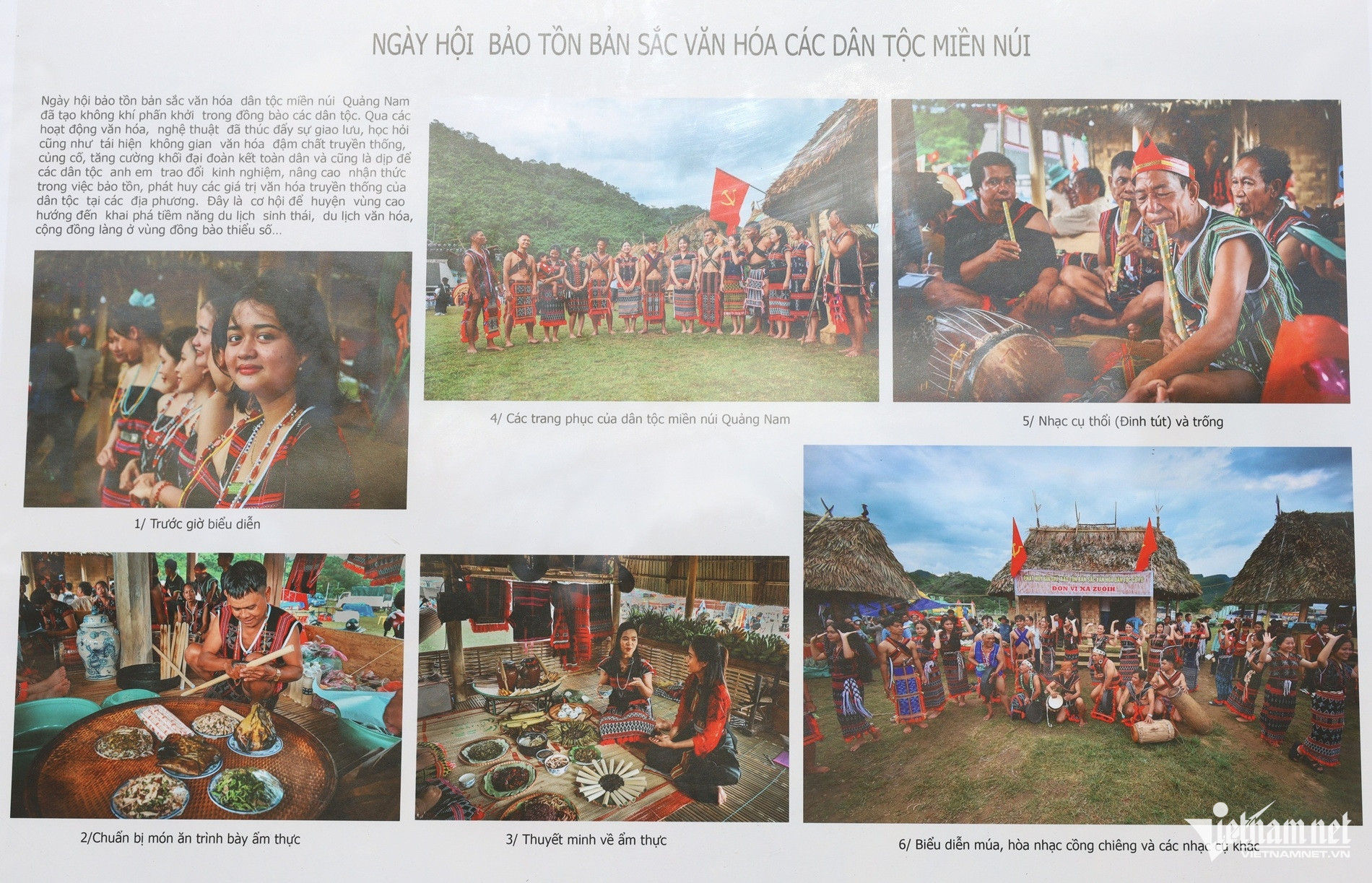
Other photographs depict women working at traditional looms, skilled artisans creating intricate brocade patterns and craftspeople reviving the practice of making clothing from forest tree bark.
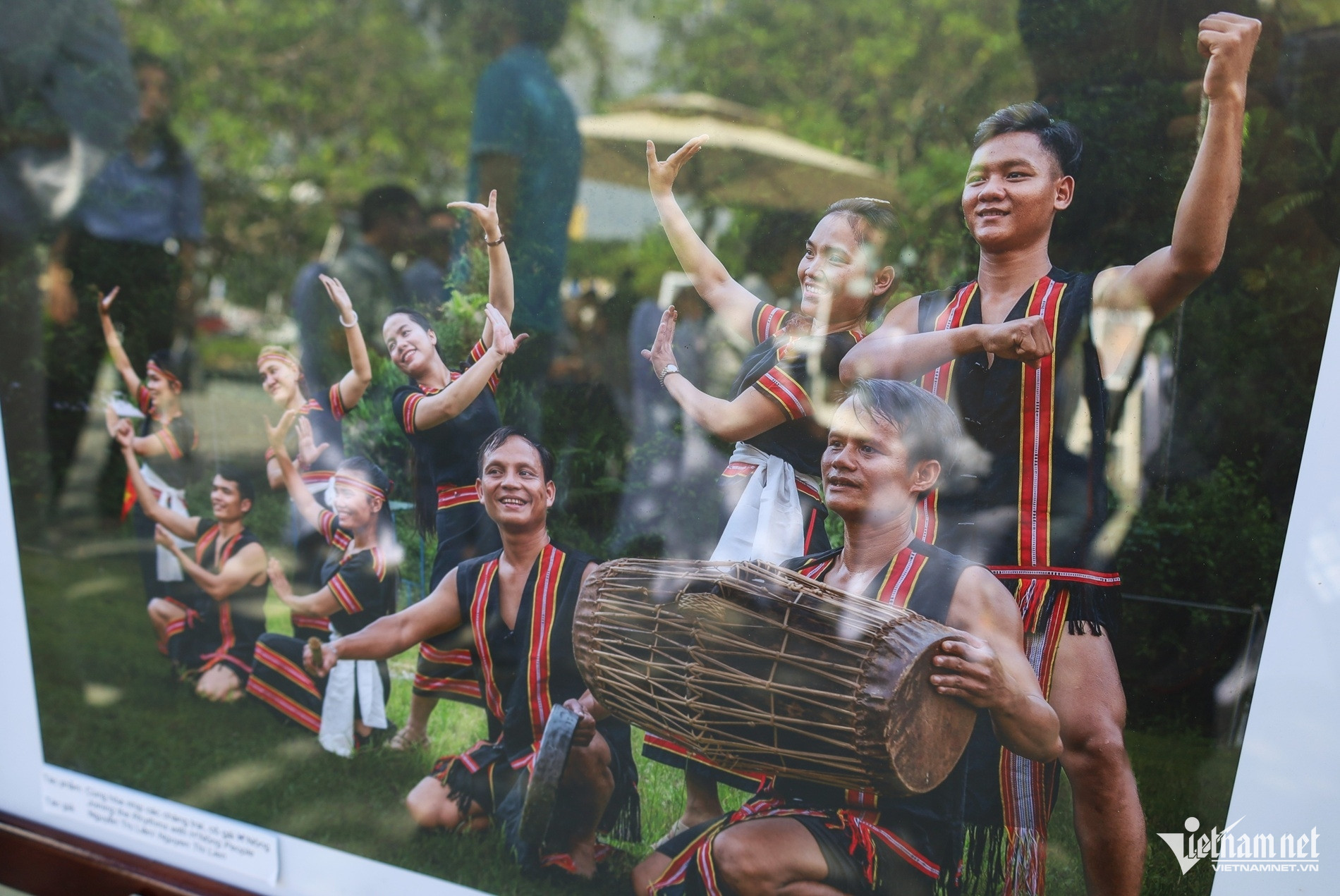
The images capture not only traditional occupations and customs but also the people and cultural spaces that shape the identities of different ethnic communities.
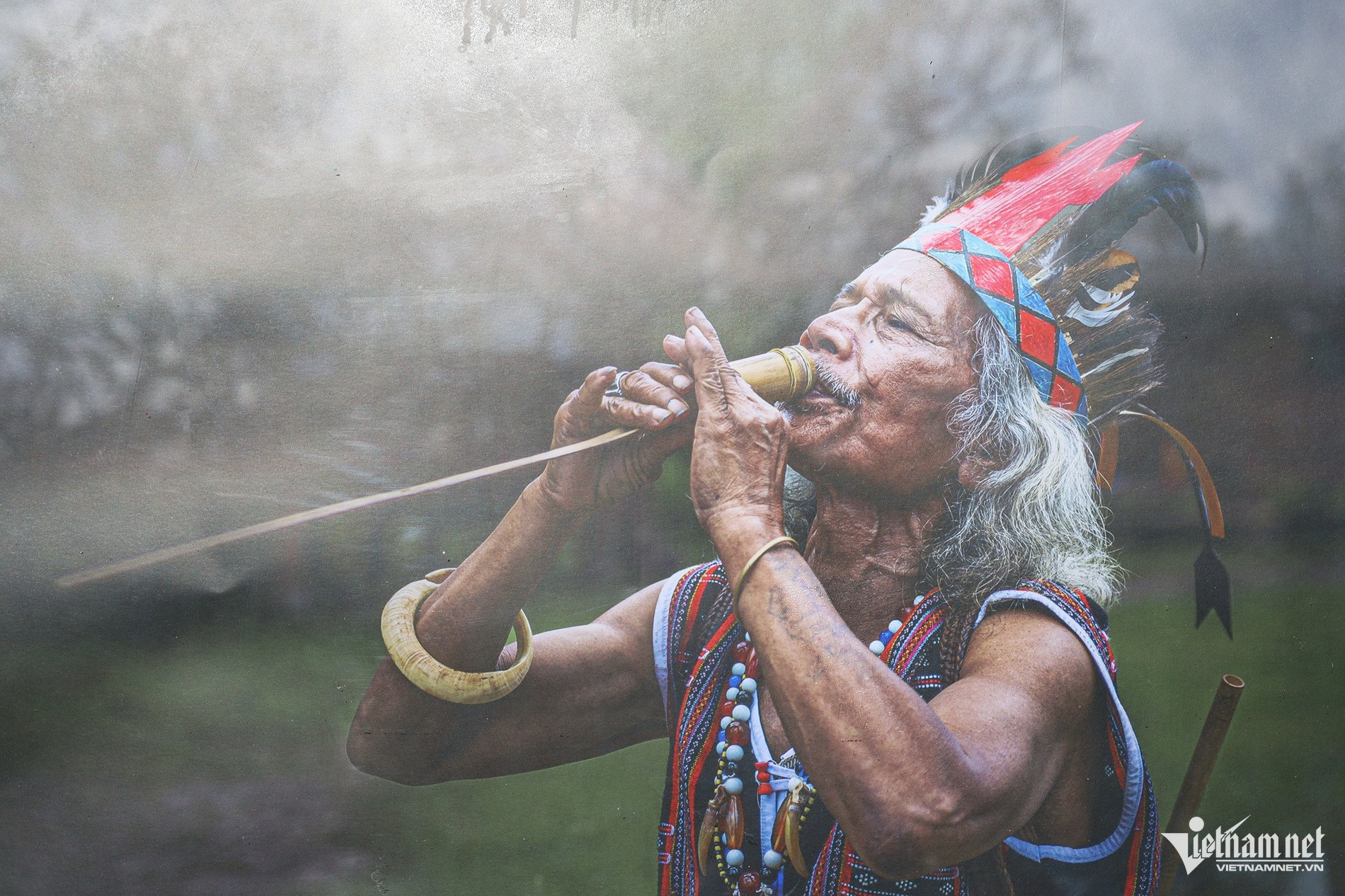
One notable photograph by Do Van Phap portrays village elder Bríu Pố as a guardian of the mountainous region's cultural heritage.
Another, by Huynh Chau, captures the smile of a young woman from a mountainous community.
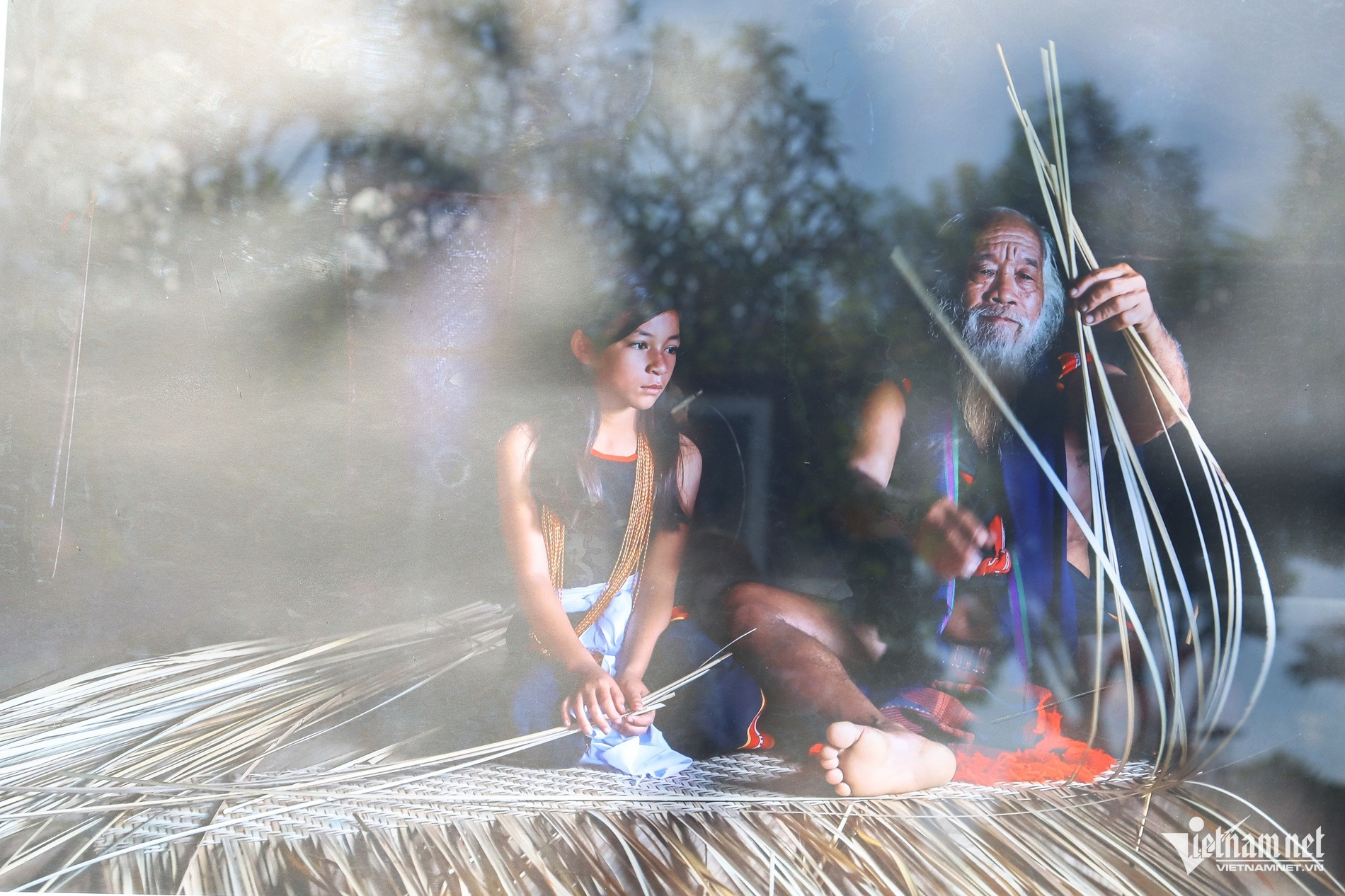
A photograph by Huynh Ba Khoa depicts village elder Noc Xo Ro passing traditional basket-weaving skills on to younger generations, highlighting the importance of preserving indigenous knowledge.
Preserving cultural identity through photography
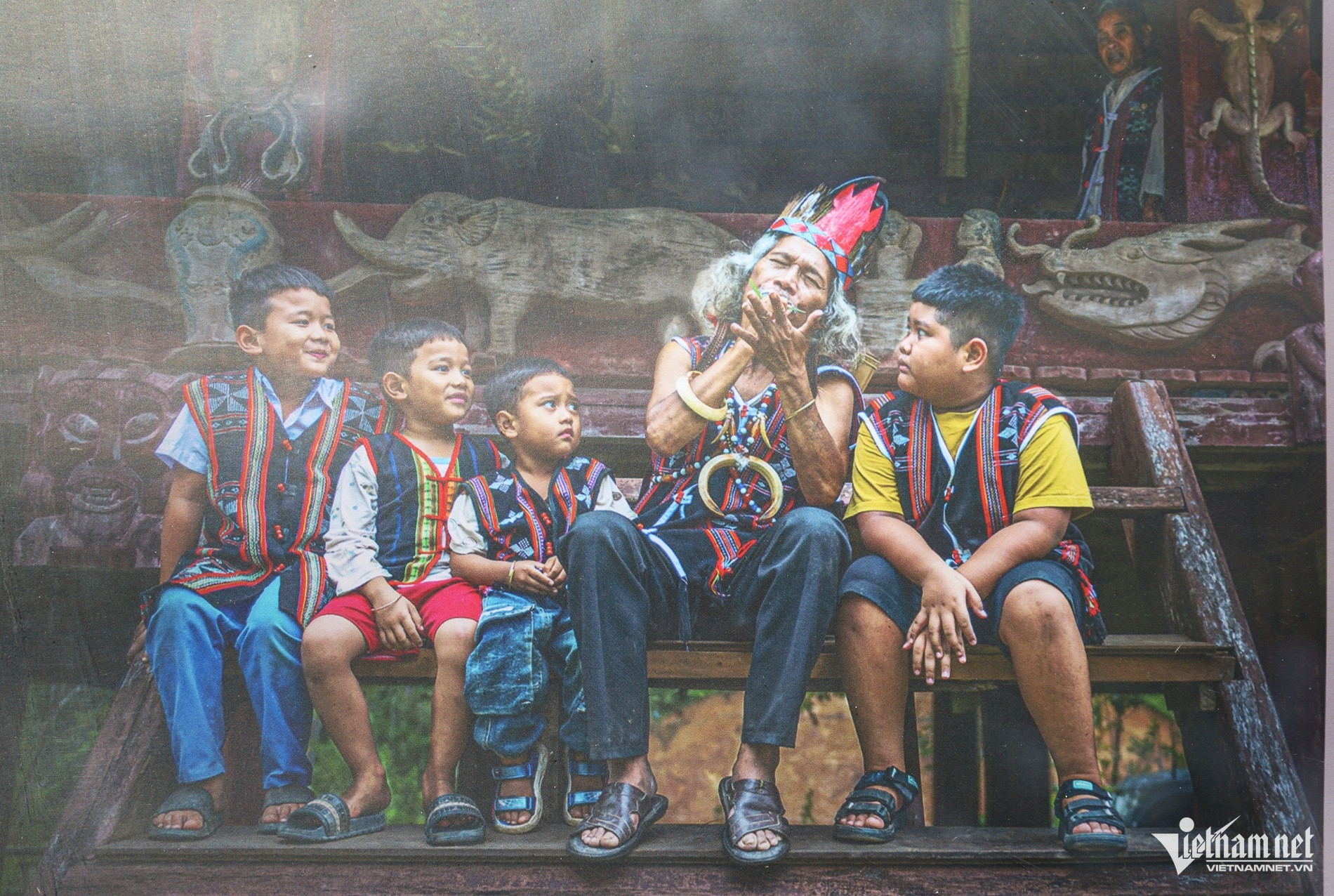
Nguyen Nho Khiem, chairman of the Da Nang Union of Literature and Arts Associations, said the city's cultural diversity is reflected in the distinctive traditions of its ethnic communities.
These include Cham culture, represented by the heritage of My Son; Co Tu culture, with its traditional Guol communal houses, Tung tung da da dances and brocade weaving; and Cor culture, known for its gongs, festivals and communal customs.
The traditions of the Ca Dong, M'Nong, Muong and other ethnic groups further enrich the city's cultural landscape.
According to Khiem, culture exists not only in festivals and ceremonies but also in traditional homes, clothing, languages, daily work, relationships with nature and the bonds connecting community members.
He encouraged photographers to continue exploring remote villages and engaging with artisans and holders of traditional knowledge.
Such efforts, he said, would help document traditional crafts and customs at risk of disappearing, while also recording changes in the lives of ethnic minority communities.
The exhibition has attracted interest from local residents and visitors, offering an opportunity to appreciate the cultural diversity of Da Nang through photography.
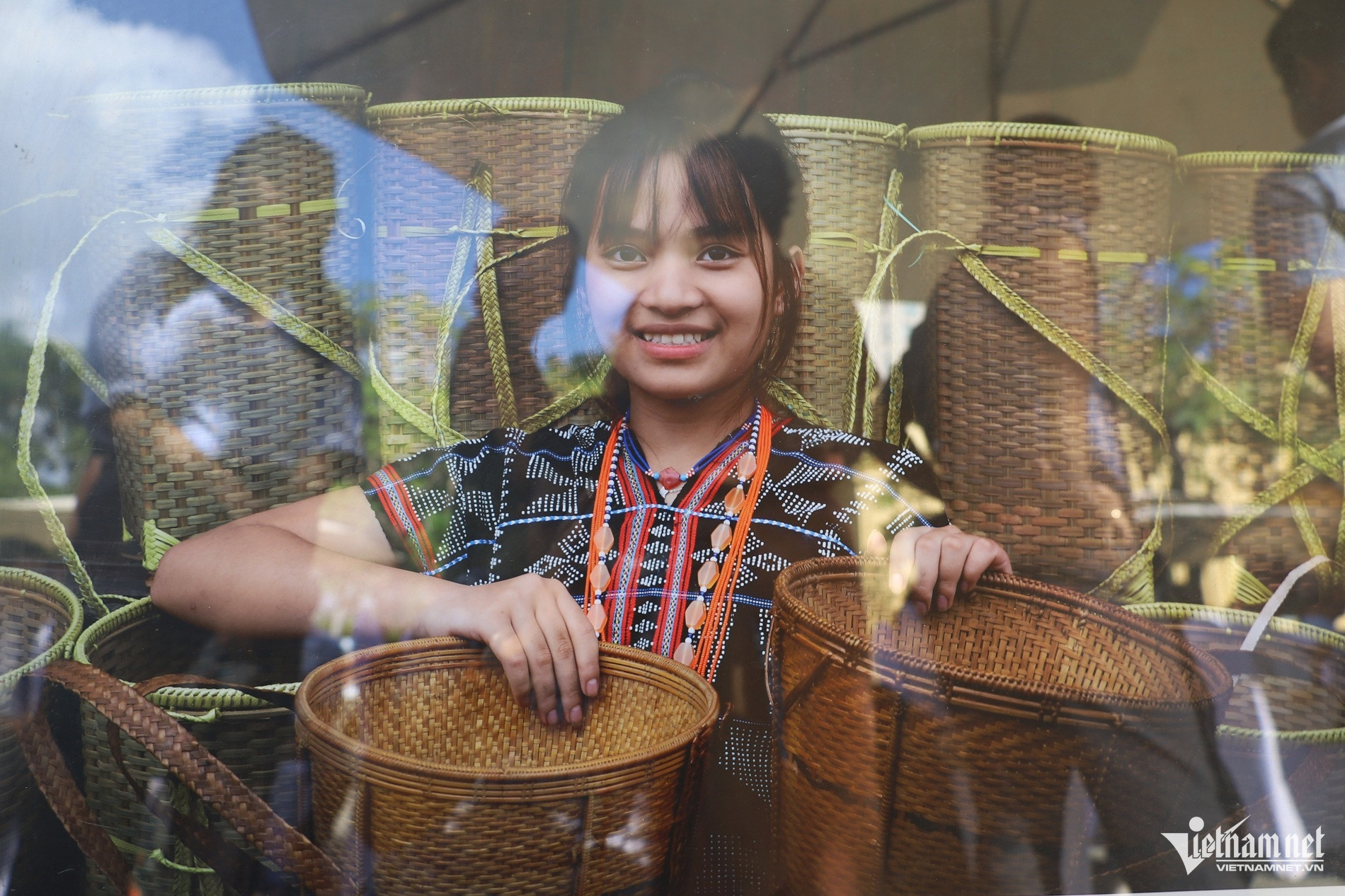
The smile of a young woman from a mountainous community, captured by Huynh Chau.
Ho Giap

