 Vietnamnet.vn

 Podcast



A nearly one-million-view video created by a commune party secretary has become an unlikely symbol of Phu Tho Province's broader push toward digital tourism - one that aims to transform online attention into visitor arrivals and long-term economic growth.
A local leader steps in front of the camera, and a smartphone opens a window to the highlands
Living more than 50 kilometers from his workplace, Nguyen Duy Tu often stays in Van Son Commune throughout the week. Outside office hours, the 38-year-old Party Secretary visits villages, learns about local life and records the landscapes and cultural traditions of the Muong ethnic community.
In a video titled "Secretary of the Muong Highlands," Tu appears among forested mountains, introducing Van Son through a warm, conversational style rather than official promotion.
Within just one day of being posted on Facebook, the video attracted nearly one million views and tens of thousands of interactions.
Tu said his greatest hope was simply that viewers would remember Van Son as a beautiful destination worth experiencing.
Following the unexpected success of the first video, he plans to produce around 10 videos each month, focusing on Muong culture, daily life, local cuisine and attractions.
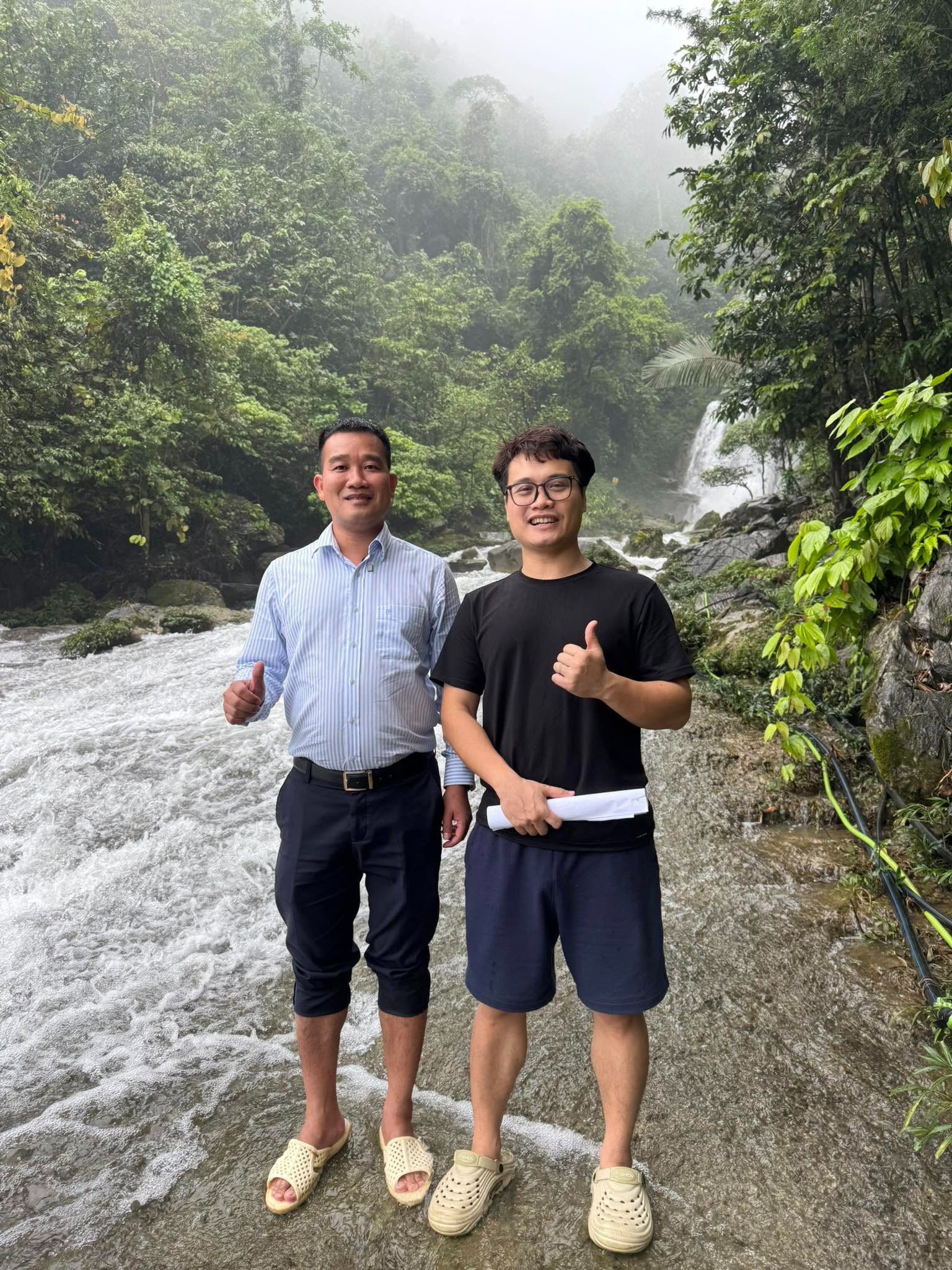
Van Son was formed through the merger of five former communes and is known for its natural scenery and distinctive Muong cultural heritage.
Local authorities are preparing documentation seeking provincial recognition as a tourism area by 2030, with development centered on community-based tourism, nature experiences and indigenous culture.
According to local officials, hundreds of visitors traveled to Van Son on the weekends following the video's release. While visitor numbers remain modest, they demonstrate how well-executed digital content can introduce little-known destinations to a much wider audience.
On July 30, neighboring Long Coc Commune launched its "Every Official, Every Resident Is a Tourism Ambassador" campaign while introducing the Amazing Long Coc digital channel.
Tea hills, festivals, local specialties, OCOP-certified products and community tourism experiences are now being promoted across digital platforms, with both officials and residents encouraged to create and share tourism content.
Turning online views into economic value
During the first six months of 2026, Phu Tho welcomed more than 10.5 million visitors, including over 3.2 million overnight stays and approximately 74,000 international visitors. Tourism revenue is estimated at VND10.755 trillion (US$410 million).
The province aims to attract 15 million visitors and generate VND16.3 trillion (US$621 million) in tourism revenue by the end of the year.
Phu Tho is home to nearly 1,000 officially recognized historical and cultural sites, including two Special National Relic Sites, six National Treasures, and five UNESCO-recognized cultural heritage elements.
Its tourism landscape stretches from the Hung Kings Temple Historic Site to Tam Dao, Tay Thien, Dai Lai, Thanh Thuy, Mai Chau, Hoa Binh Lake, Xuan Son National Park, Long Coc and Van Son.
However, the province's tourism development strategy for 2026-2030 also acknowledges persistent challenges.
Transport connectivity remains uneven, distinctive tourism products are still limited, service quality and workforce capacity require further improvement, while environmental management, food safety and traffic conditions remain concerns at some destinations.
As a result, converting large visitor numbers into stronger economic returns remains a central challenge.
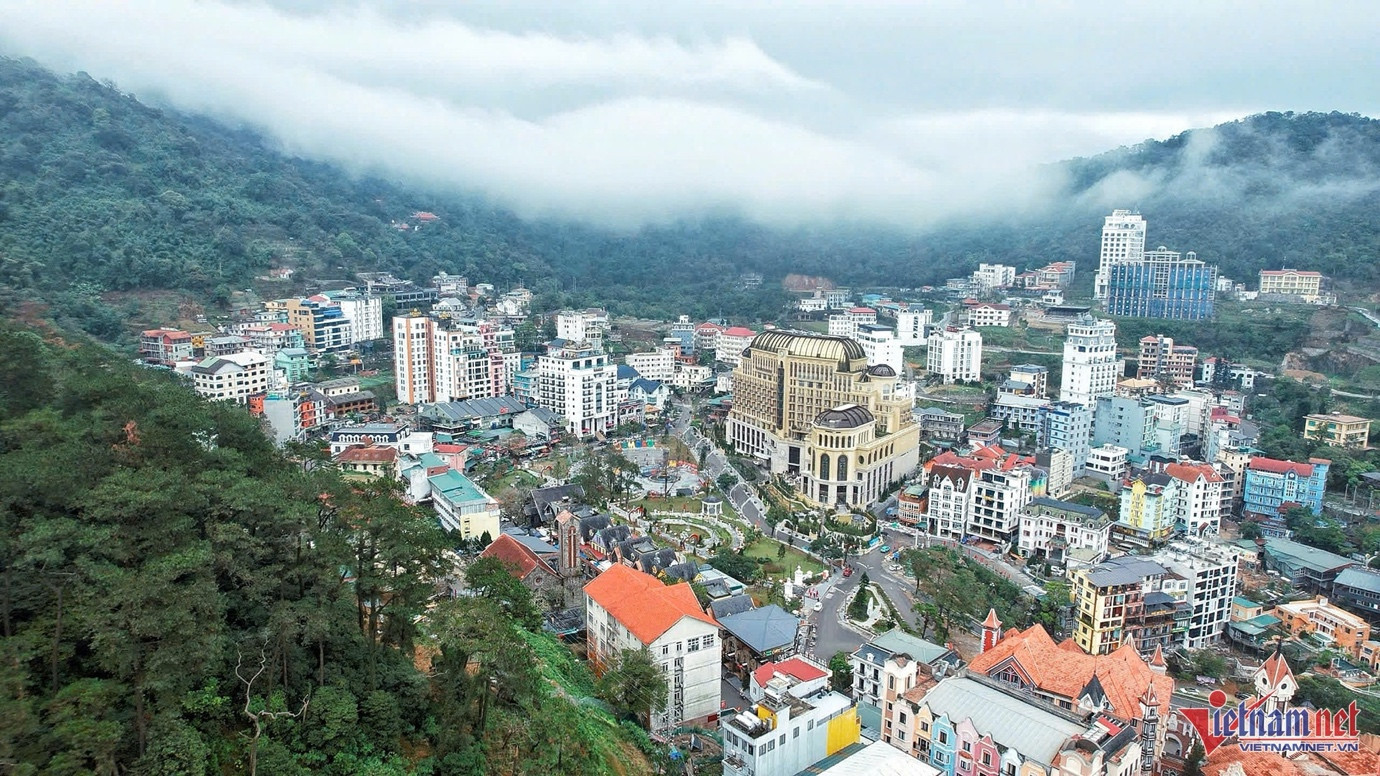
Tam Dao has begun addressing those challenges through practical improvements.
In July, Provincial Party Secretary Pham Dai Duong attended the launch of a month-long campaign to upgrade and improve service quality at Tam Dao National Tourist Area.
Government agencies, tourism businesses and local residents joined efforts to improve sanitation, upgrade accommodation facilities and enhance visitor services.
Speaking about the province's long-term tourism, cultural and creative economy strategy, Chairman of the Phu Tho People's Committee Tran Duy Dong said future development should be built upon the province's cultural roots, making better use of its heritage while integrating tourism with the creative economy to generate sustainable value.
The provincial resolution sets ambitious targets for 2030, including attracting at least 20 million visitors, generating 7.8 million overnight stays, achieving VND26.5 trillion (US$1.01 billion) in tourism revenue, expanding accommodation capacity to more than 22,000 rooms, and creating at least 30,000 direct and indirect jobs.
Digital transformation has been identified as one of the strategy's central pillars.
The province plans to develop a tourism database linked with Vietnam's national tourism information system while expanding the use of GIS mapping, digital maps, QR codes, automated multilingual guides, virtual reality, electronic payments, public Wi-Fi and broadband infrastructure across key tourist destinations.
Phu Tho is also participating in the Expanded Northwest tourism cooperation program, connecting regional tourism websites, developing the Colors of the Northwest tourism fan page, applying artificial intelligence to destination marketing, and producing promotional videos for interprovincial tourism routes.
Government officials and tourism businesses are also receiving training in the use of ChatGPT, trailer production and digital communications.
Technology alone, however, is not enough.
The province plans to further develop cultural and spiritual tourism, hot mineral spring resorts, ecotourism, community-based tourism, golf and MICE tourism, wellness tourism, agricultural tourism and the night-time economy.
Strengthening tourism links between destinations within Phu Tho, Hanoi and Vietnam's expanded Northwest region is also expected to encourage visitors to stay longer.
A single video can make Van Son trend online in a single day.
But turning online views into overnight stays, jobs and sustainable income requires much more than a smartphone. It depends on protected landscapes, reliable services, accessible information, compelling tourism products and coordinated efforts across the entire tourism ecosystem.
Doan Bong
.svg)
