 Vietnamnet.vn

 Podcast



El Niño is one of the weather phenomena with a major impact on Southeast Asia. Southern Vietnam is often clearly affected, typically experiencing reduced rainfall, higher temperatures and an increased risk of drought.
Le Dinh Quyet, Head of the Forecasting Division at the Southern Regional Hydrometeorological Center, said rainfall in southern Vietnam this year is forecast to be below the long-term average. More notably, the rainy season could end earlier than usual.
"Normally, the rainy season in southern Vietnam lasts until mid- or late November. However, this year, many areas in the Mekong Delta could see rainfall decline significantly from around late October to early November," Quyet said.
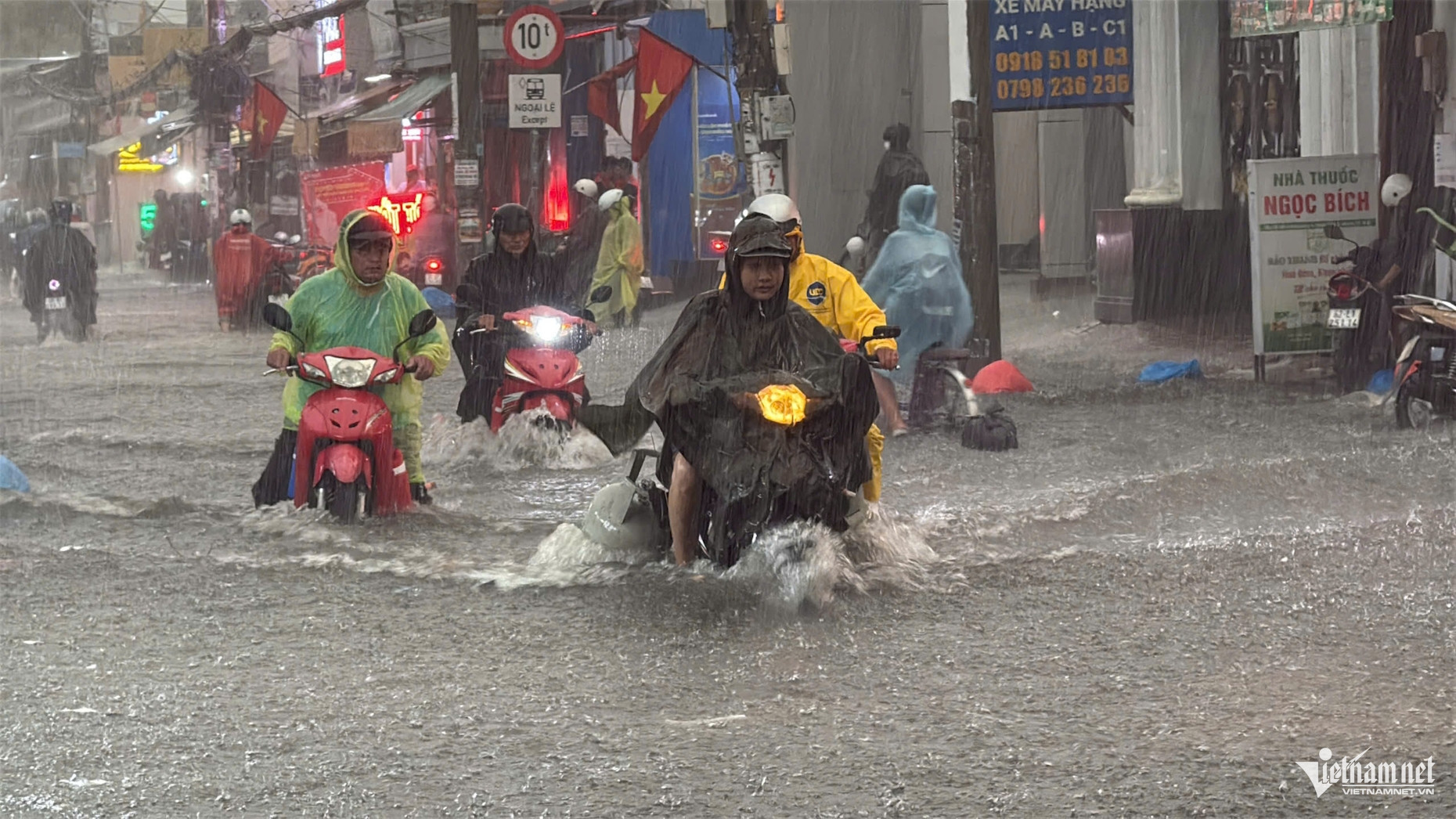
An early end to the rainy season, combined with persistently high temperatures, would cause water levels in rivers, reservoirs and canals to fall more quickly because of stronger evaporation.
If water reserves accumulated during the rainy season are insufficient, shortages of water for daily use and production could emerge earlier in the dry season.
For people in rural areas, particularly coastal communities, freshwater supplies for household use and irrigation are always a major concern when the dry season arrives.
During years of severe drought and saltwater intrusion, many households have had to rely on stored water or purchase freshwater for daily needs.
Saltwater boundary could extend hundreds of kilometers inland
Alongside the threat of water shortages, saltwater intrusion is forecast to remain a major challenge for the Mekong Delta during the coming dry season.
According to Quyet, if El Niño becomes strong, reduced flows from the upper Mekong River combined with low local rainfall could allow seawater to penetrate farther inland through river mouths.
Depending on the location, the saltwater boundary could extend from tens to hundreds of kilometers into rivers, canals and waterways.
Localities including the former Soc Trang province, Vinh Long and Ca Mau are forecast to be among the areas most severely affected.
Identifying El Niño 2026-2027: Extreme heat, abnormal floods and rainfall
Saltwater intrusion affects not only household water supplies but also agricultural production. Rice-growing areas, orchards and aquaculture zones could be affected unless farmers proactively adjust their production plans in line with changing water conditions.
Strong El Niño years have previously caused severe drought and saltwater intrusion in southern Vietnam. A notable example was the 2015-2016 dry season, when many localities recorded historic levels of saltwater intrusion.
Quyet said water availability in the Mekong Delta depends on both local rainfall and upstream flows. When both decline, early implementation of response measures becomes essential.
Authorities and residents therefore need to proactively store freshwater, operate irrigation systems flexibly to prevent saltwater intrusion and retain freshwater, adjust crop calendars, and shift toward crops and livestock that can withstand drought and salinity.
"As climate change becomes increasingly evident, adapting to drought and saltwater intrusion is not only an immediate response measure but also a long-term requirement for protecting livelihoods and maintaining sustainable production in southern Vietnam," Quyet emphasized.
Bao Anh
.svg)
