 Vietnamnet.vn

 Podcast


In Keo Nang hamlet, Ban Nhuong village, Yen Thinh commune, Thai Nguyen province, Red Dao women continue to devote their spare time to traditional embroidery and weaving, preserving a craft passed down through generations.
Despite changes in modern lifestyles and the challenges of earning a living from handmade textiles, the women remain committed to protecting an important part of their cultural heritage.
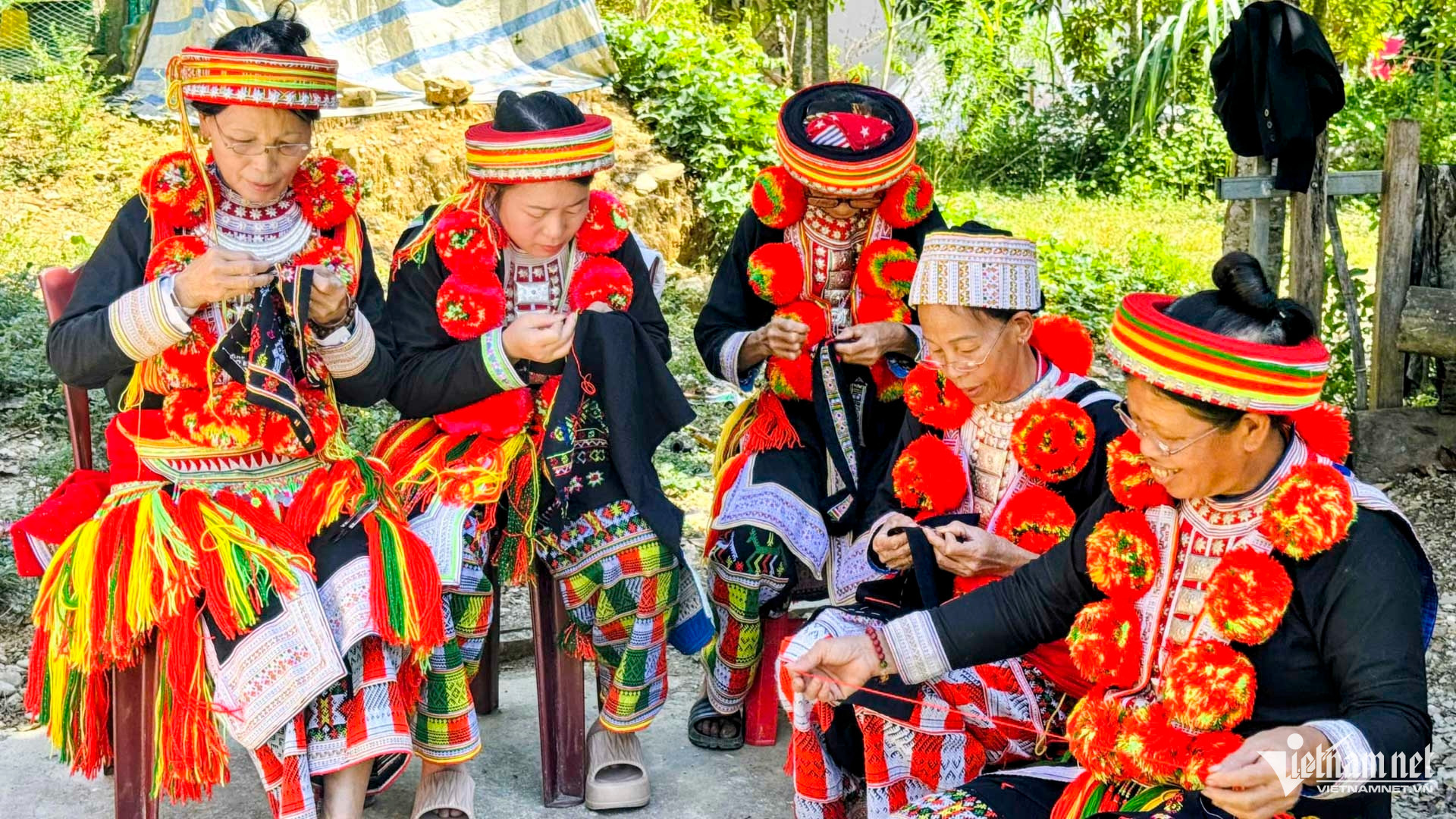
Every stitch tells a story of cultural identity
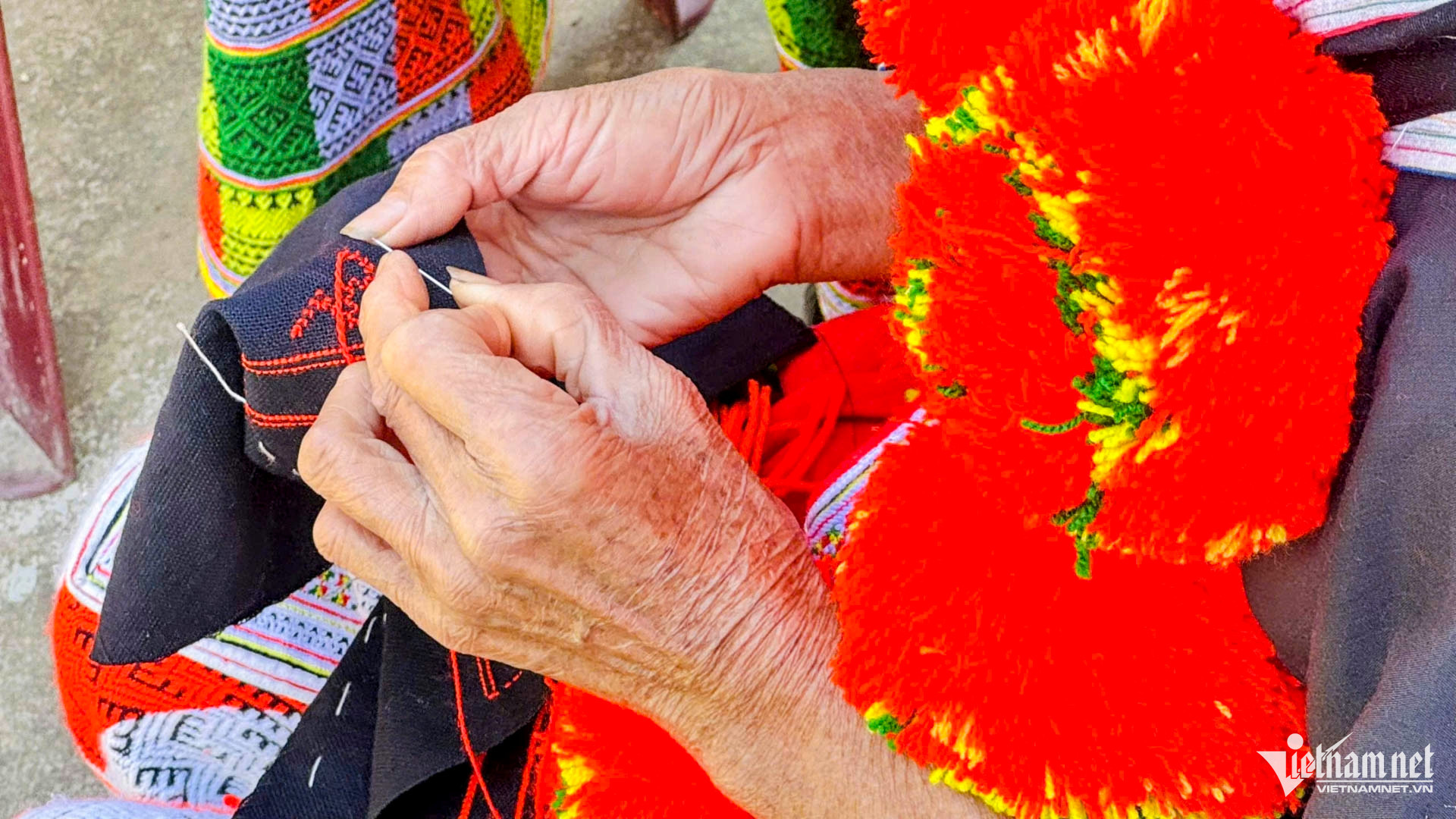
After working in the fields, 60-year-old Trieu Thi Coi joins other women in Keo Nang hamlet to embroider and weave traditional clothing.
For generations, these handicrafts have been woven into the everyday lives of the Red Dao community.
Ban Nhuong village has approximately 65 households, nearly 90% of which belong to the Red Dao ethnic group.
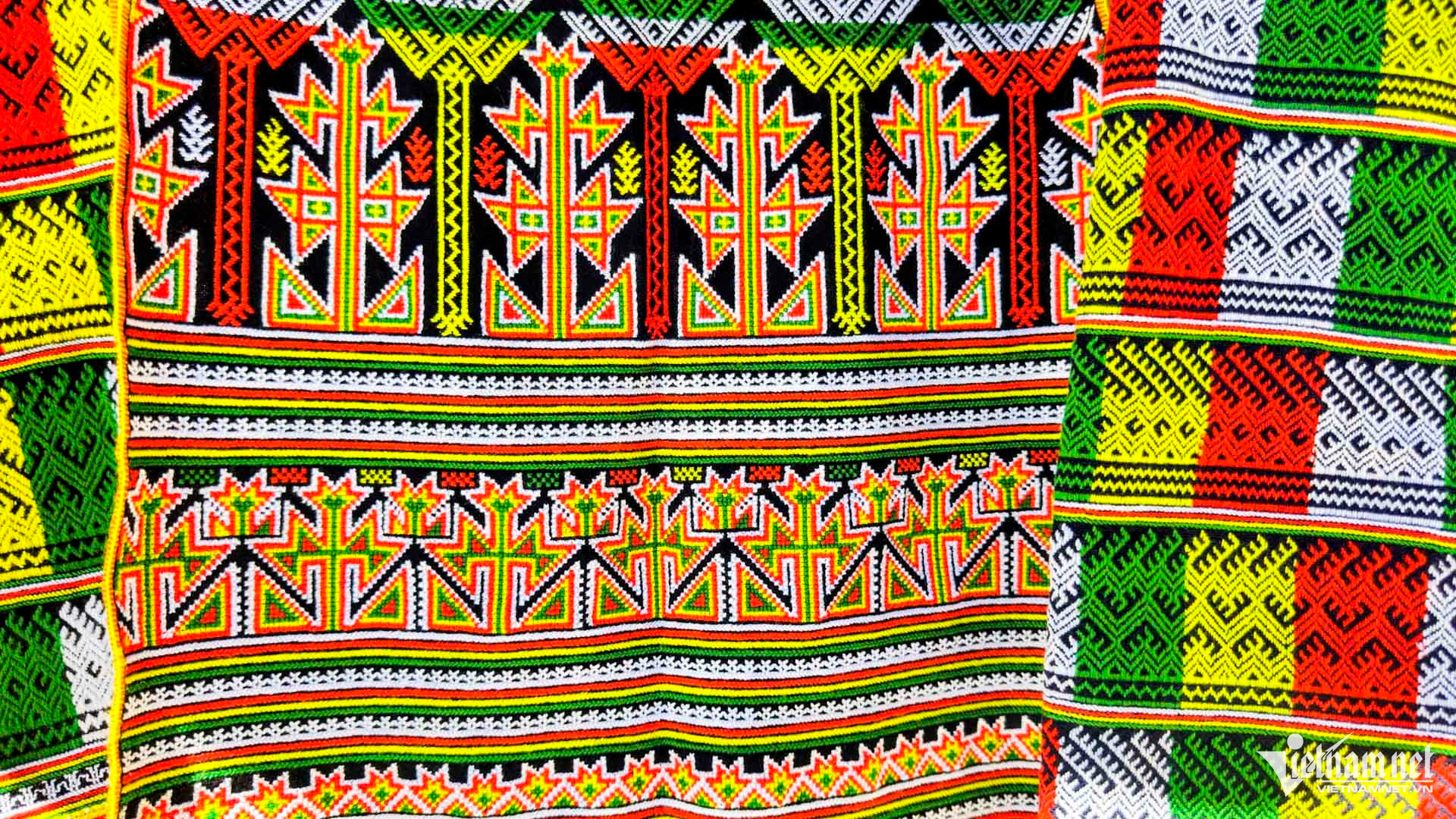
Their traditional costumes are distinguished by vibrant red accents and elaborate embroidered patterns that reflect the community's distinctive cultural identity.
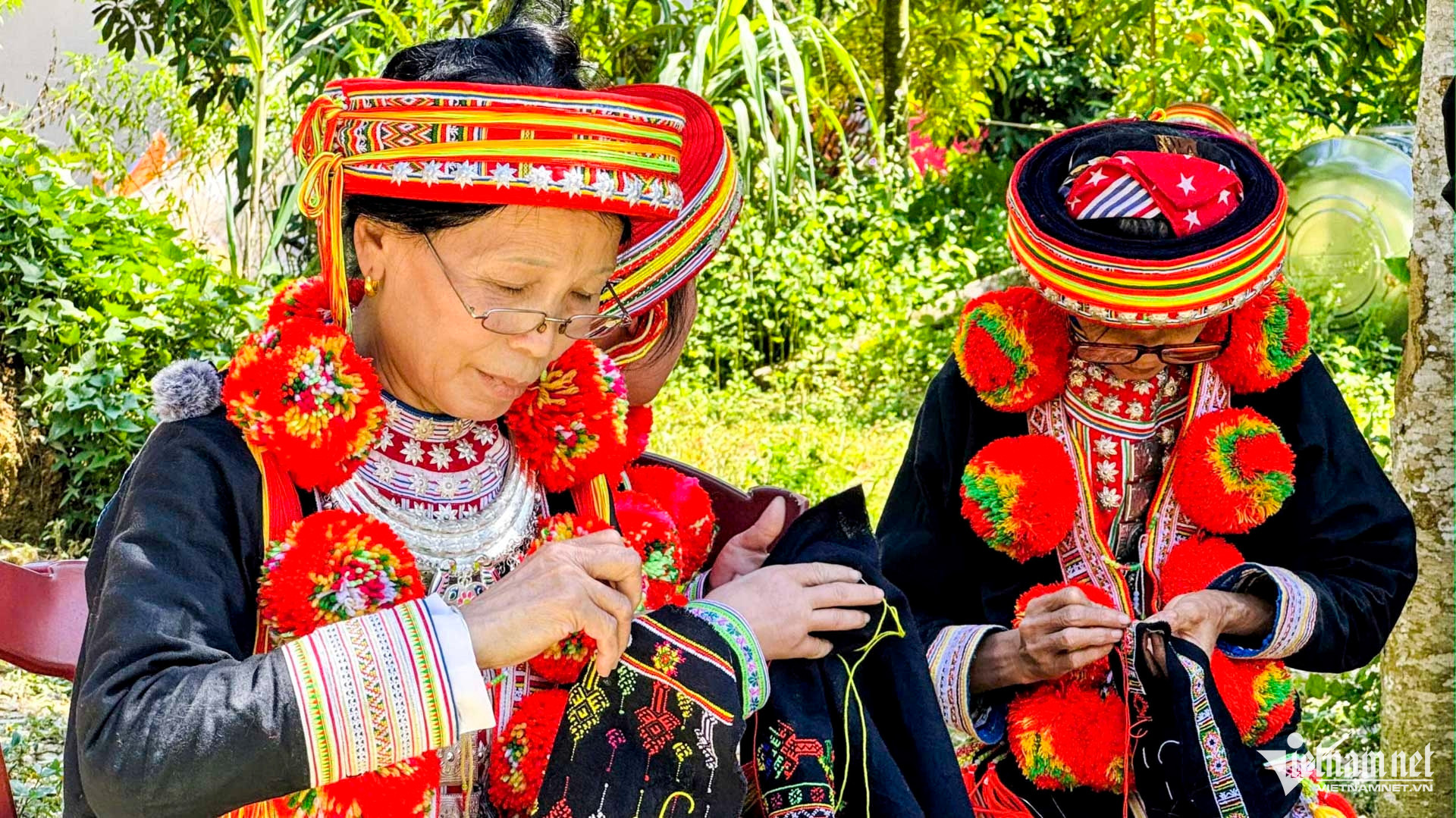
According to Dang Thi Loi, 58, a member of the local embroidery and weaving group, producing a traditional garment involves numerous stages, from selecting fabrics and threads to designing and stitching decorative patterns.
Indigo-dyed fabric is particularly popular because of its durability and ability to retain color over time.
One of the most distinctive features of Red Dao embroidery is that artisans work from the reverse side of the fabric.
When the material is turned over, the intricate patterns appear clearly and harmoniously on the front.
This technique requires considerable precision and patience.
Artisans must combine different stitching methods to ensure that the stitches remain even and that loose thread ends are concealed.
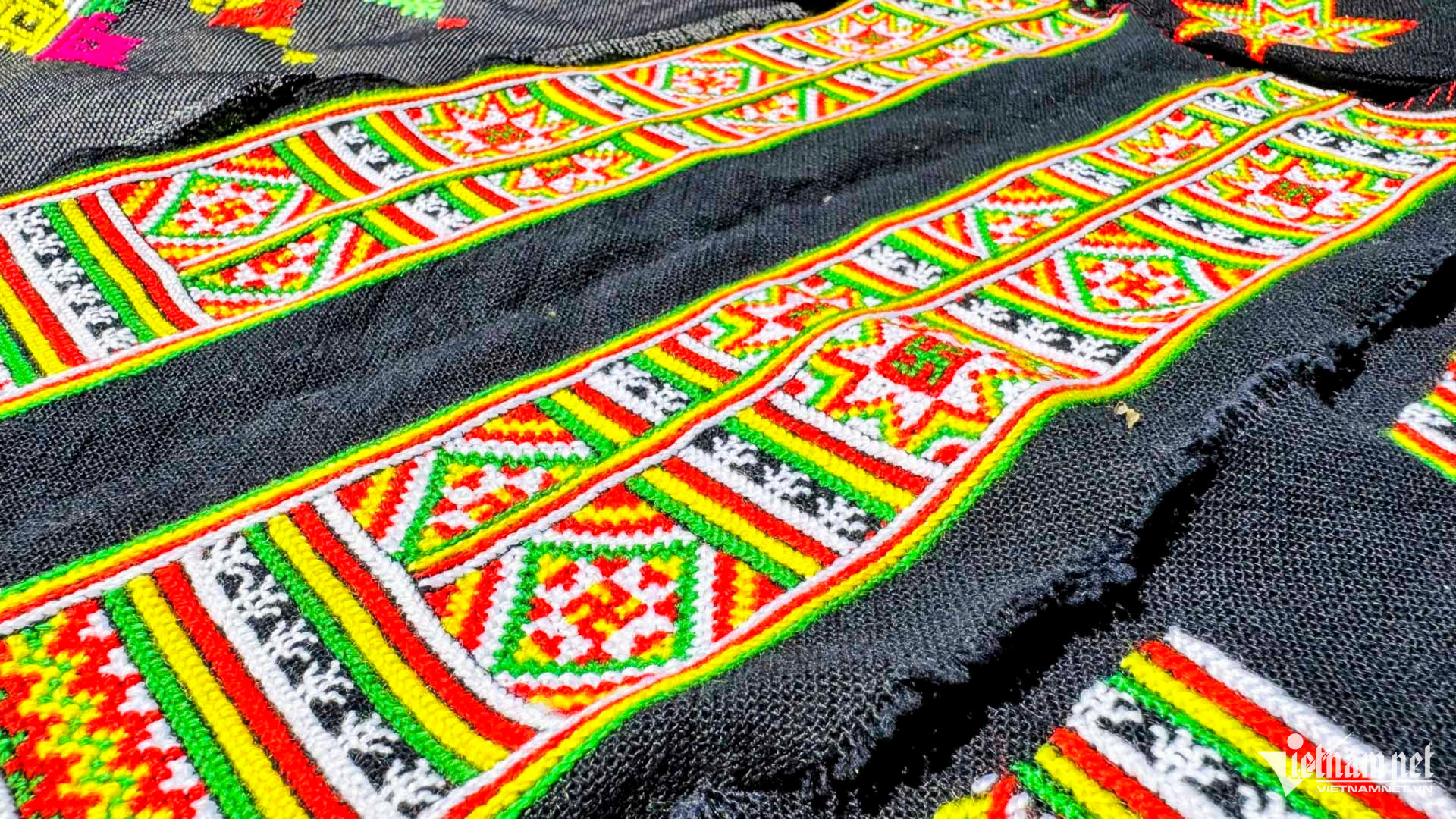
A complete traditional costume consists of a headscarf, jacket, trousers, waistband, bib and jewelry.
Among these components, the waistband is considered the most difficult to make because of its length, thickness and complex layers of decorative patterns.
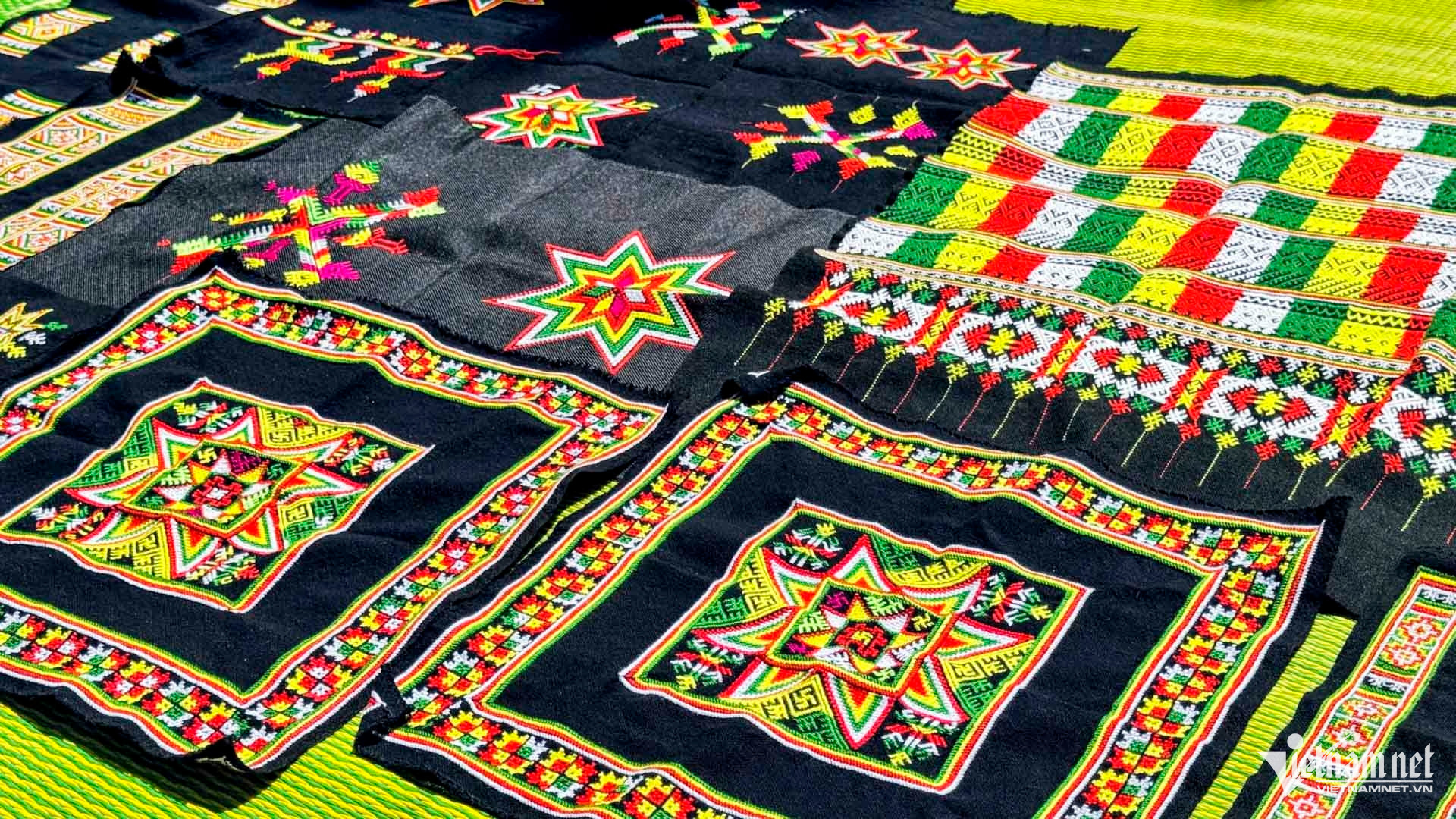
Coi explained that the motifs on each garment depend largely on the artisan's personal preferences and creative ideas.
As a result, every finished costume is unique, reflecting the skill, dedication and individuality of its maker.
Preserving a centuries-old craft for future generations
Coi said nobody in the community remembers exactly when traditional embroidery and weaving first began.
She recalled watching her mother and grandmother embroider clothes when she was young and gradually learning the techniques by observing and practicing alongside them.
For skilled artisans, completing a full traditional costume can take anywhere from six months to a year.
The process involves thousands of stitches, all meticulously sewn by hand.
Today, however, some production stages have changed.
To reduce costs and save time, artisans increasingly purchase materials from outside suppliers rather than weaving fabric and dyeing cloth and thread themselves.
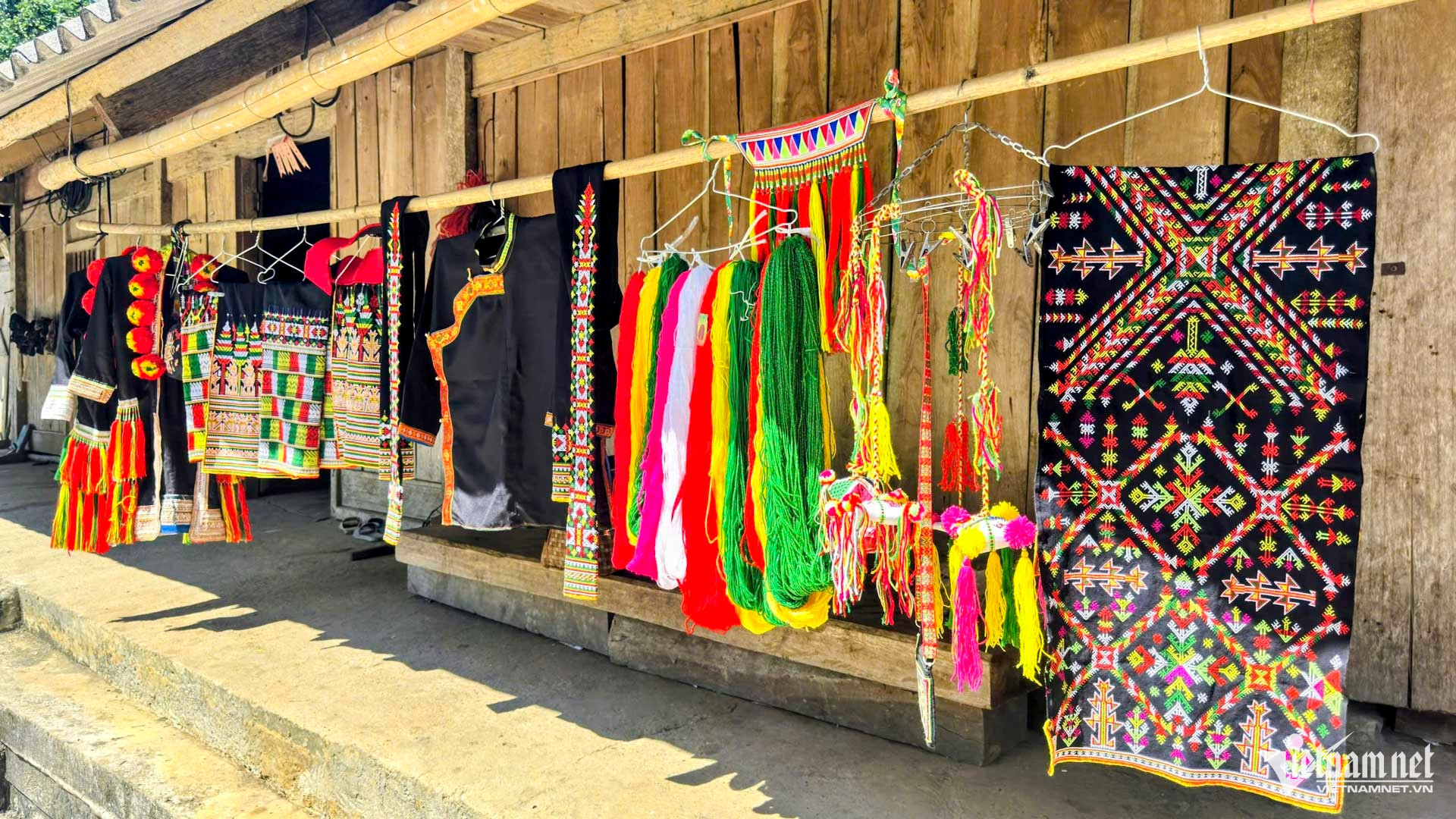
Despite these adjustments, maintaining the craft has become increasingly difficult.
According to local artisans, only around 30 to 40 people in the community remain proficient in traditional embroidery and weaving techniques.
Most are over 40 years old, raising concerns about whether younger generations will continue the practice.
A traditional men's costume sells for approximately VND5 million ($190), while a women's costume costs around VND15 million ($575).
However, demand remains inconsistent, making it difficult for embroidery and weaving to provide a stable primary income for local households.
Local authorities and community organizations are seeking ways to address these challenges.
Efforts include promoting traditional products, connecting artisans with potential buyers and creating opportunities for younger people to learn the craft.
Trieu Thi Huong, 40, head of the local Women's Union branch in Yen Thinh commune, emphasized that preserving traditional embroidery and weaving offers benefits beyond cultural conservation.
She said maintaining and developing the craft could also create new livelihood opportunities for local residents.
As modern life continues to transform rural communities, Red Dao women in Thai Nguyen remain dedicated to their needles, threads and fabrics.
Each finished garment represents more than traditional clothing. It embodies generations of memories, artistic skill and cultural pride.
For these women, preserving embroidery and weaving is not simply about keeping an old occupation alive. It is about ensuring that the identity and traditions of their ancestors continue to find a place in the lives of future generations.
Bao Khanh

