 Vietnamnet.vn

 Podcast



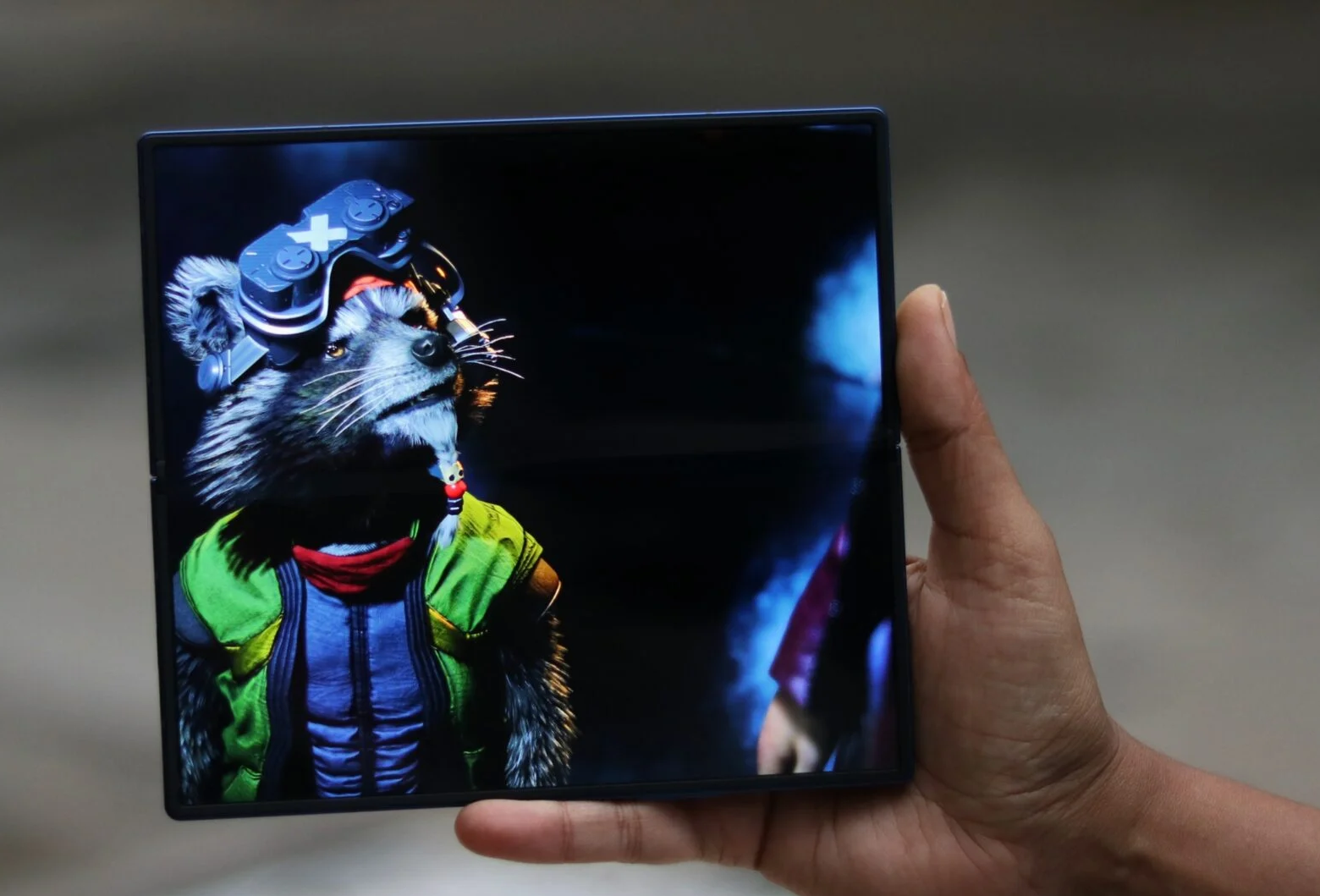
So far, the market has yet to see a widely adopted wide-fold smartphone design. However, the concept appears to be gaining strong user interest.
In a recent survey, when asked which foldable design they would prefer for everyday use, most respondents favored the wide-fold format.
Nearly 34% of users identified this design as the most appealing. The figure not only highlights its growing popularity but also suggests that only about one-third of users are convinced by the type of foldable device Apple may introduce in the near future.
Meanwhile, around 23% of respondents preferred the design of the Galaxy Z Fold 7, which unfolds from a standard smartphone form.
This is a positive signal for Samsung, as the Galaxy Z Wide Fold is likely to launch alongside the Galaxy Z Fold 8 at the company’s summer event.
Notably, Apple currently has no comparable product in this segment.
About 11% of users still favor the clamshell (flip) design, further strengthening Samsung’s position, as the company is also expected to introduce the Galaxy Z Flip 8 at the same event.
Apple, on the other hand, is unlikely to enter the flip phone segment anytime soon.
Overall, Samsung is building a diverse foldable ecosystem that caters to nearly all user preferences.
Only around 3% of users favor the traditional tall and narrow foldable design, which remains underserved.
Despite growing interest, foldable smartphones are still considered a niche market. The survey reflects this reality: although the wide-fold design leads in popularity, traditional bar-style smartphones remain close behind, with 29% of users saying they do not want a foldable device.
However, this does not indicate market saturation. On the contrary, it suggests significant room for growth.
Unlike less successful experiments such as ultra-thin flagships like the Galaxy S25 Edge or iPhone Air, foldable smartphones have steadily expanded their user base over the years.
The entry of Apple into the foldable segment is expected to accelerate adoption and attract new users.
Paradoxically, Samsung may benefit the most. With a broader product lineup, the Korean tech giant has more opportunities to persuade consumers to choose Galaxy devices rather than being limited to a single design option from Apple.
A turning point for the smartphone industry
While the commercial success of the Galaxy Z Wide Fold remains uncertain, its potential impact on the industry is undeniable.
If consumers embrace the wide-fold design, it could become a new standard, triggering a wave of transformation across the smartphone sector.
Conversely, if it fails, the consequences may extend beyond Samsung, potentially slowing the global adoption of foldable devices.
In a market increasingly saturated with similar designs, the Galaxy Z Wide Fold represents a high-stakes bet. If successful, it will not only reinforce Samsung’s leadership but also redefine how smartphones are used in the future.
Hai Phong
.svg)
