 Vietnamnet.vn

 Podcast



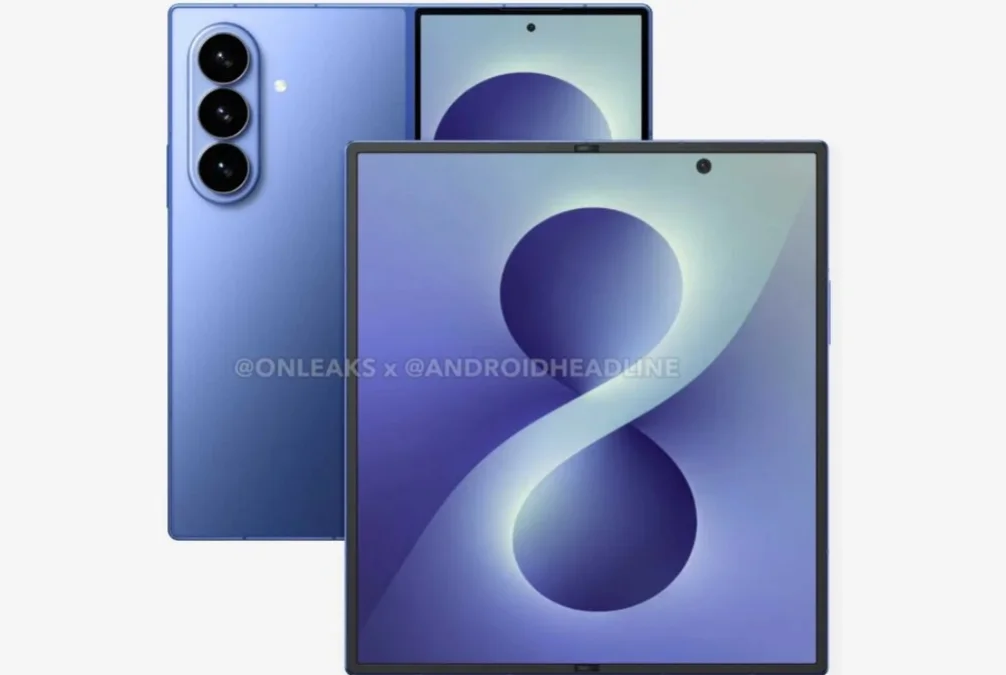
The most significant upgrade rumored for the Galaxy Z Fold 8 Ultra is a 5,000mAh battery, replacing the 4,400mAh unit found in the Galaxy Z Fold 7.
On paper, the increase of roughly 600mAh represents nearly 14% additional capacity - a substantial improvement for a foldable device where internal space is traditionally limited.
More importantly, real-world battery life could see an even greater boost thanks to the next-generation Snapdragon 8 Elite Gen 5 processor and Samsung's long-established software optimization expertise.
Samsung is also reportedly increasing charging speeds to 45W.
Although that figure still trails Chinese competitors such as Oppo, Vivo, OnePlus, Honor and Xiaomi, it would represent a meaningful step forward from the 25W charging standard on the Galaxy Z Fold 7.
The improvement could significantly reduce charging times, one of the most common complaints among Fold users over recent generations.
What makes the rumored upgrade particularly interesting is Samsung's apparent determination not to sacrifice design for battery capacity.
Leaks suggest the Galaxy Z Fold 8 Ultra will maintain a weight of around 215g, similar to its predecessor. When unfolded, the device could even become thinner, shrinking from 4.2mm to 4.1mm.
Ordinarily, adding an extra 600mAh of battery capacity would result in a thicker or heavier device.
If the reported specifications prove accurate, Samsung would likely need to implement highly sophisticated engineering solutions to optimize internal space.
This may also explain the decision to introduce the Ultra branding, emphasizing engineering achievements rather than raw specifications alone.
Is the Ultra name justified?
Beyond battery and charging improvements, however, most other aspects of the device are rumored to remain largely unchanged.
The overall design is expected to stay similar, aside from the slight reduction in thickness.
As a result, some industry observers view the Galaxy Z Fold 8 Ultra as essentially a Galaxy Z Fold 7 with a larger battery and faster charging.
Compared with other premium foldables expected to launch during the same period, Samsung's battery specifications may not stand out dramatically.
The Google Pixel 10 Pro Fold is rumored to feature a 5,015mAh battery and 30W charging.
Meanwhile, Motorola's upcoming foldable could offer a 6,000mAh battery paired with 80W fast charging.
Chinese rivals appear even more ambitious. The Honor Magic V6 is expected to feature a 6,660mAh battery, while the Oppo Find N6 and Vivo X Fold 5 could both arrive with 6,000mAh batteries and 80W charging technology.
Even Apple's long-rumored first foldable iPhone Ultra is reportedly expected to include a battery of around 5,500mAh.
Against that backdrop, Samsung's 5,000mAh battery and 45W charging solution do not appear overwhelmingly competitive on paper.
Samsung may instead focus on thinness and portability as key selling points.
With a body measuring just 4.1mm when unfolded and weighing approximately 215g, the Galaxy Z Fold 8 Ultra could rank among the thinnest and lightest foldable smartphones in the world.
The challenge is whether that alone justifies the Ultra designation.
For years, Samsung's Ultra branding has been associated with major breakthroughs, including class-leading camera systems, integrated S Pen support and exclusive flagship technologies within the Galaxy S Ultra lineup.
If current rumors prove accurate, the Galaxy Z Fold 8 Ultra may not offer sufficiently distinctive features beyond battery and charging improvements.
Expected innovations such as next-generation S Pen support or Privacy Display technology reportedly planned for the Galaxy S26 Ultra have yet to appear in any credible leaks.
Industry analysts are also watching pricing closely.
If Samsung applies an Ultra-level price premium, potentially several hundred dollars above the Galaxy Z Fold 7 and approaching the expected price of Apple's first foldable iPhone, mainstream consumer appeal could be significantly affected.
Hai Phong
.svg)
