 Vietnamnet.vn

 Podcast



According to multiple supply chain sources, Samsung is reportedly planning to rename the device Galaxy Z Fold 8 Ultra, while introducing an entirely new foldable model called the Galaxy Z Fold 8 with an ultra-wide display design.
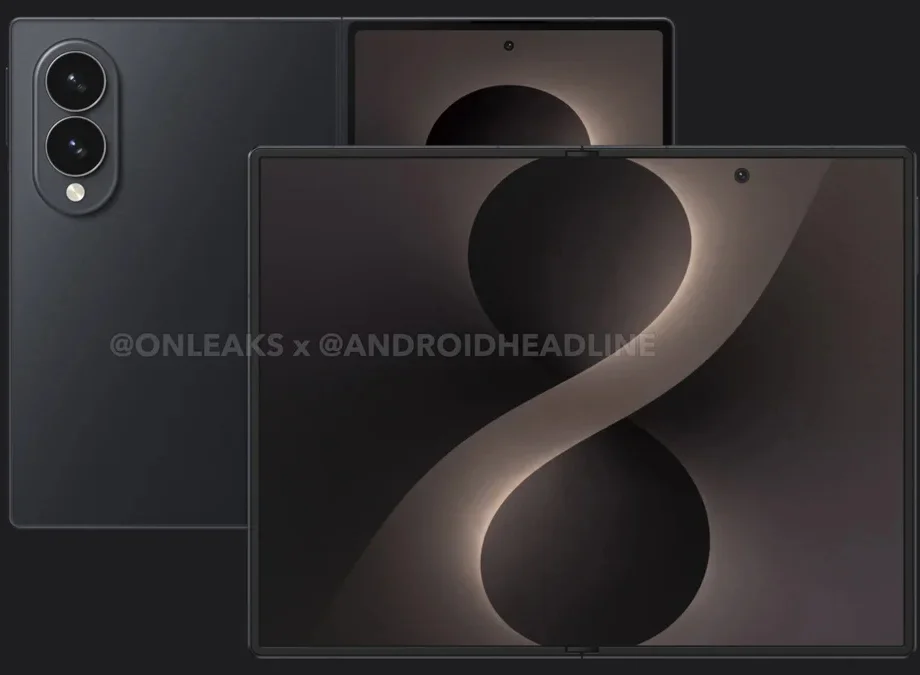
The move is seen as one of Samsung’s biggest changes to the Fold lineup since the series was first introduced.
Galaxy Z Fold 8 Ultra could become Samsung’s new hardware beast
According to leaked information, the device previously known as the Galaxy Z Fold 8 will become the Galaxy Z Fold 8 Ultra to emphasize its position as Samsung’s highest-end foldable flagship.
The rumored specifications appear to support that positioning. The Galaxy Z Fold 8 Ultra is expected to feature a 5,000mAh battery - a long-requested upgrade among Fold users.
The larger battery is considered a major improvement, as battery life has consistently been one of the biggest complaints surrounding Samsung’s Fold devices, especially compared with similarly sized traditional smartphones.
In addition to the larger battery, the Ultra model is also rumored to retain a premium triple-camera setup, including a telephoto lens.
That would help the device maintain its standing as a true flagship rather than simply an expensive foldable phone.
Meanwhile, Samsung’s new wide-screen foldable is expected to feature more modest specifications.
Rumors suggest the device will include only two rear cameras and may not feature a telephoto lens. Its battery capacity is also expected to be slightly smaller, around 4,800mAh.
Analysts believe Samsung is intentionally creating a clearer separation between the two products to establish more distinct tiers within the Fold lineup.
Galaxy Z Wide Fold may disappear before launch
Previously, tech insiders referred to Samsung’s new wide-display foldable by names such as Galaxy Z Wide Fold and Galaxy Z Fold 8 Wide. However, both names were criticized for being lengthy and difficult to remember.
Now, according to new reports, Samsung may simplify the branding by naming the wide-display device simply Galaxy Z Fold 8, while rebranding the traditional Fold model as the “Ultra” version.
If accurate, the strategy would mirror Samsung’s naming structure for the Galaxy S lineup. The standard name would represent the more mainstream model, while “Ultra” would identify the highest-end version.
The approach could make the product hierarchy easier for consumers to understand, although it may also create confusion during the transition period among long-time Fold users familiar with the old naming system.
Samsung is reportedly testing a new selfie camera technology for both upcoming foldables as well.
Based on leaked renders and reports, the front-facing camera on the outer display could become significantly smaller than previous generations.
The change would allow for a cleaner front design, maximize display space and deliver a more seamless viewing experience.
Industry analysts believe Samsung may be testing the technology before introducing it to the Galaxy S27 lineup next year. If successful, the move could bring Galaxy devices closer to a true all-screen design.
Apple may be moving in a similar direction
Interestingly, Apple is also rumored to be considering a similar branding strategy for its first foldable iPhone.
Recent reports suggest the foldable iPhone expected to launch alongside the iPhone 18 Pro series may carry the name “iPhone Ultra” instead of “iPhone Fold.”
That would position the device as an ultra-premium product rather than simply another foldable variant.
At the same time, Samsung is rumored to be planning to introduce a “Pro” branding strategy for the Galaxy S27 lineup. A Galaxy S27 Pro model is reportedly in development with hardware close to the Galaxy S27 Ultra but in a more compact form factor and possibly without S Pen support.
The fact that the two largest smartphone rivals are both shifting toward names like “Ultra” and “Pro” suggests the mobile industry could be entering a new phase of branding standardization.
There are several theories behind Samsung’s possible renaming strategy, but two explanations stand out.
First, Samsung may be preparing for direct competition with Apple’s future foldable iPhone.
If ultra-wide foldable designs become the next major trend, Samsung likely does not want to risk falling behind.
By naming the wide-screen model Galaxy Z Fold 8, Samsung could position it as the default foldable choice rather than a secondary experimental version under the “Wide Fold” label.
The second reason is simpler: the traditional Fold model reportedly features more powerful and premium hardware, making the “Ultra” branding a natural fit.
The strategy would also allow Samsung to create clearer product segmentation, similar to the approach that has already proven successful with the Galaxy S lineup.
After years of maintaining a relatively stable naming system, Samsung now appears to be preparing for a major repositioning not only for its foldable devices, but potentially for the broader Galaxy smartphone ecosystem as well.
Hai Phong
.svg)
