 Vietnamnet.vn

 Podcast



In mid-March, Nguyen Thi Kieu Trang visited the former imperial capital for a short trip. Alongside exploring well-known attractions, she made time to sample a range of local dishes widely considered must-tries in the city.
She described Hue’s cuisine as diverse and appealing, both in presentation and flavor, with prices that remain strikingly affordable despite the city’s popularity as a tourist destination.
During her trip, Trang sampled a variety of local favorites, including duck balut stewed with gourd, banh canh, banh ep, nem lui, bun bo Hue, and com hen. She also tried salt coffee - a signature drink of the city - along with traditional cakes such as banh bot loc, banh nam, and banh beo.
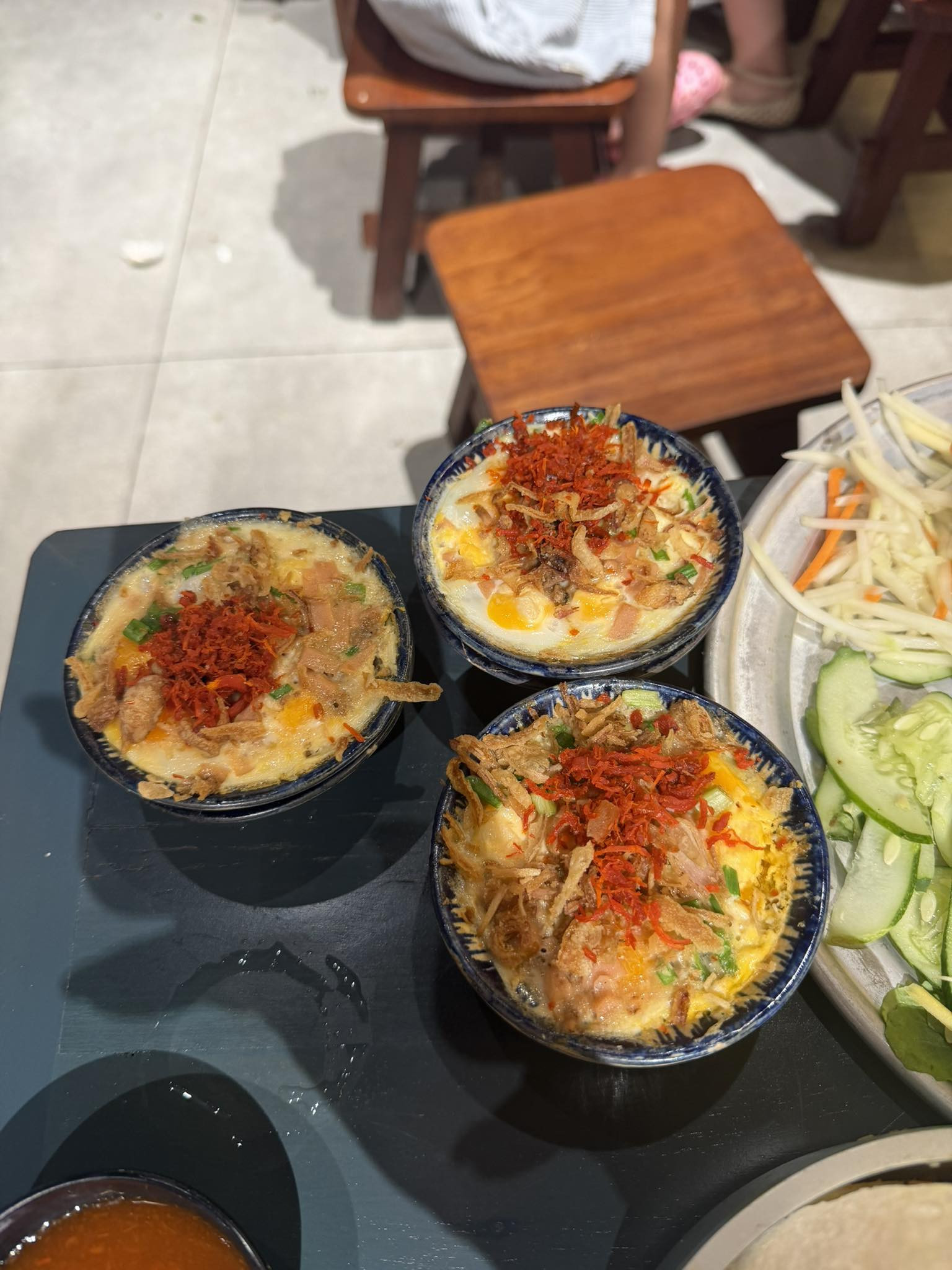
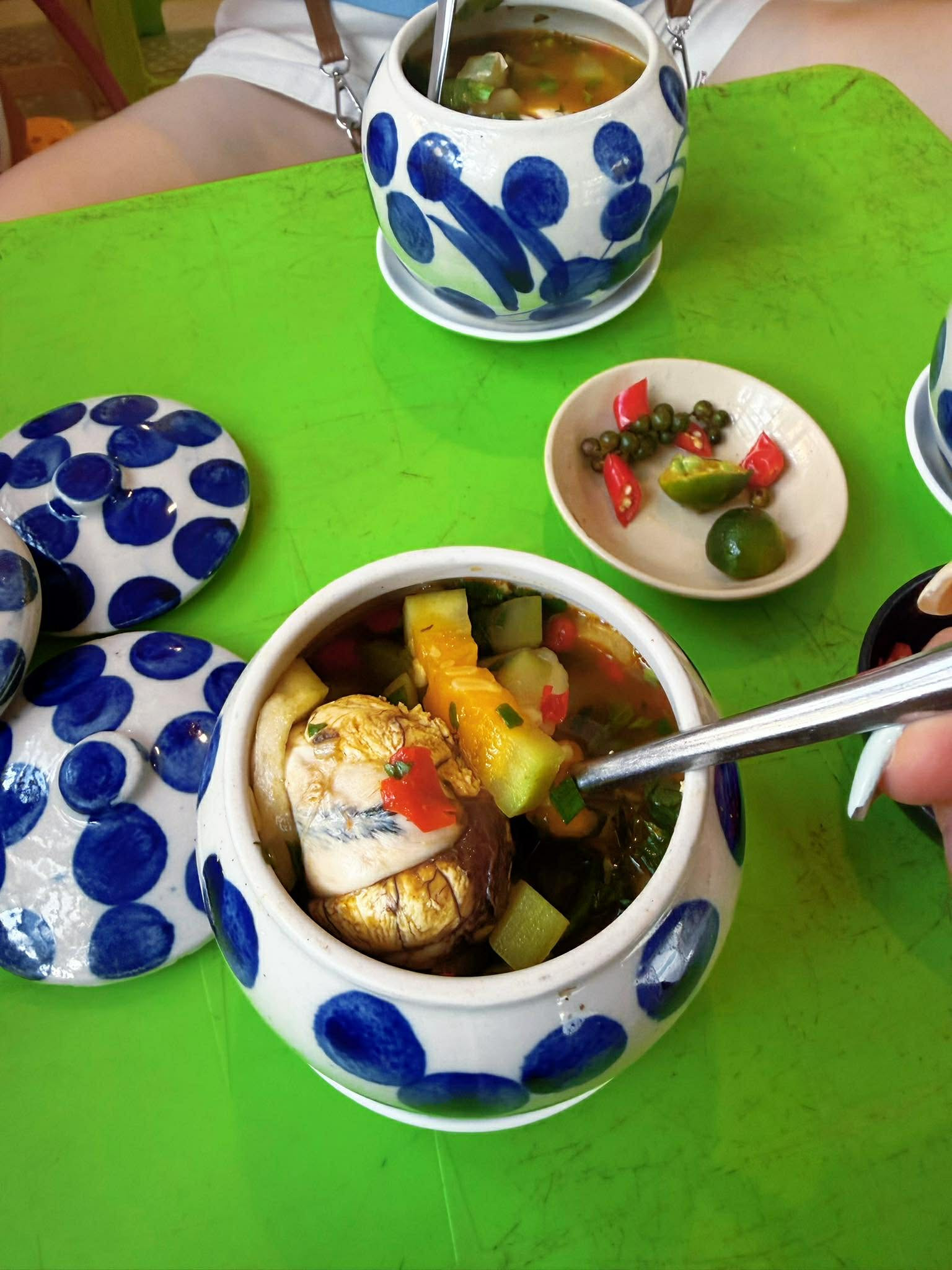
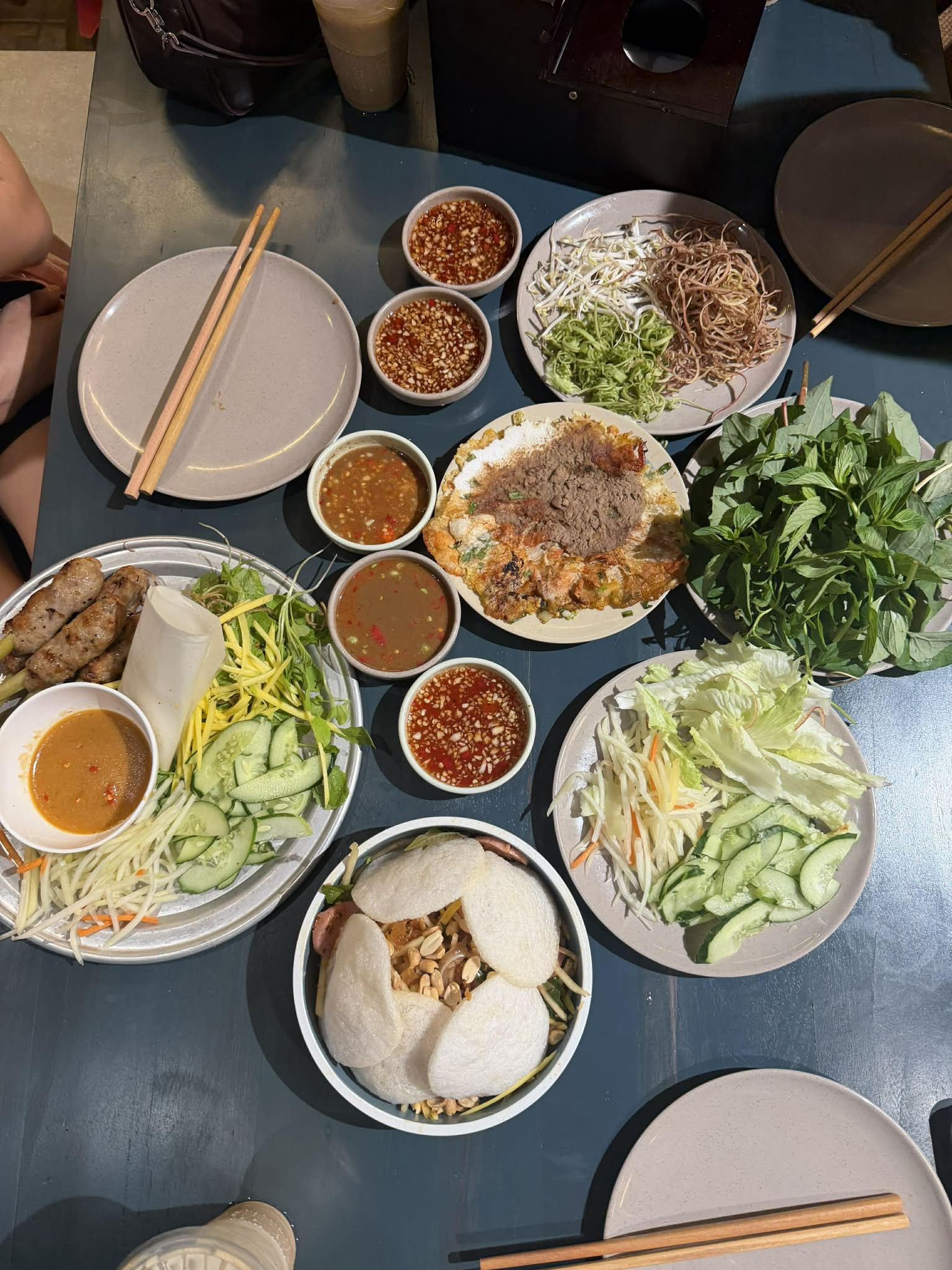
What impressed her most, however, was a traditional rice meal at a local eatery on Ham Nghi Street.
The tray, priced at just VND45,000 (US$1.80), featured seven dishes neatly arranged: boiled pork, fried eggs, braised fish, stir-fried chayote, stir-fried beans, a bowl of soup, and a serving of white rice.
According to Trang, the dishes were not only affordable but also well-seasoned, delivering a comforting, home-style taste.
“I was surprised that such a full meal could be so inexpensive. The rice alone was enough for three people since we don’t eat much. The side dishes were suitable for one or two people, so we ordered a couple more items to feel satisfied,” she said.
Though simple in appearance and commonly found in everyday Vietnamese meals, the dishes carried a distinct Hue character. That uniqueness, she noted, came from the dipping sauce served with the boiled pork - a local specialty known as mam ca ro.
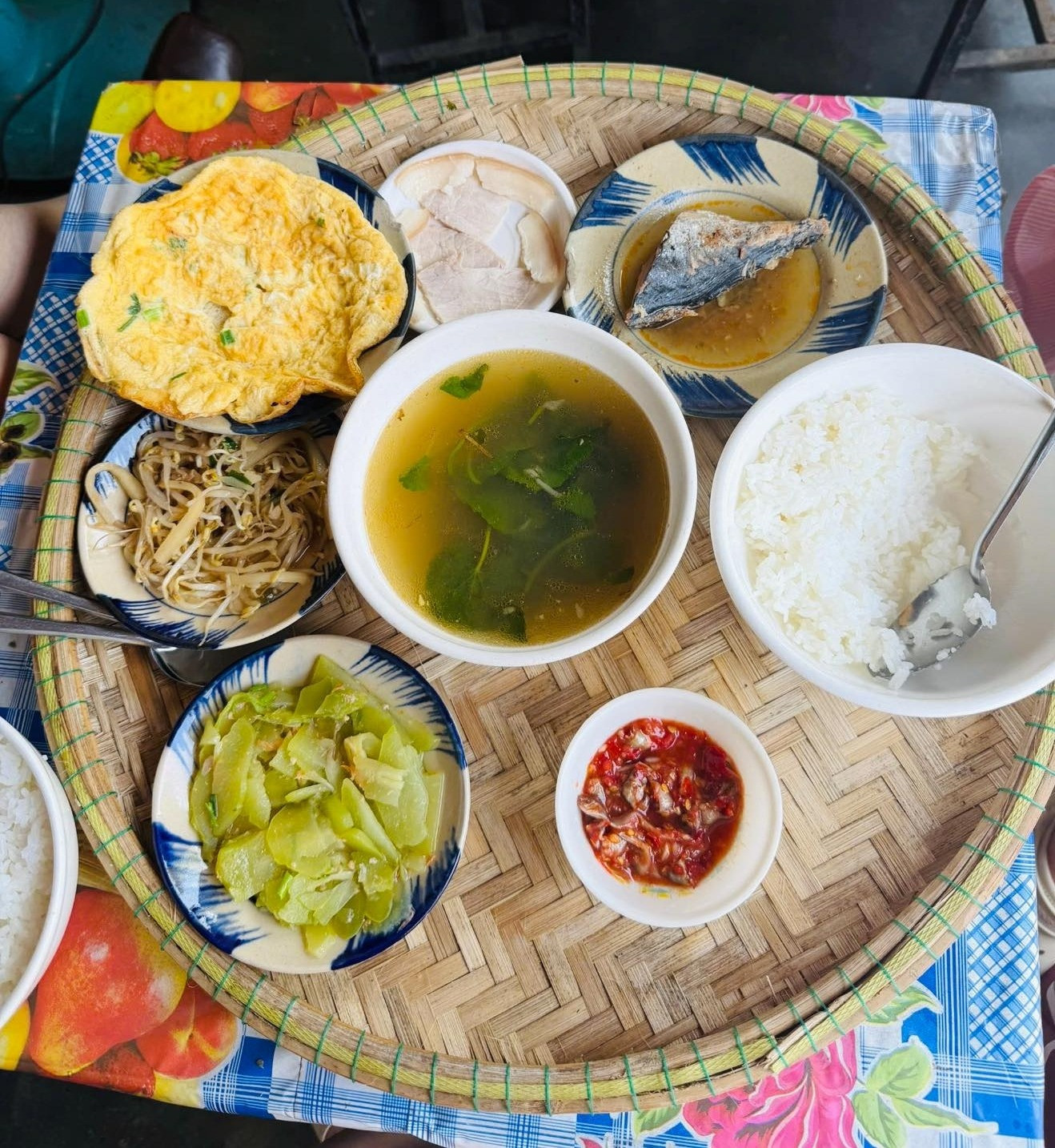
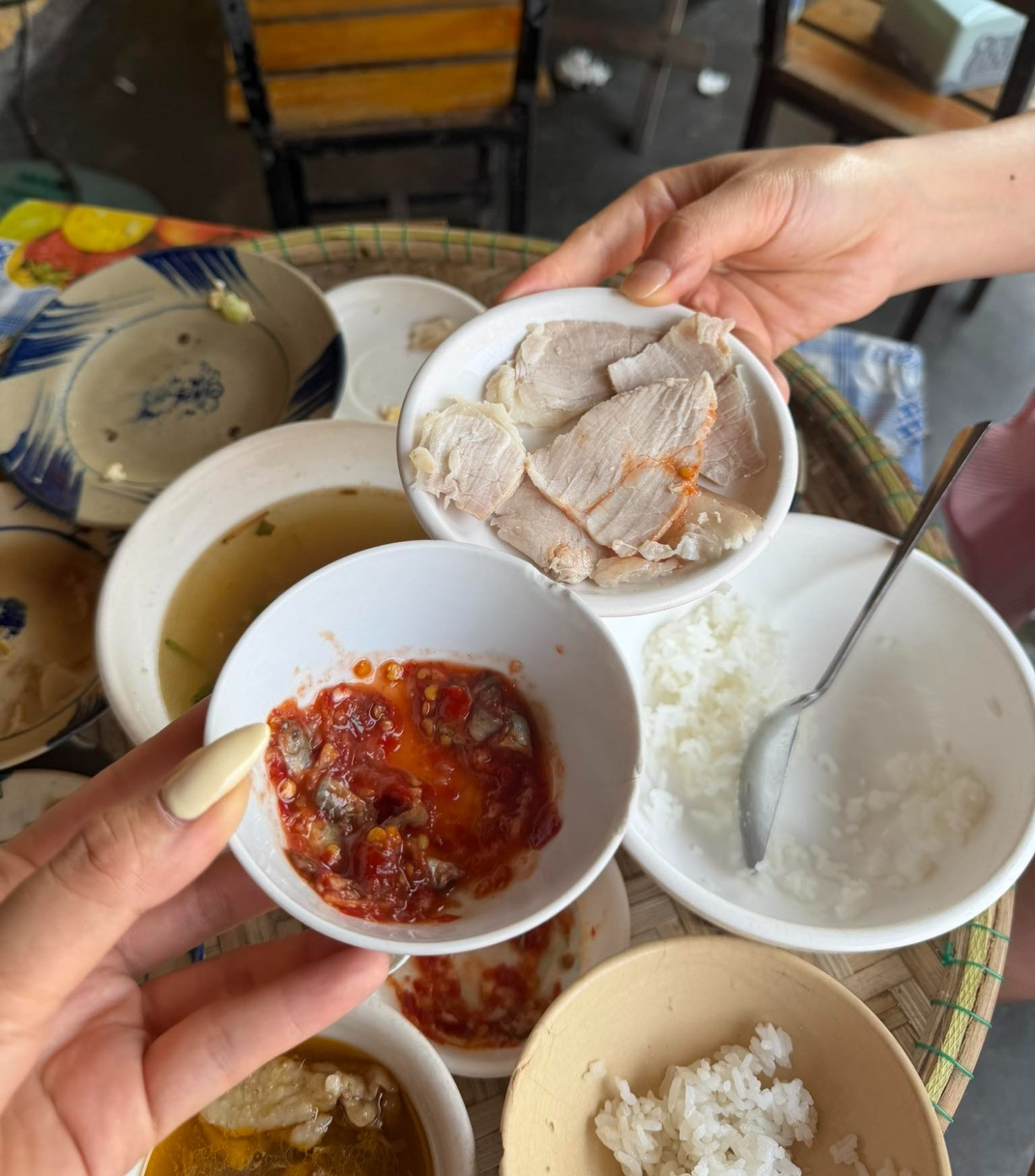
So taken was she with the flavor that she ordered additional boiled pork just to enjoy more of the sauce.
Mam ca ro, or fermented anchovy-like fish sauce, is a well-known specialty of Hue, made from a small local fish called ca ro.
According to local residents, ca ro are juvenile fish similar in shape to anchovies but smaller, with softer flesh and a naturally sweeter taste. They typically inhabit brackish or warm coastal waters.
Hue’s proximity to Thuan An beach, where these fish are abundant, has made the dish a regional hallmark. Around March and April, the fish return with the tides, and locals harvest them to produce fermented sauce that can be stored and enjoyed year-round.
The preparation involves mixing cleaned and dried fish with toasted rice powder, leftover rice, and salt. Depending on local preferences, additional ingredients such as glutinous rice powder or fermented rice may be used. The mixture is then left to ferment for about 60 days.
Once it develops a slightly sour taste, it is blended with sugar, chili, and seasoning to create a distinctive condiment.
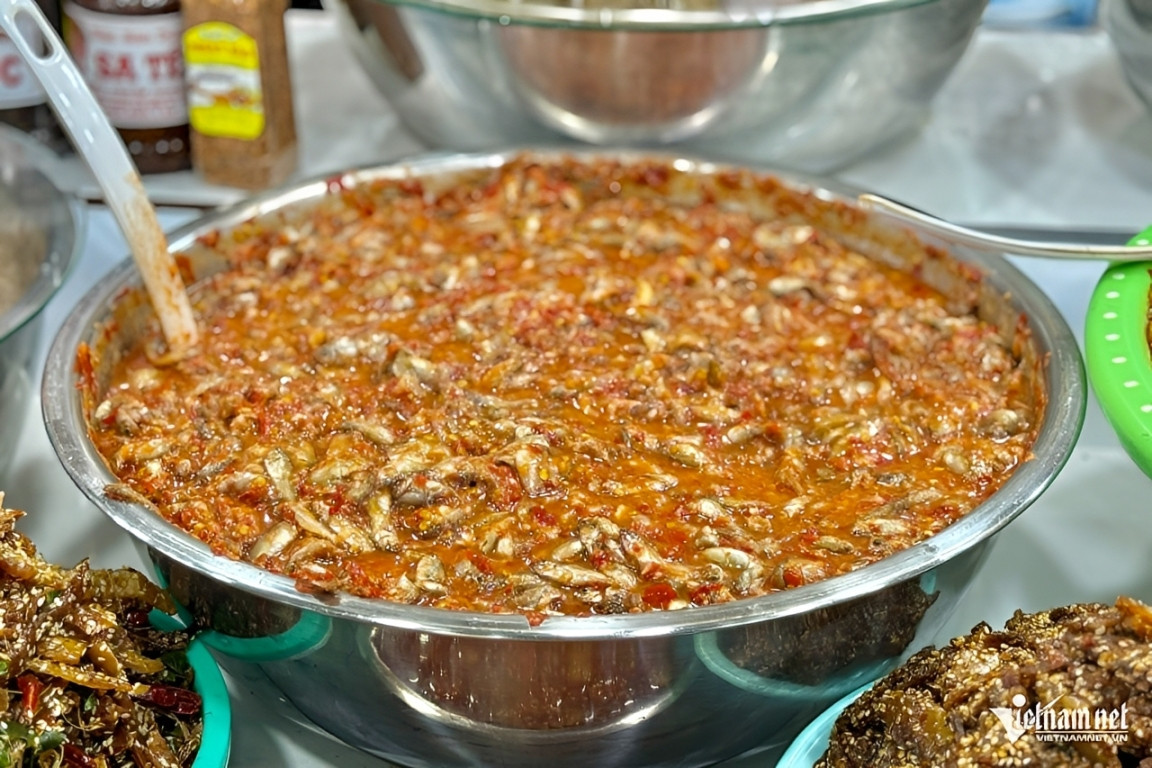
“The sauce has a very unique flavor. It’s quite pungent at first, but not fishy. It’s mildly rich, with a natural sweetness from the fish,” Trang said.
Enjoying it so much, she ordered some to take home. “All I need is a bit of lime, sugar, garlic, and chili, and it tastes just like it did in Hue,” she added.
Her experience reflects a broader appeal of Hue’s cuisine - simple, deeply rooted in local ingredients, and capable of turning even the most modest meal into something memorable.
Thao Trinh
.svg)
