 Vietnamnet.vn

 Podcast



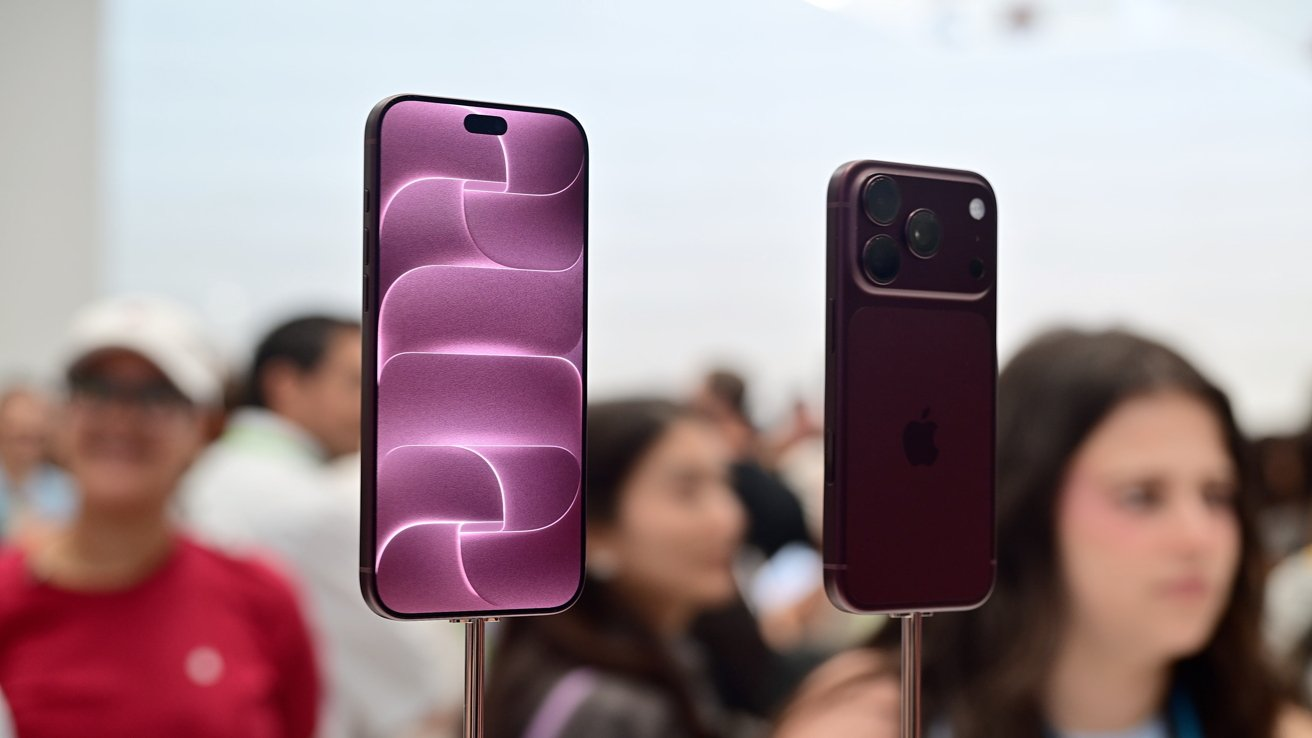
Apple's iPhone 18 Pro is here, making this a relatively safe time to upgrade. But rumors of a major 20th-anniversary redesign in 2027 give owners of perfectly good iPhones a reason to wait.
September and the months immediately following it are typically a much safer time to buy an iPhone than early summer.
With Apple having unveiled the iPhone 18 Pro, iPhone 18 Pro Max and iPhone Duo, buyers no longer face the frustrating prospect of purchasing an expensive phone only to see a new flagship generation arrive weeks later.
For anyone who needs a new phone now, there is therefore less reason to wait through another annual upgrade cycle.
The iPhone 17, iPhone 17e and iPhone Air are also relatively safe options, as their successors are not expected until spring 2027.
The iPhone 17 remains a compelling option
Among Apple's current lineup, the iPhone 17 continues to offer a strong balance between price and specifications.
It features a 120Hz ProMotion display, A19 processor, dual 48MP camera system and 256GB of base storage, with prices starting at $899 in the US, $100 higher than before the iPhone 18 Pro launch.
For buyers who do not need Apple's most advanced iPhone, the iPhone 17 therefore remains worth considering.
Its powerful processor, high-refresh-rate display, high-resolution cameras and generous standard storage should allow it to meet everyday needs for years.
The iPhone 18 Pro and iPhone 18 Pro Max are better suited to users who prioritize the best cameras, performance or battery life Apple currently offers.
They are aimed at buyers who want access to the company's latest premium iPhone technologies rather than simply a capable everyday smartphone.
The iPhone Duo serves an entirely different audience: buyers particularly interested in Apple's new foldable smartphone design.
Rather than simply offering another specification upgrade, the Duo marks Apple's move into the foldable phone category.
One big reason to wait until 2027
Despite the arrival of the iPhone 18 Pro, there is one significant reason some users may want to delay upgrading: 2027 is rumored to bring a much more substantial iPhone overhaul.
Apple is reportedly preparing a 20th-anniversary iPhone with an almost all-screen design and a curved body.
The device could feature under-display Face ID, solid-state buttons, a thinner and more energy-efficient OLED panel, a larger battery and significant camera improvements.
These details remain unconfirmed, meaning buyers should treat them as expectations rather than established specifications.
If the reports prove accurate, however, Apple's 2027 iPhone could represent a much more substantial change in both design and everyday experience than the company's 2026 generation.
That makes the decision to upgrade now heavily dependent on the condition of the iPhone a buyer already owns.
If the current phone still performs well, meets everyday needs and has no significant battery or performance problems, waiting for another generation may make sense for users particularly interested in a major redesign.
If the existing device is aging, unreliable or no longer adequate for work, study or entertainment, the current lineup provides several upgrade options without having to wait another year.
Waiting for sales could save money
Buyers who are less concerned about getting a new iPhone immediately can also time their purchase around discounts.
Following Apple's annual product launch, retailers typically begin adjusting prices on previous-generation models.
Major sales events later in the year, including Black Friday and other seasonal promotions, can potentially provide better opportunities to buy at a discount.
For budget-conscious shoppers, that means there is little need to purchase immediately after Apple's announcement.
Waiting a few weeks or months could result in meaningful savings, particularly on older models.
When does Apple usually launch new iPhones?
For more than a decade, Apple's flagship iPhones have generally followed a predictable annual schedule, with new premium models arriving in September, aside from a small number of exceptions.
The company, however, has gradually begun changing how it distributes launches throughout the year.
Starting with the iPhone 16e in early 2025 and followed by the iPhone 17e in spring 2026, Apple separated its more affordable iPhone releases from the flagship September event. These models have generally arrived around March.
That strategy has expanded with the iPhone 18 generation.
In September 2026, Apple introduced the iPhone 18 Pro, iPhone 18 Pro Max and foldable iPhone Duo, while the standard iPhone 18, iPhone 18e and iPhone Air 2 are expected to arrive in spring 2027.
Premium September iPhones are typically introduced at a dedicated Apple event.
Spring products, meanwhile, are more likely to be announced through press releases, although Apple has also held dedicated events at that time of year.
For buyers who need a new iPhone now, the beginning of the iPhone 18 cycle makes this a relatively safe time to purchase.
Those satisfied with their current phone and particularly interested in a potentially more ambitious redesign have reason to watch what Apple does in 2027. And for shoppers whose main priority is price, waiting for year-end discounts could offer better value than buying immediately after launch.
Hai Phong
.svg)
