 Vietnamnet.vn

 Podcast



Concluding the scientific conference titled “Building socialist communes and wards in the new era of development - Theoretical and practical issues” on Thursday afternoon, Associate Professor and Dr. Doan Minh Huan, Director of the Ho Chi Minh National Academy of Politics, said the development of socialist communes and wards should be viewed as a strategic breakthrough toward realizing the goal of a socialist society.
According to Huan, the initiative would help transform socialism from an abstract ideal into a tangible model at the grassroots level that people can directly experience and evaluate in everyday life.
Piloting the model at the commune and ward level is considered the most practical approach because the grassroots level serves as the place where all policies are tested and where government remains closest to the people.
Citizens are not only the beneficiaries of the model but also those who will ultimately judge its effectiveness.
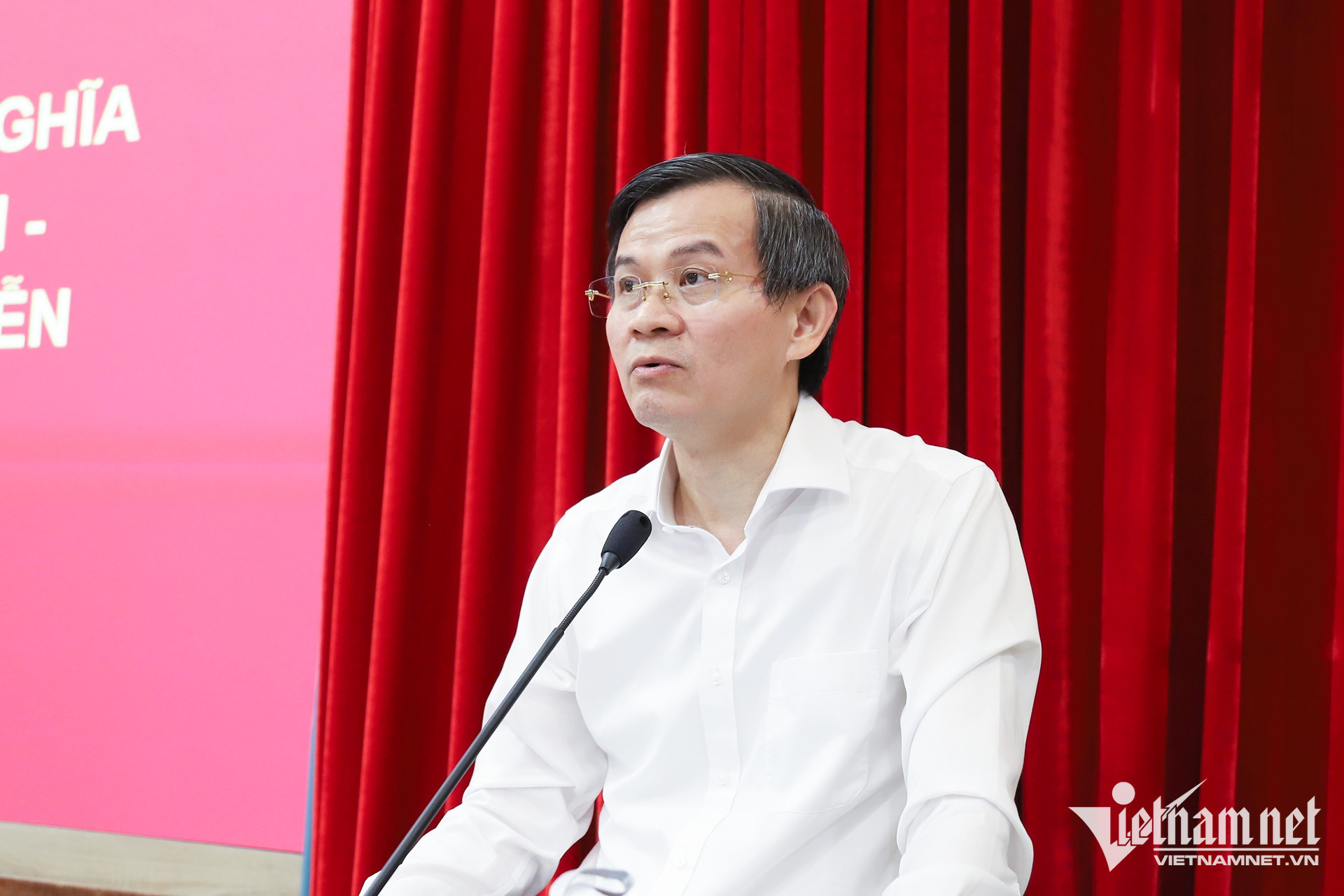
Associate Professor and Dr. Doan Minh Huan, Director of the Ho Chi Minh National Academy of Politics, said the overarching goal is to place people at the center of development, ensuring prosperous, free and happy lives.
Huan noted that because development conditions vary significantly across regions, the model cannot be implemented simultaneously across an entire province or nationwide.
Instead, pilot programs must begin at the commune and ward level before gradually expanding further.
“At a more advanced stage of development, there could even be socialist provinces or socialist cities,” he said.
He added that both qualitative and quantitative criteria are easier to measure at the grassroots level, where citizens can directly monitor and verify results.
The model must also reflect local diversity, including differences between lowland and mountainous regions, urban and rural communities, as well as varying local and ethnic identities.
According to Huan, some localities may initially establish only a few socialist communes or wards, while others could eventually reach rates of 50% or even 70%.
Despite differing local conditions and characteristics, all models must share a common objective: placing people at the center of development and ensuring comprehensive well-being, prosperity, freedom and happiness.
He also emphasized the need for a unified set of criteria for socialist communes and wards in order to concretize the eight defining characteristics, pillars and major relationships outlined in Vietnam’s socialist development framework.
Eight characteristics of a socialist society in Vietnam
The eight characteristics are outlined in the 2011 supplementary and revised Platform for National Construction during the Transition to Socialism:
Prosperous people, a strong nation, democracy, fairness and civilization.
Governance by the people.
A highly developed economy based on modern productive forces and progressive production relations.
An advanced culture imbued with national identity.
Citizens enjoying prosperous, free and happy lives with opportunities for comprehensive development.
Equality, solidarity and mutual respect among ethnic groups within the Vietnamese community.
A socialist rule-of-law state of the people, by the people and for the people under the leadership of the Communist Party.
Friendly and cooperative relations with people around the world.
Communes and wards should become spaces for development
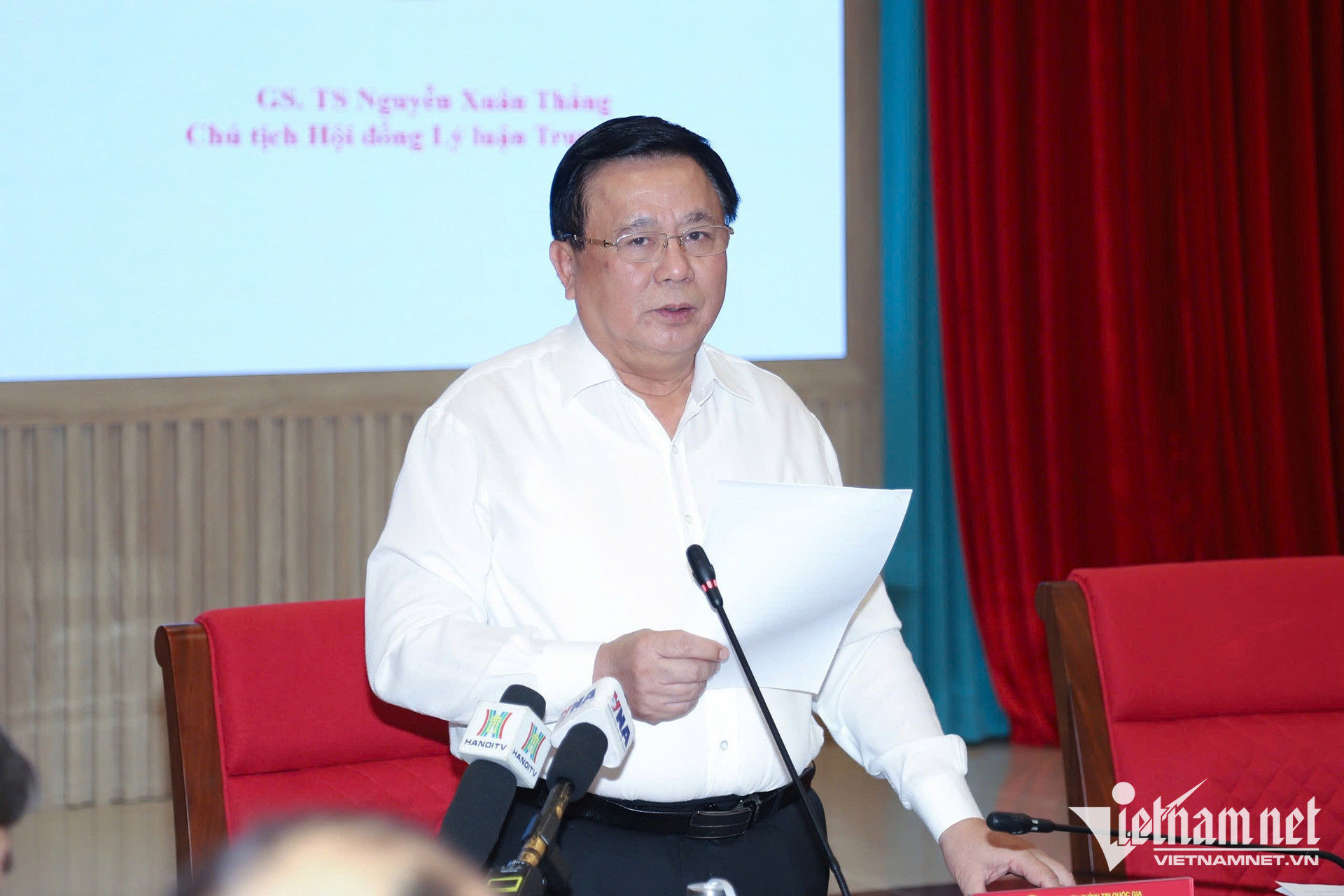
Professor and Dr. Nguyen Xuan Thang, Chairman of the Central Theoretical Council, said the model must aim toward modern, democratic, open and humane governance.
Earlier at the conference, Professor and Dr. Nguyen Xuan Thang, Chairman of the Central Theoretical Council, said there are three foundations supporting the necessity of developing socialist commune and ward models in Vietnam today.
These include Marxist-Leninist theory, Ho Chi Minh thought and the theoretical framework of Vietnam’s reform policies.
According to Thang, building socialist communes and wards does not mean returning to subsidy-era models, rigid administrative control or old-style cooperatives.
Instead, the model should pursue modern, democratic, open and humane governance tailored to the characteristics of urban, rural and mountainous areas.
He stressed that the core objective is to build communities defined by democracy, rule of law, discipline, safety, environmental sustainability, digital transformation, openness, humanity, development and happiness - communities where people genuinely participate in governance, co-create development and share in its benefits.
All policies at the commune and ward level, he said, must focus on improving quality of life, strengthening social welfare, supporting vulnerable groups, reinforcing community cohesion and preserving positive cultural values.
“Communes and wards should not simply function as administrative units,” Thang said. “They must become spaces that generate development, improve quality of life, enhance public services and strengthen community capacity.”
Tran Thuong
.svg)
