 Vietnamnet.vn

 Podcast



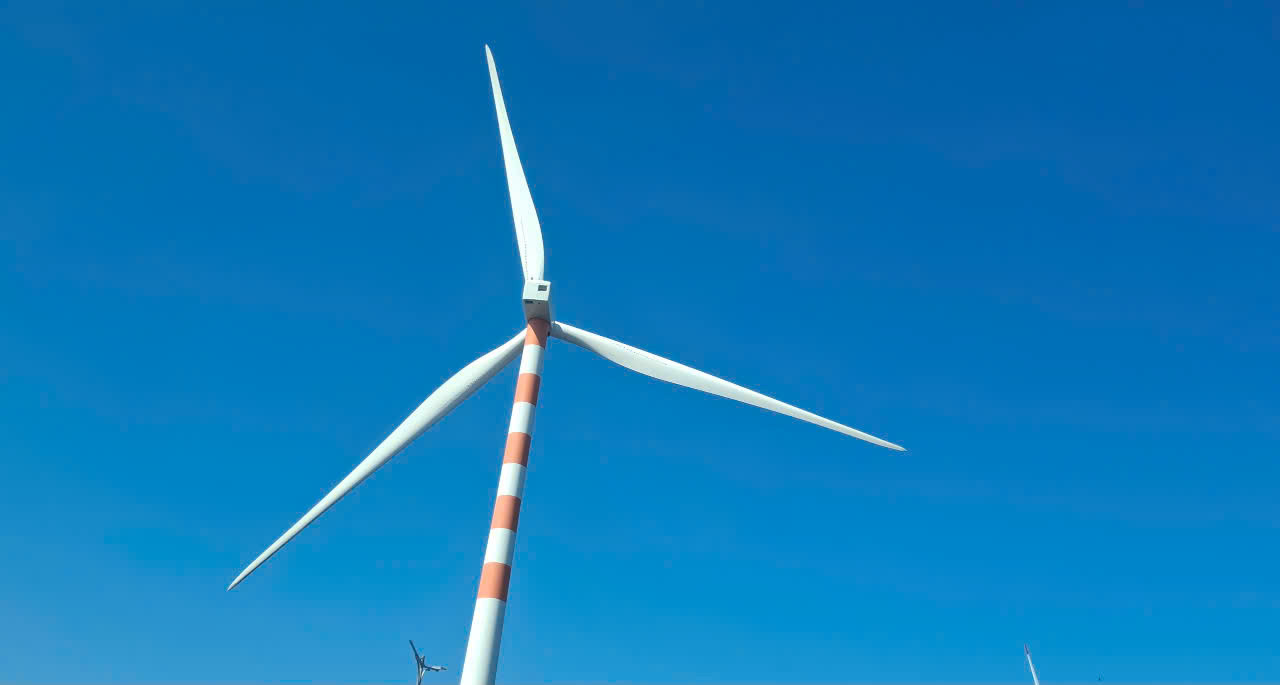
Hong Phong 1 Energy JSC (HP1C) recently announced a post-tax loss of VND180.7 billion, a sharp reversal from the profit of VND71.3 billion in 2024. This marks the largest loss since its financial statements were first published.
This result ends a multi-year streak of profitable business (2021–2024), showing a marked decline in operational efficiency.
By the end of 2025, HP1C's equity decreased by more than VND180 billion to VND 1,073 billion, mainly due to a sharp drop in undistributed post-tax profits. Notably, the debt-to-equity ratio increased from 2.83 to 3.2 times, with total liabilities reaching nearly VND3,439 billion.
Of this, outstanding bond debt accounts for more than VND2,100 billion, creating pressure from interest expenses and long-term financial obligations.
Similarly, Hong Phong 2 Energy JSC also fell into a state of loss. In 2025, this company lost more than VND97 billion, while in the same period last year, it profited more than VND55 billion. Equity decreased from over VND1,019 billion to more than VND922 billion. This company is "shouldering" a debt of more than VND1,671 billion, an increase compared to 2024.
Hoa Dong 2 Wind Power (HD2C) has not yet announced its full 2025 business results, but in the first half of 2025, this enterprise lost more than VND114 billion, after having lost more than VND120 billion in the first half of 2024. Cumulatively, this enterprise has lost more than VND493 billion. In 2024, HD2C lost VND229 billion, and in 2023, it lost VND159 billion.
The equity of Hoa Dong 2 Wind Power (Can Tho) as of mid-2025 was only over VND144.8 billion, compared to total liabilities of nearly VND2,813 billion, of which bank loan debt was more than VND2,713 billion, compared to VND817 billion in mid-2024. However, by mid-2025, Hoa Dong 2 Wind Power no longer had bond debt, whereas in the same period, it was over VND1,725 billion.
According to the HNX, in March 2025, Hoa Dong 2 settled long-term bond lots prematurely, with a total value of VND1,730 billion.
Many other renewable energy enterprises have modest profits. Ea Sup 1 JSC recorded a 2025 profit of nearly VND66.4 billion, compared to nearly VND65 billion in 2024. Revenue increased from VND880 billion in 2024 to VND946 billion in 2025. Total debt decreased from VND2,142 billion at the end of 2024 to nearly VND2,041 billion at the end of 2025. Within this, bank loan debt decreased from VND1,739 billion at the end of 2024 to nearly VND1,636 billion at the end of 2025.
Meanwhile, Ea Sup 3 JSC, the investor in the Xuan Thien Ea Sup solar power plant, recorded a post-tax profit in 2025 of over VND278 billion, a sharp decrease compared to the profit level of over VND459 billion in 2024.
Worse situation predicted
Renewable energy companies are expected to face many challenges in 2026-2027, even as global energy prices, particularly oil and gas, trend upward.
Unlike traditional energy sectors that can directly benefit from price fluctuations, most wind and solar projects in Vietnam operate under fixed feed-in tariffs (FIT) with EVN. This keeps revenue largely “frozen” throughout most of the project lifecycle, not reflecting improvements in the global energy market.
Meanwhile, costs are increasing significantly. Borrowing interest rates from previous periods remain “anchored” on balance sheets, along with bond interest obligations commonly at 9–12 percent per year.
In addition, large depreciation costs from projects worth trillions of VND continue to erode profits. Notably, most losses do not stem from operations, which remain stable, but mainly from financial costs.
Recently, deposit interest rates at many banks have surged, with some reaching 8–9 percent per year. If companies face bond maturities or need to borrow additional funds, costs will rise sharply.
A real "test" will arrive in 2026–2027 when several corporate bond lots mature. Not a few enterprises will face a difficult choice: either seek ways to refinance in a more cautious credit market context or be forced to buy back bonds prematurely, creating great pressure on cash flow.
For enterprises with thin profit margins, or those that have only reached break-even levels in recent years, the ability to manage will be significantly limited.
Furthermore, prolonged legal entanglements (project procedures, transmission infrastructure, power purchase agreements not being reliable enough to secure loans etc) and the transitional electricity price mechanism (negotiated with EVN and often lower than the FIT price) are also reducing the ability to improve financial efficiency.
Manh Ha
.svg)
