 Vietnamnet.vn

 Podcast



As a child growing up near a pottery kiln, Duy often visited and was once invited to try his hand at making a rice bowl. That early experience sparked a fascination with the art of ceramics - a fascination that grew into a deep commitment to preserving Southern Vietnamese culture through the objects he now collects.
Over the years, Duy has assembled an impressive collection of Lai Thieu ceramics - works once proudly made by renowned kilns in Southern Vietnam. His pieces are not only artistically valuable, but also rich in cultural and historical meaning. Among the most prized are a rare clay hotpot known as a lẩu cù lao, and an intricately crafted altar incense burner set.
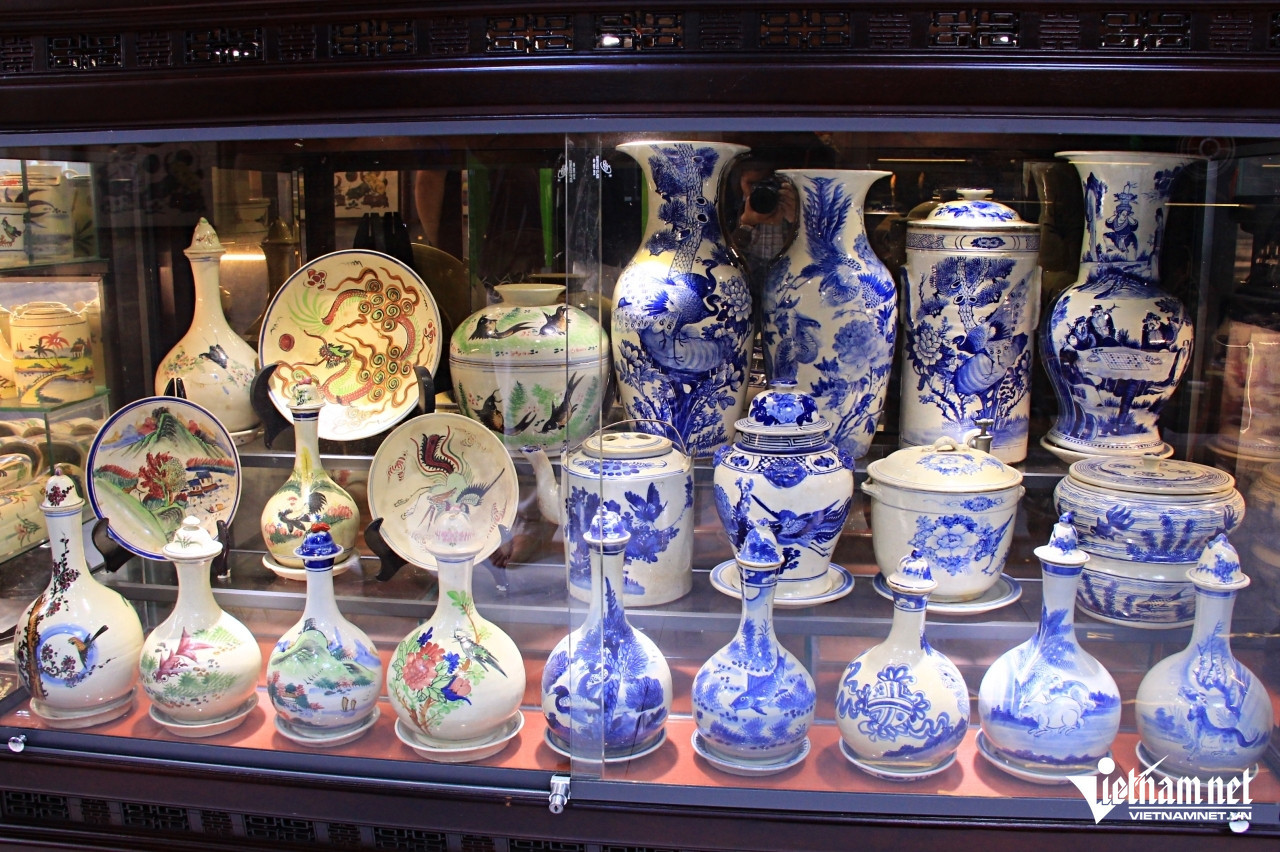
A corner of Ho Pham Thanh Duy’s Lai Thieu ceramic collection in Ho Chi Minh City.
The cu lao hotpot is a staple of Southern Vietnamese culinary tradition, especially in the Mekong Delta. It features a central chimney designed to hold burning charcoal, surrounded by compartments that contain the broth and ingredients - keeping the dish warm throughout a long meal.
“My hotpot was made by the Lam Dao Xuong kiln, one of the most famous producers of Lai Thieu ceramics,” said Duy. “It was a popular household item in the past, but eventually production stopped because the central chimney was prone to cracking.”
He added, “Today, hotpots like this only exist in major collections and museums - like the Ho Chi Minh City Museum of History or the Southern Women’s Museum.”
Duy’s version, which he acquired through an auction in France, is finished with white glaze and decorated with green motifs of daikon radish and ca bong lau (a local catfish) around the lid - iconic symbols of Southern dining culture.
But perhaps even more remarkable is the ceramic altar set he spent two years persuading another collector to part with. This rare set includes an incense burner and a pair of candle holders, all finished in white glaze with hand-painted details.
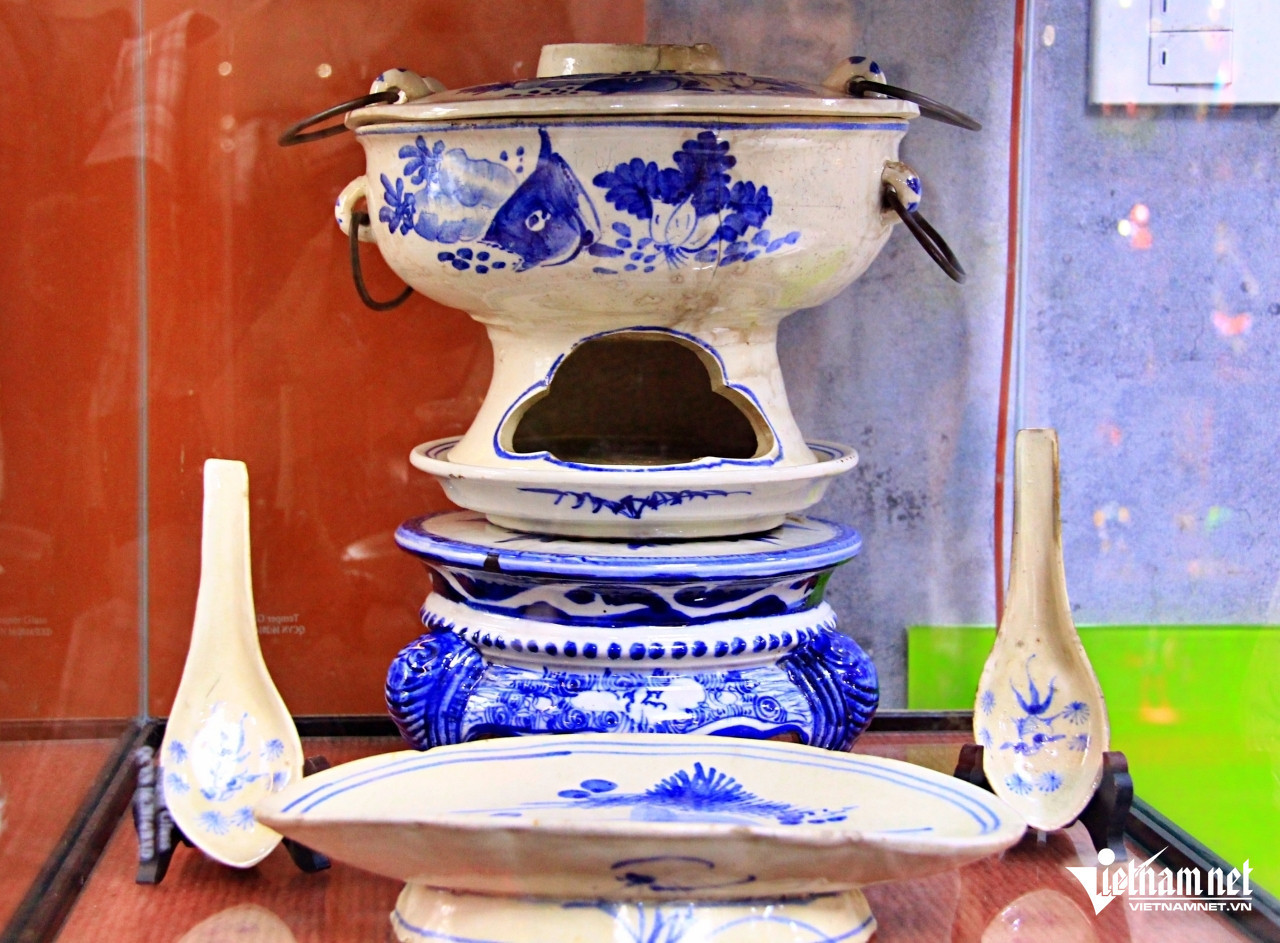
This rare cu lao hotpot was acquired by Duy through an auction in France.
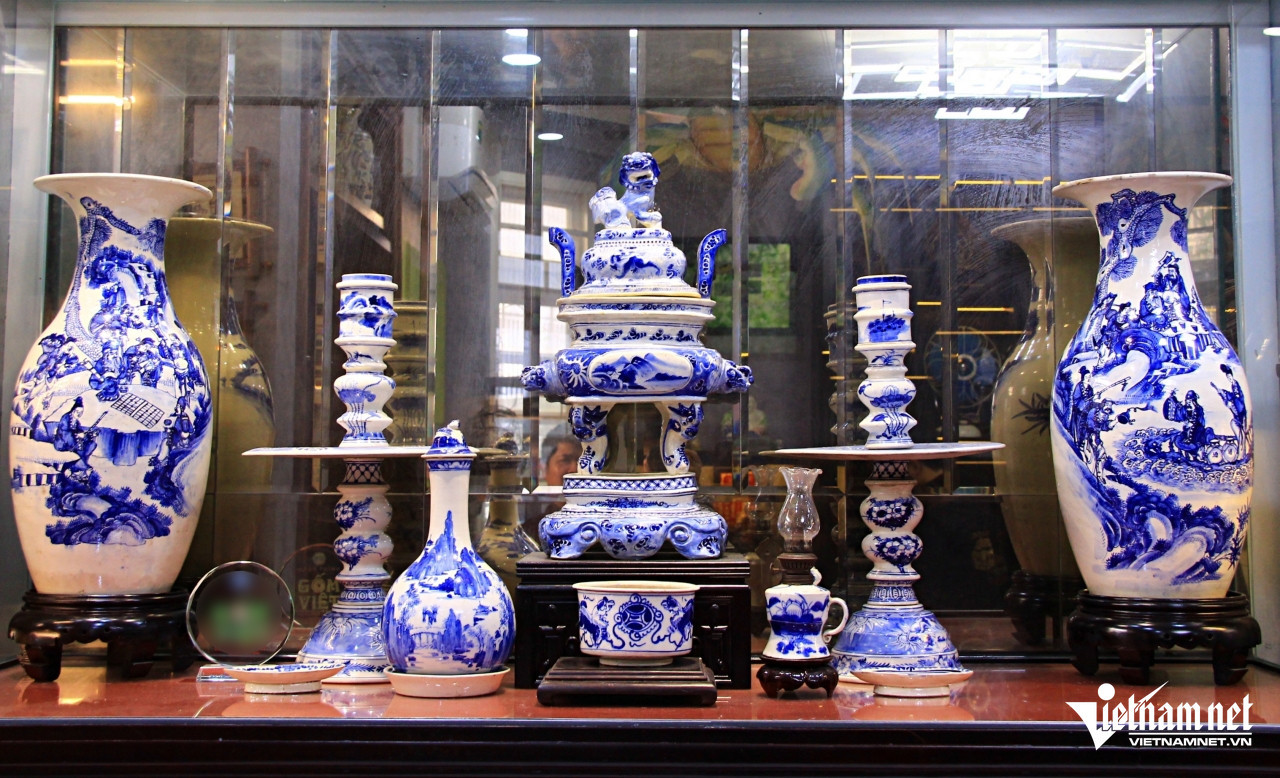
The altar incense burner set, including two candle holders, is among the most sought-after pieces in his collection.
The burner is adorned with raised patterns and vivid green imagery - dragons, guardian lions (nghê), tiger faces, mountain landscapes, and cloud motifs. The lid is crowned with a beautifully sculpted nghe figure. The candle holders share the same glaze and craftsmanship, decorated with green-painted lotus flowers, chrysanthemums, and traditional water scenes.
Like the hotpot, the altar set is an extremely rare example of high-quality ceramic artistry. “These items were handcrafted and painted, requiring exceptional skill,” Duy explained. “They were not mass-produced - they were made to order for wealthy families.”
Because ceramics of this size and complexity are fragile and difficult to shape, their production was limited. The high failure rate meant few were ever completed successfully. Today, such pieces are sought after by collectors both in Vietnam and abroad.
Duy has received offers from domestic and international buyers. One of the most striking came from a foreign investment fund representative, who visited his home and offered more than $30,000 for the altar set. He turned it down without hesitation.
“I won’t sell them, no matter the price,” he said. “I plan to place them on my family’s ancestral altar to honor my parents and grandparents. They also preserve the culture of Southern Vietnam, which I hold very close to my heart.”
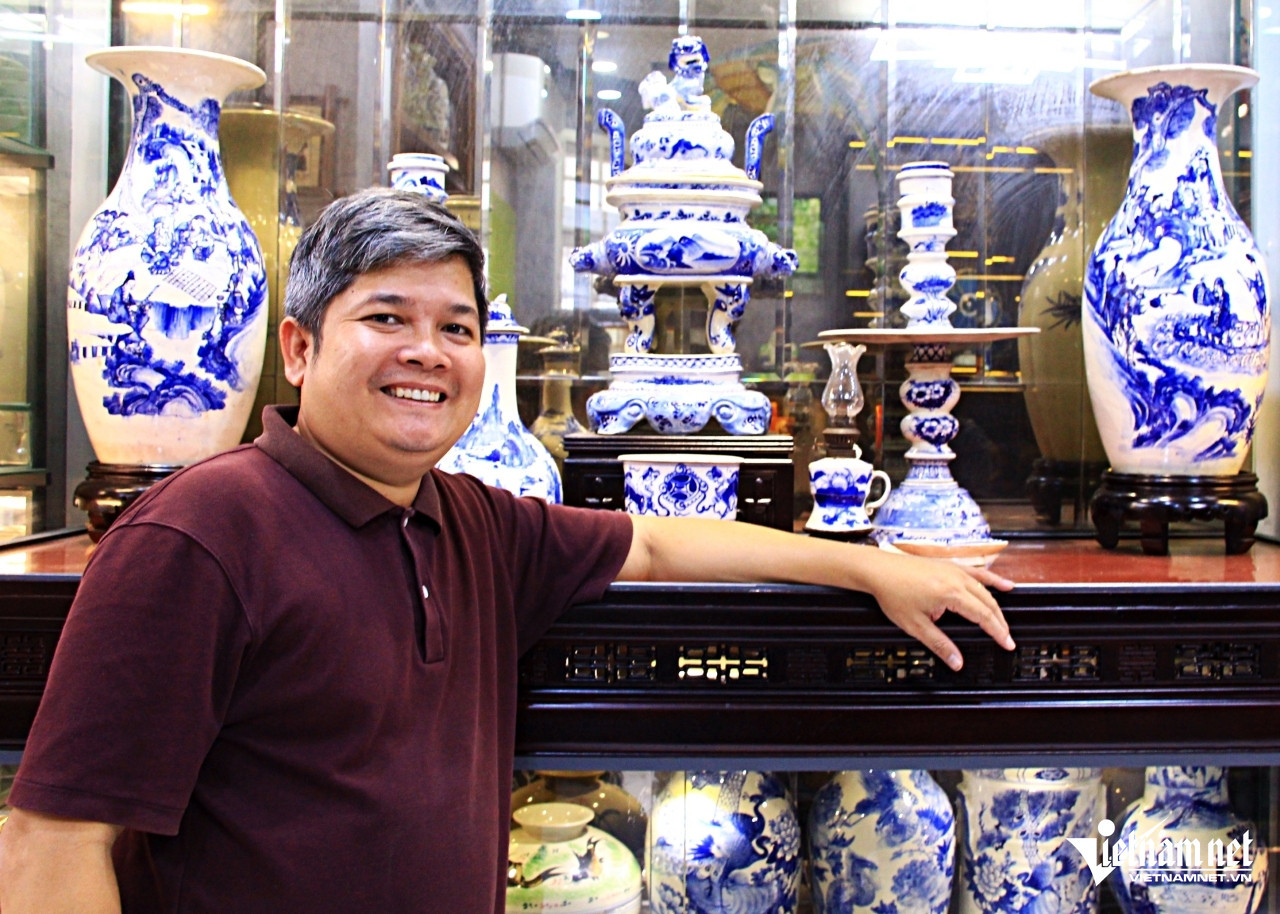
Duy says he has turned down all offers, including one worth over $30,000, for the altar set.
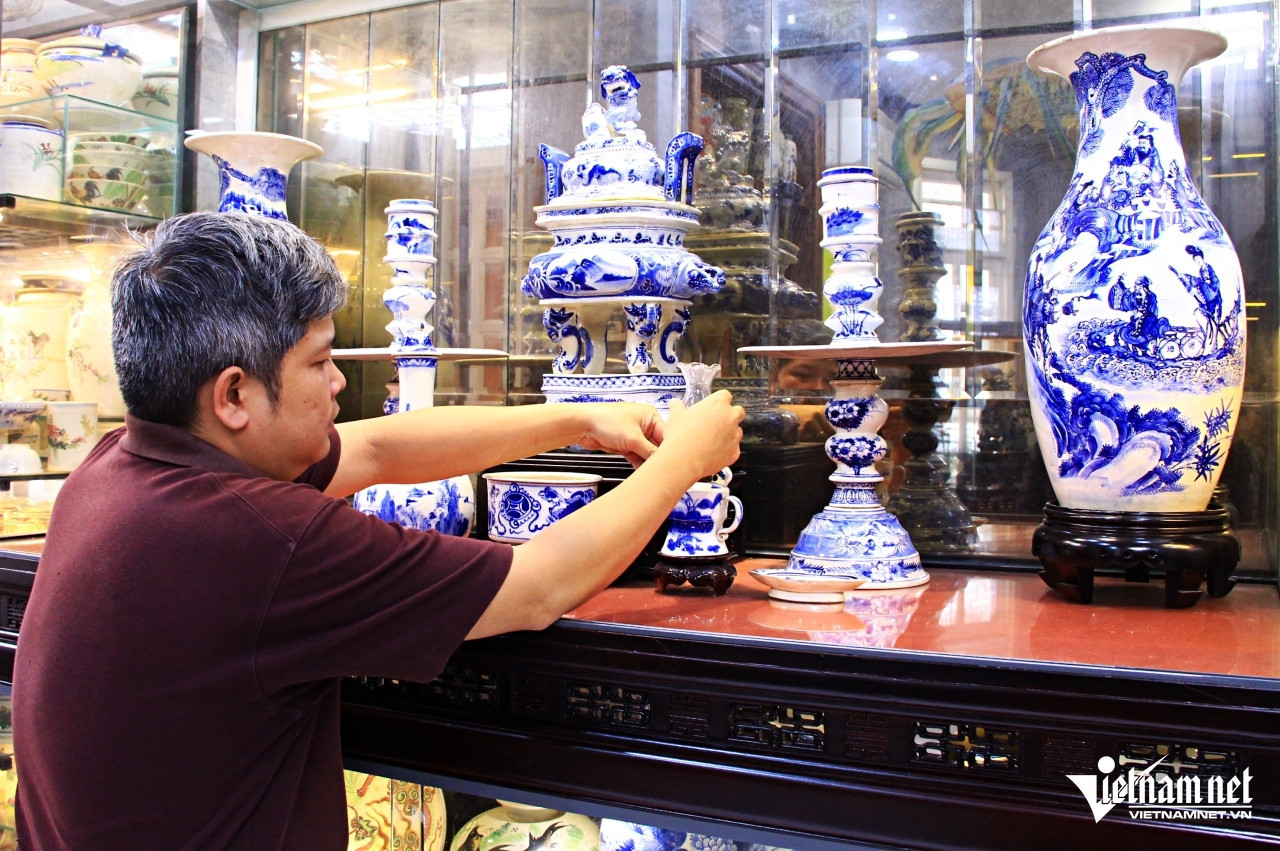
According to historian and antiques expert Ho Hoang Tuan of the Ho Chi Minh City Antiquities Association, Duy’s ceramic pieces likely date back to the 1930s or 1940s.
“At that time, wealthy families in the South began commissioning high-end ceramic pieces,” he explained. “Skilled ceramicists from China migrated to Vietnam and started producing wares tailored to that market.”
The cu lao hotpot was one such creation - made to suit both the culinary habits and aesthetic sensibilities of Southern households.
“These were not just functional items,” said Tuan. “They were also works of art, featuring detailed depictions of landscapes, folktales, and poetic inscriptions.”
The altar set, he noted, would have been commissioned by affluent Saigon families and produced by only the most skilled local kilns.
“Compared to bronze, ceramic was much harder to work with. The failure rate was high, making successful pieces extremely rare,” Tuan added. “The glaze work and artistry were often exquisite, giving these items immense value - not just financially, but culturally.”
Today, Duy’s pieces are more than antiques. They are cultural artifacts, vivid reminders of a bygone Southern Vietnam - a history of craftsmanship, spirituality, and community that lives on in the hands of a devoted collector.
Ha Nguyen
.svg)
